
Kyoto has more than historic sites such as shrines and temples. There are places to eat and places to shop as well.
In cherry blossom and autumn leaf season there are many places to see the natural side of the city, along with sightseeing trains, so each visit brings something new.
With so much to see, a first visit can be hard to plan.
This article covers what each area of Kyoto is like, along with its well-known shrines, temples and other sights.
We hope it helps as you plan your trip.
What Kyoto Is Like: Its Five Areas

The areas of Kyoto are named with the character raku: Rakuchu for the center, Rakusai for the west, Rakuto for the east, Rakunan for the south and Rakuhoku for the north.
The character means capital, a reference to the centuries when the seat of government stood here.
The sections below cover the places to visit in each area, along with the souvenirs worth buying.
Cherry blossom and autumn leaf spots and sightseeing trains are included as well, for anyone who comes for the scenery.
Rakuchu: Nishiki Market, Nishi Hongan-ji, Nijo Castle and the Heart of the City

Rakuchu, the central area, holds Kyoto Station and Nishiki Market, with plenty of shopping and places to eat.
Along with historic sites such as Higashi Hongan-ji, it has the Kyoto Aquarium and the Kyoto Railway Museum, which work for any age.
It covers much of what people come to Kyoto for within a small area, so it suits a short stay.
Shrines, Temples and Nature


Higashi Hongan-ji and Nishi Hongan-ji come first. The architecture is magnificent, and the local nicknames O-Higashi-san and O-Nishi-san show how long Buddhism has been part of daily life here.
There is also Nijo Castle, where the Tokugawa family rose and fell, and Kitano Tenmangu, dedicated to Sugawara no Michizane, the deity of learning. Both repay a little reading beforehand.
Higashi Hongan-ji, Nishi Hongan-ji, Nijo Castle, Kitano Tenmangu, Myokaku-ji and Umekoji Park are lit up in the cherry blossom and autumn leaf seasons, when the grounds look quite different from the daytime.


Entertainment, Shopping and Food


Nidec Kyoto Tower


Nishiki Market, known as the kitchen of Kyoto, is the one to put first. Its 390-meter arcade is packed with local food.
It is always busy, which is what you would expect from a market Kyoto residents use every day.
Ramen fans should head for Kyoto Ramen Koji in Kyoto Station, which gathers shops from Kyoto and from around the country, so you can compare them.
The Kyoto International Manga Museum is worth a stop for anyone who likes Japanese manga and anime. Its exhibits cover the history of the form and landmark works from each era.


Souvenirs to Buy in Rakuchu

Tsuruya Yoshinobu: Tsubara Tsubara
Tsuruya Yoshinobu is a long-established wagashi shop founded in 1803. Its sweets are lightly sweetened and styled after the seasons.
Tsubara Tsubara takes its name from a word in the Manyoshu meaning deeply, to one’s heart’s content. A chewy wrapper holds large, flavorful azuki beans.
▶Tsuruya Yoshinobu
Source:https://shop.tsuruyayoshinobu.jp/collections/tsubaratsubara

Nishijin Beer
The Nishijin area has a number of craft breweries.
The range includes beers made with hops grown in Kyoto, beers meant to go with wagashi, and fruity ones with little bitterness.
Many are easy to drink even if you usually find beer too bitter.

Kotaro no Su
For 180 years Kotaro no Su has made vinegar and ponzu by the same methods.
Its ponzu suits dishes built around the ingredients themselves, and you can also make your own.
Rakusai: Arashiyama, Kinkaku-ji and Tenryu-ji, for History, Nature, Views and Sightseeing Trains

Rakusai has World Heritage sites such as Kinkaku-ji and Tenryu-ji, along with the classical garden at Katsura Imperial Villa and the moss garden at Saiho-ji.
It also has the Bamboo Grove path and the Sagano Romantic Train, which runs through the Arashiyama landscape.
Anyone interested in Japanese history, scenery or sightseeing trains will find plenty here.
Shrines, Temples and Nature


Mount Kinugasa stands in Rakusai. Emperor Uda once asked to see a snowscape in midsummer, and white silk was draped over the mountain to produce one, which is why it is also called Kinukake-yama.
At its foot runs Kinukake-no-Michi, the road linking the three World Heritage sites of Kinkaku-ji, Ryoan-ji and Ninna-ji.
Kinukake-no-Michi lets you walk along the foot of Mount Kinugasa while taking in the history of the three temples.
In the cherry blossom and autumn leaf seasons, many of the temples and the Sagano Romantic Train hold illuminations, with the lit trees close at hand.
Read more about the main sights in Rakusai


Entertainment, Shopping and Food


Kimono Forest, at Arashiyama Station on the Keifuku Railway (the Randen), sets 600 poles wrapped in yuzen fabric in the shape of a grove of light.
It is worth seeing in daylight and again in the evening when the fabric is lit. The station also has a cafe, souvenir shops and a foot bath.
The Fukuda Art Museum has both a collection of Japanese art and a stylish cafe.
Pan to Espresso to Fukuda Art Museum is said to have the finest view of Togetsukyo Bridge, looking out across the river.
It is quiet in a way you would not expect in busy Arashiyama, and it has a following among those who know it.
The cafe is for museum visitors only and cannot be used on its own.
Souvenirs to Buy in Rakusai

Bamboo craft from Ishikawa Takenomise
Bamboo craft has long been a traditional industry in Rakusai, where the groves are part of the landscape.
Ishikawa Takenomise sells accessories, coasters, cups, tote bags and much else made from bamboo.
There is also a workshop if you want to make your own bamboo basket.
▶Ishikawa Takenomise
Source:https://store.shopping.yahoo.co.jp/takenomise/27-c5.html

Pickles from Shibakyu
Ohara, next to Rakusai, is known for Kyoto pickles made with local vegetables. Shibakyu has been the local favorite there for years.
The shop writes shibazuke with a character meaning intent, for its wish that as many people as possible taste it. The shiso is fragrant, and it goes well with rice.
▶Shibakyu
Source:https://www.shibakyu.jp/
Rakuto: Kiyomizu-dera, Hanamikoji, Yasaka Shrine and Heian Jingu, with Kyoto Streetscapes and Places Locals Go to Relax

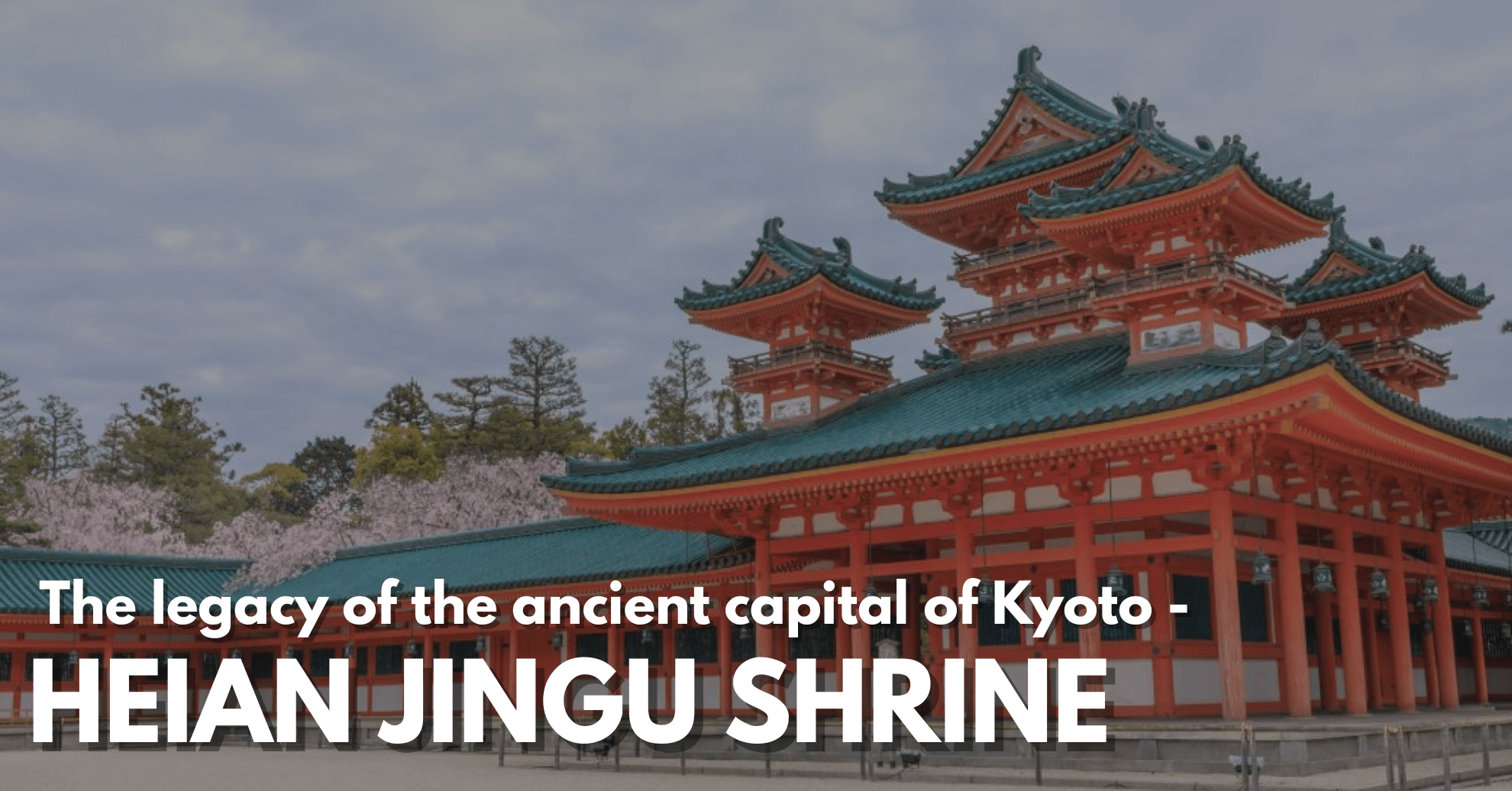
Rakuto holds some of the best-known sights in the city: Kiyomizu-dera, Yasaka Shrine of Gion Matsuri fame, the formal grandeur of Nanzen-ji, and Heian Jingu, which holds a special place for the people of Kyoto.
The approaches to Kiyomizu-dera, Kiyomizu-zaka, Ninenzaka and Sannenzaka, along with Hanamikoji and the Gion shopping street near Yasaka Shrine, are all good for eating and shopping.
The banks of the Kamo River are where locals go to relax. The Kamogawa Noryo-yuka riverside terraces are a summer fixture, and the evening is the time to see them.
Shrines, Temples and Nature


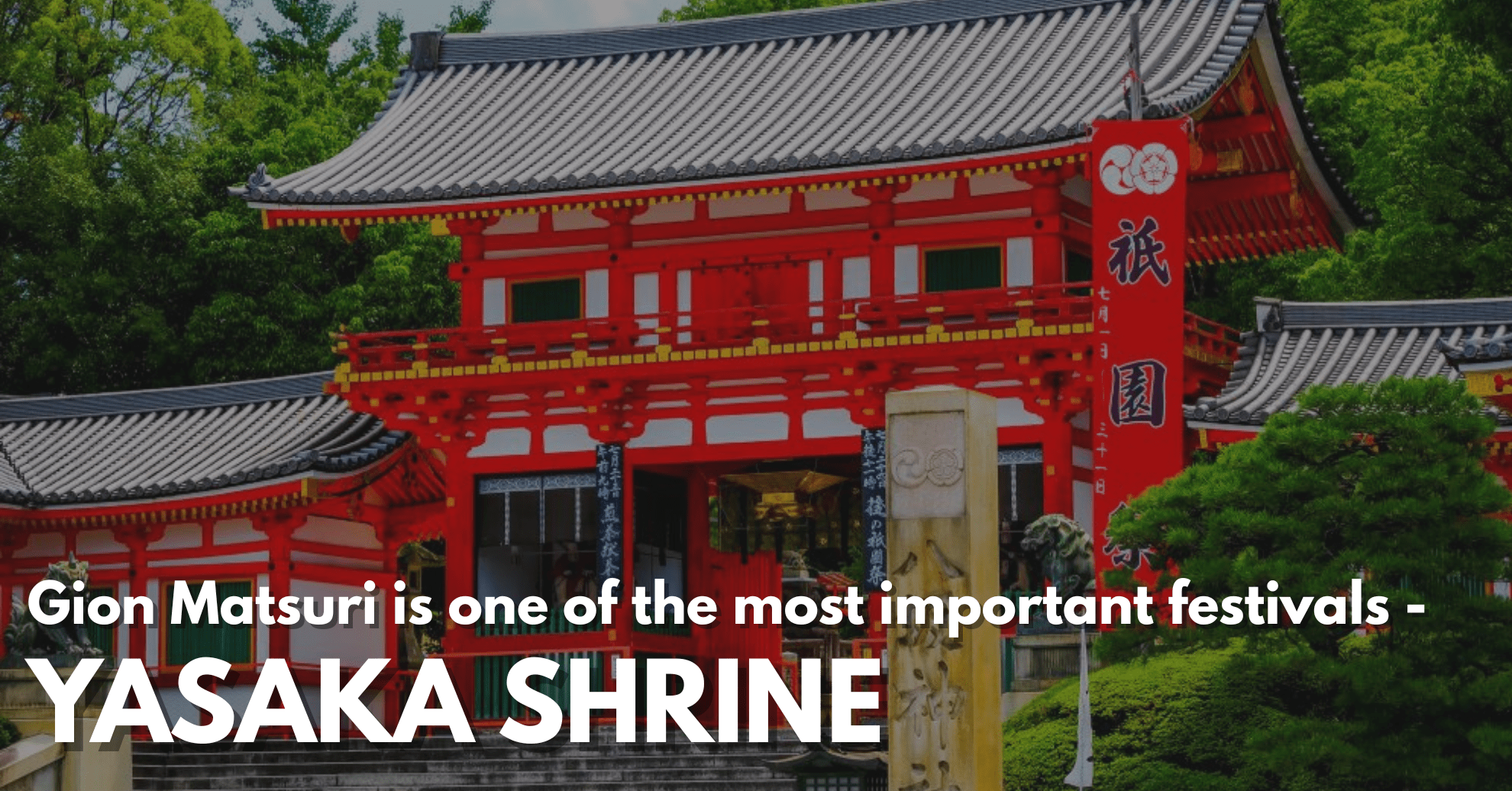
Yasaka Shrine is the first stop in Rakuto.
Gion Matsuri, one of the three great festivals of Japan, is the shrine’s own festival, held for some 1,150 years in a prayer for the end of an epidemic.
It runs from July 1 to 31 each year, and the shrine, the Gion shopping street, the Kamo River and Kawaramachi are busy throughout.
The Philosopher’s Path between Nanzen-ji and Ginkaku-ji is one of the best places for cherry blossom and autumn leaves. It is on the list of the 100 finest roads in Japan, and takes its name from the philosopher Kitaro Nishida, who walked it while he thought.
In cherry blossom season the trees form a tunnel. They are known as Kansetsu-zakura after the Japanese-style painter Kansetsu Hashimoto, who planted the saplings.
Read more about the main sights in Rakuto



Entertainment, Shopping and Food


Hanamikoji, the main street of Gion, keeps the atmosphere of its old teahouses, and the stone paving calls to mind the maiko and geiko who pass along it.
With a little luck you may see one.
The Gion shopping street has old-style coffee shops, matcha sweet shops, Nishijin weaving shops and much else. It is worth walking slowly for the streetscape itself.
Souvenirs to Buy in Rakuto

Yatsuhashi from Izutsu Yatsuhashi Honpo
Yatsuhashi is the classic Kyoto confection. The baked kind is made from rice flour, sugar and cinnamon, while nama yatsuhashi is left unbaked and wrapped around sweet bean paste.
Several shops in Kyoto make it, and Izutsu Yatsuhashi Honpo is the one with the longest ties to the Gion entertainment district.
Its nama yatsuhashi, called Yuko, holds a generous amount of bean paste in a soft wrapper, and comes in an appealing package.
▶Izutsu Yatsuhashi Honpo
Source:https://www.yatsuhashi.co.jp/

Chirimen sansho from Kyo-tsukudanisho Yayoi
Chirimen sansho, known here as ojako, has long been a staple in Kyoto, where fresh fish was once hard to come by.
Small dried sardines are simmered slowly with sansho pepper in soy sauce, and the result goes over rice.
As people here put it, ojako on a bowl of freshly cooked rice is a feast in itself.
▶Kyo-tsukudanisho Yayoi
Source:https://www.yayoi-ojako.co.jp/
Rakunan: Fushimi Inari Taisha, Byodo-in and Tofuku-ji, Rich in Historic Sites

Rakunan also has plenty to see: Fushimi Inari Taisha with its thousand torii gates, the great halls of Tofuku-ji, and To-ji, the first Esoteric Buddhist temple in Japan.
The Ryoma-dori shopping street has stone paving, gas-lamp-style street lights and rows of Kyoto machiya, and keeps the feel of the closing years of the Edo period. It is best walked after dark.
Anyone interested in the change from the Edo shogunate to the Meiji era will find plenty here.
Fushimi also has a great many sake breweries, so it suits anyone who wants a brewery tour or a sake tasting.
Shrines, Temples and Nature


Fushimi Inari Taisha is known for the thousand torii gates standing in rows, and that stretch is only a small part of the grounds.
The grounds cover the whole of Mount Inari, and the hiking route to the summit takes about two hours.
Most visitors take the shorter route past the torii gates, the main hall and the Okusha Hohaisho with its Omokaru-ishi stone, but the hike is worth the time if you have it.
Kumataka-sha along the way draws a steady stream of visitors, and the rows of burning candles there make an impression.
Rakunan also has Daigo-ji, one of the essential autumn leaf spots, and the Byodo-in Phoenix Hall that appears on the Japanese ten-yen coin, both worth taking time over.


Entertainment, Shopping and Food


Near Fushimi Inari Taisha there is a shopping street selling sweets and goods themed on the fox associated with Inari, along with a lesser-known complex called Fushimi Inari OICY Village.
The food court on the first floor of Fushimi Inari OICY Village serves ramen, udon, burgers and desserts, among much else.
On the second floor, the souvenir lane sells artistic items that pair traditional and contemporary Kyoto culture.
Anyone who likes sake should look in at the Gekkeikan Okura Sake Museum, which shows how one of the brewers behind Japanese sake works, or at Kizakura Kappa Country.
A little further out, in Uji, is the Nintendo Museum, which game fans will not want to miss. Admission is by advance application and a lottery, so apply early if you are interested.
Souvenirs to Buy in Rakunan

atelier Kyo Baum: hojicha
Kyo Baum is a baumkuchen sold at souvenir shops around Kyoto Station and elsewhere.
atelier Kyo Baum shows how it is made and sells items available nowhere else.
The hojicha version has a roasted note that the matcha one does not.
▶atelier Kyo Baum
Source:https://kyobaum.com/atelier/floor1/limited_items/
Rakuhoku: Kifune Shrine and Kurama-dera, Where the Air Stays Cool Among the Trees

Rakuhoku holds Mount Kurama and the Kifune River. In summer, kawadoko dining on platforms built out over the water is what people come for.
Summer in central Kyoto is hot, and many head for Rakuhoku for the cooler air among the trees and water.
Kurama-dera, deep among the trees, and Kifune Shrine, where vermilion lanterns stand out against the greenery, are both worth the trip.
It suits anyone who has already seen the main sights in the city, or who has a week or so to spend in Kyoto.
Shrines, Temples and Nature


Kurama-dera is known as the place where Minamoto no Yoshitsune spent his childhood.
It is also associated with tengu, and the Kongosho, the stone circle in front of the main hall, is laid out as a star mandala. Visitors usually stand at its center.
Kifune Shrine enshrines Takaokami-no-kami, a deity of water, and sells mizuura mikuji, paper fortunes whose text appears when they are floated on the sacred water. The shrine is also visited by people praying for a good match.
In the cherry blossom and autumn leaf seasons, Kifune Shrine and Sanzen-in, Rurikoin and Genko-an hold illuminations.
The temples and shrines here stand in deep woodland, which is much of their appeal.
Entertainment, Shopping and Food


On Higashioji-dori, about five minutes by car northwest of Kamomioya Shrine (Shimogamo Shrine), is a stretch known as Ichijoji Ramen Road, where ramen shops compete side by side.
One of the most popular is Takayasu, built on a pork and chicken bone base. Its cloudy-broth chuka soba is the original, and the fried chicken on the side has a reputation of its own.
There is also Ramen-ya Akie, which keeps irregular hours, and other shops where a line is a given.
Anyone who likes plants and flowers should consider the Kyoto Botanical Gardens, a lesser-known cherry blossom spot. The grounds are large, the planting is carefully kept, and it is a comfortable place to spend an hour or two.
Souvenirs to Buy in Rakuhoku

Yakimochi near Kamigamo Shrine
Yakimochi has long been the monzen-gashi of Kamigamo Shrine, the sweet offered to worshippers at its gate.
Two shops stand near the shrine: Jinbado, a long-established yakimochi shop, and Aoiya Yakimochi Sohonpo, whose sweets are used in the rites at Kamigamo Shrine.
Jinbado wraps bean paste in mochi and grills it to order, so it arrives warm, chewy and faintly toasted.
At Aoiya Yakimochi Sohonpo the mochi is thinner and the bean paste gently sweet, in a balance that makes it easy to keep eating.
Places to Stay for Sightseeing in Kyoto
Kyoto has a great many places to stay, from ryokan to hotels.
The article below may help you choose one to suit.
Read more about places to stay for sightseeing in Kyoto


Sights Outside the City of Kyoto
Some travelers want to take in the areas around Kyoto as well.
There is plenty for anyone who wants to spend time with history, and plenty for anyone who wants a theme park, so choose to suit.
Nara: For Anyone Who Likes Tradition and History

Anyone interested in tradition and history should consider Todai-ji, Kofuku-ji and Kasuga Taisha in Nara Prefecture, along with Nara Park, where the deer come close.
For the trip between Kyoto and Nara, take the Aoniyoshi limited express, which links Osaka, Nara and Kyoto with no transfers. Its design draws on the patterns of the Shosoin treasures in Nara, in purple.
The train also sells sweets available only on board.
Osaka: For Theme Parks and Food

Osaka has theme parks such as Universal Studios Japan and the Osaka Aquarium Kaiyukan, along with Dotonbori for takoyaki, okonomiyaki and kushikatsu.
Amanohashidate in Kyoto: The Finest View in the Prefecture, with the Ine Boathouses

Miyazu, part of what is called the Sea of Kyoto and about two hours from the city, has five lookout points over Amanohashidate.
Around the two main lookouts, Kasamatsu Park and Amanohashidate View Land, stand Chion-ji and Motoise Kono Shrine, so the view comes with some history.
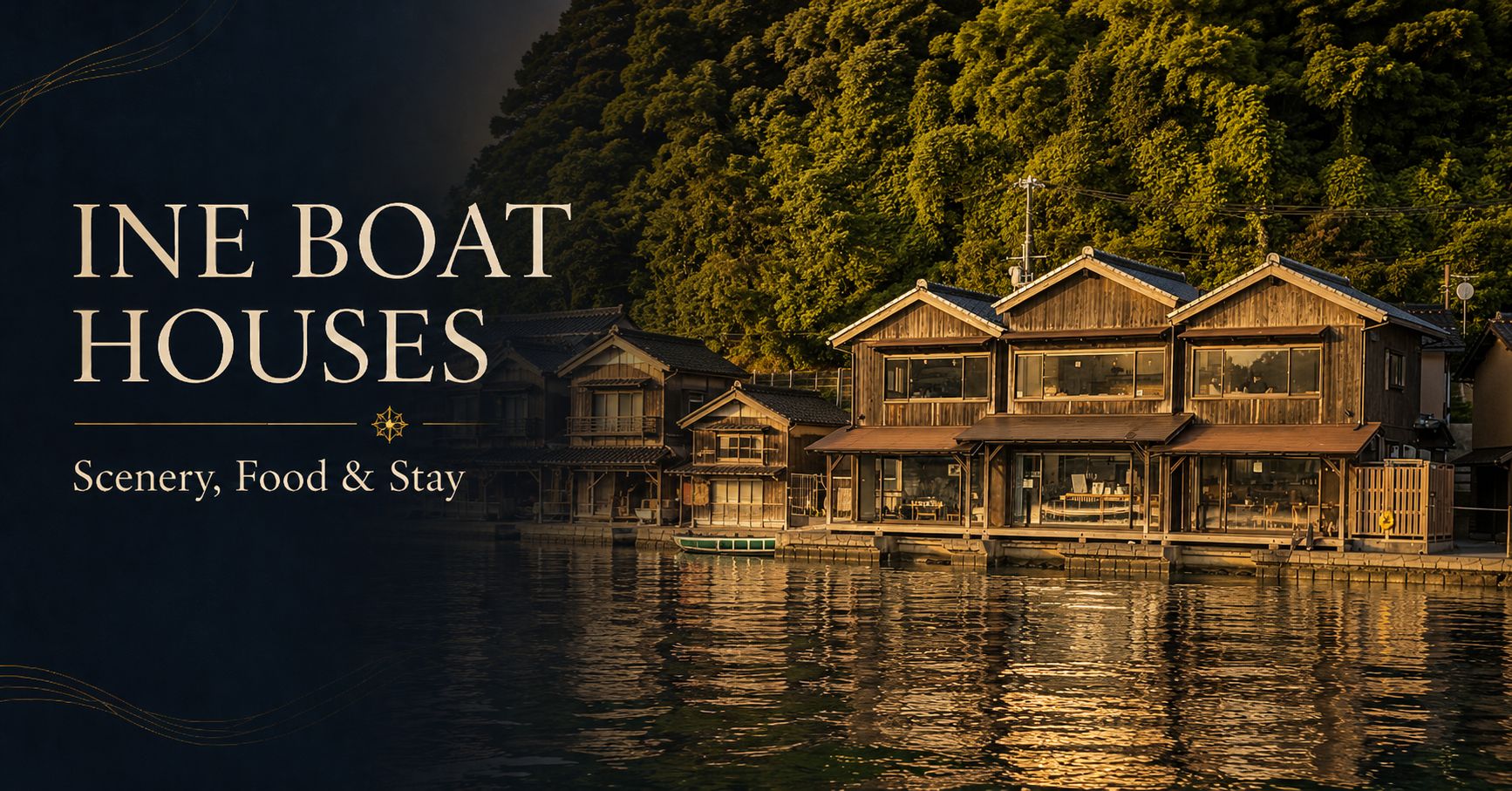
The Ine funaya boathouses near Amanohashidate keep the look of an old fishing village, and the seafood landed at the nearby port is part of the appeal.
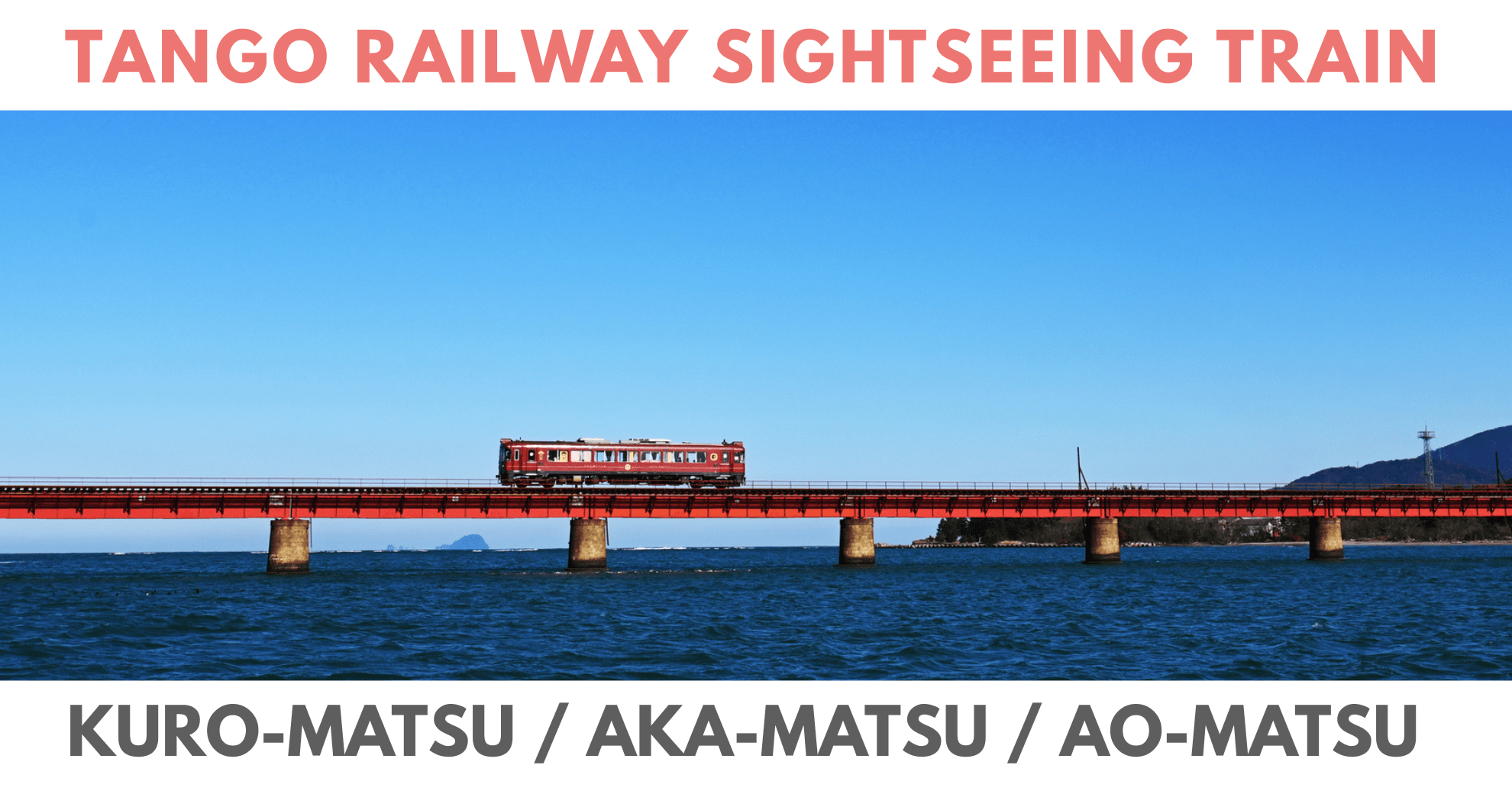
On the way from Kyoto to Amanohashidate, consider the Tango Railway sightseeing trains, the Kuromatsu, Akamatsu and Aomatsu.
Read more about Amanohashidate

Lake Biwa in Shiga: Plenty of Scenery, and Plenty to Do

Shiga Prefecture draws attention for its scenery from spring through autumn, not only in the ski season.
Biwako Valley and Biwako Hakodateyama near Lake Biwa are mountain resorts with views over the lake and the surrounding peaks from spring through autumn.
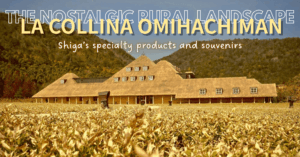
There is also La Collina Omihachiman, where the old rural landscape remains and Club Harie baumkuchen is sold, the Metasequoia avenue lined with trees on both sides, and the Eight Views of Lake Biwa, which repay a little reading on their history.
There is cycling and there are activities on the lake, so it suits anyone who wants an active day.
Read more about Lake Biwa

Awaji Island in Hyogo: Stylish Spots on a Quieter Resort Island

Awaji Island is where people from Kobe, Osaka and other cities go for a resort stay.
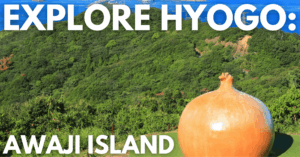
Awaji onions and the whirlpool cruises are what the island is known for, and it also has unusual theme parks: Awaji Yumebutai, with architecture built into the landscape, and Nijigen no Mori, where game and anime worlds are built at full scale.
On the west coast, where the sunsets are worth staying for, the European-style buildings of Awaji Chef Garden have become a photo spot, and there is plenty for a day out together.
The mild climate suits glamping, and there are many sites on the island, which works for younger travelers and for families.
Questions Worth Answering Before a Visit to Kyoto
To close, here are a few things worth knowing before you come, in question and answer form.
Q. When should I visit, and what should I wear?

The busiest seasons in Kyoto are spring for the cherry blossom and autumn for the leaves.
In summer, July brings Gion Matsuri, one of the three great festivals of Kyoto, and August the Gozan no Okuribi bonfires, while the noryo-yuka riverside terraces along the Kamo River and at Kifune are a summer fixture.
In winter, snow changes the look of the shrines and temples, and places such as the Bamboo Grove path stand out in near monochrome.
Kyoto sits in a basin ringed by mountains, so summers are hot and winters cold. Spring and autumn bring a wide gap between day and night, so clothes you can adjust in layers work best.
There are many slopes and stone-paved streets, so sneakers are the sensible choice in any season.
What to Wear in Each Season
Spring: no outer layer is needed during the day. A shirt or long-sleeved top with a cardigan or light blouson to carry is enough. Bring a mask if you react to pollen.
Summer: humidity is high, so choose short sleeves or sleeveless tops in breathable fabric. Bring spare clothes, since you will sweat, and sun protection. Socks are worth packing too, as you take your shoes off at temples and shrines.
Autumn: early autumn still holds some summer heat, but mornings and evenings cool down, so bring something to put on over the top. From November it turns colder and a coat or down jacket is needed.
Winter: the cold outside is penetrating, while indoor heating can feel too warm. Along with a heavy coat, bring a scarf, gloves and an inner down layer, plus heat pads, so you can adjust as you go.
Q. How do I reach Kyoto from Japan’s major cities, and how do I get around once I am there?

Reaching Kyoto from Japan’s Major Cities
From Kansai International Airport, the JR Kansai Airport Express Haruka or an airport limousine bus takes about 1 hour 20 minutes to 1 hour 40 minutes.
From Osaka, JR, Hankyu or Keihan takes about 30 to 50 minutes.
From Kobe, JR takes a little under an hour; from Kobe Airport, about 80 minutes.
From Tokyo, the Shinkansen takes about 2 hours 10 minutes, and a highway bus about 6.5 hours.
Fares and departure points differ, so choose according to what matters most on your trip.
Getting Around Kyoto
Within Kyoto there are trains, including the subway, JR, the Randen, Hankyu and Kintetsu, along with buses such as the Kyoto City Bus.
Many bus routes start at Kyoto Station, but they fill up and are affected by traffic, so it is worth using the trains as well.
The article below covers discount transport tickets that can be used in Kyoto.
It is worth reading alongside the transport information here.
Read more about reaching Kyoto and getting around the city


Summary
This article has covered what each area of Kyoto is like, its well-known shrines, temples and sights, the souvenirs worth buying, and the places nearby worth adding to the trip.
The articles below suggest a few itineraries for a visit to Kyoto.
They cover the well-known sights along with quieter places, for anyone who wants to see more of the city.
See the Kyoto itineraries