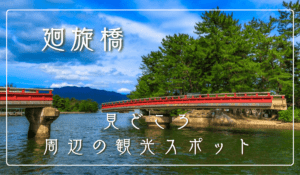
Amanohashidate is a scenic destination in the northern part of Kyoto Prefecture.
About 3.6 km long and covered with roughly 6,700 pine trees, Amanohashidate is well known as a remarkable natural landscape.
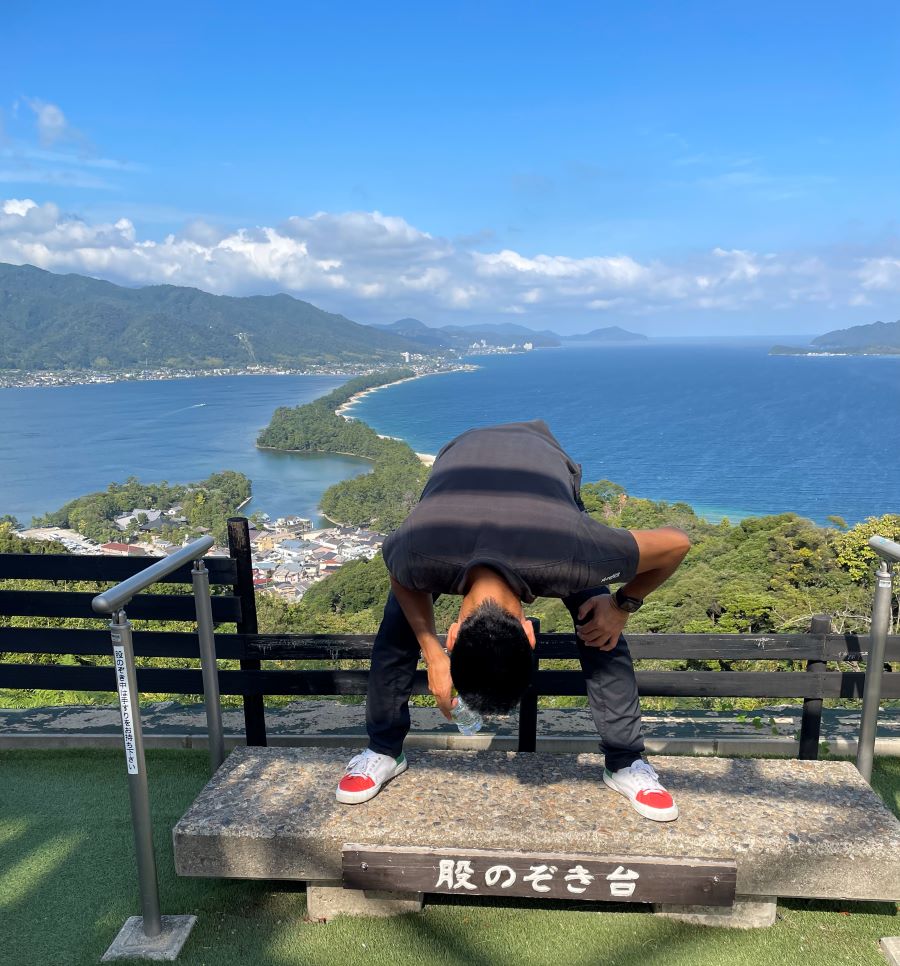
It is one of the Three Scenic Views of Japan and a designated Special Place of Scenic Beauty. Matanozoki — looking at the view upside down through your legs from Amanohashidate View Land or Kasamatsu Park — is the classic way to enjoy it, but the area has other attractions as well.
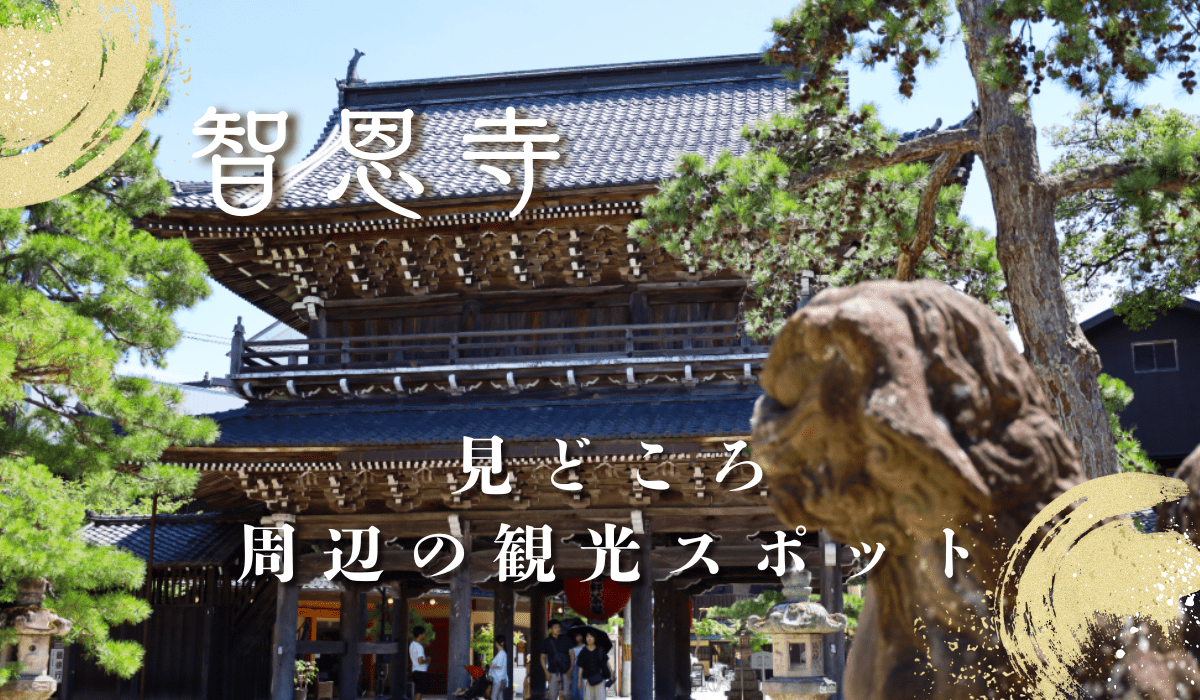
This article introduces the highlights of Chion-ji Temple, known formally as Tenkyozan Chion-ji and associated with success in study and passing examinations, along with nearby sightseeing spots and how to get there.

What Is Chion-ji Temple?
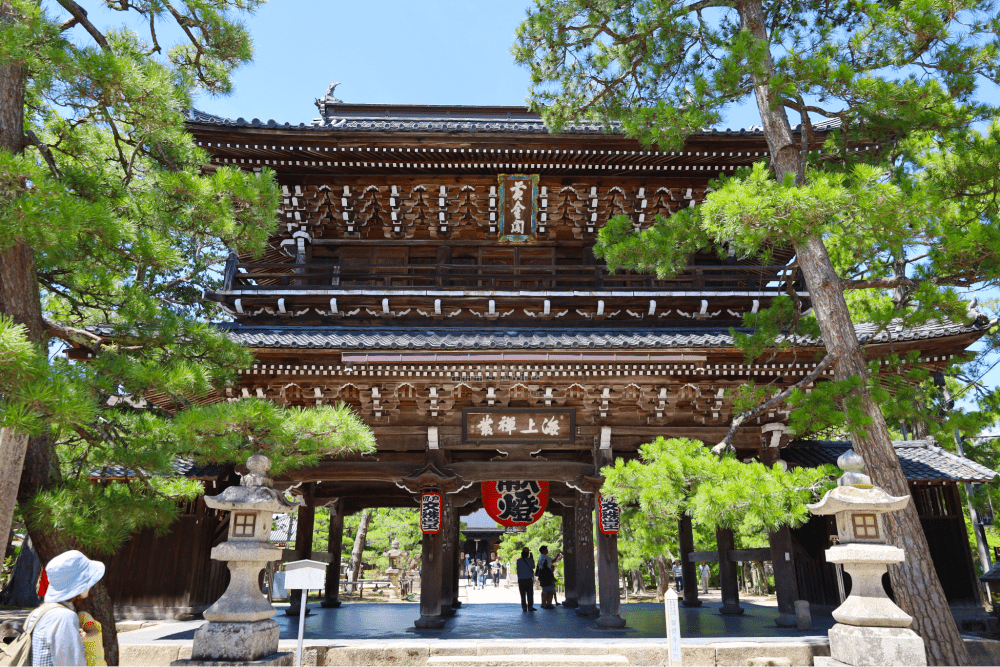
Chion-ji Temple is a good place to visit if you are studying for something important.
It enshrines Monju, the bodhisattva named in the Japanese proverb “Three people together have the wisdom of Monju”, and its main hall, Monju-do, attracts many students preparing for examinations.
The proverb means that when three people put their heads together, they can arrive at ideas as wise as those of Monju Bosatsu.
Three temples in Japan are known collectively as the Nihon San Monju, the country’s three principal centers of Monju worship.
Chion-ji Temple is one of them.
Monju is short for Monju Bosatsu, the bodhisattva of wisdom. In Buddhist terms, this wisdom means the ability to perceive and judge things correctly.
In other words, Monju Bosatsu is worshipped not only for success in study and examinations, but also when you want to make the right decision.
Highlights of Chion-ji Temple
Important Cultural Properties, Including a Hidden Buddha Shown Only a Few Times a Year
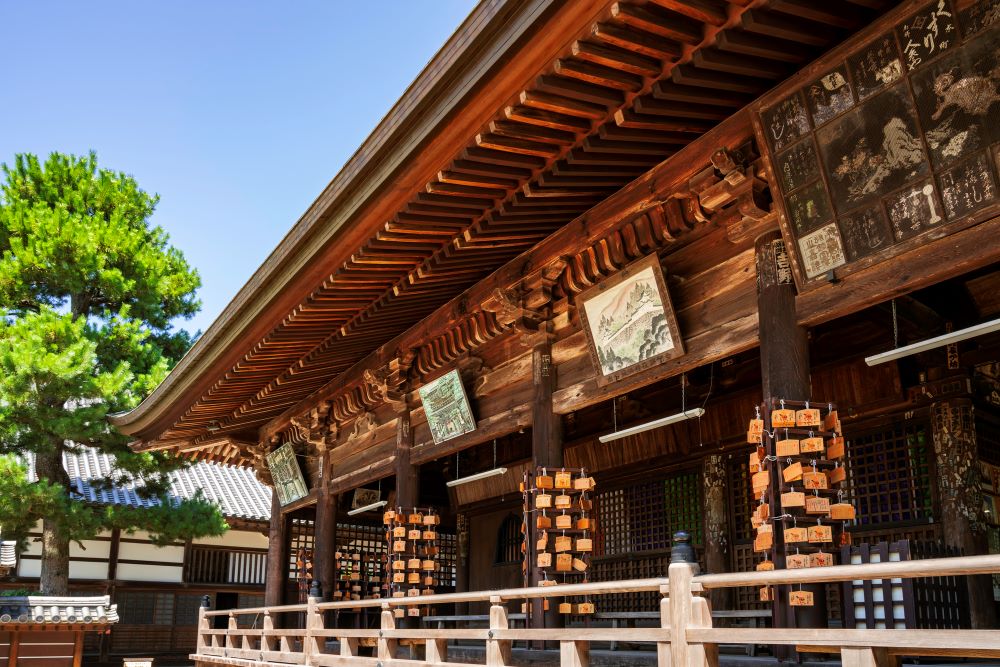
Chion-ji Temple has many buildings, statues and hidden Buddhist images designated as Important Cultural Properties.
The Sanmon gate at the entrance, for example, is known as Ogonkaku and is a Kyoto Prefecture designated cultural property.
The Monju Bosatsu enshrined in the main hall, Monju-do, is both an Important Cultural Property and a hidden Buddhist image that is shown only a few times a year.
These are rare opportunities to see the statue, so it is worth planning your visit around one of these dates if you can.
There are Important Cultural Properties throughout the temple grounds.
One is the tetsu-yubune, an iron basin now used as a water basin for purifying your hands and mouth before praying. It was originally used as a bathtub.
The Tahoto pagoda, which appears in Amanohashidate-zu, a well-known ink painting by Sesshu, is also designated an Important Cultural Property and conveys the temple’s long history.
Suehiro Sensu Mikuji: Fortune Slips Shaped Like Folding Fans
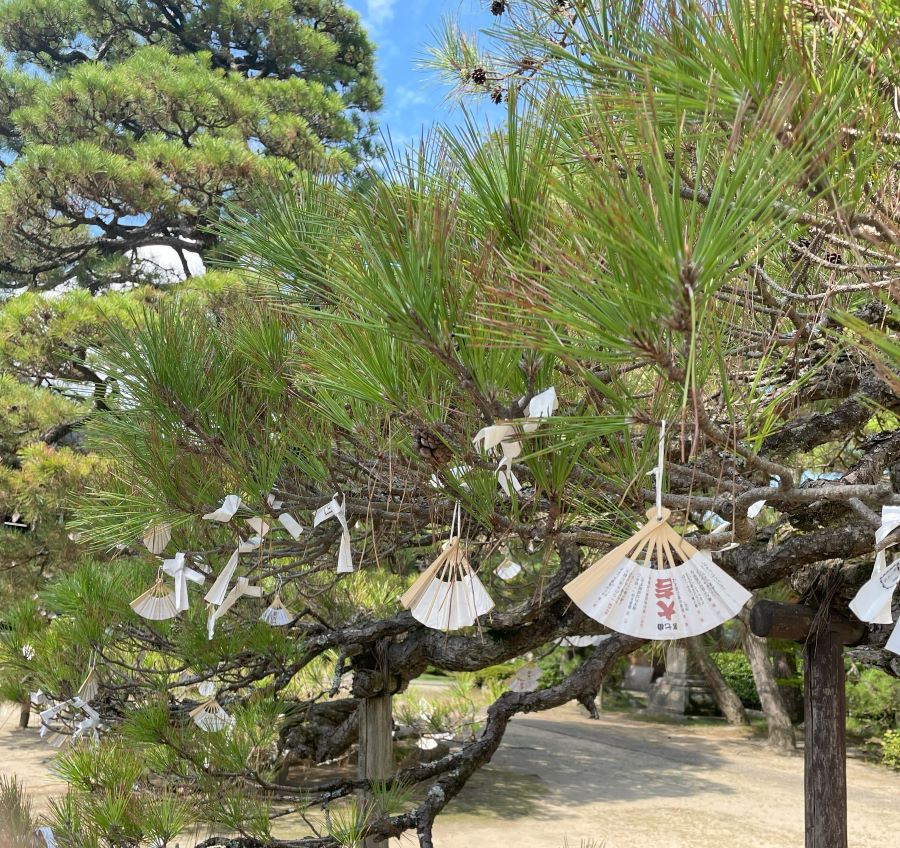
Many suehiro sensu mikuji are tied to the pine trees in the temple grounds.
These are fortune slips shaped like folding fans, and you open the fan to read your fortune. Tied throughout the grounds, they look like flowers in bloom.
Look closely and you will see fortunes such as chukichi (middling luck), shokichi (small luck) and daikichi (great luck) written on them.
As the name suehiro suggests — “spreading out toward the end” — the widening shape of the fan represents happiness and prosperity that continue without end.
Hung upside down, the fans are considered auspicious, and many visitors tie theirs to the pine trees after reading their fortune.
Chie no Wa Toro: Make a Wish at the Wisdom Ring Lantern
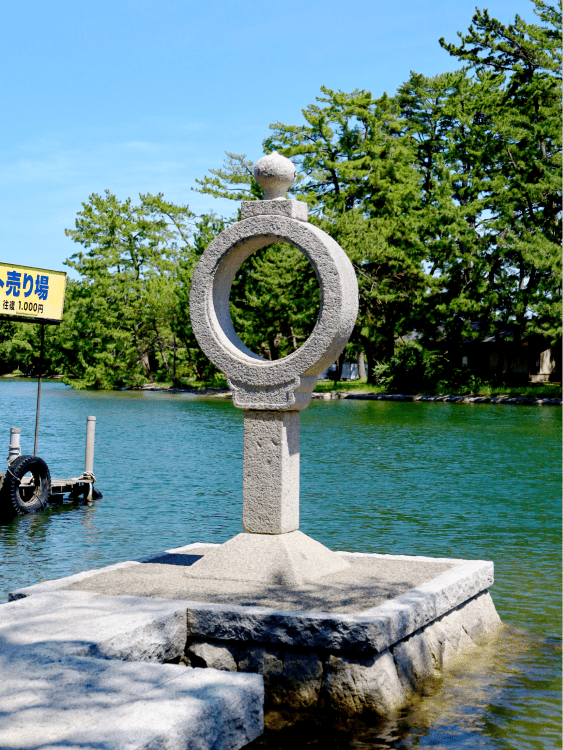
The Chie no Wa Toro, a stone lantern next to Chion-ji Temple, is said to have once been lit to call the dragon god.
It is also said that passing through the ring grants you the wisdom of Monju, and visitors can be seen walking around it three times.
Working out how to make your three circuits is part of the experience.
| Chion-ji Temple Address: 466 Monju, Miyazu, Kyoto Prefecture Tel: 0772-22-2553 Hours: Open at all times for worship Parking: 8:00–17:00 Closed: No regular closing days Official website: https://www.monjudo-chionji.jp/ |
How to Get to Chion-ji Temple
Chion-ji Temple is on the Monju side, where Amanohashidate Station and Amanohashidate View Land are located.
It is a 5-minute walk from Amanohashidate Station, and its easy access and many things to see make it popular with visitors.
Approximate travel times to Amanohashidate from Kyoto, Osaka and Tokyo are shown below.
Travel Times to Amanohashidate Station
| Highway bus | Train (limited express) | Car | |
| From Kyoto | Approx. 2 hr 15 min | Approx. 2 hr | Approx. 1 hr 30 min |
| From Osaka | Approx. 2 hr 50 min | Approx. 2 hr 30 min | Approx. 2 hr |
| From Tokyo | Approx. 4 hr 30 min (Shinkansen + highway bus) | Approx. 4 hr 25 min (Shinkansen + limited express) | Approx. 6 hr 30 min |



Sightseeing Spots Near Chion-ji Temple