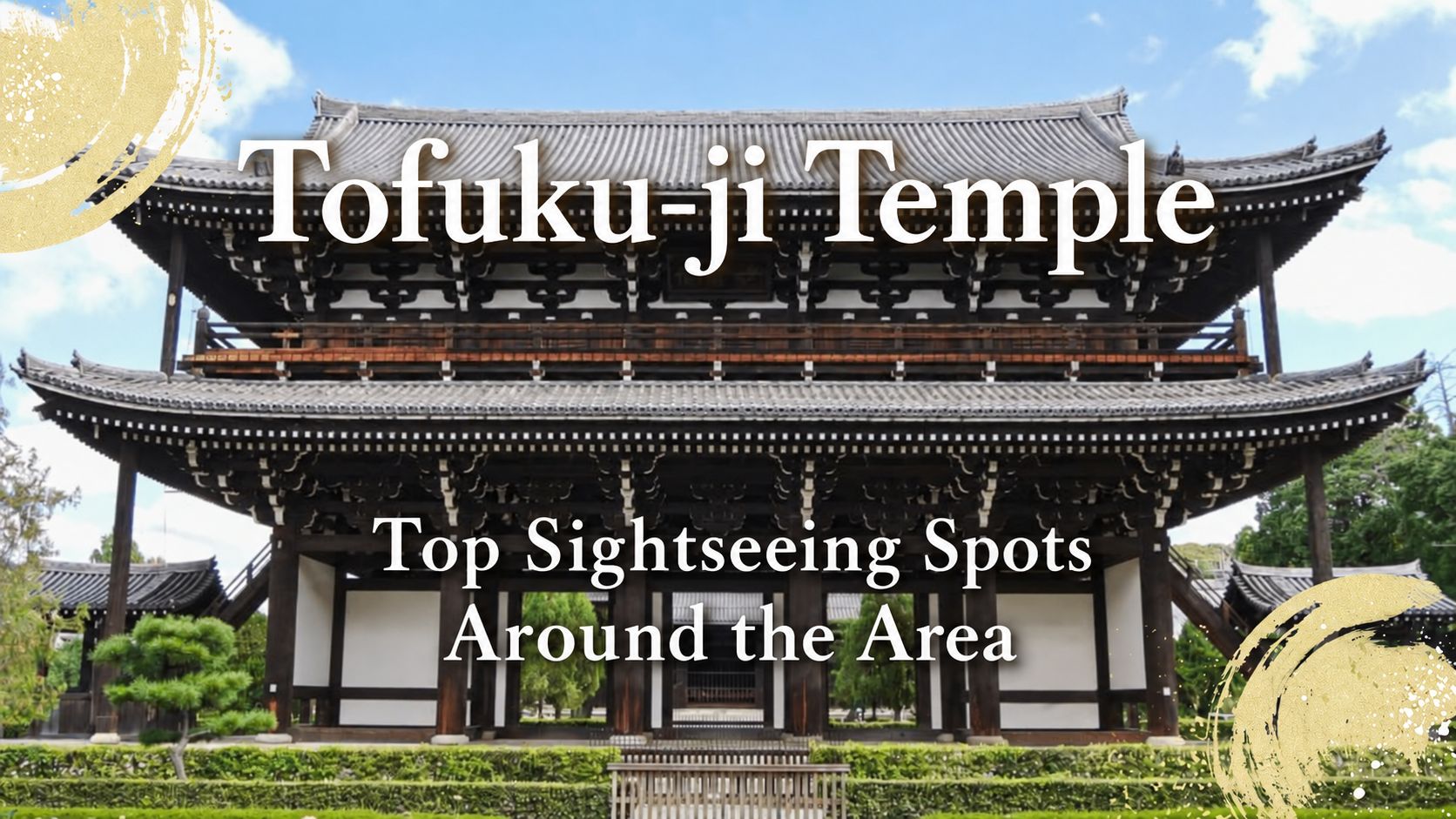
Tofuku-ji stands in the southern part of Kyoto.
It is one of the principal temples of the Rinzai school, and is known for having the largest temple complex in Kyoto.
Fire destroyed much of it more than once during and after its construction. What stands today keeps the austere character of a Zen temple and the quality of its wooden architecture.
This article covers what to see at Tofuku-ji, how to get there, and the sights in the surrounding area.
It also includes the special program that opens Important Cultural Properties not normally shown, the early-morning and evening openings during the autumn leaf season, the illuminations, and the zazen sessions.
If you are interested in historic temples or in trying Zen practice, this is a temple to put on the list.
Note: the complex here refers to the temple’s main buildings as a group.
About Tofuku-ji
Tofuku-ji was founded in the early Kamakura period by Kujo Michiie, a court noble who held the highest office at the imperial court.
He set out to build the largest temple complex in Kyoto, modeled on two great temples in Nara — Todai-ji and Kofuku-ji — and took one character from each for the name.
Construction began in 1236. Fire struck three times before it was finished, destroying most of the buildings, and the temple was finally completed as a full Zen monastery about twenty years later.
The buildings convey how Zen monks lived in the Muromachi period, and the temple ranks high among Zen monasteries.
Enni Benen, its founding priest, was the first Zen monk in Japan to receive the title Shoichi Kokushi, the highest honor for a priest. He also brought back from Song China the tea stock that became Shizuoka tea, now the largest tea-producing area in Japan.
What to See at Tofuku-ji
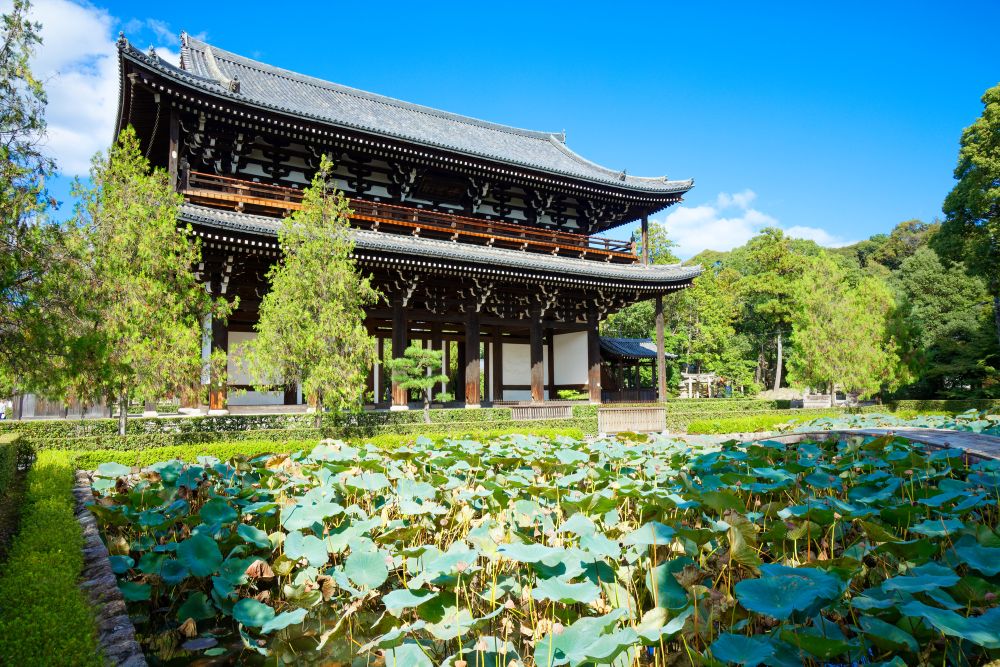
The scale of the complex is what strikes you first.
The Sanmon gate, a National Treasure, the main hall, and the Tsutenkyo bridge leading to the founder’s hall are among the main things to see.
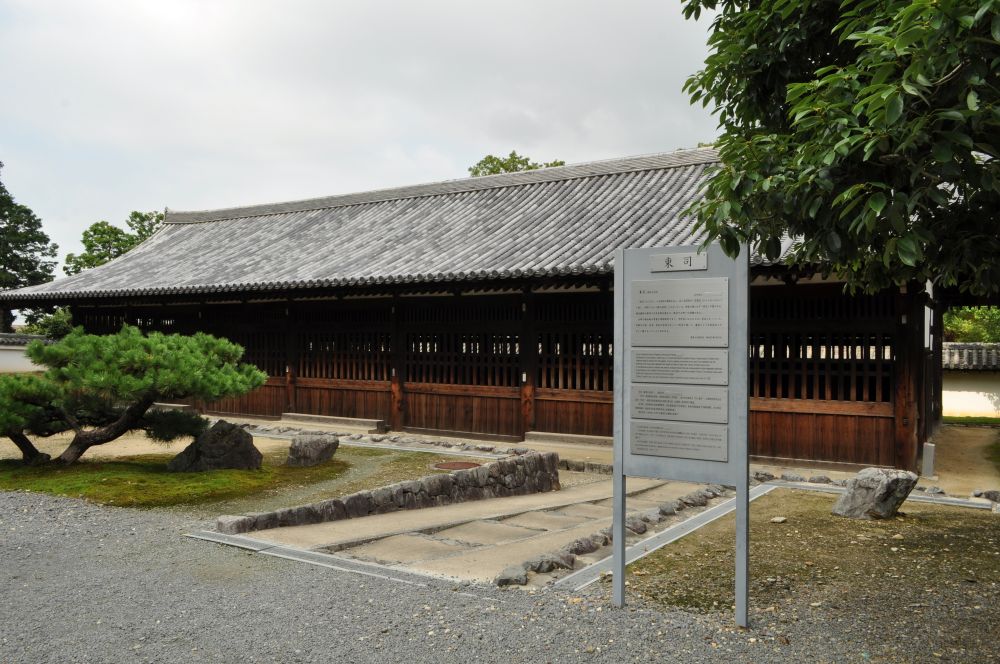
The tosu and the bathhouse on either side of the Sanmon also show the character of Zen architecture.
Tosu is the term for a toilet at a Zen monastery.
Zen practice removes anything unnecessary, so a large tosu was placed next to the meditation hall, allowing many monks to use it at once in a short time.
More than a hundred monks would use it between periods of practice, which is why it was nicknamed hyakusecchin, the hundred-seat privy.
The tosu at Tofuku-ji is the oldest surviving toilet in Japan, and the bathhouse is the second oldest after the one at Todai-ji in Nara. Both are Important Cultural Properties.
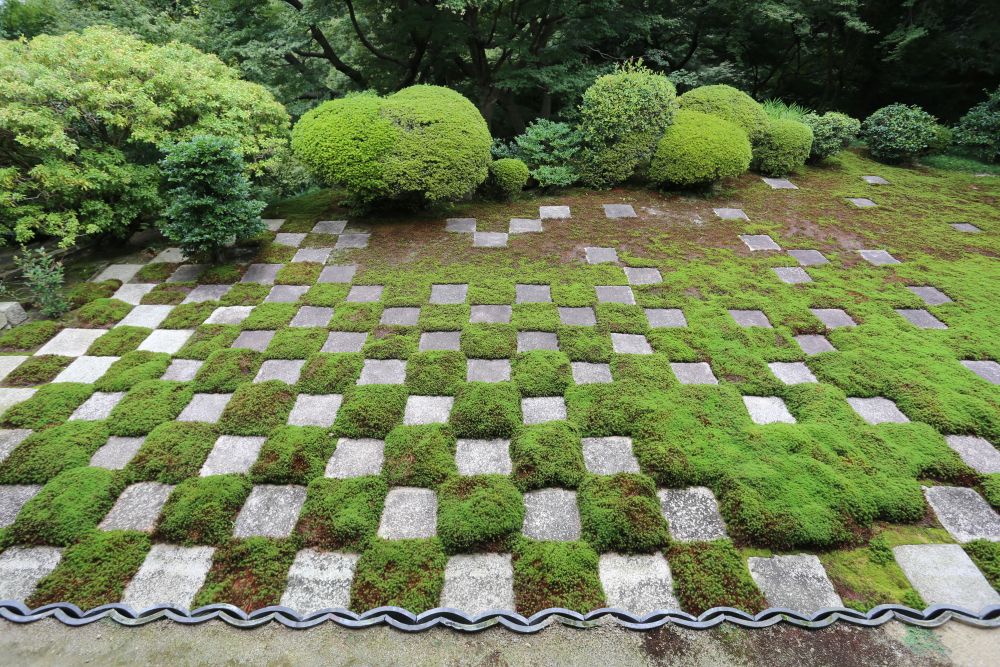
The Hojo gardens surround the abbot’s quarters on all four sides, and combine the traditional dry landscape style with patterns such as a checkerboard.
The design is modern and unusual for a temple garden, and it is designated a National Site of Scenic Beauty.
Allow one to two hours for a visit.
Events: Special Openings, Evening Viewings and Zazen Sessions
Along with the autumn leaf season, Tofuku-ji holds special openings, evening viewings reserved for small groups, and Sunday zazen sessions through the year.
Among them, the Treasures of Tofuku-ji tour, limited to five groups a day, is a rare chance to see Important Cultural Properties that are otherwise closed to the public.
The Treasures of Tofuku-ji Tour, Limited to Five Groups a Day
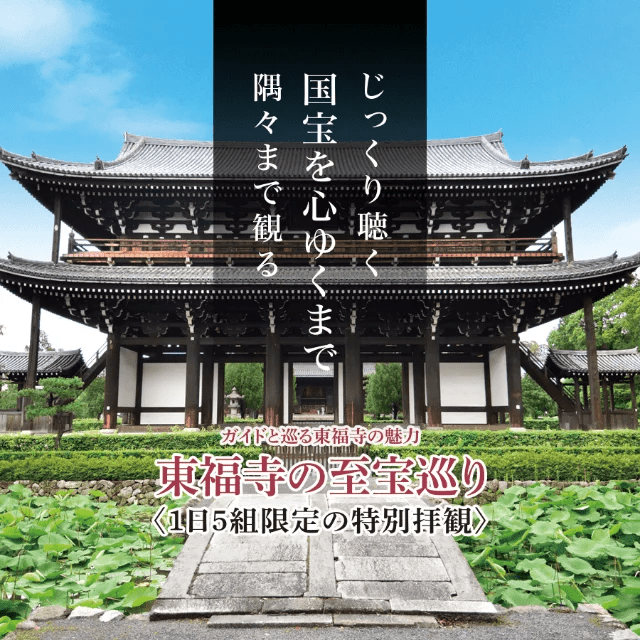
A member of the temple staff guides you through buildings and treasures that are normally not open.
Opportunities to see these properties are few. If you are interested in Buddhist sculpture or temple architecture, it is worth joining.
The tour covers five places.
Komyo Hoden (Important Cultural Property, normally closed) · Zendo meditation hall (Important Cultural Property, normally closed) · Main hall (normally closed) · Hojo abbot’s quarters (open to the public; matcha is served at the Honbo Kuri) · Tsutenkyo bridge (open to the public)
Tofuku-ji draws on esoteric Buddhism as well as Zen, so it holds many Buddhist images of esoteric origin. Komyo Hoden, normally closed, houses five images designated Important Cultural Properties.
The Zendo, the largest and oldest meditation hall in Japan, is also an Important Cultural Property that is normally closed.
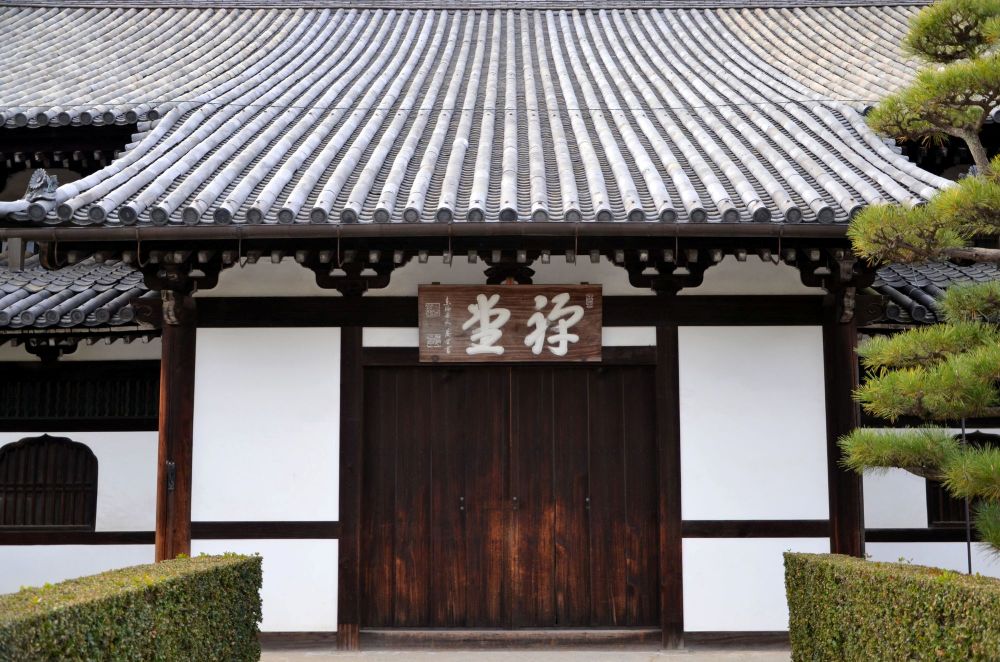
It is also called Senbutsujo, the place where buddhas are chosen, and it served as the hall where monks in training sat in meditation.
The other hall normally closed to the public is the main hall, which serves as both Buddha hall and lecture hall. It is built in a formal two-tiered hip-and-gable style, and a blue dragon is painted on the ceiling.
No guide accompanies you at the Hojo and Tsutenkyo, so you can take your time with the gardens and the bridge.
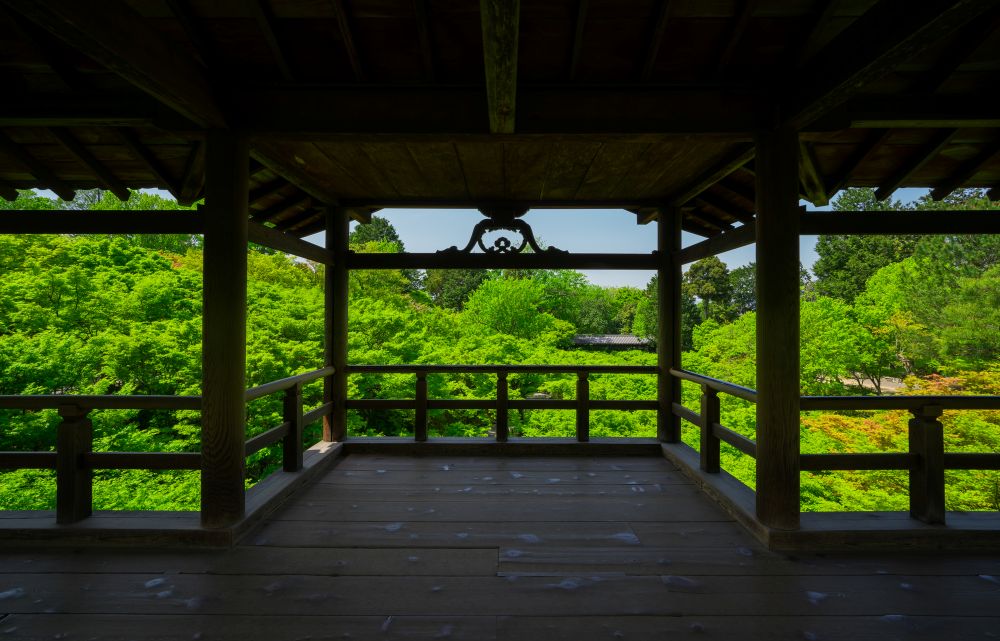
Maples fill the area around Tsutenkyo. They are worth seeing in the autumn, and the fresh green of spring and summer is striking as well.
Treasures of Tofuku-ji tour · Meeting point: Tofuku-ji Hojo · Start times: 9:00, 10:30, 12:00 and 13:30 · Duration: about three and a half hours · Dates: year-round, suspended from late October to mid-December, and sometimes during Golden Week, the Obon period and the New Year holidays · Capacity: five groups a day; groups of five or more, or very small groups, may be guided together · Fee: 5,000 yen per person · Reservations: 075-561-0087, accepted until 13:30 on the day · The tour is conducted in Japanese only. Check the official website for current details.
Autumn Leaves: Early-Morning and Evening Viewings for Small Groups
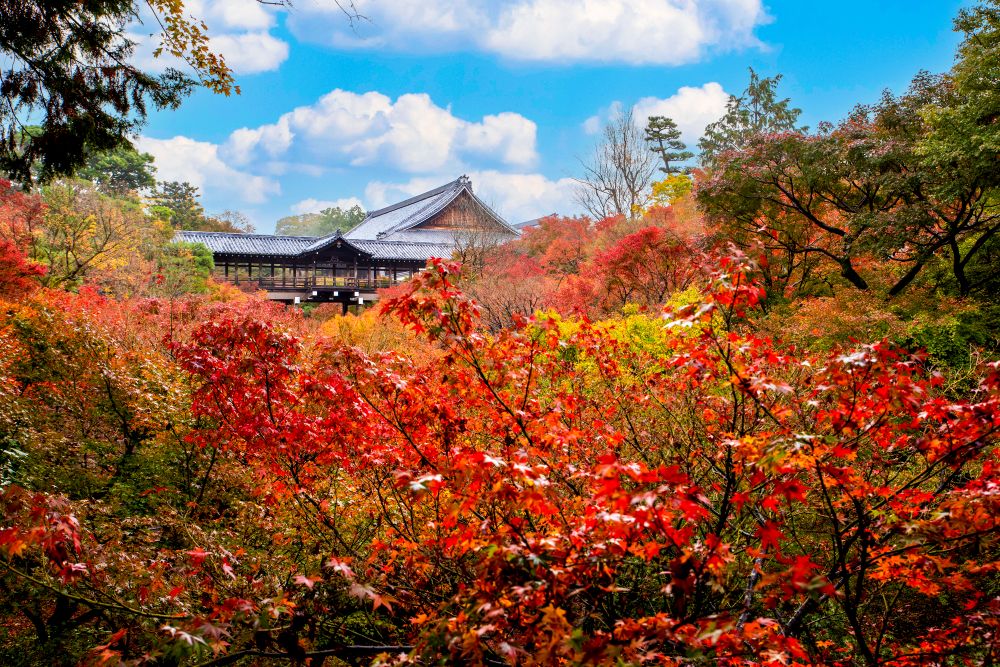
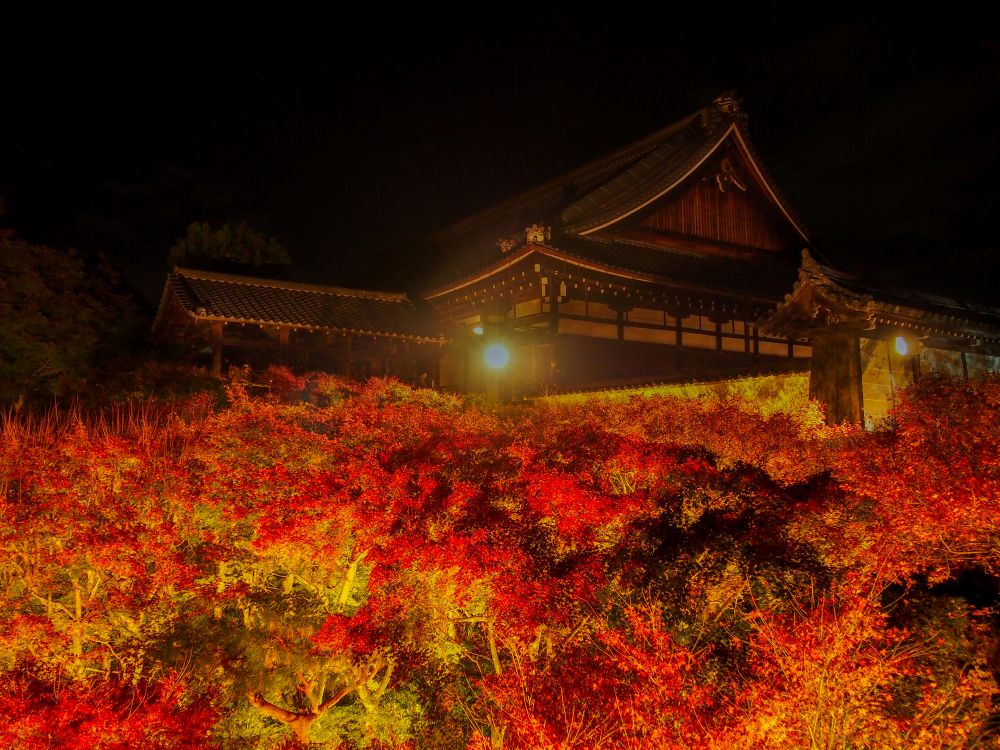
The autumn leaves at Tofuku-ji are at their best from November into early December. Roughly 2,000 maples line the route from the Sanmon gate past the main hall and across Tsutenkyo to the founder’s hall.
An early-morning viewing for small groups is usually held for about two weeks from the middle of November.
Even at the height of the season the early morning is comparatively quiet, so it is the time to come if you want to take the leaves in slowly.
The leaves are worth seeing after dark as well.
During the evening viewing, the illuminated maples can be seen from the Tsutenkyo area and the lecture hall. Both the morning and the evening are worth the trip.
The areas opened vary from year to year.
Early-morning viewing for small groups · Period: usually about two weeks from mid-November · Hours: 7:30–8:30 a.m. (last entry 8:00) · Reception: in front of the Nikkamon gate · Areas open: the Tsutenkyo area and the lecture hall · Details: https://tofukuji.jp/special_event/morning_viewing/
Evening viewing for small groups · Period: usually from mid-November to around the start of December · Hours: 5:30–7:30 p.m. (last entry 7:00) · Reception: in front of the Nikkamon gate · Areas open: the Tsutenkyo area and the lecture hall · Details: https://tofukuji.jp/special_event/night_viewing/
Sunday Zazen Sessions, Held from June to September
Work and daily life can leave the mind unsettled, and emptying it is not easy when there is always something to think about.
That is what the zazen sessions are for.
The character za in zazen is written with two people on the ground, which is explained as one self in conversation with another.
Sitting with yourself in meditation is the basic practice of Zen, and these sessions are a way to try it.
One participant described letting stray thoughts pass until the body felt like something borrowed in order to exist in physical form, with a sense of being connected to something larger behind it.
It is worth going to see what the experience is like.
Sunday zazen session · Held every Sunday, except when a memorial service is scheduled · Hours: 6:30–7:00 a.m. · Place: the main meditation hall · Please arrive and be seated at least ten minutes before the start · Wear loose clothing; short skirts and tight trousers are not suitable · Avoid hooded tops, which get in the way if the keisaku stick is used · Check the official website for the current schedule.
Getting to Tofuku-ji
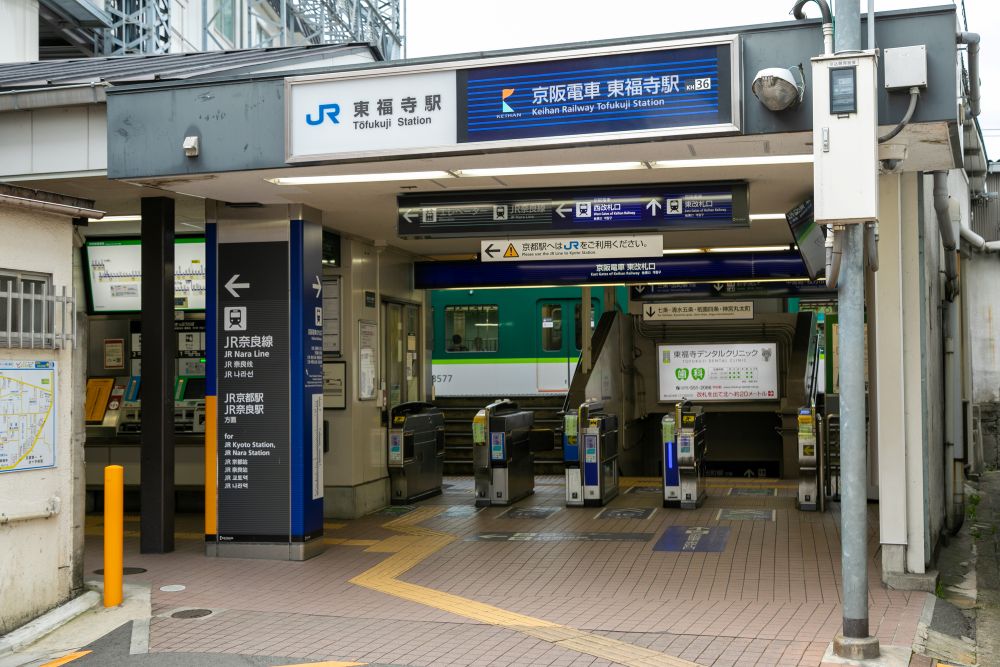
Tofuku-ji can be reached by train or by bus.
By train, the Keihan Line, or the JR and municipal subway lines, both work well. From Tofukuji Station it is about a 10-minute walk.
By bus, take a Kyoto City Bus and get off at the Tofukuji stop, then walk four minutes.
The ride from Kyoto Station is slightly shorter, but that bus fills up quickly; boarding at Shijo-Kawaramachi, Higashiyama-Sanjo or Gion is usually less crowded.
| Tofuku-ji Address: 15-778 Honmachi, Higashiyama-ku, Kyoto, Kyoto Prefecture Hours: 8:30 a.m.–4:00 p.m. (varies by season; see the official website) Official website: https://tofukuji.jp/ |

Sights Nearby
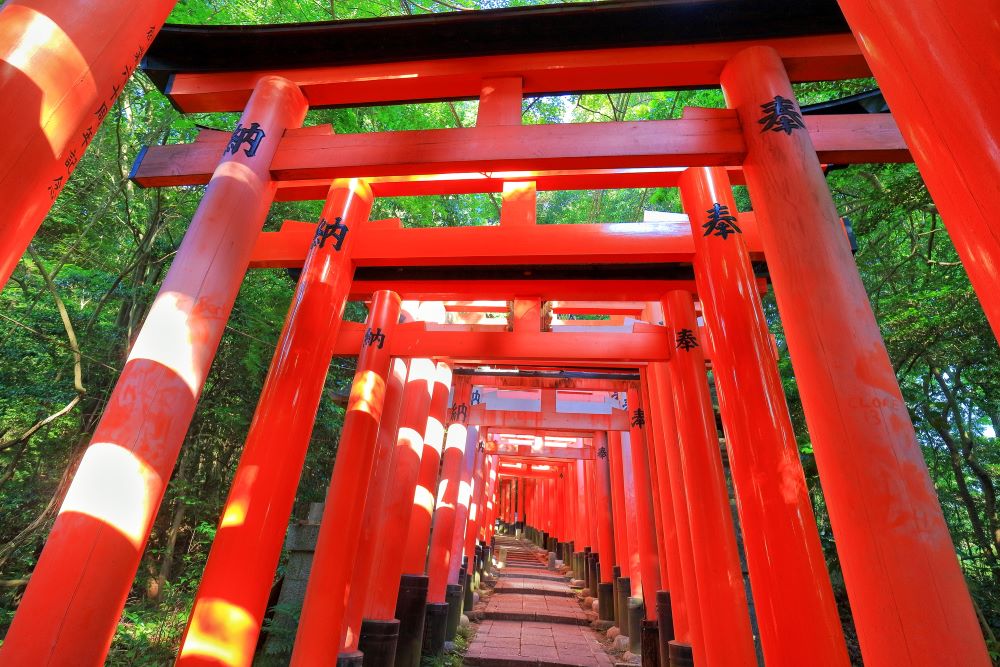


Near Tofuku-ji are Fushimi Inari Taisha, known for the rows of vermilion torii gates, and Sanjusangen-do, which houses more than a thousand statues of Kannon.
With that many temples and shrines in one area, it helps to have somewhere to sit down afterward and take it all in.
The cafes below are worth knowing about. Most are between Tofuku-ji and Fushimi Inari Taisha, so they fit well if you are visiting both.
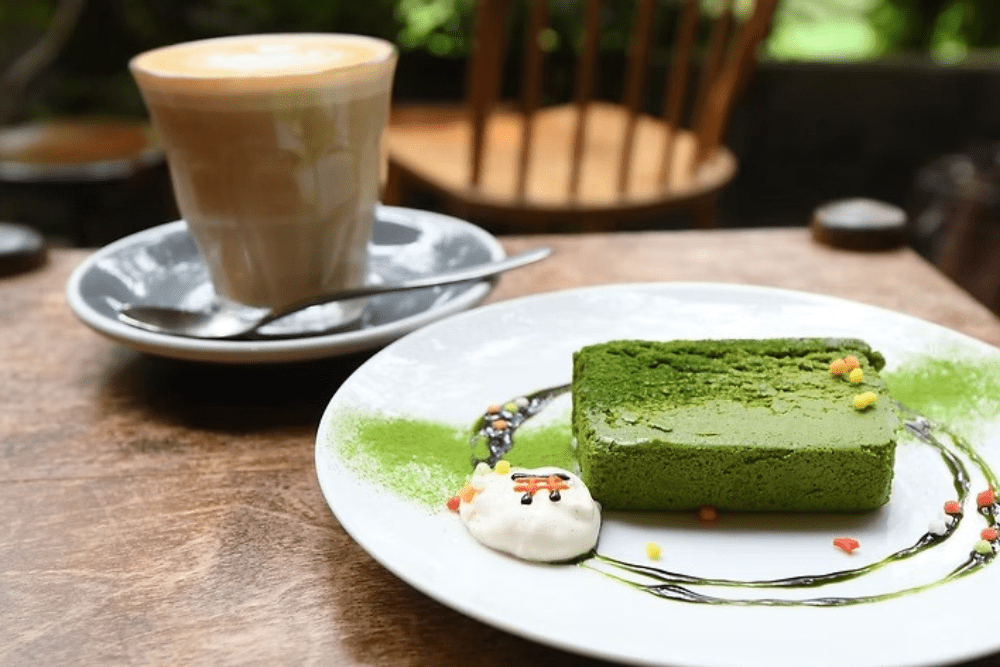
Vermillion — cafe./espresso bar & info. Yakuriki-sha, a shrine on the Inariyama circuit at Fushimi Inari Taisha, is visited by many people who pray there for good health.
Vermillion was opened by the owner of Yakurikitei, which has looked after that shrine for generations. The cafe is modeled on the ones in Melbourne, where the owner spent 18 years. It sits at the foot of Fushimi Inari Taisha, beside Yashimagaike pond.
The menu covers specialty coffee, cakes and baked goods, along with lunch dishes that use plenty of Kyoto produce. Vegan and vegetarian options are available.
▶ Vermillion Image source: https://www.vermillioncafe.com/
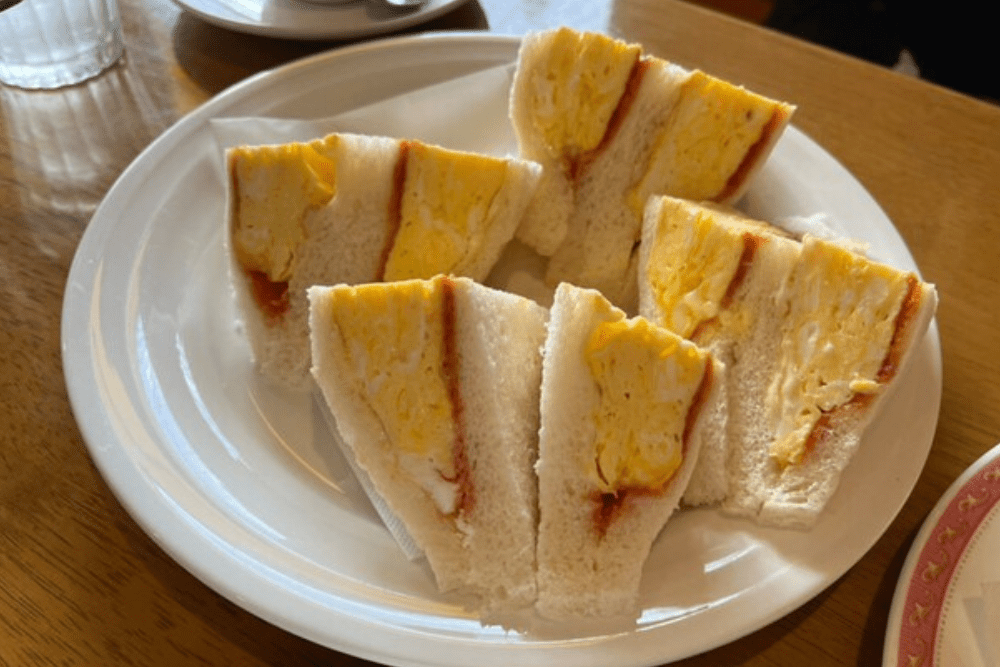
Banff is a neighborhood coffee shop where smoking is permitted.
It serves the egg sandwich that is a Kyoto standard, along with good coffee. It is right by Tobakaido Station, so it works as a stop before walking on to Tofuku-ji or Fushimi Inari Taisha.
▶ Banff Image source: https://tabelog.com/kyoto/A2601/A260601/26031281/