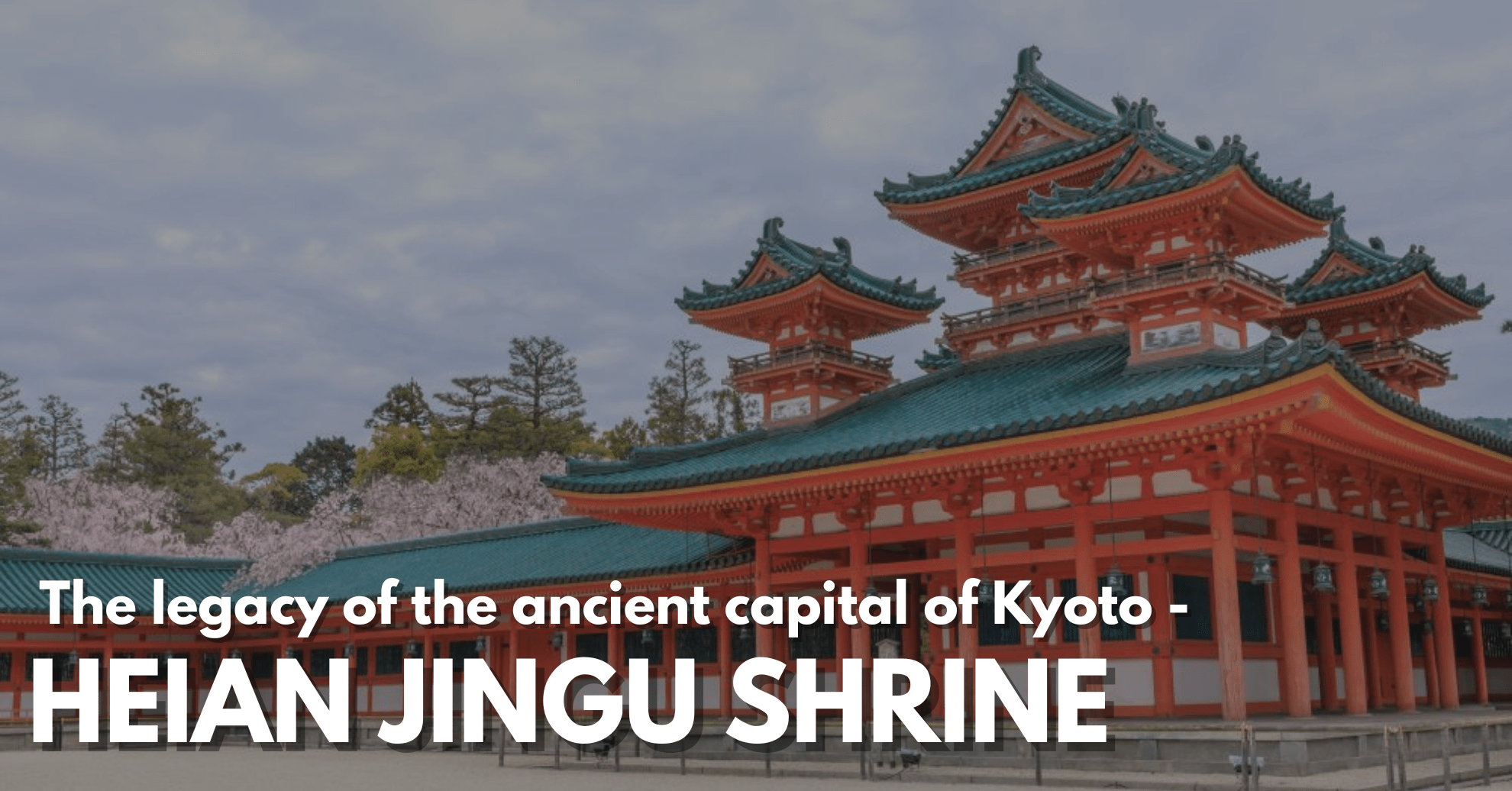
Heian Shrine was built as a symbol of hope for the revitalization of Kyoto.
From 794 to 1192, the Heian period marked over 400 years during which Kyoto flourished as Japan’s political and cultural capital. To honor that history and preserve the beauty of the ancient capital, Heian Shrine was constructed.
In this article, you’ll find highlights of Heian Shrine, how to get there, and recommended nearby attractions. We’ll also cover the limited-time special visit program, so be sure to read this before your trip.
What is Heian Shrine?
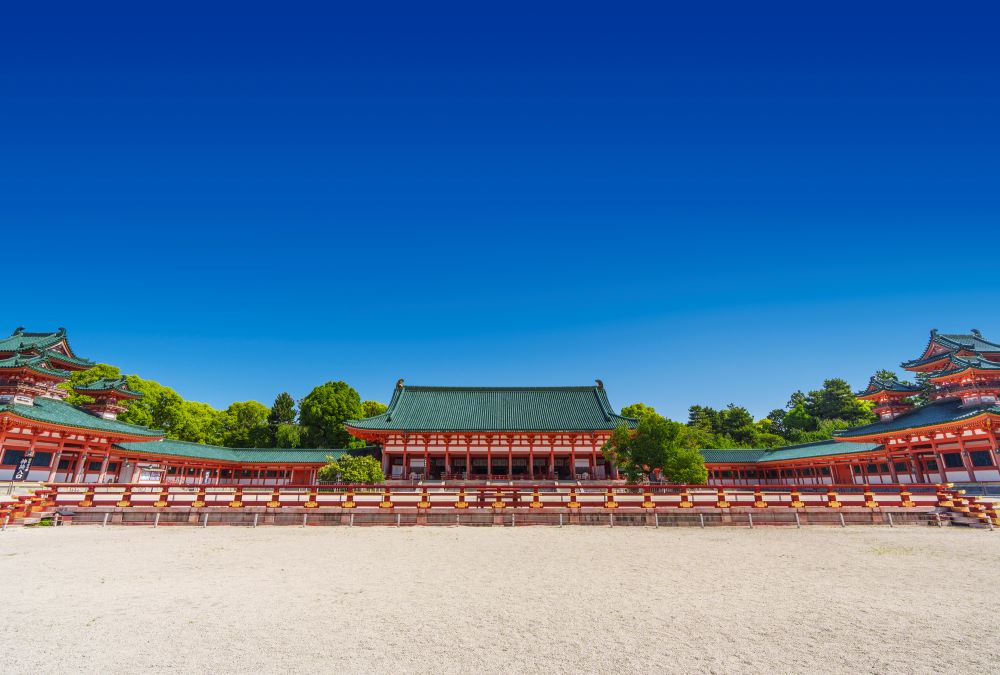
Heian Shrine was built in 1895 to commemorate the 1100th anniversary of Kyoto’s foundation as Heian-kyo, the ancient capital.
After the Meiji Restoration, the imperial capital was moved to Tokyo, and Kyoto faced a period of decline. In response, citizens launched various efforts to restore Kyoto’s prominence in education, culture, and industry.
Heian Shrine stands as a symbol of this cultural revival—an embodiment of tradition meeting modern progress.
Must-See Highlights of Heian Shrine
The shrine’s most iconic features are the bright vermilion main hall (Daigokuden) and the expansive Heian Shrine Garden (Shin’en), which covers about 33,000 m².
The Daigokuden replicates the imperial palace’s ceremonial hall, flanked by the Byakko-ro and Soryu-ro towers, evoking the grandeur of the Heian court.
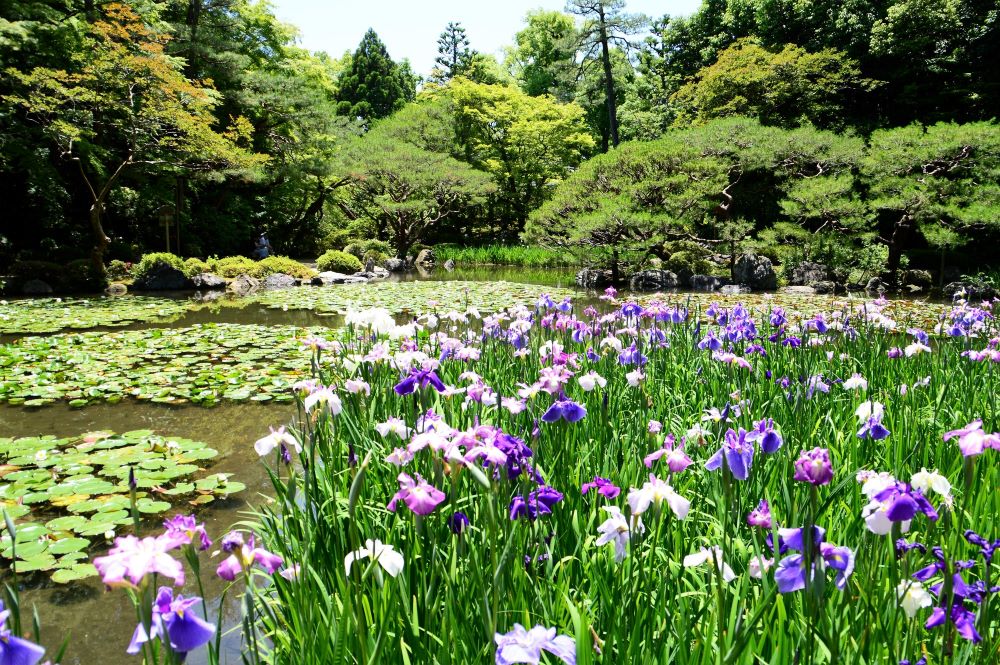
The garden, designed over 20 years by a master landscape architect, is a strolling-style garden with ponds, offering seasonal beauty year-round:
- Weeping cherry blossoms in spring
- Irises and sweet flags in early summer
- Colorful maple leaves in autumn
- Snow-covered serenity in winter
Recommended visit time: 1 to 2 hours.
[Limited-Time] Special Access to Normally Restricted Areas
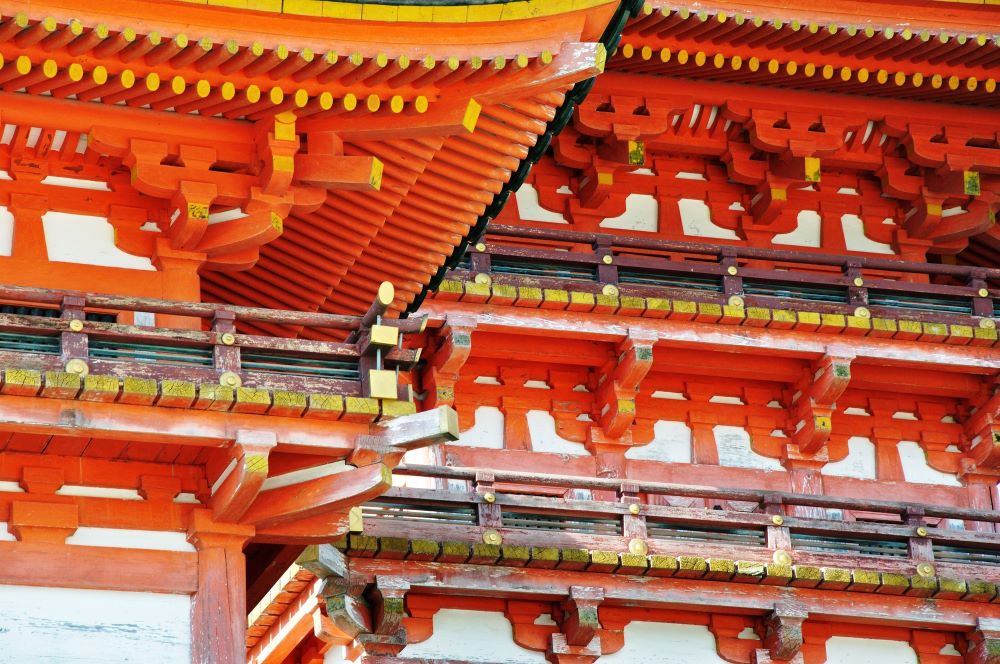
From August 1, 2024, to December 29, 2025, a special visit program is available due to renovation work on the shrine buildings.
You’ll have a rare chance to view one of Japan’s largest Nagare-zukuri style main halls up close. Visitors will also be able to see the protective charm barrier (kimon fuji) built into the main hall’s fence.
If you’re interested in Japanese shrine architecture or limited-time cultural access, don’t miss this exclusive experience. You’ll also receive a commemorative ema (prayer plaque) or amulet card.
Note: Nagare-zukuri is a traditional architectural style introduced in the early Heian period.
Special Visit Program Details
Period: August 1, 2024 – December 29, 2025
(Excludes: Jan 1–7, Feb 2, Mar 15, Apr 15–16, Oct 15–25, Nov 22–24, Dec 25, 30, 31, Jun 15 AM, Jul 15 AM)
Times: 11:00 / 13:00 / 14:00 / 15:00 (approx. 50 mins per tour)
Admission Fee:
Adults: ¥2,000
Children (Junior high & below): ¥1,000
Reservations:
Individual visitors: Register on the day at the Main Hall Office
Groups (20+): Reservation required in advance
Important Notes:
This tour is not wheelchair accessible and includes stairs.
Modest attire is required (no excessive exposure or beach sandals), as the tour includes sacred areas.

How to Access Heian Shrine
From Kyoto Station, you can get to Heian Shrine by bus or subway.
By bus:
Take City Bus No. 5, 100, or 110 (about 30 minutes)
Get off at “Okazaki Koen / Bijutsukan / Heian Jingu-mae”
Walk 1 minute to the shrine
By subway:
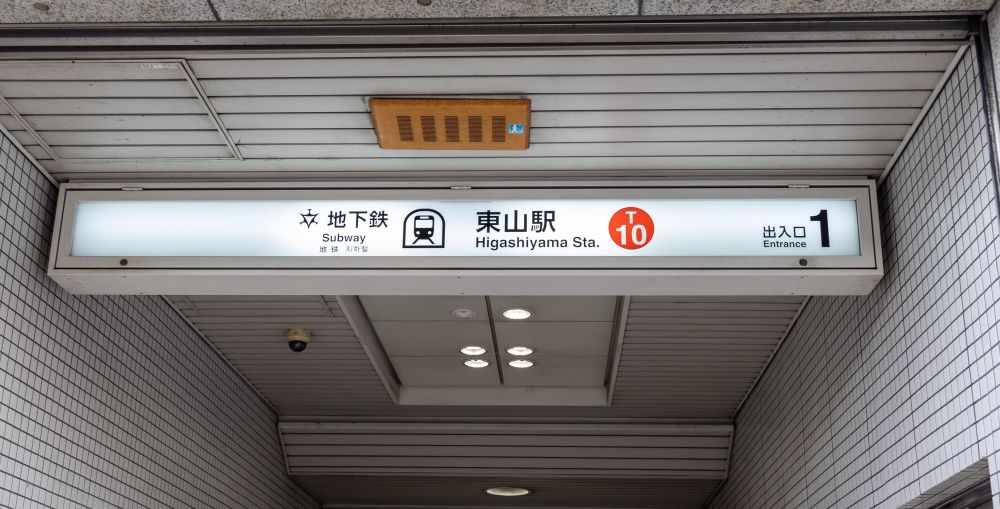
Take the Tozai Line to Higashiyama Station
Exit via Exit 1, then walk about 10 minutes
| Heian Shrine Address: 97 Okazaki Nishitenno-cho, Sakyo-ku, Kyoto Phone: 075-761-0221 Hours: 6:00–18:00 (may vary seasonally—check website) Website: https://www.heianjingu.or.jp/english/ |
Nearby Attractions