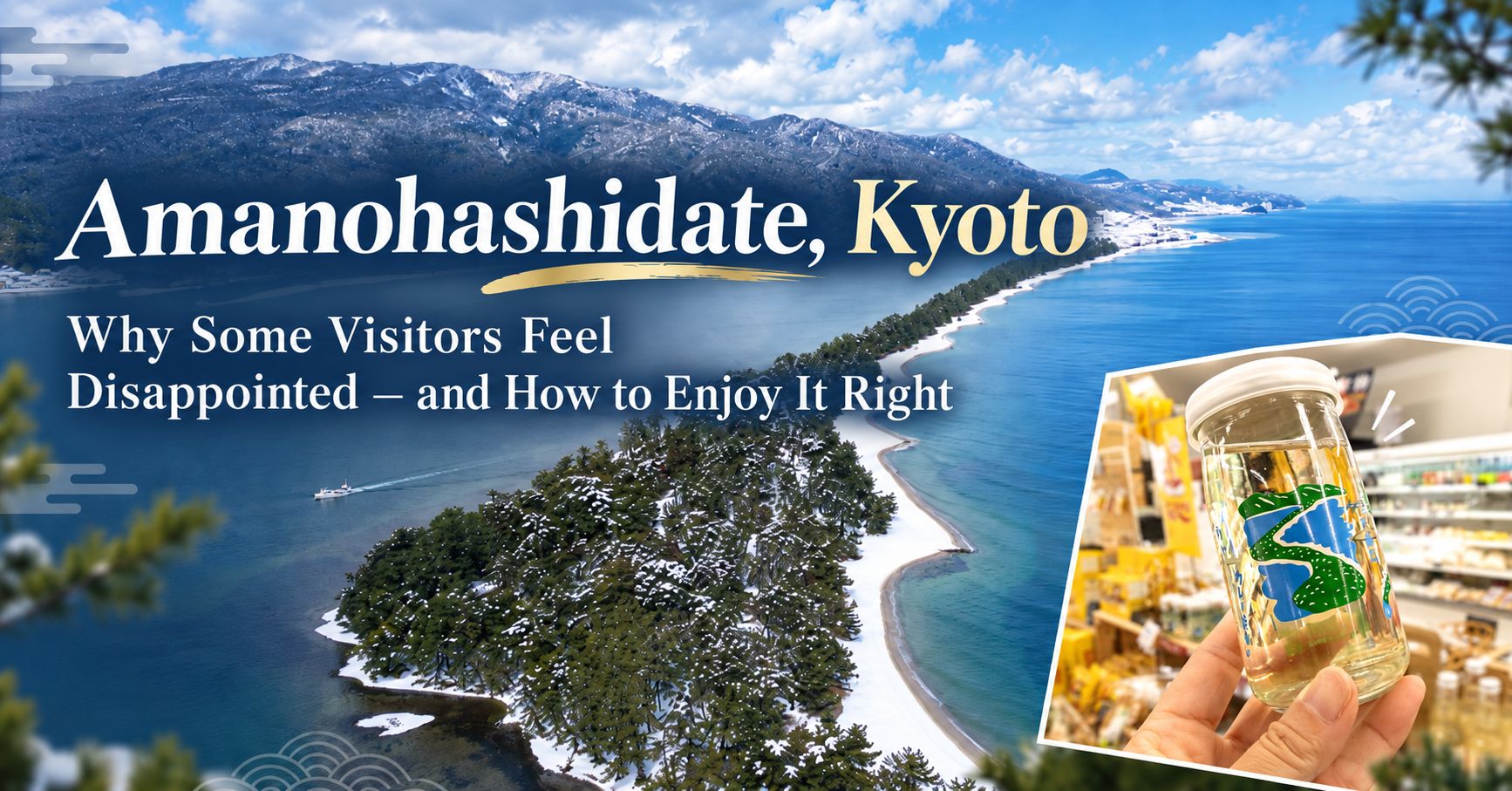
If you search for Amanohashidate, you will see suggestions like “Amanohashidate worth visiting” and “Amanohashidate disappointing.” It is one of the Three Scenic Views of Japan, so is it really a letdown? Will it feel different from what you pictured?
The short answer is that if you come for the scenery and the history, Amanohashidate does not disappoint. What is true is that the viewpoints, the restaurants, and the souvenir shops are spread out.
This guide sets out why some visitors call it disappointing, then covers how to plan a day that avoids that, how to choose a restaurant and souvenirs, and what to expect from access and the seasons.
Contents
Three Reasons People Call Amanohashidate Disappointing
The sights are not gathered in one place
At a large roadside station, souvenirs are lined up and there are restaurants and cafes. Even without research, you can see what to eat and what to buy once you arrive.
Amanohashidate is not laid out that way. The viewpoints, the pine grove, the shrines and temples, the restaurants, and the souvenir shops are scattered a short distance apart. Arriving without a plan often leads to the question, “We have seen the sandbar, so what now?”
The best restaurants and souvenirs are hard to find on the spot
Sushi and kaiseki restaurants, local sake, and fermented foods are not lined up in front of the station. Some restaurants require reservations, and some are a short drive away. This is not an area where you can walk into whatever catches your eye.
A rainy day is hard to replan
The main draw of both Amanohashidate and Ine is scenery. There are few large indoor attractions, so rain in the morning often leads to, “What do we do today?” No planning plus poor weather is where the impression of “less to do than expected” usually comes from.
The Attractions Are Not Missing, Only Spread Out
Two viewpoints, two completely different views
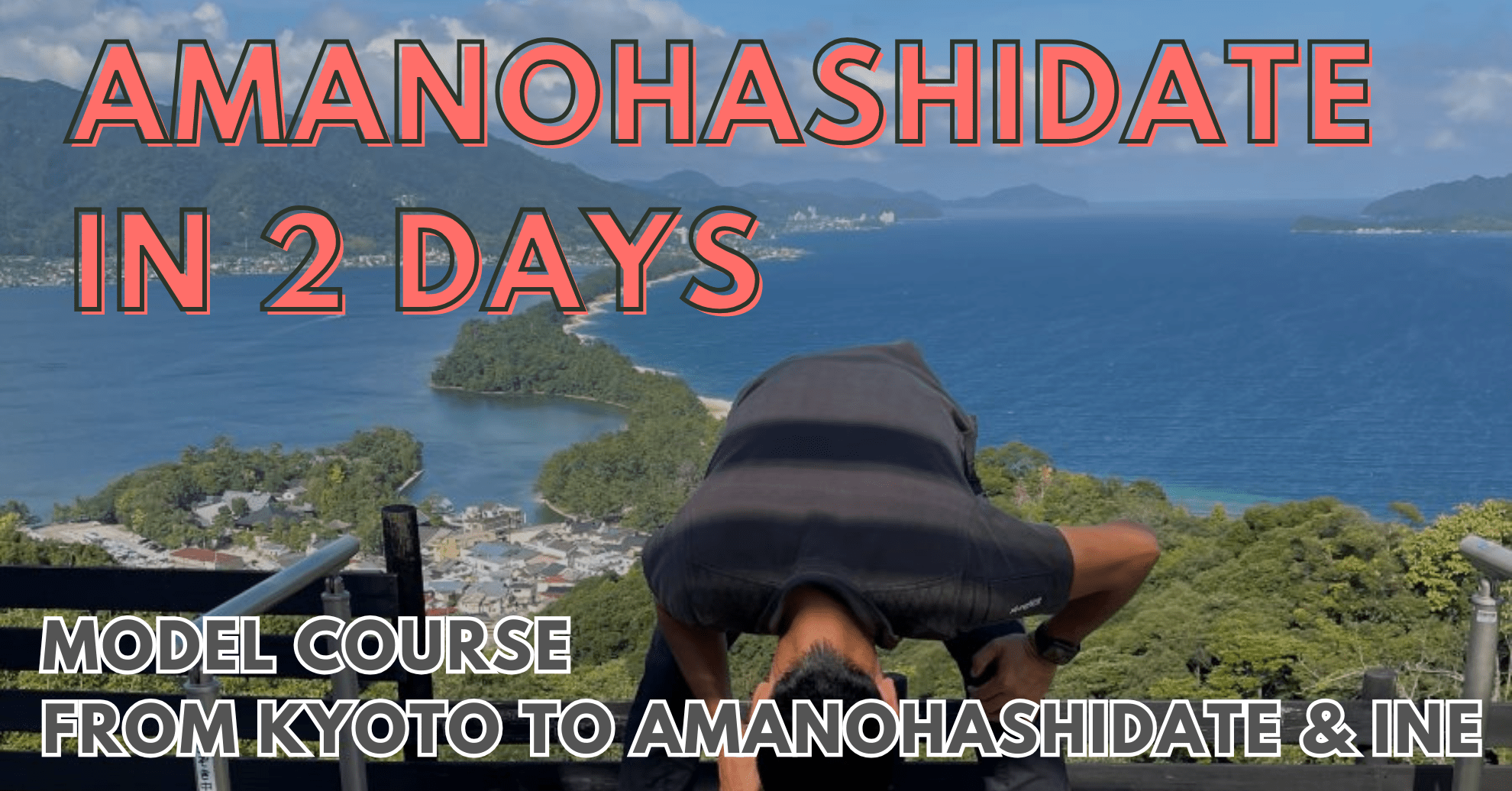
There are two well-known angles here: Hiryukan (the Flying Dragon View) from Amanohashidate View Land, and Shoryukan (the Ascending Dragon View) from Kasamatsu Park. In one the sandbar looks like a dragon rising into the sky, and in the other like a dragon lying across the bay. Many visitors see only one side, but going up to both when you have time gives you a fuller sense of the place.
Amanohashidate View Land
Kasamatsu Park
View
Hiryukan (Flying Dragon View)
Shoryukan (Ascending Dragon View)
Way up
Chairlift or monorail
Cable car (about 4 minutes) or chairlift (about 6 minutes)
Fare
1,000 yen for adults, 500 yen for elementary school students (admission plus round trip)
800 yen round trip for adults, 400 yen for children
Getting there
About a 5-minute walk from Amanohashidate Station
Cross to the north side by sightseeing boat or local bus, then go up from Fuchu Station
The pine grove can be crossed on foot or by bicycle
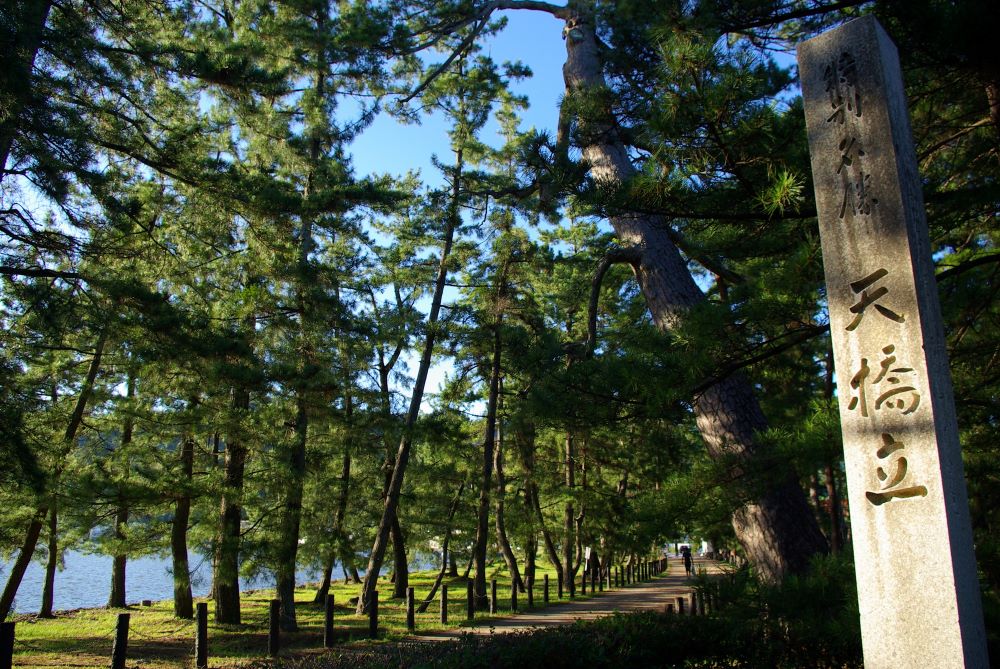
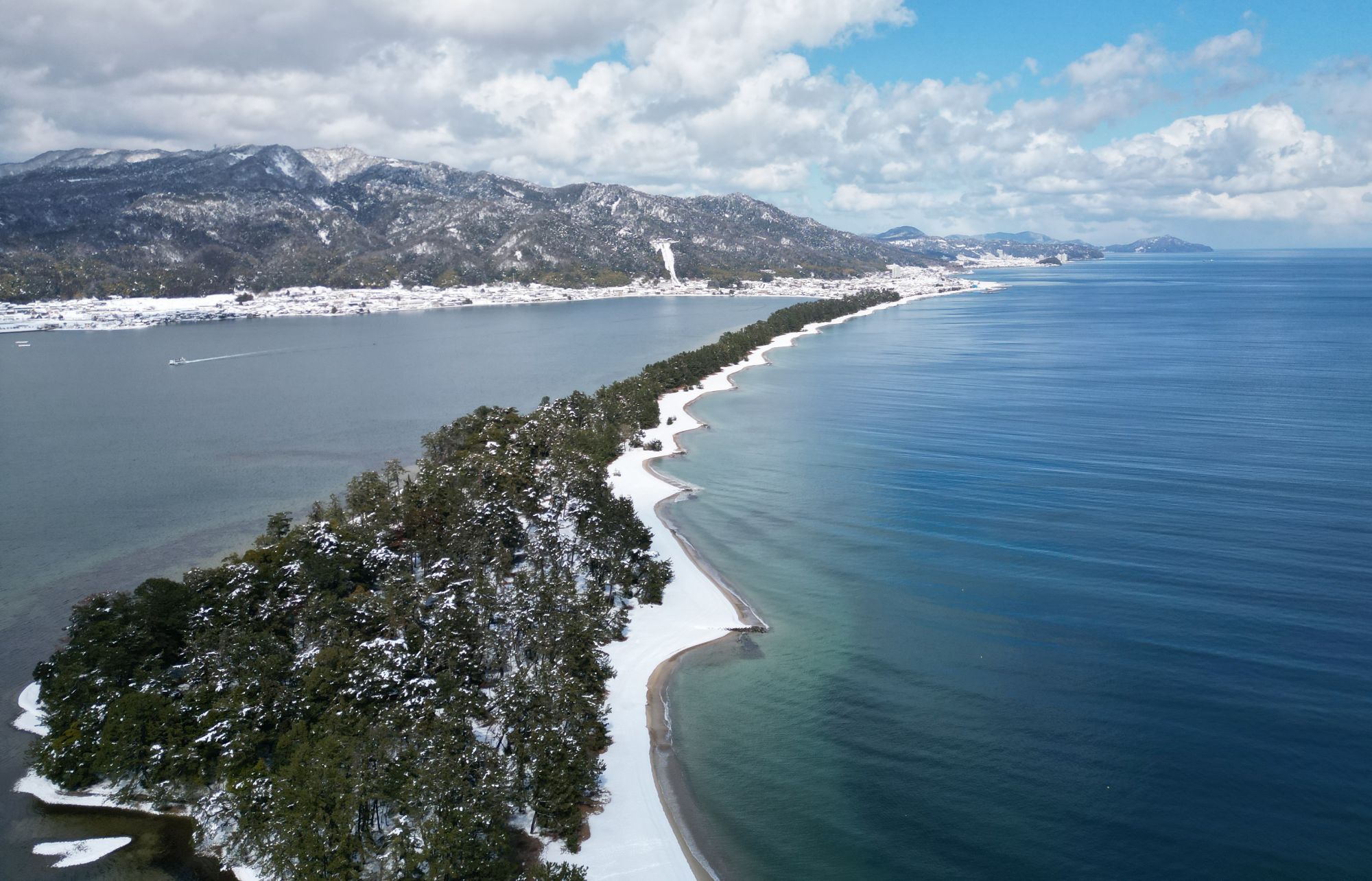
Amanohashidate is a sandbar about 3.6 km long, and you can walk through the pine grove to the other side. Allow about an hour one way, or about 20 minutes by rental bicycle. If you think of it only as a view from above, you miss the part where you cross it.
The shrines and temples reward an interest in history
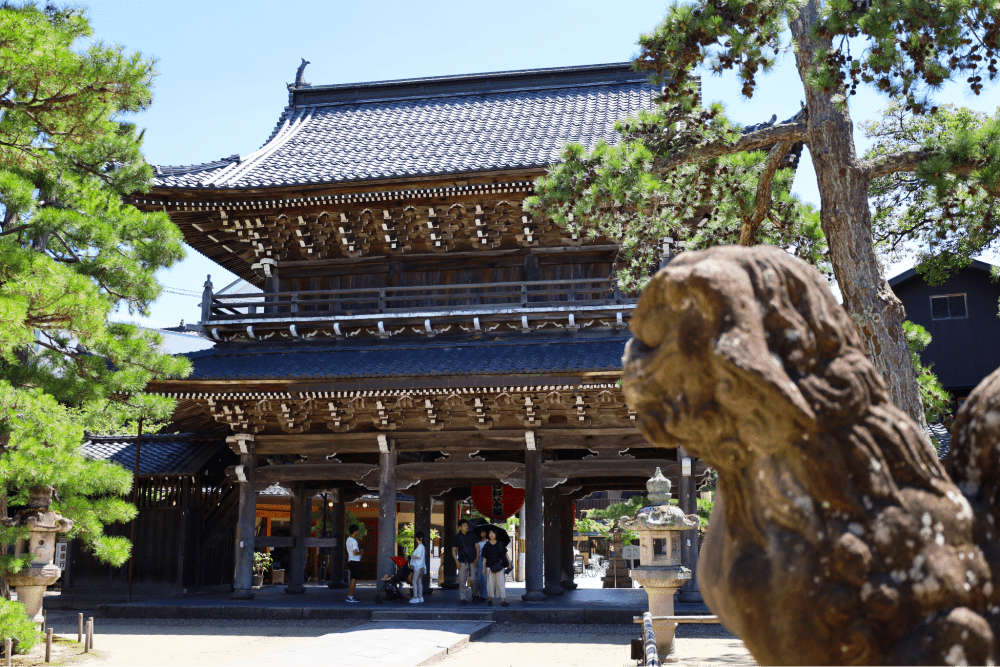
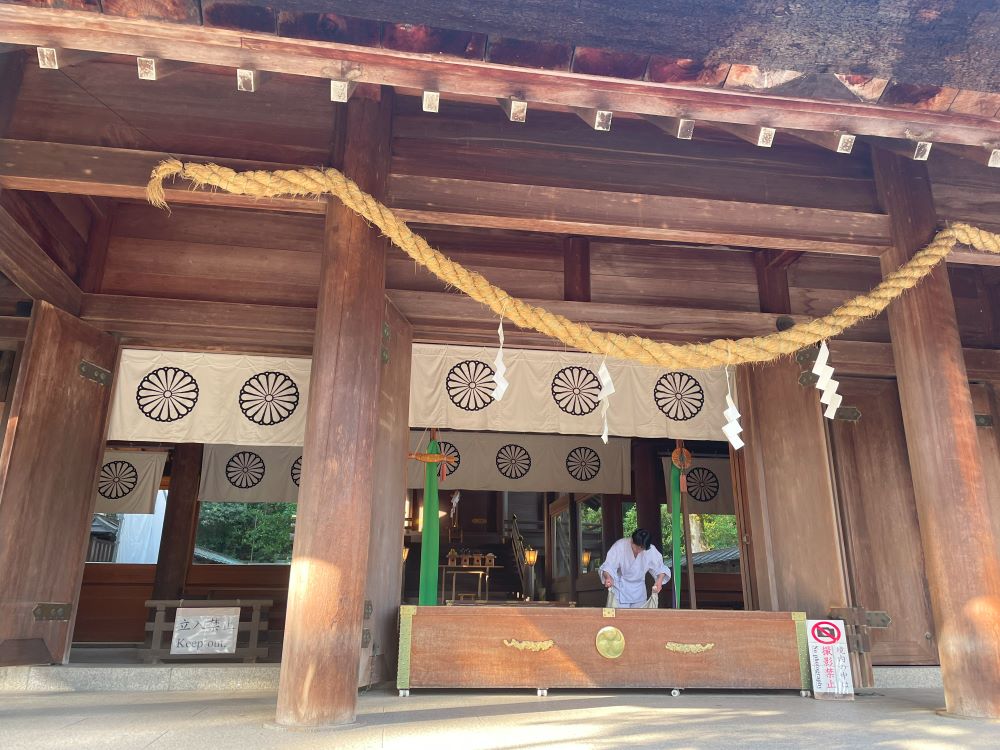
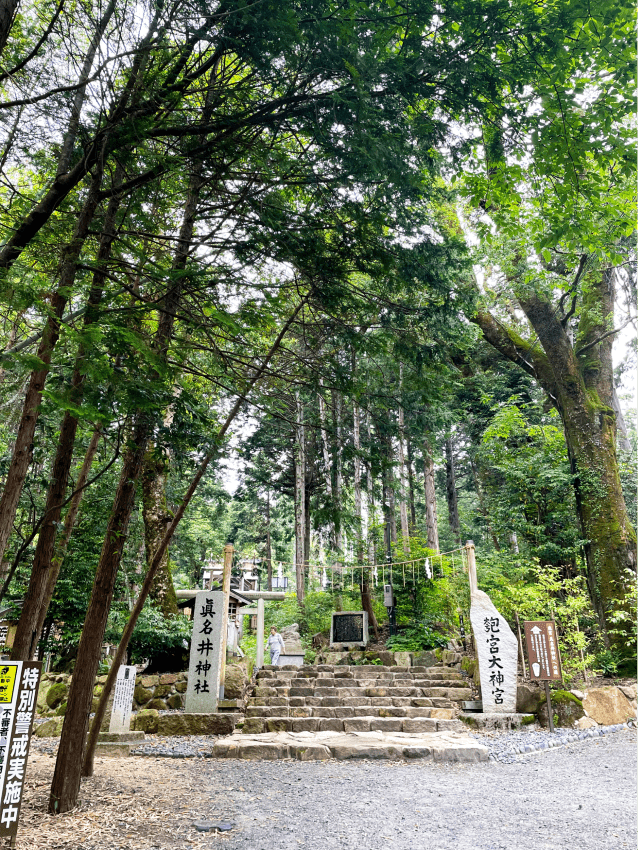
On the station side is Chion-ji Temple, known for Monju, the bodhisattva of wisdom. Across the water are Moto-Ise Kono Shrine and, beyond it, Manai Shrine. Both are associated with Ise Jingu, and many visitors come to them as spiritual sites.
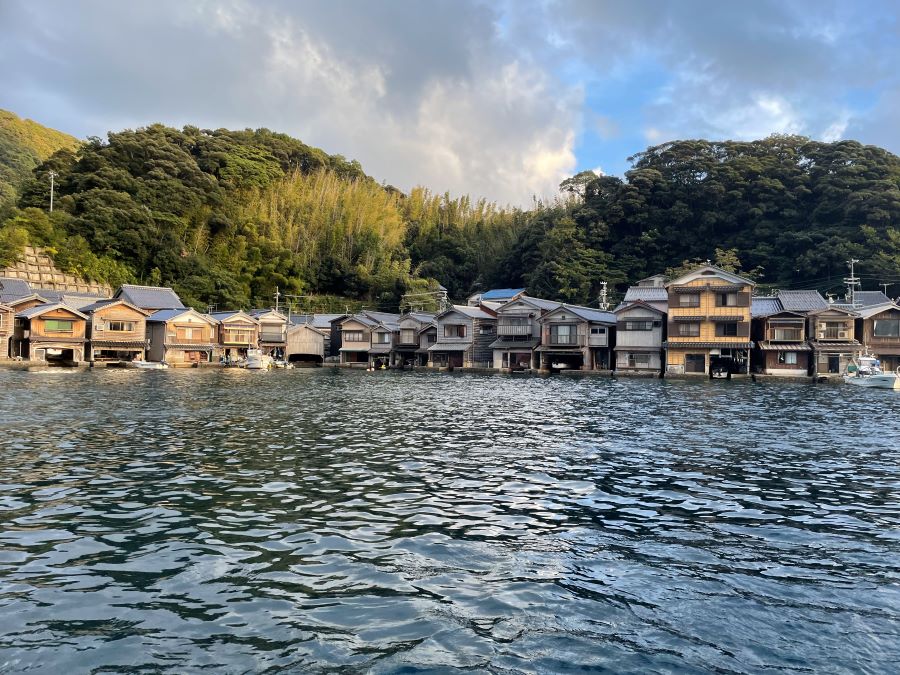
Just under an hour by local bus from Amanohashidate Station is Ine, where boathouses line the water. Pairing the two makes for a full day built around scenery.
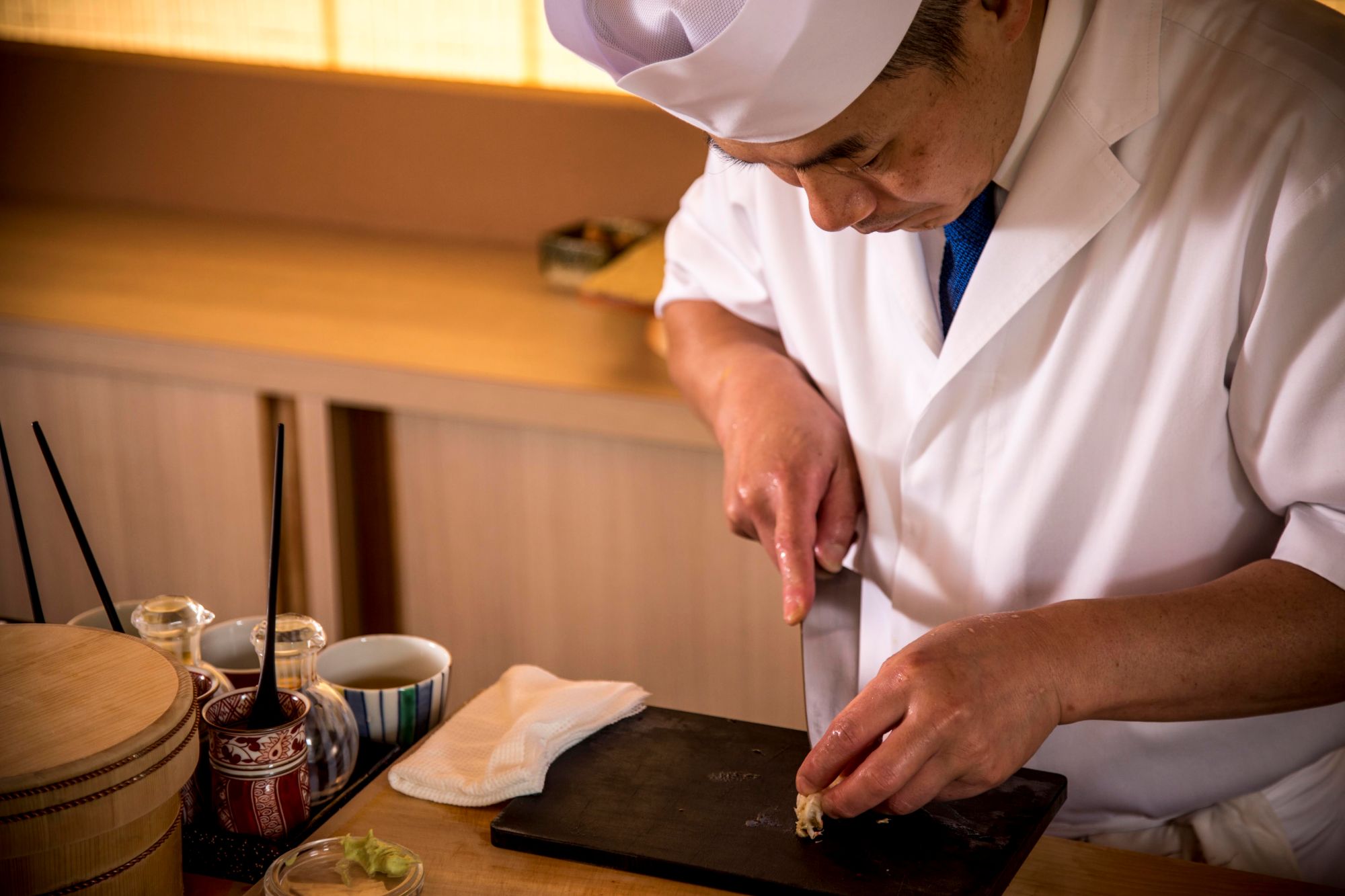
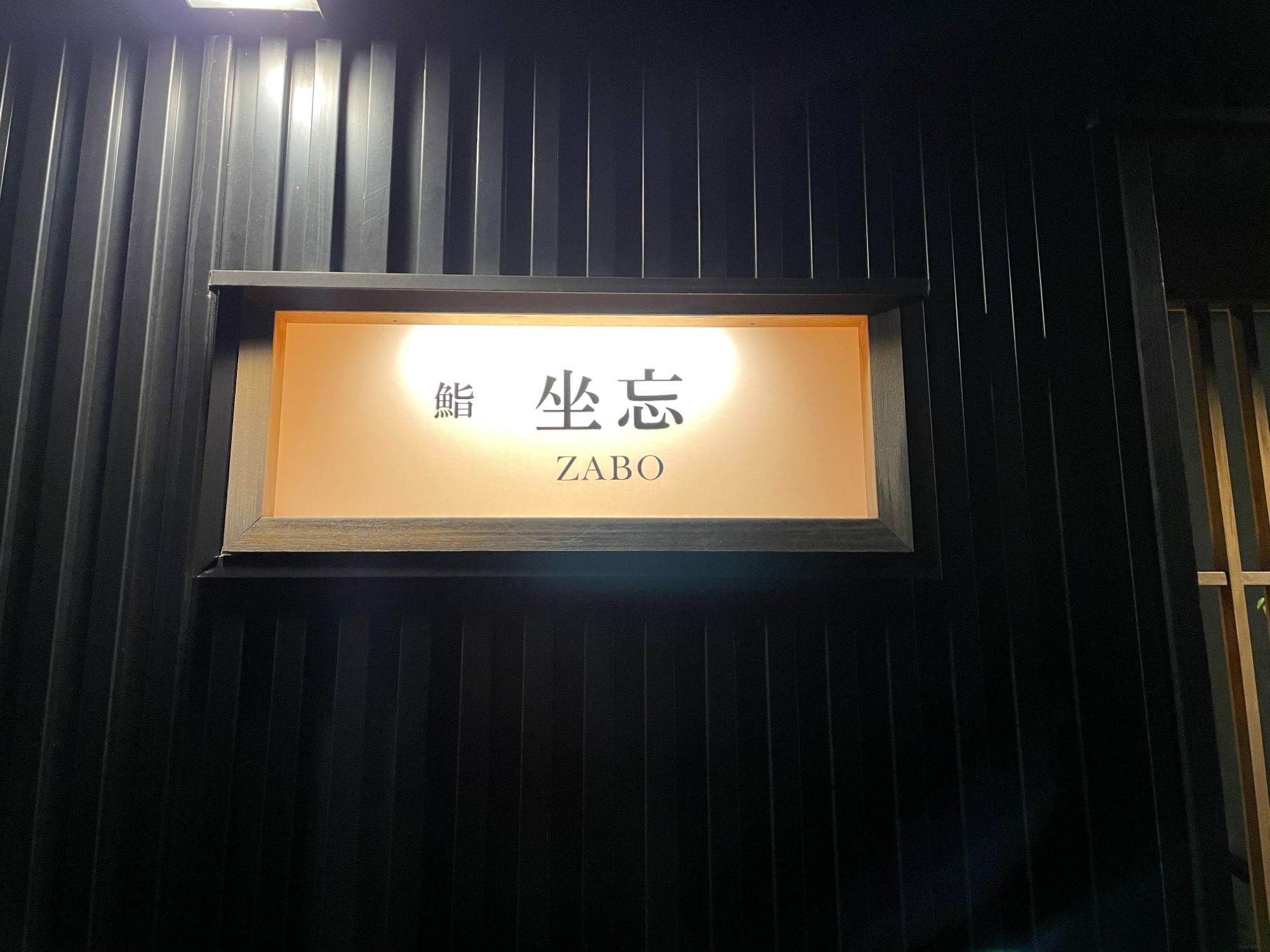
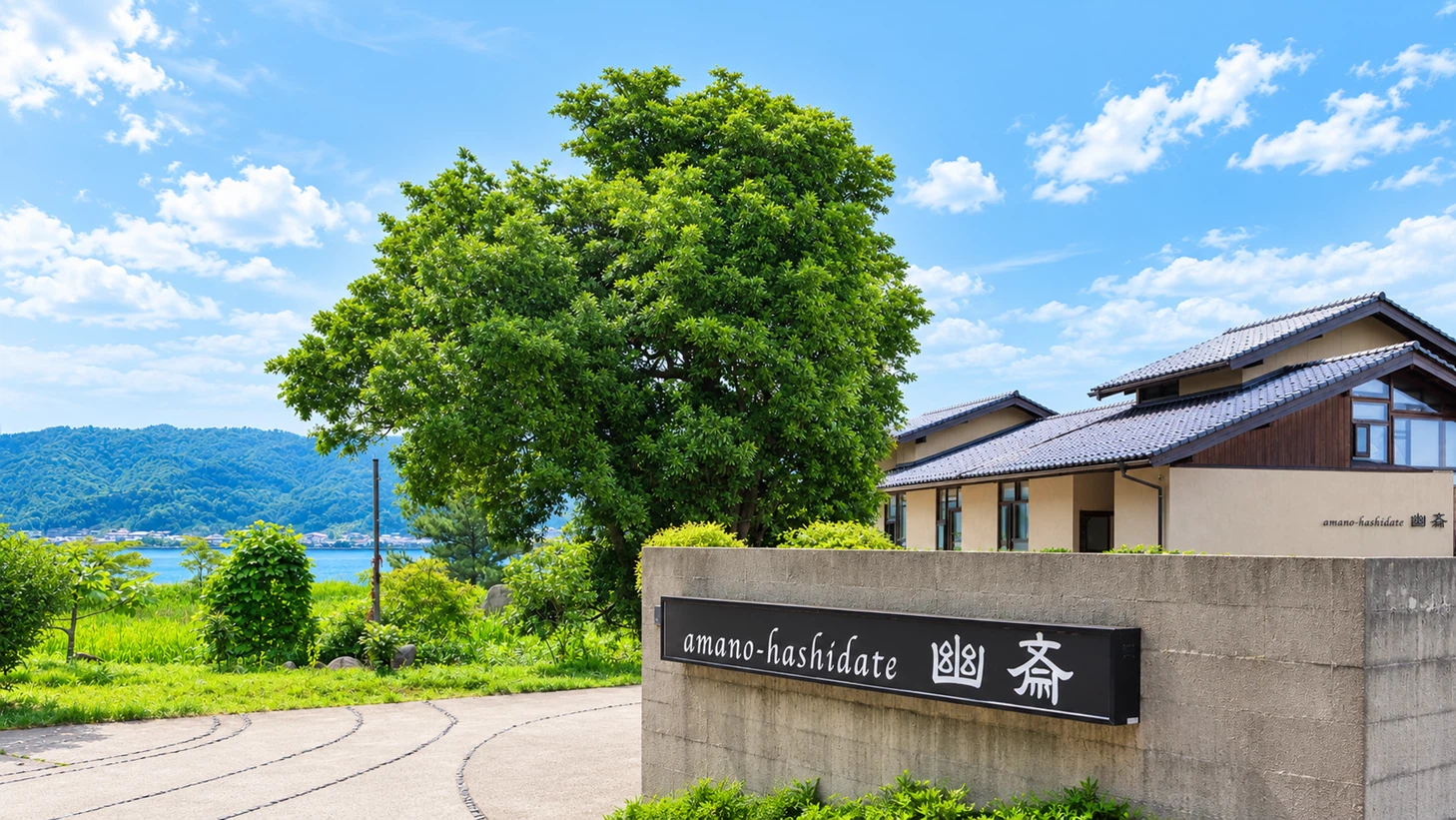
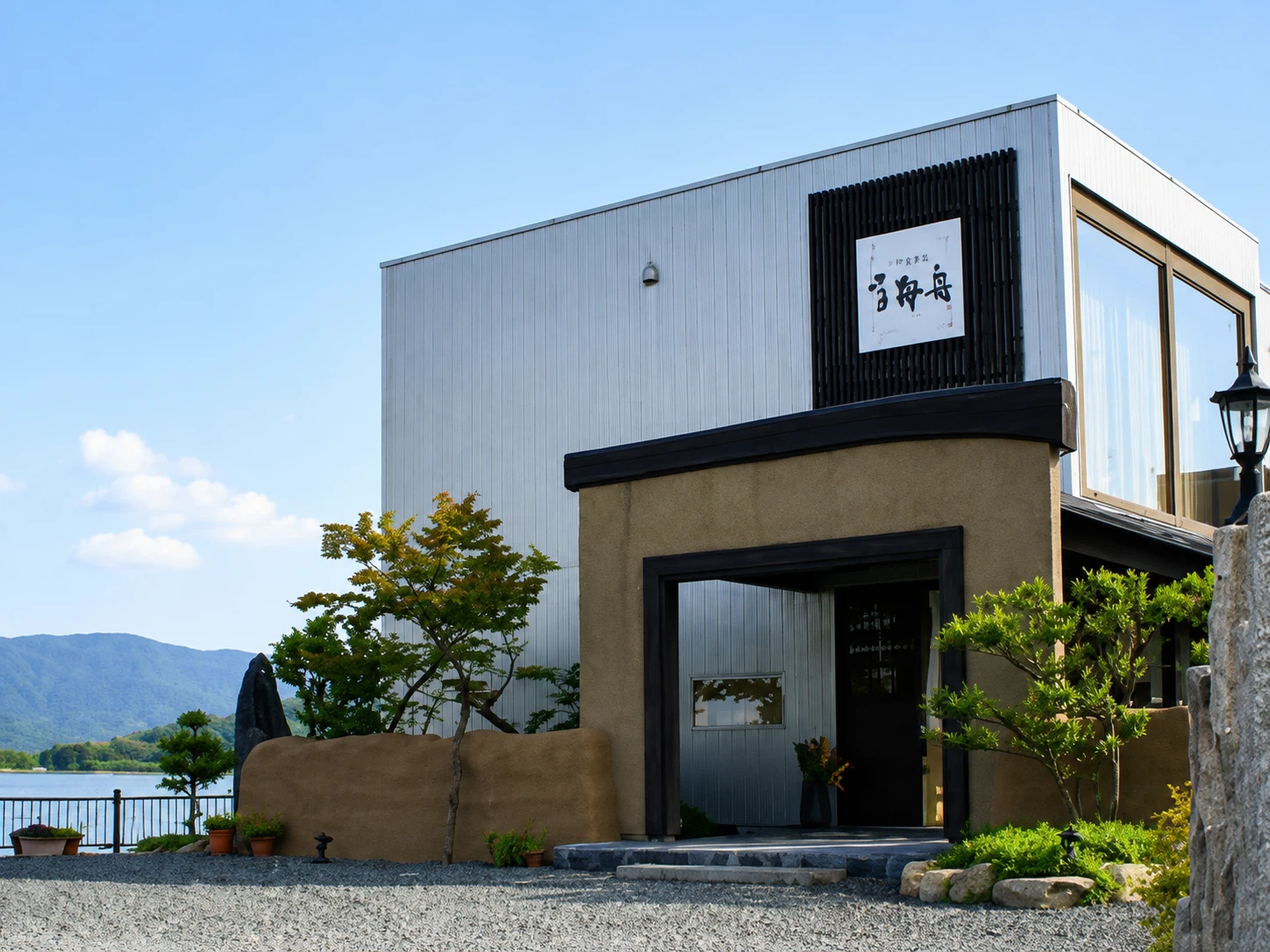
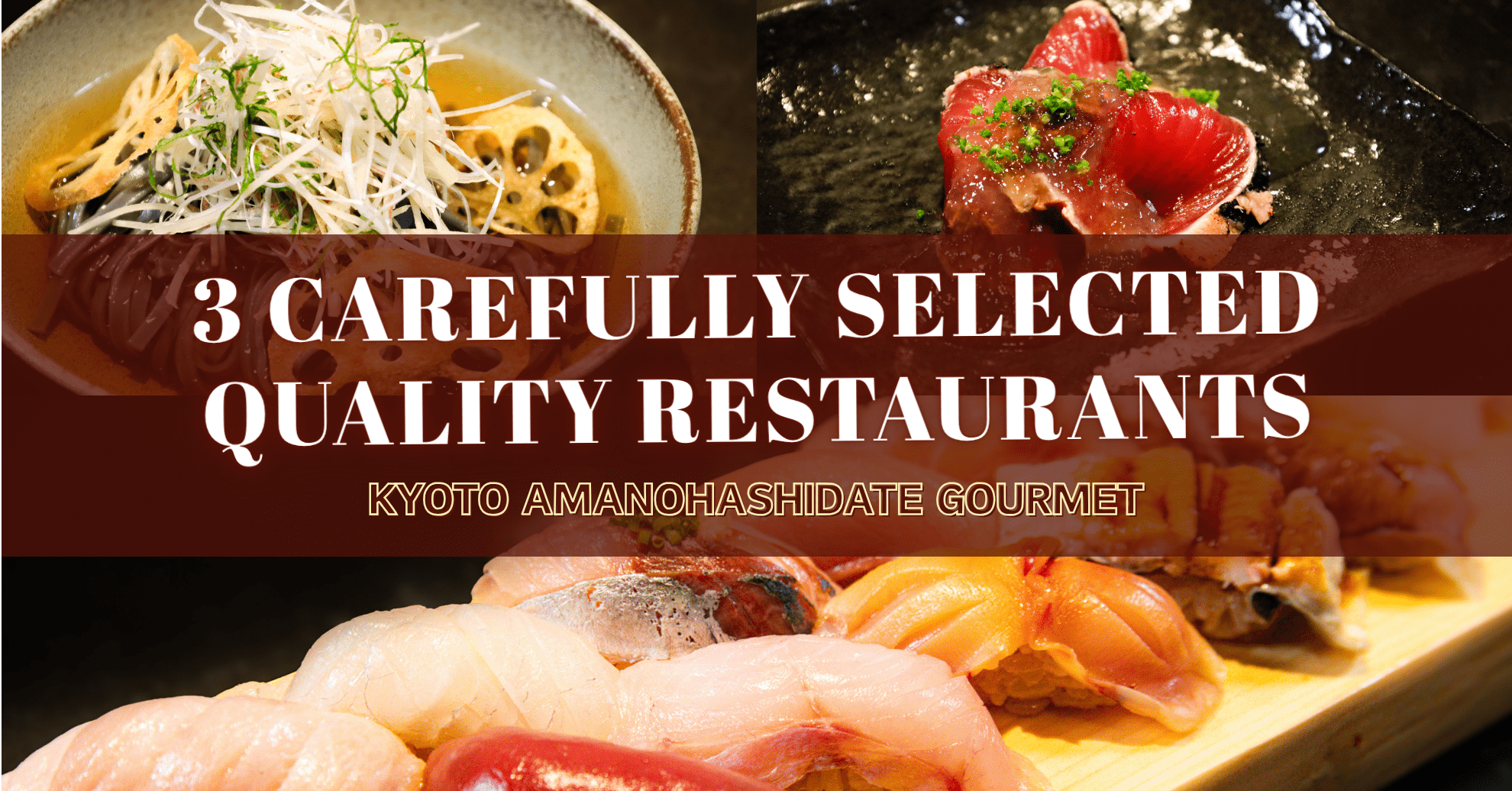
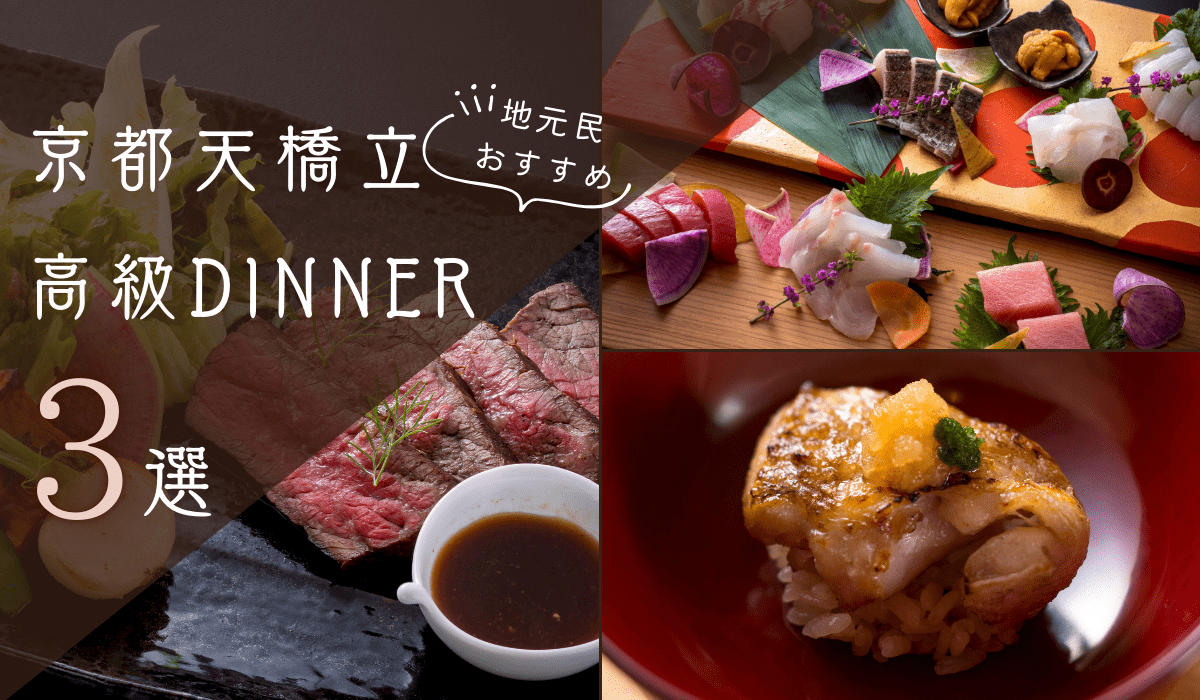
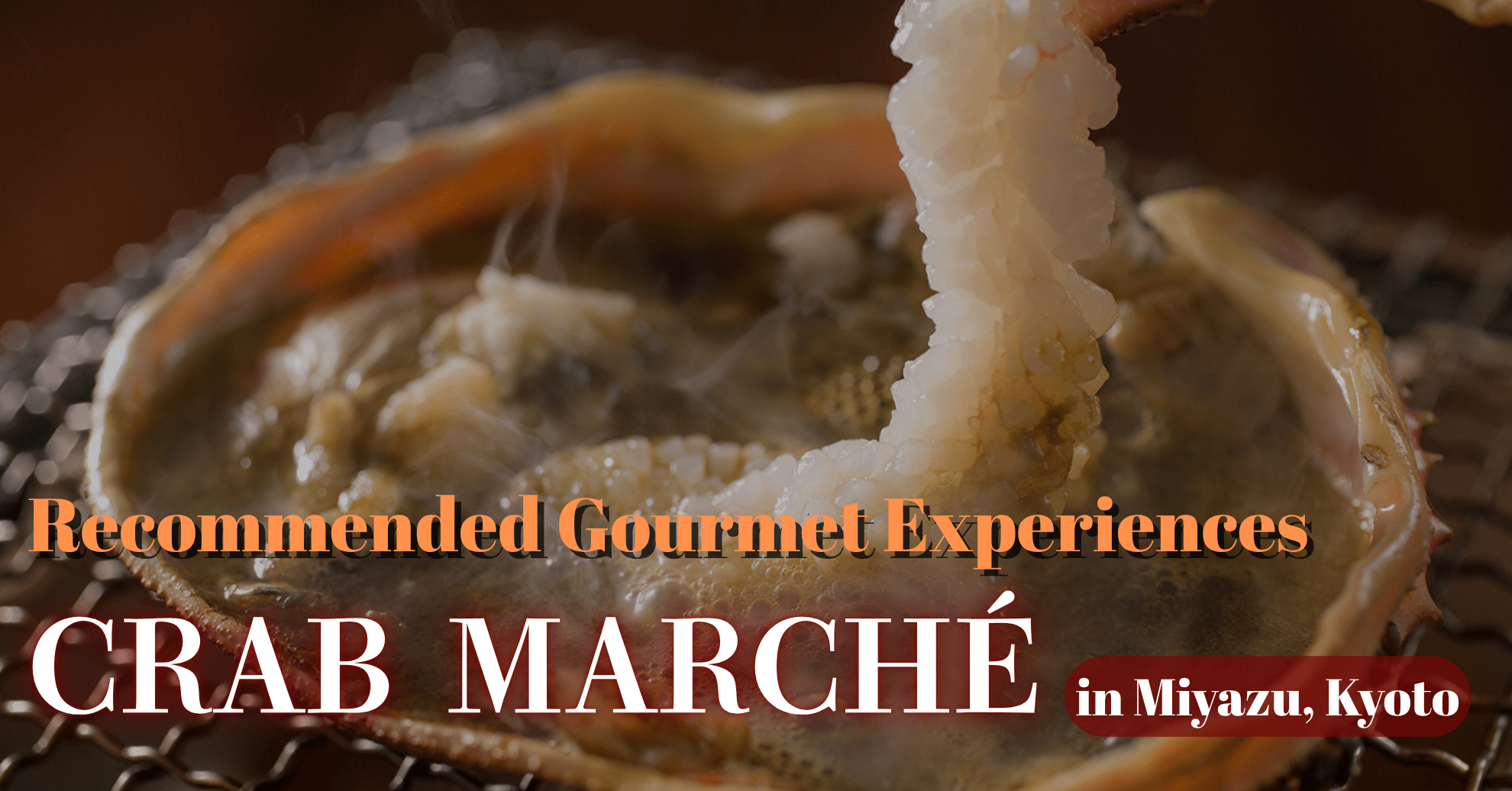
Sushi and kaiseki restaurants are scattered around Amanohashidate and Miyazu. Examples include Zabou in Hioki, Miyazu, where an experienced chef works the counter; Sessyu-an in Mizojiri, Miyazu, where you can eat sushi and kaiseki with a view of the sandbar; and amano-hashidate Yusai in Suzu, Miyazu, a Japanese auberge that serves meals and has rooms.
In winter, crab takes over, as it does along the Sea of Japan. Some travelers have meals delivered to a private rental house and eat crab in the room.
Do this first These restaurants generally require reservations. Once your dates are set, book one place you want to eat, and the rest of the day falls into place.
The souvenirs are low-key, and you can only buy them here
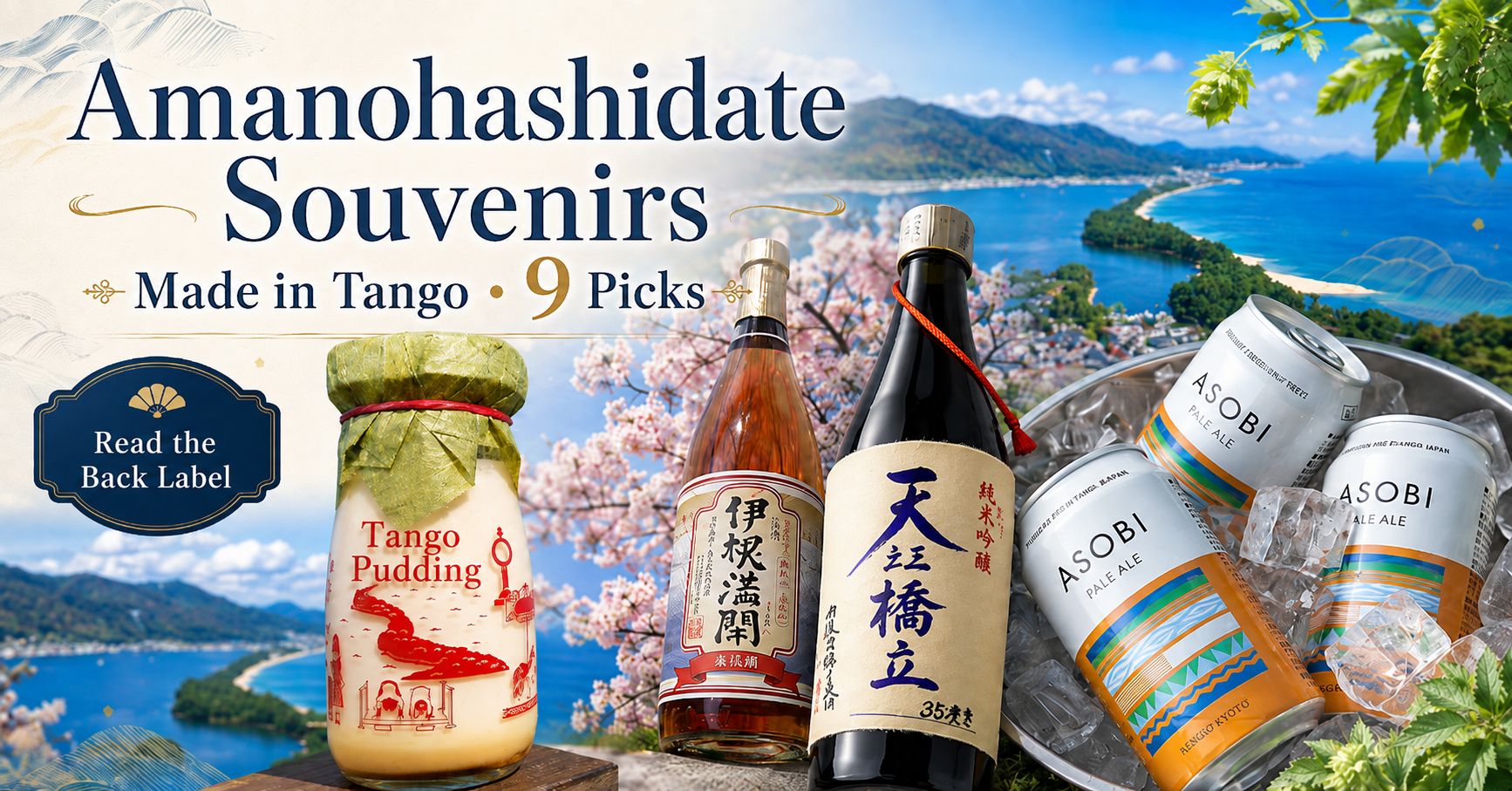
Souvenirs here are different from the boxed sweets sold all over Japan. Listed out they look plain, but each is something you buy because you came all the way to Tango.
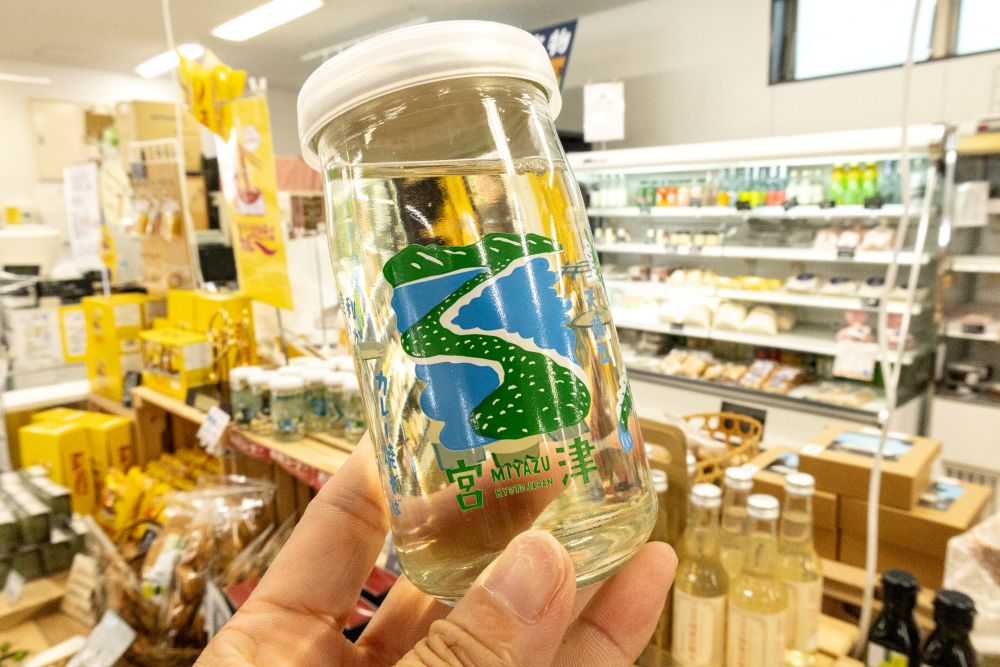
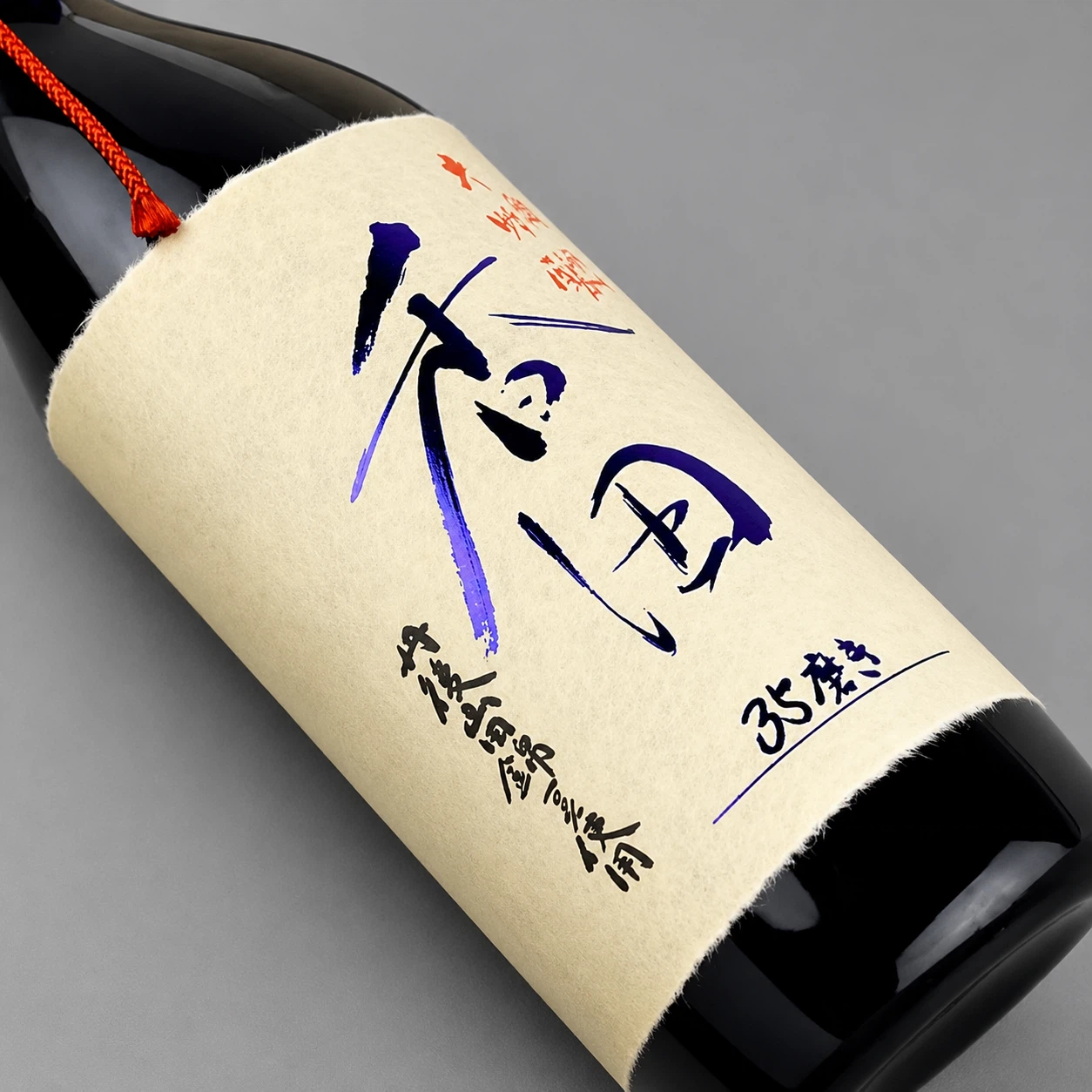
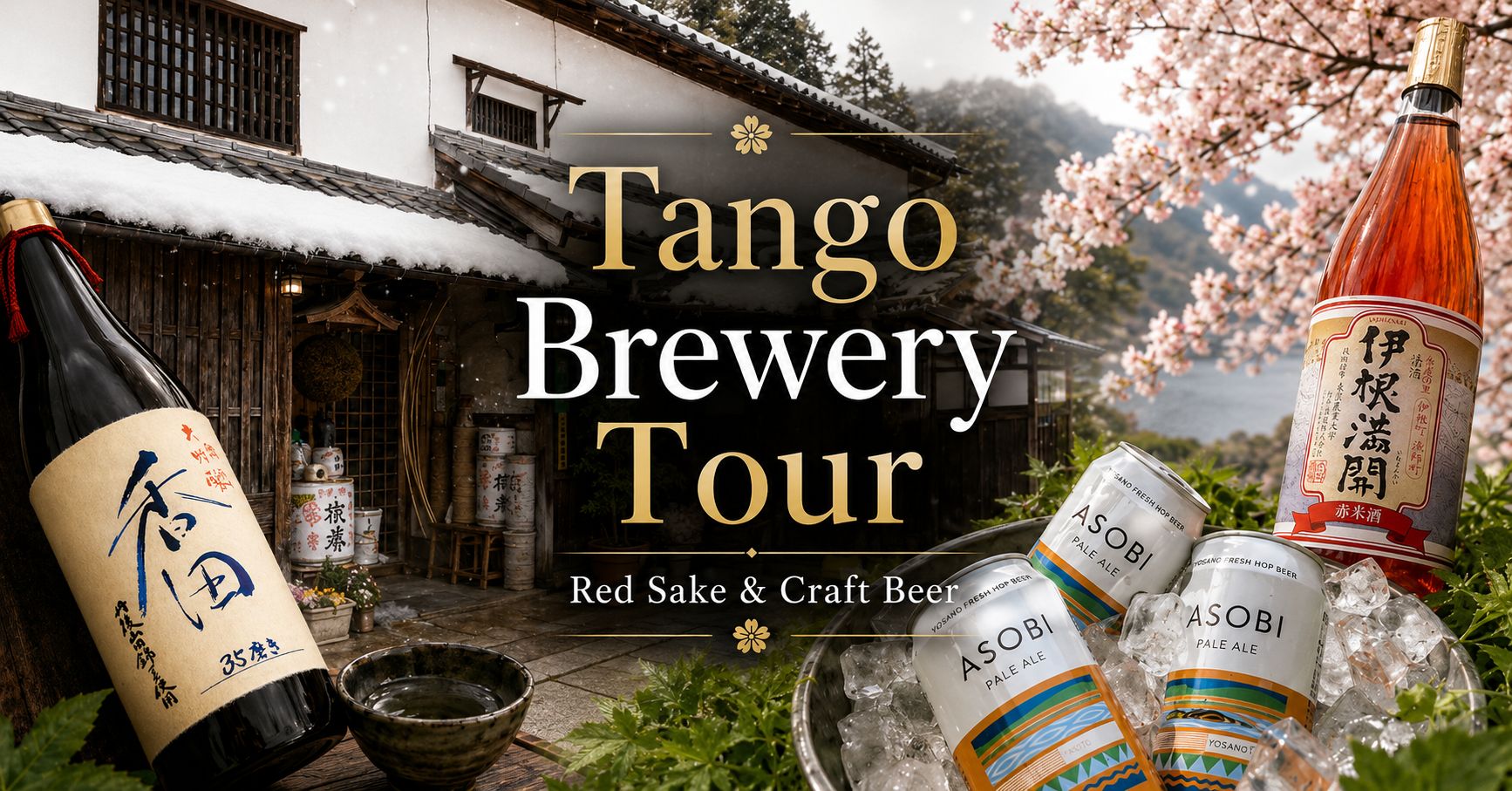
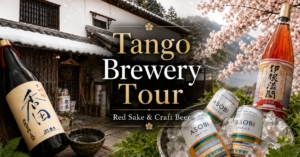
Koden sake (Hakurei Shuzo, Yura, Miyazu) → a good first choice
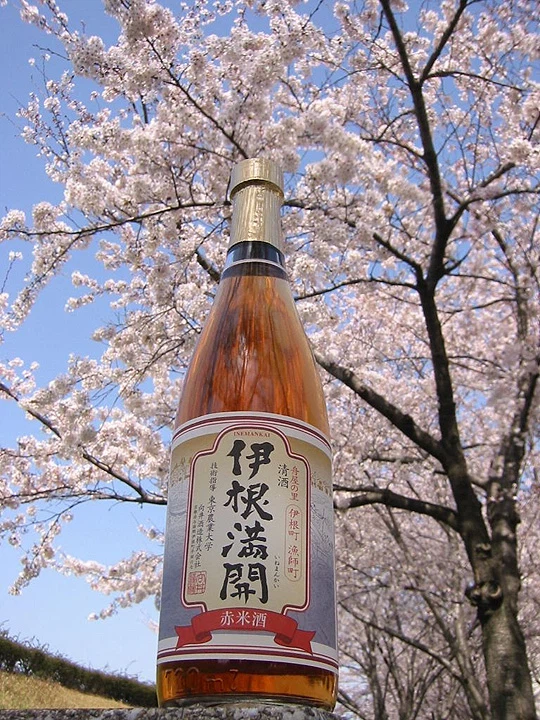
Ine Mankai sake (Mukai Shuzo, Ine) → red in color, brewed with ancient red rice
Heshiko → mackerel cured in salt and rice bran; sliced thin and lightly grilled, it goes well with sake
Ama-no-Hashidate oil sardines (Takenaka Kanzume, Odashukuno, Miyazu) → easy to carry home at room temperature
Junmai Fuji Su vinegar (Iio Jozo, Miyazu) → vinegar made from rice grown in Tango
Buy Ine Mankai when you see it
This is a red sake brewed with ancient red rice. Production is limited, and even the brewery sells out at times.
If you want a bottle, stop by early in your itinerary.
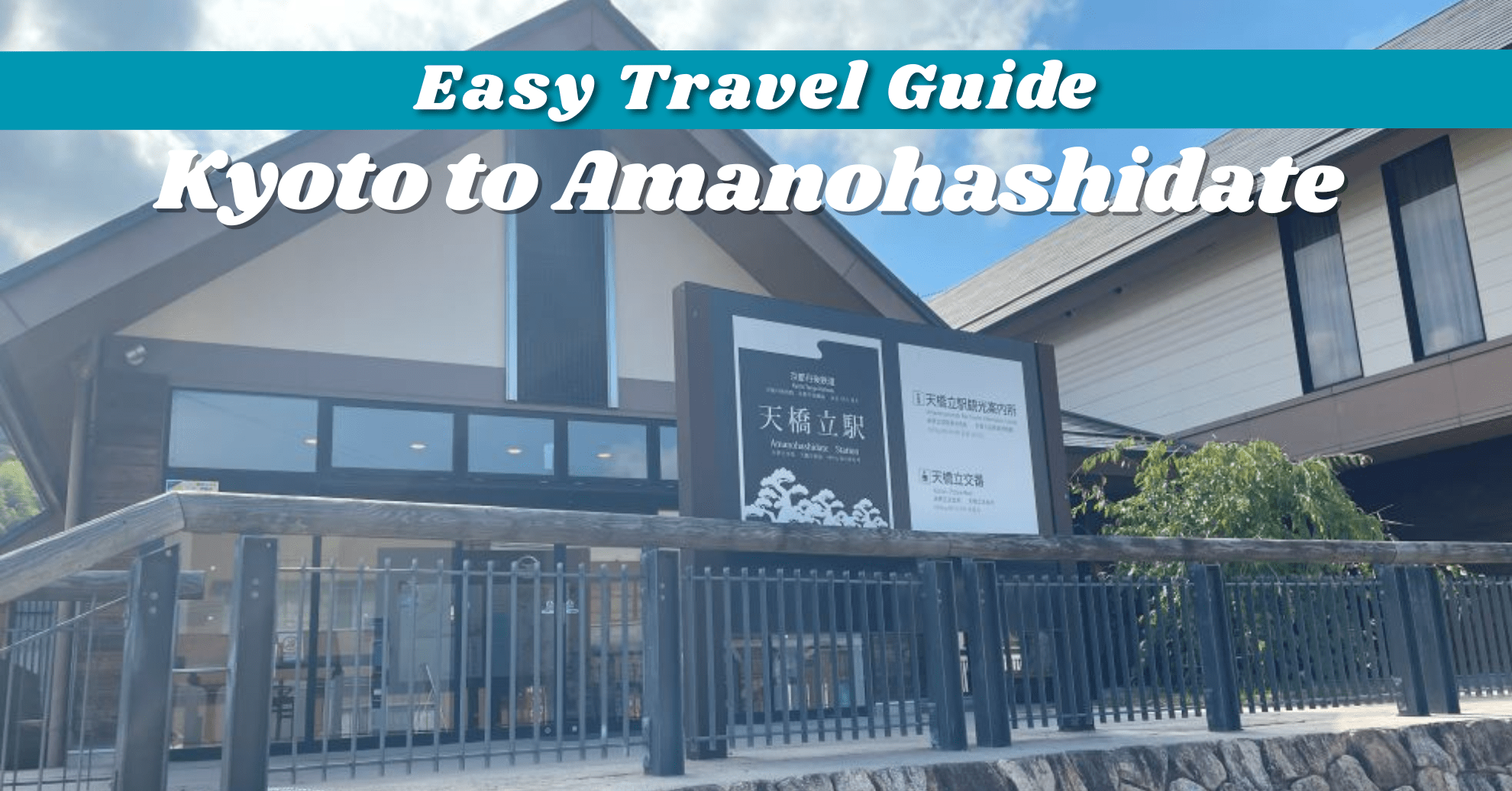
“Farther than expected” is another reason a visit can disappoint. Amanohashidate is more than two hours from central Kyoto, so knowing the travel time keeps you from overfilling the day.
Route
Details
Limited express Hashidate (from Kyoto Station)
About 2 hours 15 minutes direct to Amanohashidate Station, around 4,790 yen for a reserved seat in an ordinary car (varies by season)
Highway bus (from Kyoto Station)
Five departures a day, all reserved seating, booking required
Car
Exit at Yosa-Amanohashidate on the Kyoto Jukan Expressway; paid parking is available around Chion-ji Temple and in the Fuchu area
Getting around
Cross between the station side (View Land) and the Fuchu side (Kasamatsu Park) by sightseeing boat or local bus, or ride a rental bicycle across the pine grove
A free pass combines the Amanohashidate sightseeing boat, the Kasamatsu Park cable car and chairlift, and the Ine Bay sightseeing boat. If you plan to visit both viewpoints and Ine, it is easier to follow than paying for each separately.
Seasons and Weather: Planning a Day That Works in the Rain
Weather changes the impression of Amanohashidate. This is the Sea of Japan side, so winter brings more cloudy and snowy days. For scenery, spring and fall, when the air is clear, are the easiest seasons.
Spring → Calm water, and walking the pine grove does not get too warm
Summer → The sea is at its deepest color; bring a hat and water for the strong sun
Fall → Clear air makes the view from the viewpoints sharper
Winter → Crab season runs from about early November to late March, and snow changes the look of the pine grove
In any season, the wind is usually lighter in the morning and the water calmer. Aim for the morning at the viewpoints, and photos come out better as well.
On a rainy day, move the plan indoors
In the rain, changing direction works better than chasing scenery. Scenery is the main draw at both Amanohashidate and Ine, and rain blurs the view from the viewpoints and makes the walk through the pine grove less pleasant. That is when you shift the day toward places you can spend time indoors.
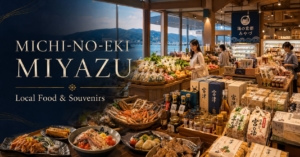
Options for a rainy day Visit a sake brewery or a vinegar maker (Hakurei Shuzo, Mukai Shuzo, Iio Jozo) Shop for Tango products at the roadside station (Michi-no-Eki Umi-no-Kyoto Miyazu) Take your time over a meal (sushi, kaiseki, or crab in winter) Check in early (in-room dining or a private bath makes a rainy day easy)
For example: a brewery in the morning, a long lunch of sushi or kaiseki, souvenirs at the roadside station in the afternoon, and an early check-in. That fills a day, and breweries and vinegar makers look the same whatever the weather.
Booking a room early helps as well. With in-room dining or a private bath, the hours you cannot go outside become part of the trip. When the forecast is uncertain, move the viewpoints to the next morning and keep the first day indoors, and the plan holds together.
Frequently Asked Questions
How long does Amanohashidate itself take?
One viewpoint and a walk through the pine grove take about half a day. Both viewpoints plus Chion-ji Temple and Moto-Ise Kono Shrine fill a full day. Adding Ine makes two days and one night a comfortable plan.
Is one viewpoint enough?
If time is short, Amanohashidate View Land (Hiryukan) is a 5-minute walk from the station and easy to fit in. Taking the sightseeing boat to the north side and going up to Kasamatsu Park (Shoryukan) lets you compare the two views.
Is it worth visiting in the rain?
The view is hazier, but a day built around breweries, the roadside station, and meals still works. Checking in early and spending the evening with in-room dining or a private bath is another option.
Can Ine be combined with it?
Ine is just under an hour by local bus from Amanohashidate Station. Ine in the morning and Amanohashidate in the afternoon works well. A free pass also covers the sightseeing boats and the cable car.
Summary: Pick One Thing to See, Eat, and Buy
A little research changes the impression of Amanohashidate. Deciding these three things before you leave makes the day clear.
See
Whether to prioritize Hiryukan (View Land) or Shoryukan (Kasamatsu Park)
Eat
Book one restaurant you want to try (crab in winter)
Buy
Choose one thing to take home (Koden, Ine Mankai, heshiko, and so on)
It is not that there is nothing here, but that it is hard to find without knowing. That is why some visitors come away calling it disappointing. On a clear day, Amanohashidate and the boathouses at Ine are genuinely special. Find one thing you want to see, eat, or buy before you go, and you leave wanting to come back.
I am a writer with six years of experience. Born in Hyogo, I traveled to the U.S., India, Thailand, and Taiwan during my student years, experiencing and enjoying cultural differences between Japan and other countries.
Inspired by Kyoto’s tea caddy maker Kaikado and paper-cutting artist Teppei Hayakawa, whose work helps preserve traditional techniques, I developed a deep interest in Japanese craftsmanship.
Now, I focus on uncovering lesser-known attractions and locally loved establishments in Kyoto, Shiga, and Hyogo, driven by a passion to share them with more people. My goal is to provide detailed, authentic information through research and interviews.
I believe history, traditional culture, and uniquely Japanese customs become even more fascinating when you understand their background. Every day, I write articles with the hope that readers will feel inspired to visit and experience these places for themselves.