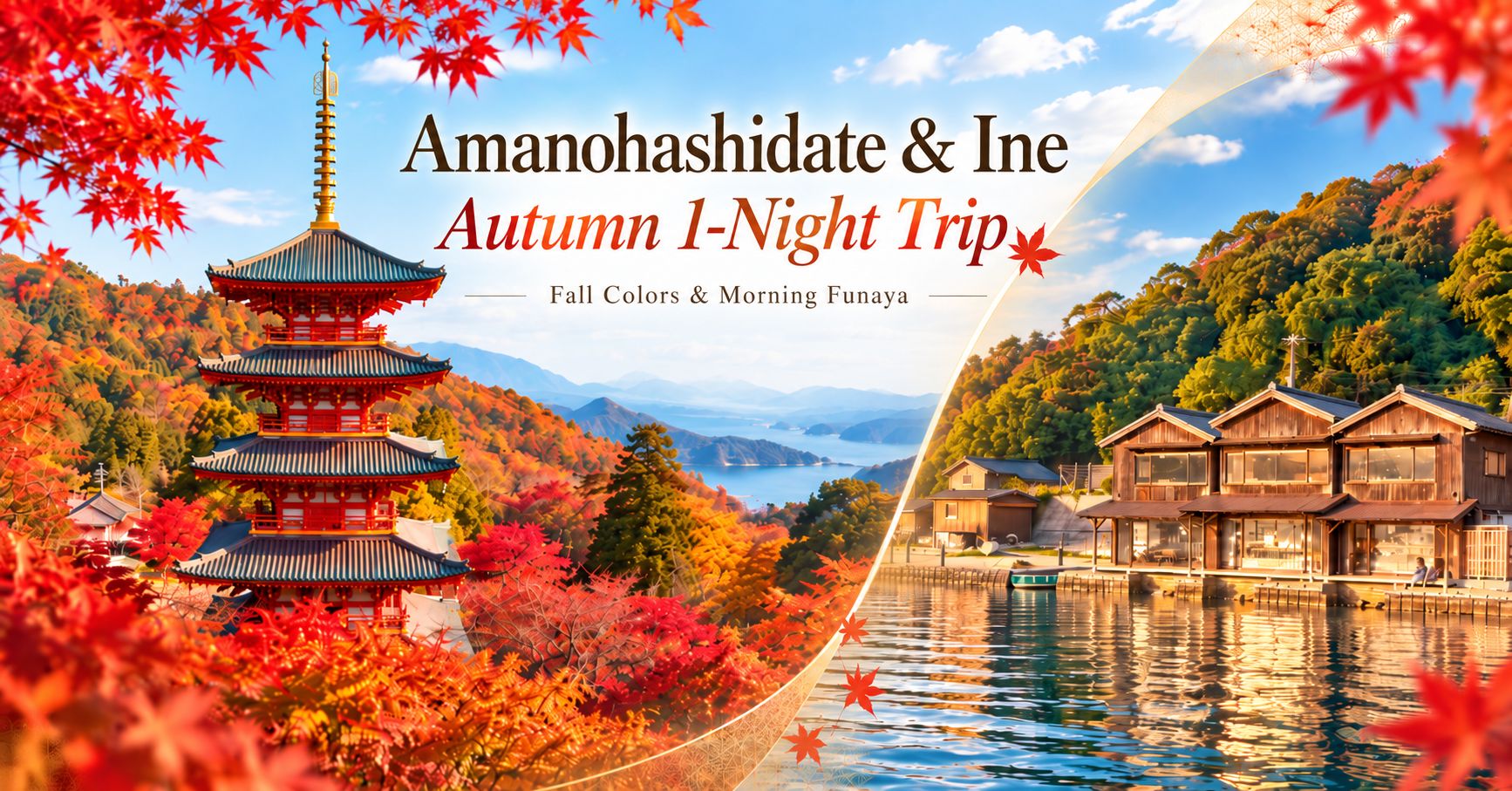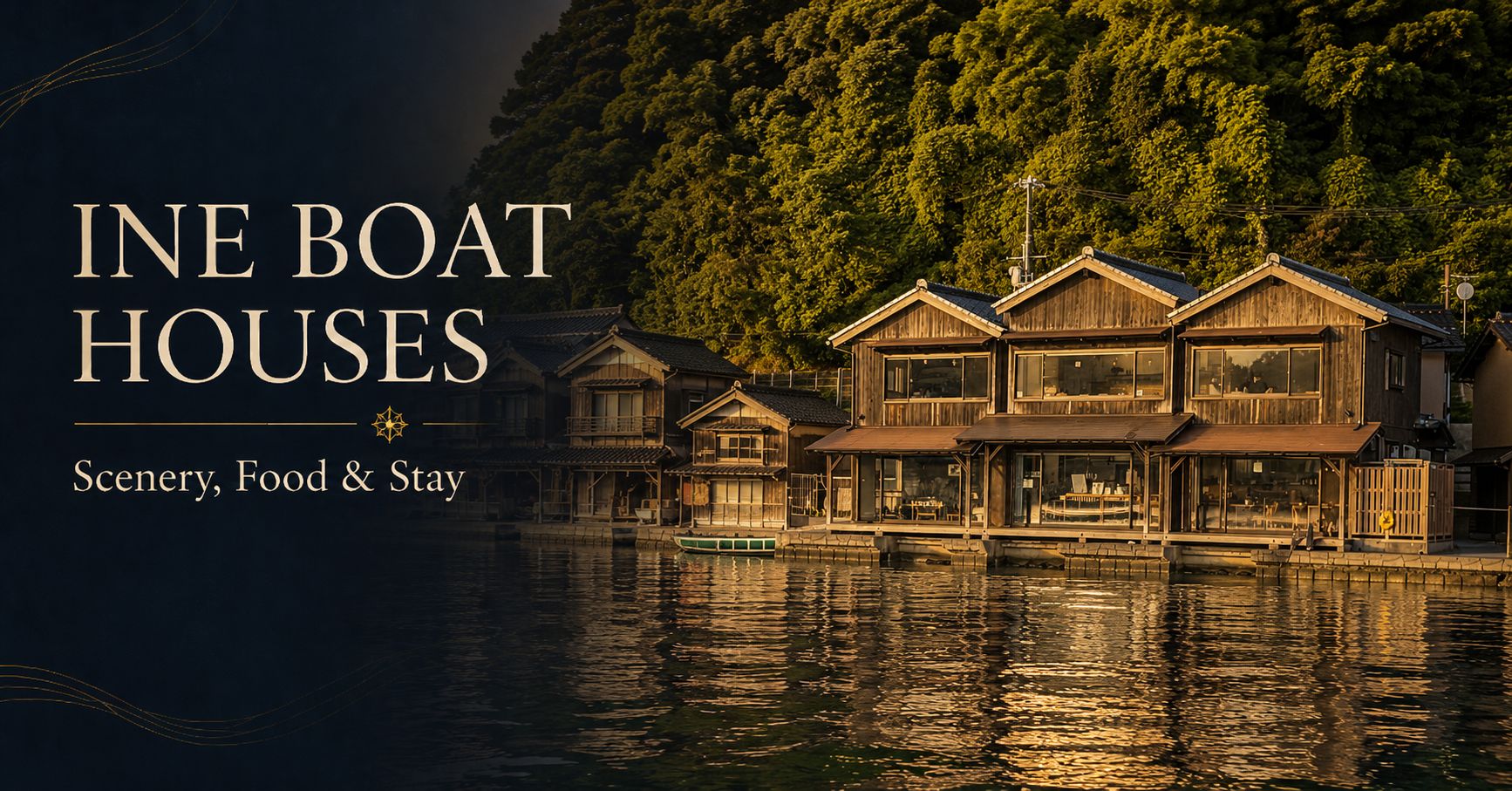
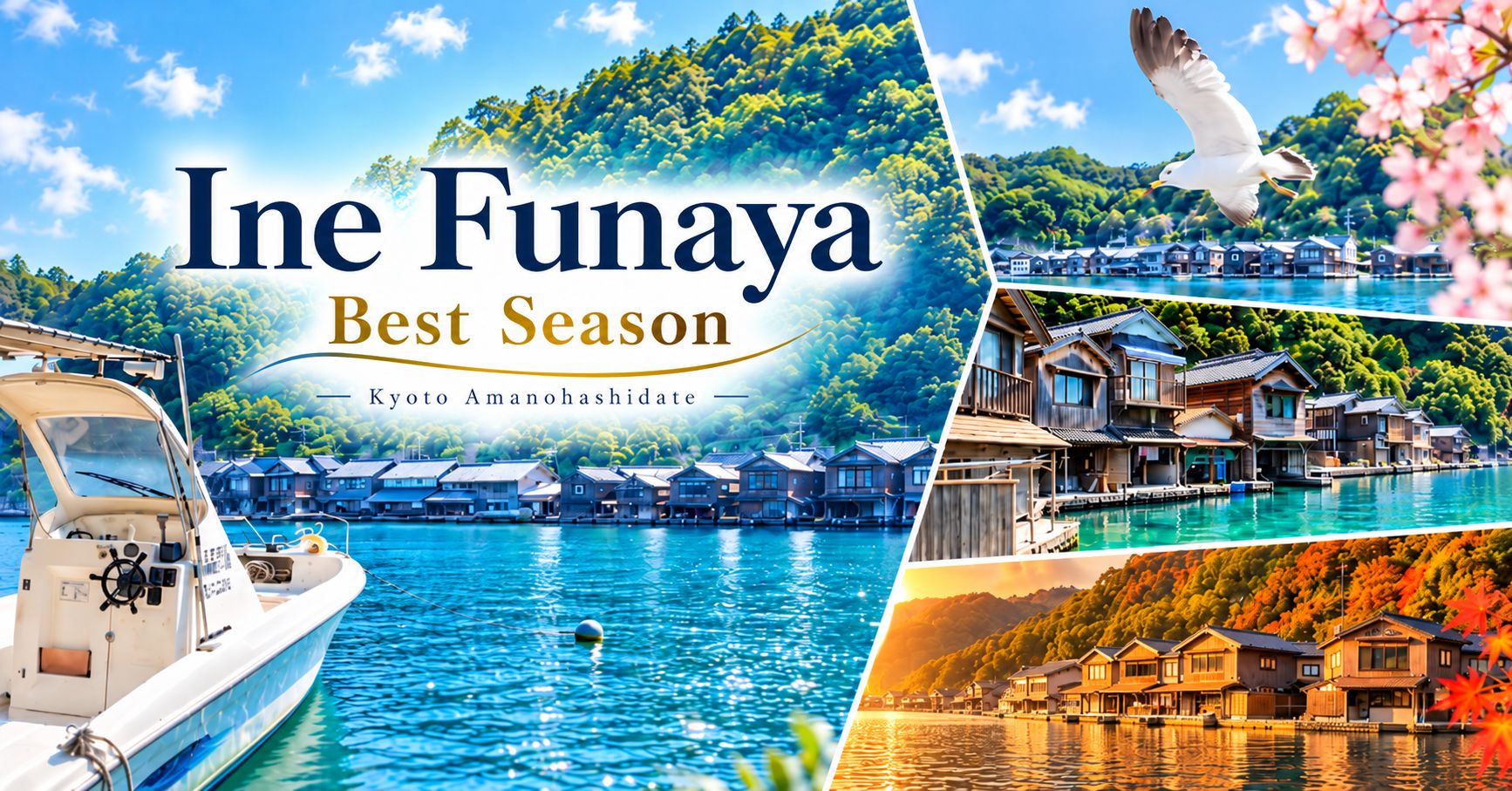
The Ine boat houses in northern Kyoto: around 230 funaya standing at the water’s edge, in a village often called the Venice of Japan.
The harder question is when to go.
What you see in Ine changes sharply with the season. More than that, the weather and the wind on the day matter more than the temperature. The same week in November can look like two different places depending on whether the sky is clear and the air is still.
This guide sets out the seasons by climate, how the water looks, crowds and what is in season, so you can pick the time that fits what you want. For what there is to see and do in Ine, see the article below.
At a glance: choosing a season in Ine
| Season | Climate | Water and scenery | Crowds | In season | Suits |
|---|---|---|---|---|---|
| Spring (Mar–May) | Mild, good for walking | Soft light, good for photos | Moderate | Snow crab until early March; sakura sea bream, akou | A first visit, photography |
| Summer (Jun–Aug) | Increasingly hot | Bright water, strong sun | Busiest | Rock oysters | Family trips in the school holidays |
| Autumn (Oct–Nov) | Comfortable | Clear air; mornings are best | Builds from November | Snow crab from 6 November | Photography, food and sightseeing together |
| Winter (late Dec–Feb) | Clear air, strong wind | Snow on the funaya, like an ink-wash painting (snowfall varies) | Quietest | Snow crab, winter yellowtail | Quiet, snow scenery, crab and yellowtail |
If you are unsure, choose spring (April–May) or autumn (October–November). To combine sightseeing with crab, 6 November to early December is the best-balanced window.
Calm water is the reason the boat houses exist
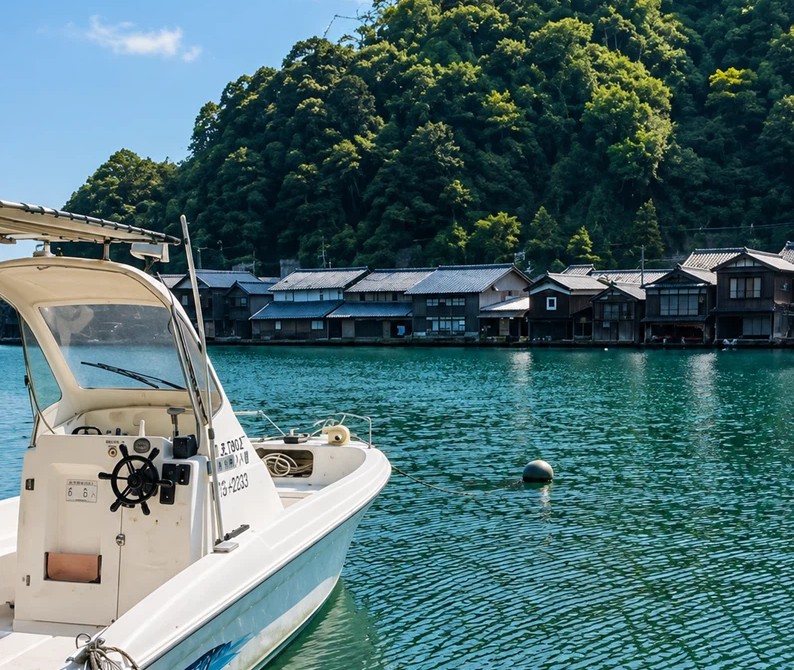
Why do the funaya take this form? The answer is how calm the water is.
Ine Bay is unusual for the Sea of Japan coast in that it opens to the south. It sits inside the curve of the Tango Peninsula, and Aoshima island lies across the mouth of the bay, blocking the open sea. The Sea of Japan also has a smaller tidal range than the Pacific side.
Calm water and a water level that barely moves: that is what made it possible to build at the waterline and haul boats up into the ground floor.
The second condition is the terrain. The mountains come down close to the sea here and there is almost no flat land, which produced the local pattern of the boat house on the water and the main house across the road on the hillside.
Around 230 funaya along the shoreline: a landscape that could only have formed where those two conditions met.
The weather and the wind matter more than the temperature
This is the single most useful thing to know before visiting Ine.
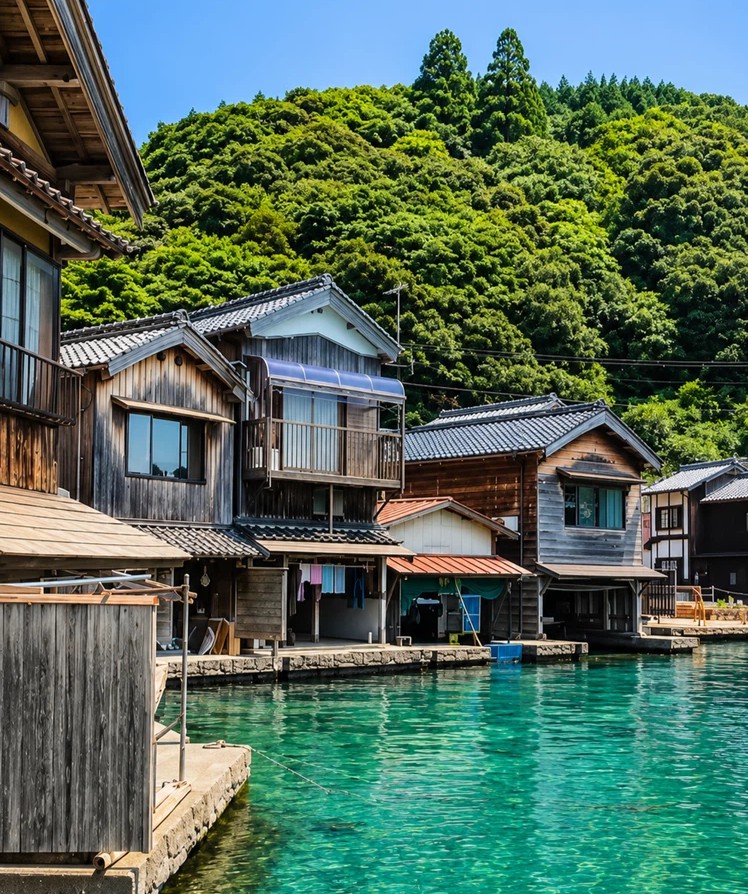
On a clear day with little wind, the water in Ine Bay turns a deep green and reflects the funaya and the mountains behind them. The Ine you have seen in photographs is almost always this condition.
On an overcast, windy day, the color drops out of the water and the surface breaks up, so the reflection disappears. It is hard to believe it is the same place.
Choosing the day is almost as important as choosing the season. If your schedule allows, it is worth deciding which day to go to Ine after checking the local forecast.
Check these before you set out
Weather — whether it will be clear.
Wind — the lighter the wind, the more the water behaves like a mirror.
Time of day — the light is softer in the morning, and the water is often stiller than at midday.
Sightseeing boats and sea taxis are sometimes canceled in bad weather. On days when strong wind is forecast, check operating status before you travel.
Spring (March–May): the best time to walk the town
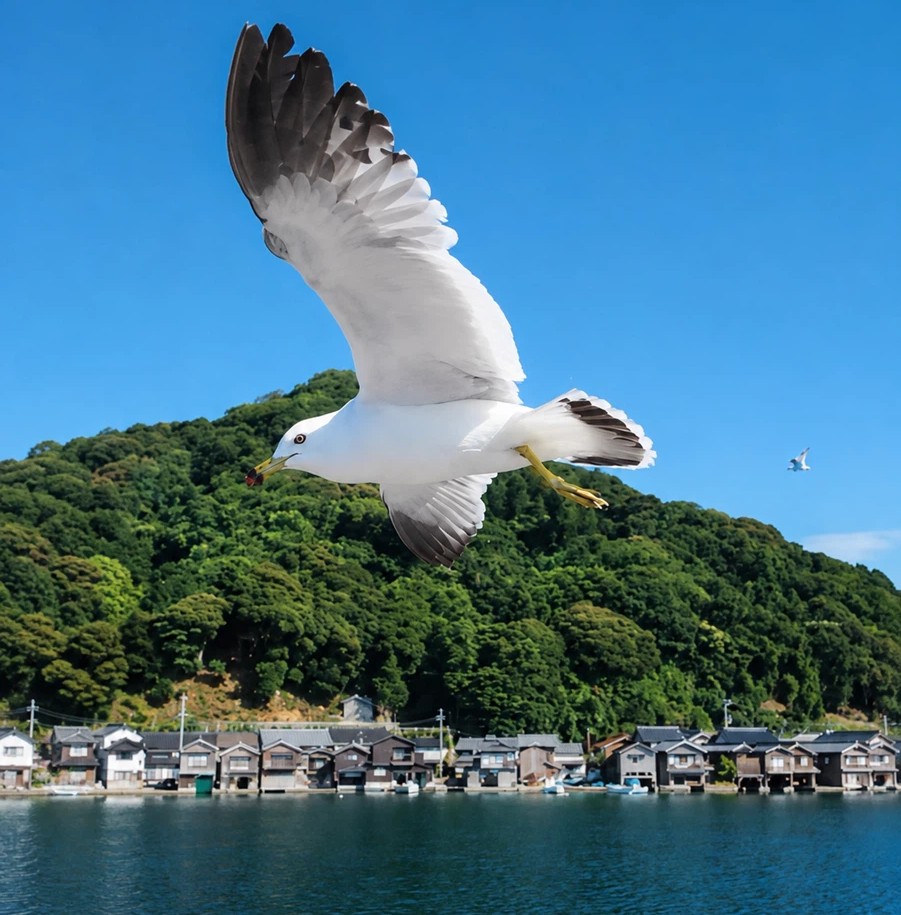
April and May are neither hot nor cold, which makes them ideal for walking Ine’s narrow lanes slowly. For a first visit, this is where we would start.
Spring is also more interesting for food than people expect.
Kyoto’s snow crab season runs until early March. March is a quieter window with prices past their peak — the same crab is more affordable than in November or the New Year period.
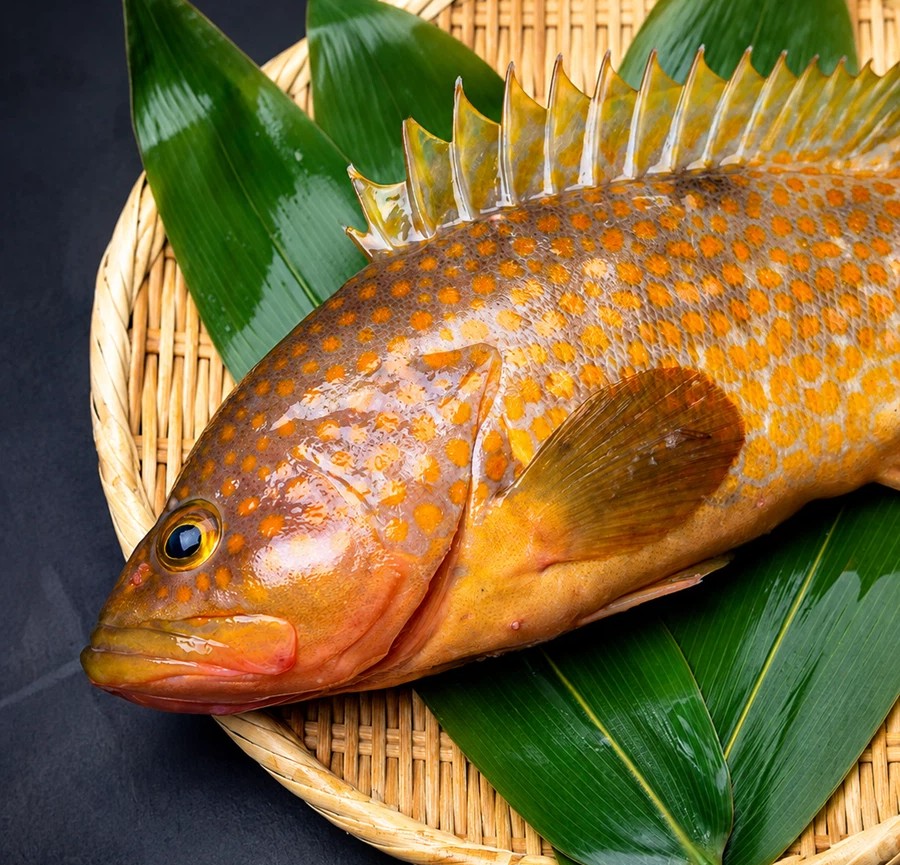
Spring landings increase for sakura sea bream and akou (red-spotted grouper). Akou is treated as a premium fish in Osaka, and takes on an elegant sweetness in shabu-shabu.
In April and May, when conditions align, bioluminescent plankton can sometimes be seen in Ine Bay. It is not guaranteed, but it is worth walking down to the water after dark.
Summer (June–August): crowds matter more than the heat
Northern Kyoto has seen more extremely hot days in recent years, and walking the town in the middle of the day takes more out of you than you might expect.
The bigger factor in summer, though, is crowding.
Visitor numbers in neighboring Miyazu peak sharply in August. Many people visit Amanohashidate and Ine on the same day, which concentrates people on the local buses and around the boat houses.
If you come in summer, aim for the morning before day trippers arrive, or the evening after they leave. Staying in Miyazu or Ine is the most reliable way to do that.
Autumn (October–November): clear air, and the best mornings
By October and November the heat has eased and Ine is comfortable again.
To be straightforward about it, the boat houses themselves are not an autumn foliage destination. The sea and the village are the subject here.
What autumn brings is clear air and sharply defined views of the water and the funaya. Photographs come out very differently from the hazier light of summer.
November is the right month for sunrise
Because Ine Bay opens to the south, from open ground on the eastern side you can photograph the sunrise while looking out over the sea.
Sunrise in November is around 6:16 a.m. at the start of the month and around 6:46 a.m. at the end — an early start, but a realistic one.
For comparison, sunrise in July is around 5:00 a.m. If morning photography is the point of the trip, autumn is far more practical.
For autumn foliage, continue to the Amanohashidate area
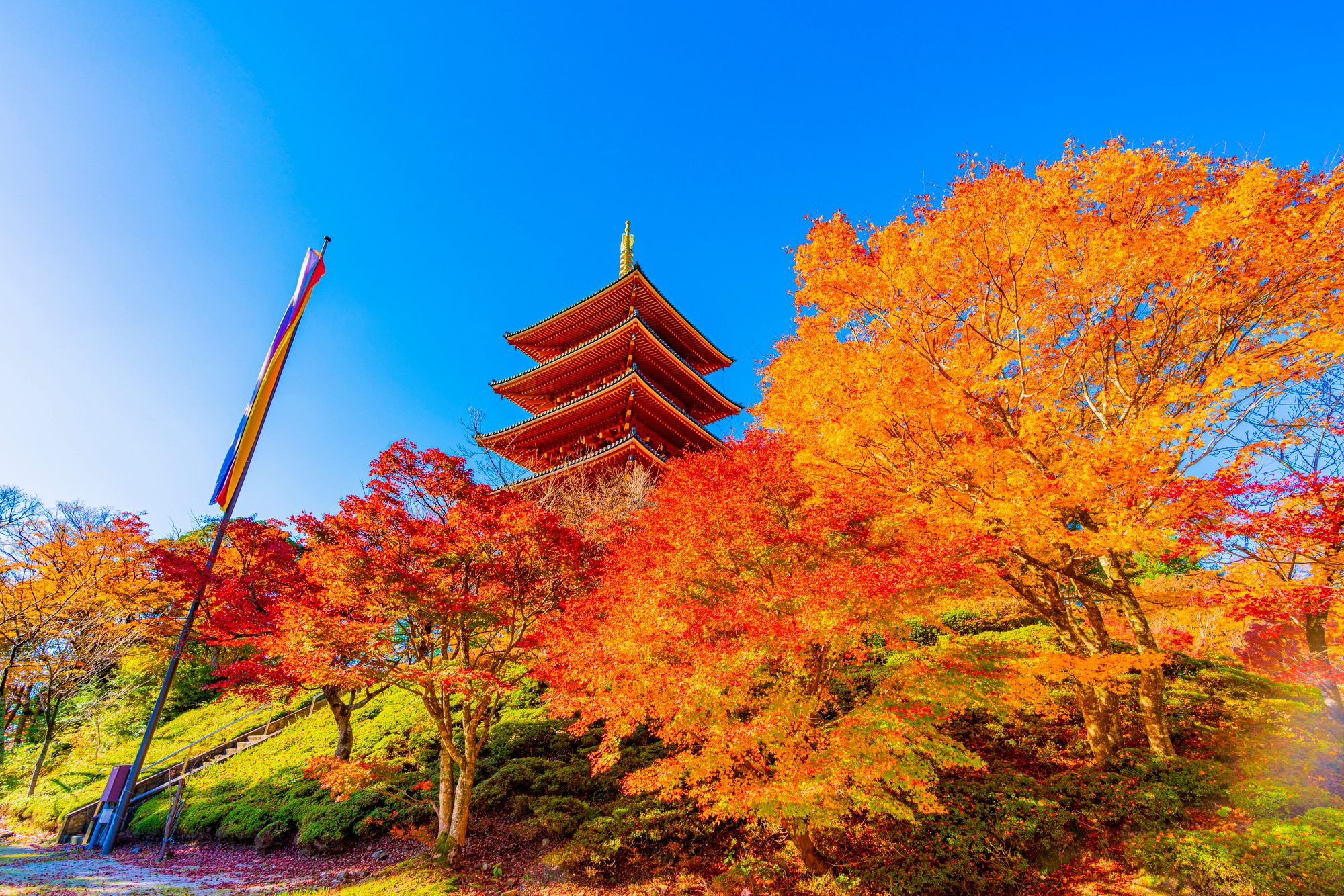
Ine is not the place for foliage, but the Amanohashidate area has one of the best-known displays in northern Kyoto.
Nariai-ji, a temple on the hillside above the sandbar, is both a foliage site and one of the finest viewpoints over Amanohashidate. Colored trees and the sandbar spread out below, in a single view. The foliage is usually at its best from mid- to late November.
If you are combining Ine with Amanohashidate, building Nariai-ji into an autumn itinerary is well worth it.
Winter (late December–February): snow, silence, and the most photogenic Ine of the year
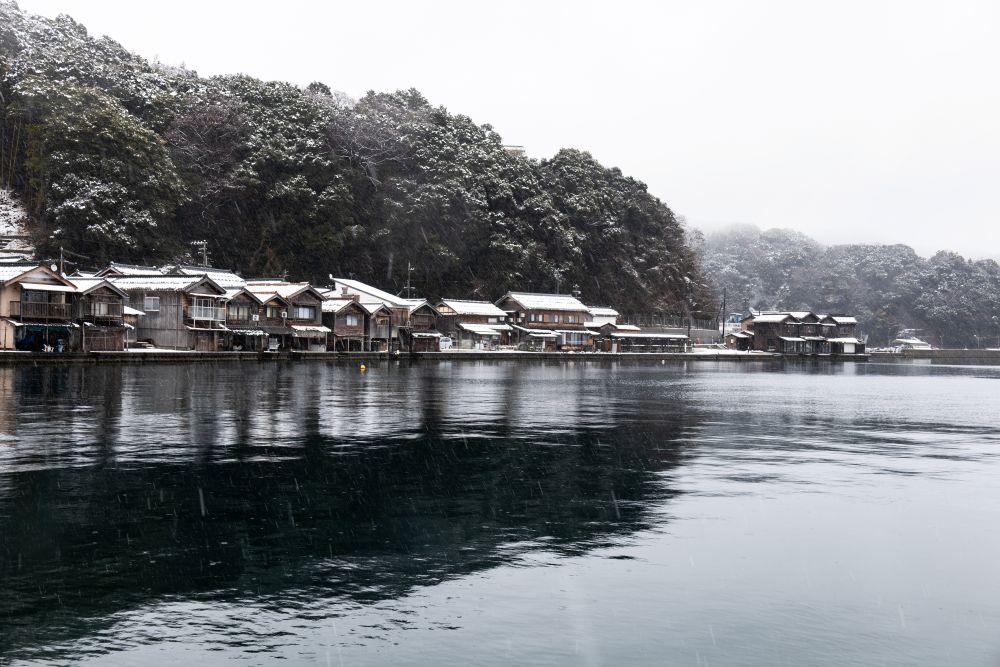
From late December through February, Ine is at its quietest and its most photogenic.
Snow falls steadily on the funaya, and cloud settles on the mountains behind them. The scene, drawn in nothing but white and ink gray, runs along the bay for about 230 houses. It is a completely different Ine from the one you see on a clear day: an Ine that looks like an ink-wash painting.
Snow also absorbs sound. Voices and the noise of the water fall away, and in the silence the one thing you hear is the long whistle of a black kite (tonbi). This quiet exists only on a snowy day in Ine.
There are also few other visitors. You can walk the road in front of the funaya hearing only your own footsteps, and a sightseeing boat or sea taxi can feel like having the bay to yourself.
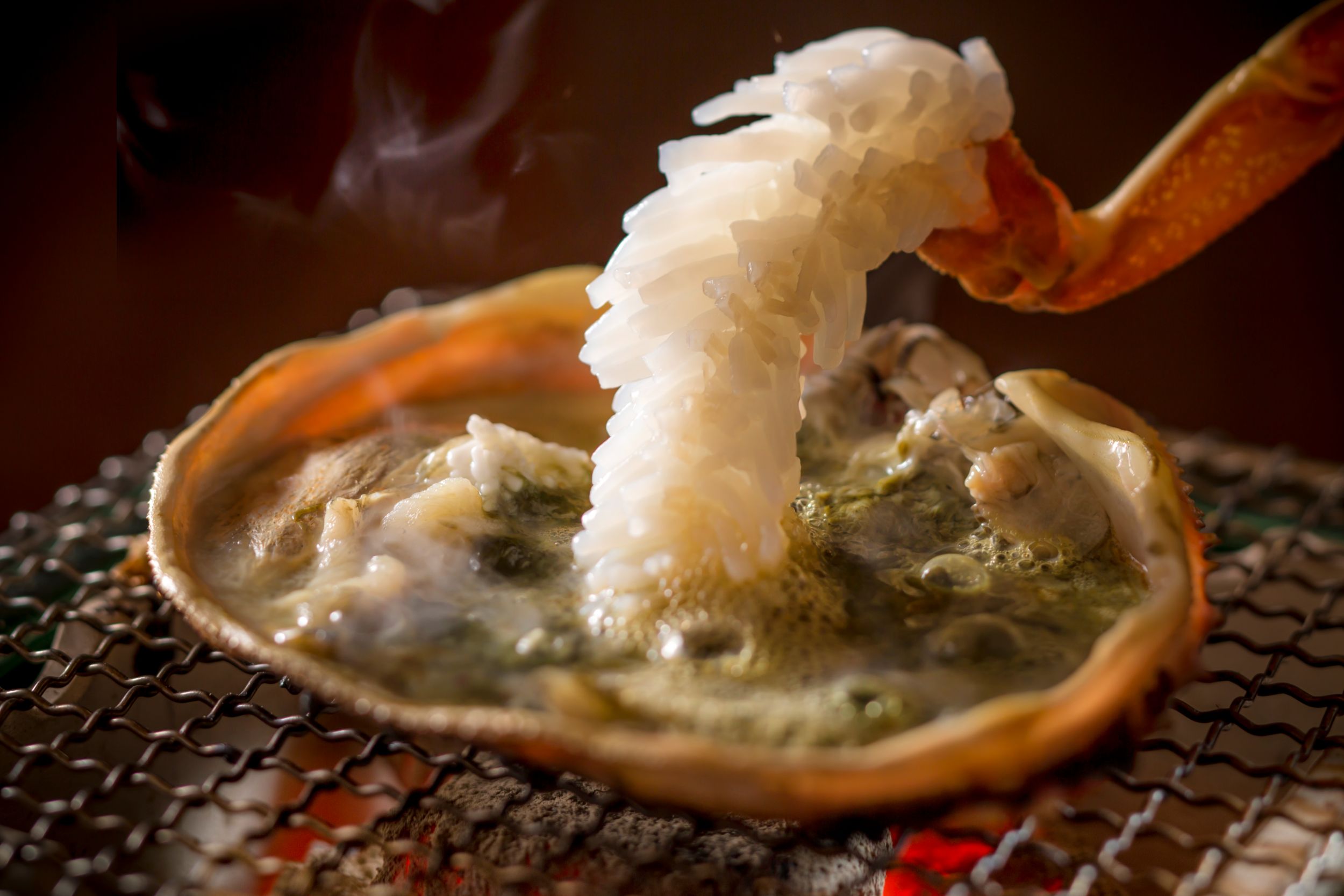
Winter is the richest season of the year for food. Snow crab and winter yellowtail are in season at the same time only in winter. Ine yellowtail, heavy with fat, comes from the migratory fish that pass through this bay.
The water is exposed to the wind, so a windproof jacket and gloves are worth bringing. Not having to think about the cold makes it easier to concentrate on the view.
How much snow falls varies from year to year. Snowfall in Tango has been decreasing, so seeing Ine under snow is a matter of luck. Going with that expectation means winter in Ine works whether it snows or not.

Choosing a season by what you want
A first visit to Ine
April–May or October–November. The climate is gentle enough for both walking and photography.
Photography
A clear, still morning in October or November. Clear air, calm water, and a realistic sunrise time.
Sightseeing and crab together
6 November to early December. Kyoto’s snow crab season opens, and it is not yet as cold as midwinter.
A quiet Ine
A weekday in January or February. Cold, but you can walk the funaya without crowds even in the middle of the day.
Keeping costs down
March. Late in the crab season, when prices have settled and accommodation is cheaper than over the New Year.
In closing: choose the season, then choose the day
Ine is a place where the view changes a great deal with the season.
Spring or autumn for a first visit. An autumn morning for photography. From 6 November to early December for sightseeing and crab. Midwinter for quiet. Choose the time that matches what you are after.
Then watch the weather and the wind on the day. On a clear, still day, Ine Bay looks exactly as it does in the photographs.
The morning and evening hours, when Ine is at its best, are difficult to reach on a day trip. Miyazu and Ine have places to stay built around good food and hot springs, so it is worth spending a night in the area.
More of the Amanohashidate area
-

[Kyoto Amanohashidate] Autumn Color Seen from Above, and a Morning at the Boat Houses: A Night in Amanohashidate and Ine
-
[Kyoto] The Ine Boat Houses: Scenery, Food, Where to Stay and How to Get There
-
Amanohashidate Guide: What Makes Japan’s Famous Sandbar Special, the Five Great Views, Access, Food, and Seasons
-
Explore the Sacred Shrines & Temples of Amanohashidate: Pray for Love, Wisdom & Success
-
[Kyoto] How to Enjoy Amanohashidate – A 2-Day Model Course from Kyoto to Amanohashidate & Ine
-
8 Hot Spring Ryokans with Excellent Food in Miyazu and Amanohashidate, Kyoto