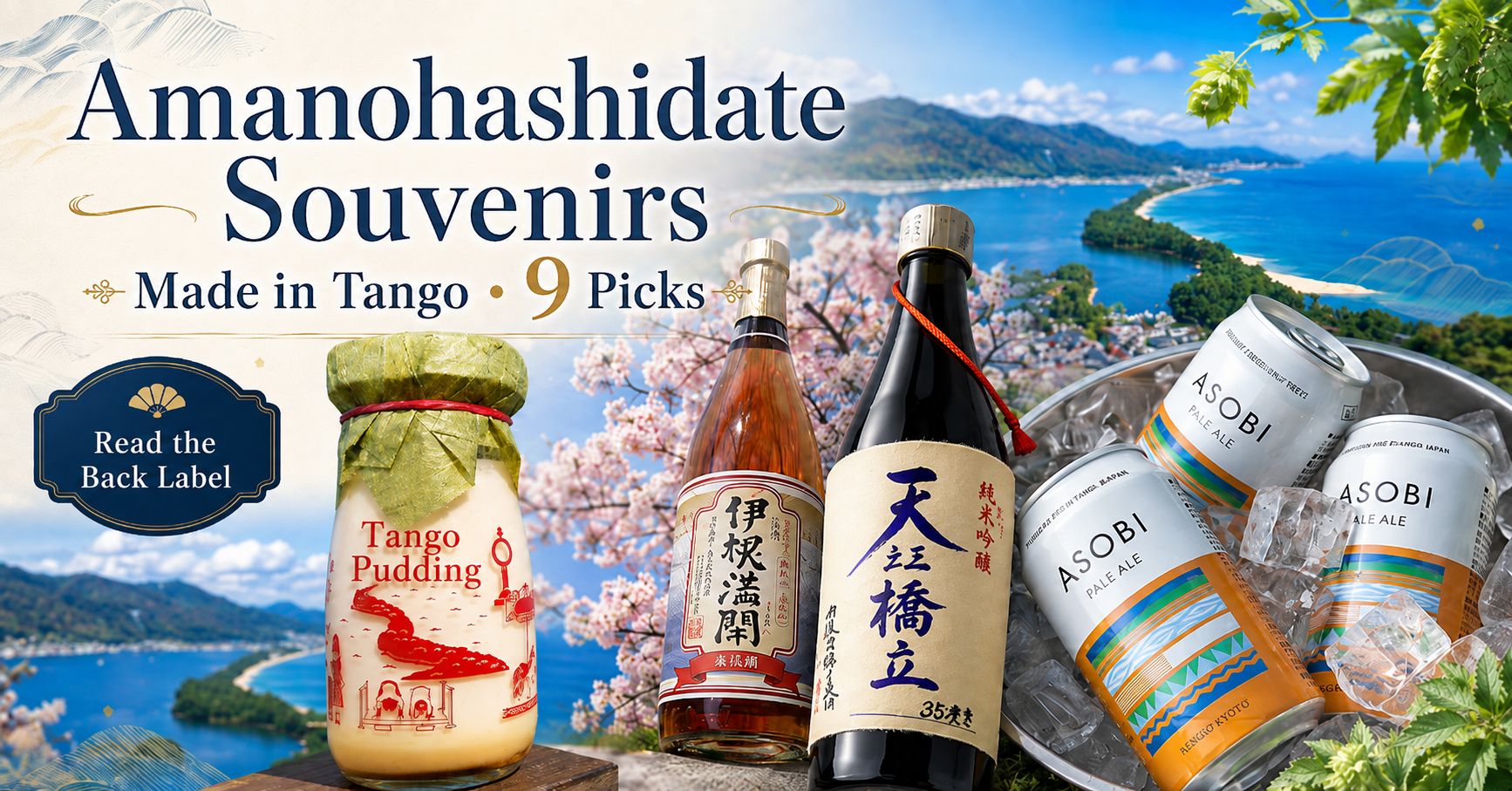
You have made it to Amanohashidate. Now, what do you take home?
Walk through the shops around Amanohashidate Station or the Monju district and you will find sweets, seafood, sake, pudding — a wall of options. It can be hard to know where to start.
So here is one simple approach: pick at least one thing that was actually made here.
Packaging often says “Amanohashidate” or “Tango” in large letters, but turn the box over and the manufacturer’s address can be somewhere else entirely. That is not a bad thing. But if you have traveled all the way to northern Kyoto, it is worth bringing home one item directly connected to the farming, fishing and brewing that happens here.
This guide covers 8 souvenirs actually produced in Tango, and exactly where to buy each one.
At a glance: 8 Tango souvenirs compared
Shelf life and how easily each one travels are included, since both matter when you are flying home.
| Item | Maker | Location | Shelf life | Travels well? | Where to buy |
|---|---|---|---|---|---|
| Junmai Fuji Vinegar | Iio Jozo | Miyazu, Oda-Shukuno | Long | Glass bottle, heavy | Brewery / souvenir shops / Amity Tango |
| Sake “Koden” | Hakurei Shuzo | Miyazu, Yura | Long | Glass bottle, wrap well | Ten-no-Kura / sake shops |
| Ine Mankai | Mukai Shuzo | Ine, Hirata | Long | Glass bottle, wrap well | Mukai Shuzo / shops in Ine |
| Amanohashidate Oil Sardines | Takenaka Kanzume | Miyazu, Oda-Shukuno | Very long | Best: shelf-stable, light | Souvenir shops / Amity Tango |
| Heshiko (rice-bran-cured fish) | Heshiko Kobo HISAMI etc. | Kyotango, Taiza | Medium | Needs chilling, strong smell | Workshop / Michi-no-Eki Tango Kingdom |
| Craft beer “ASOBI” | Kakehashi Brewing | Yosano | Shorter | Bottle/can, keep cool | Stockists around Amanohashidate |
| Dried fish & chirimen jako | Tango seafood processors | Miyazu / Ine / Kyotango | Varies | Some need chilling | Fish shops / roadside stations |
| Olive oil | MAEDA OLIVE FARM | Miyazu, Nakano area | Long | Glass bottle, heavy | Farm direct / stockists |
Prices and availability change. Please check each producer’s official website before you go.
Iio Jozo “Junmai Fuji Vinegar” — Tango rice, turned into vinegar in Miyazu
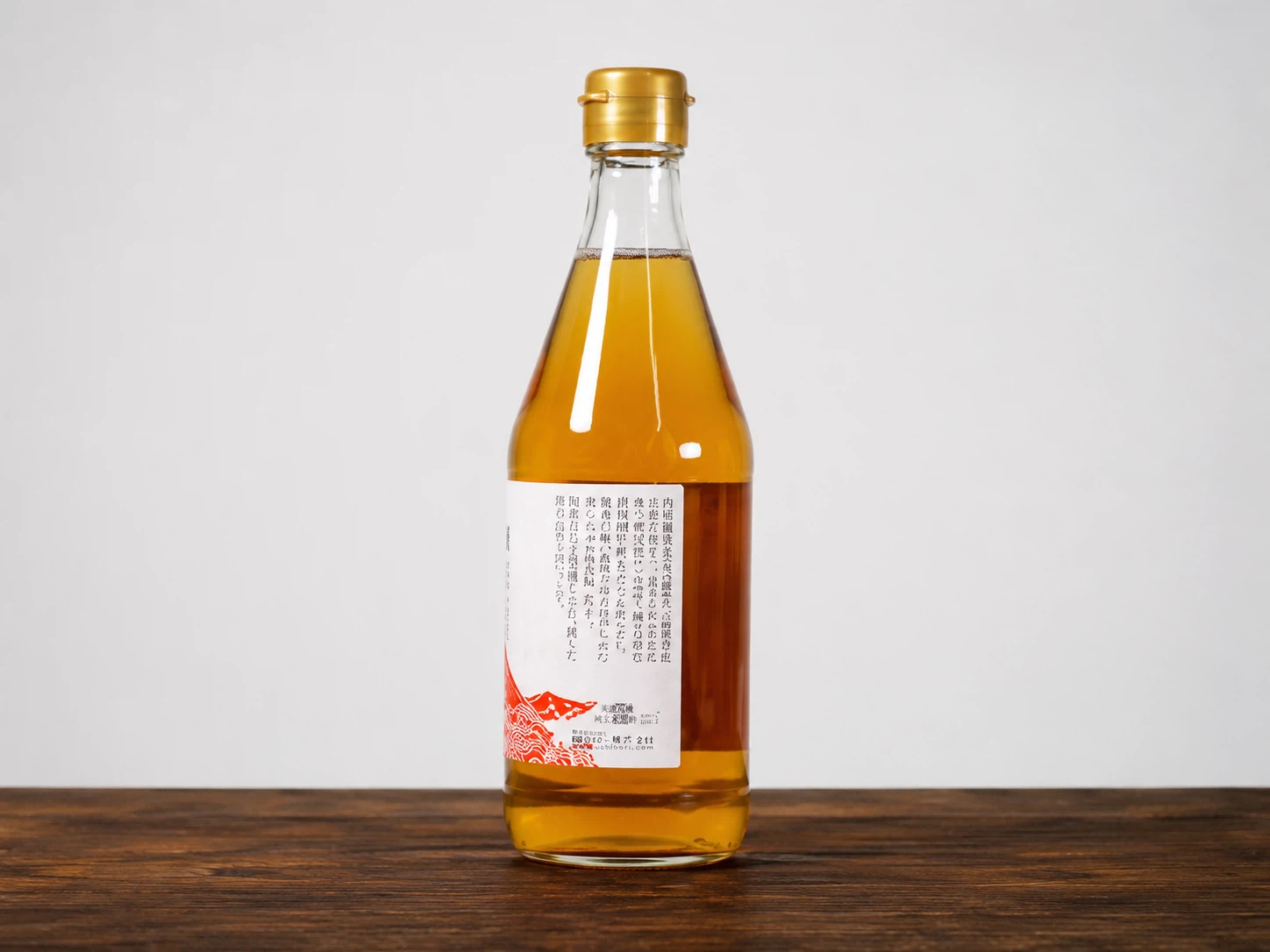
Start with Iio Jozo, a vinegar brewery in the Oda-Shukuno district of Miyazu.
Their flagship Junmai Fuji Vinegar is made from rice grown in Tango, using static surface fermentation — a traditional method where a bacterial film forms on the surface of the tank and acetic fermentation proceeds slowly. It takes far more time and labour than modern rapid methods.
Vinegar is an unusual souvenir, admittedly. But rice harvested in Tango fields, brought to a local brewery, and turned into a product in Miyazu — by the standard of “made here,” nothing is clearer.
It also has the advantage of reminding you of the trip every time you cook. If you have time, skip the souvenir shop and visit the brewery itself.
▶Maker: Iio Jozo Co., Ltd.
▶Address: 373 Oda-Shukuno, Miyazu, Kyoto
▶Where to buy: Iio Jozo, stockists around Amanohashidate and Miyazu, Amity Tango
Sake from Hakurei Shuzo — brewing in Yura since 1832
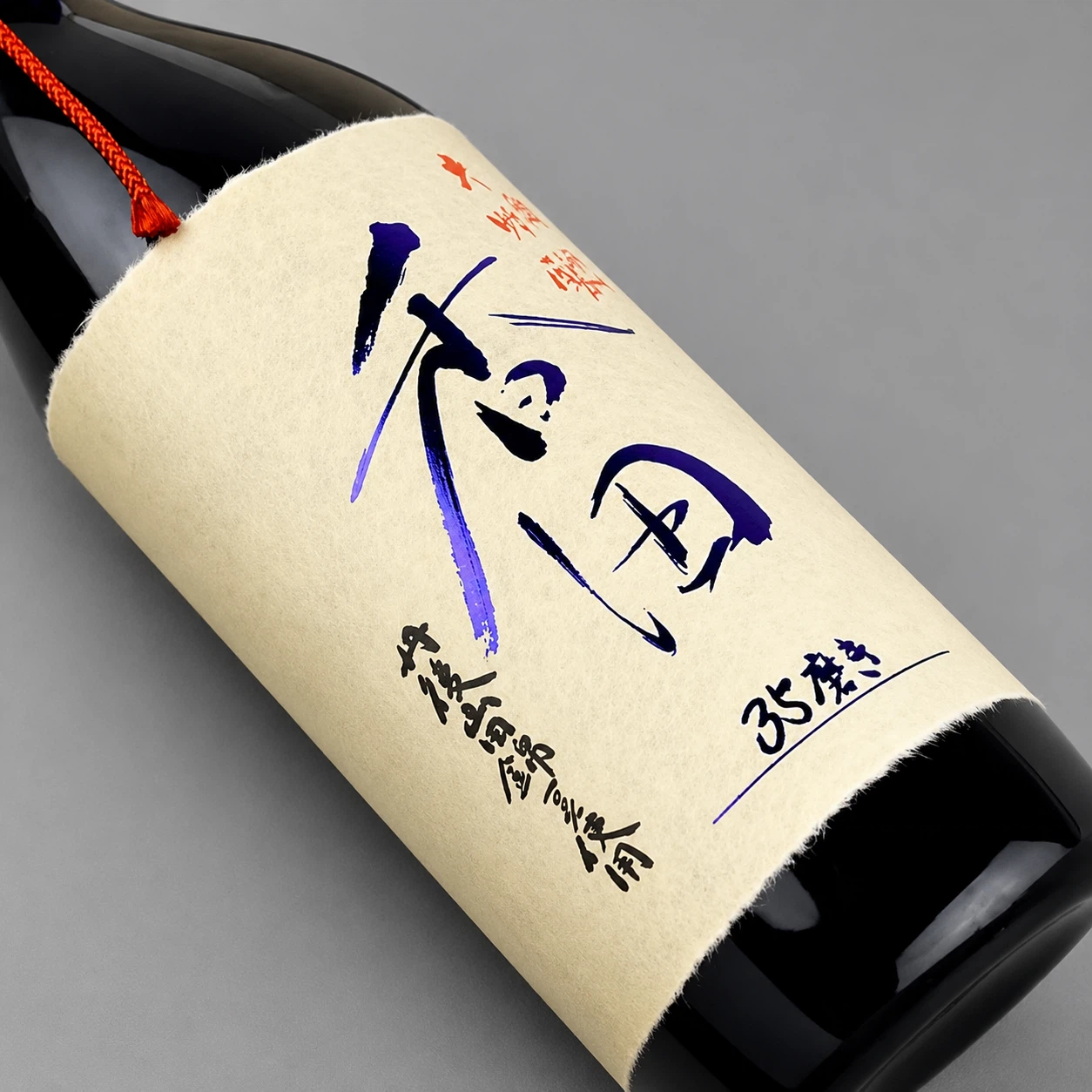
For sake, head to Hakurei Shuzo in the Yura district of Miyazu. Founded in 1832 (Tenpo 3), it has been brewing since the late Edo period.
Water is the foundation of sake, and Hakurei draws on the clean water flowing down from Mt. Yura. Sake lets you taste a region’s water, its rice, and the food it is meant to accompany — pair it with Tango seafood or heshiko and you can recreate the local table back home.
The brewery runs a shop called Ten-no-Kura, where you can choose a bottle in the place it was actually made. If you are unsure where to start, try “Koden.”
▶Maker: Hakurei Shuzo Co., Ltd.
▶Address: 949 Yura, Miyazu, Kyoto
▶Where to buy: Hakurei Shuzo “Ten-no-Kura,” sake and souvenir shops around Miyazu and Amanohashidate
Mukai Shuzo “Ine Mankai” — red sake from the boat-house town
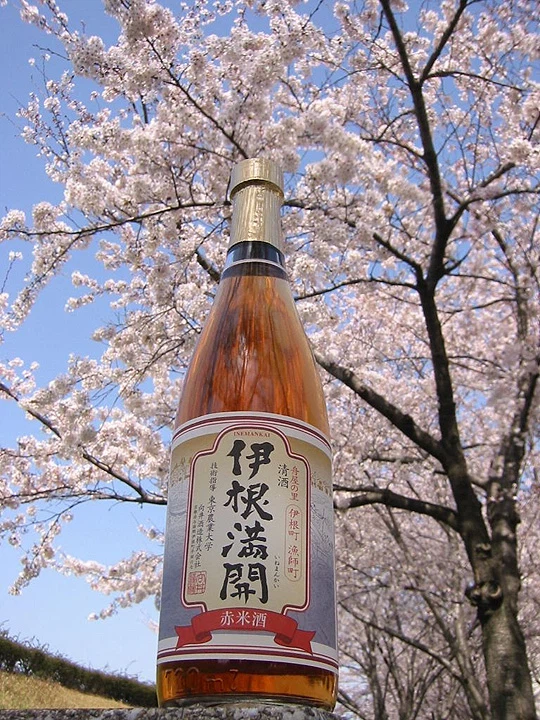
If you are extending your trip north to Ine, do not skip Mukai Shuzo.
This brewery has stood on Ine Bay since 1754 — over 270 years. Its best-known bottle, Ine Mankai, is brewed with ancient red rice and comes out a vivid red. Sweet and tart, it tastes nothing like conventional sake; many people compare it to rosé wine, which makes it an easy entry point for anyone who does not usually drink sake.
Best of all, you buy it at the working brewery while walking through a street of traditional boat houses. The experience comes home with the bottle.
▶Maker: Mukai Shuzo Co., Ltd.
▶Address: 67 Hirata, Ine-cho, Yosa-gun, Kyoto
▶Where to buy: Mukai Shuzo, shops in Ine, sake shops in Miyazu

Takenaka Kanzume “Amanohashidate Oil Sardines” — the easiest one to carry
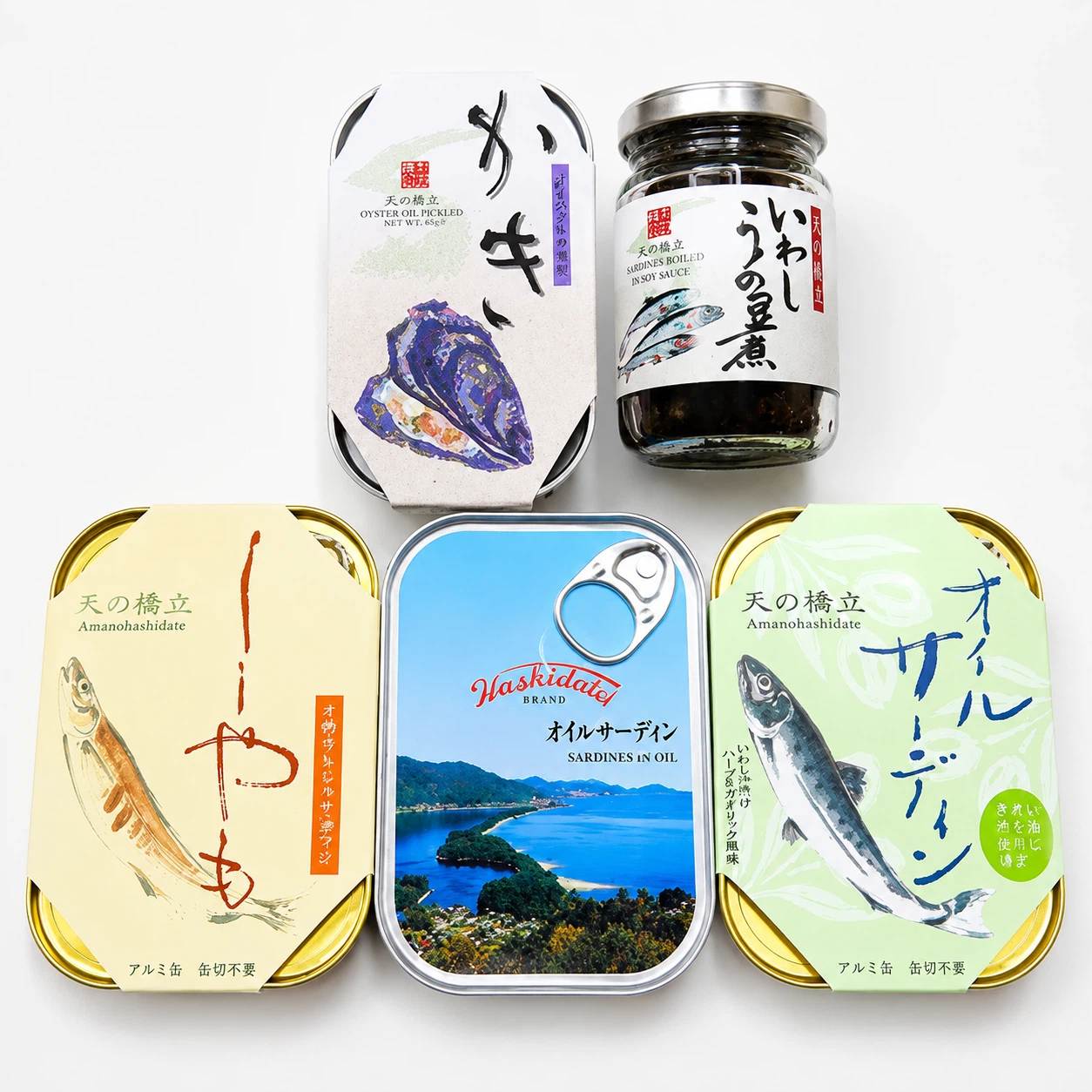
For sheer practicality, nothing beats the Amanohashidate range from Takenaka Kanzume.
The oil sardines are the standout: small sardines laid neatly in the tin and finished simply with cottonseed oil and salt. Good straight from the tin with a drink, good in pasta or salad — and, crucially, shelf-stable and long-lasting. Light in your luggage, and suitable for almost anyone you might give it to.
Takenaka Kanzume is also in Oda-Shukuno, the same district as Iio Jozo, so with a car you can visit both in one stop.
▶Maker: Takenaka Kanzume Co., Ltd.
▶Address: 160-3 Oda-Shukuno, Miyazu, Kyoto
▶Where to buy: Takenaka Kanzume, souvenir shops around Amanohashidate and Miyazu, Amity Tango
Tango heshiko — a preserved food from before refrigeration
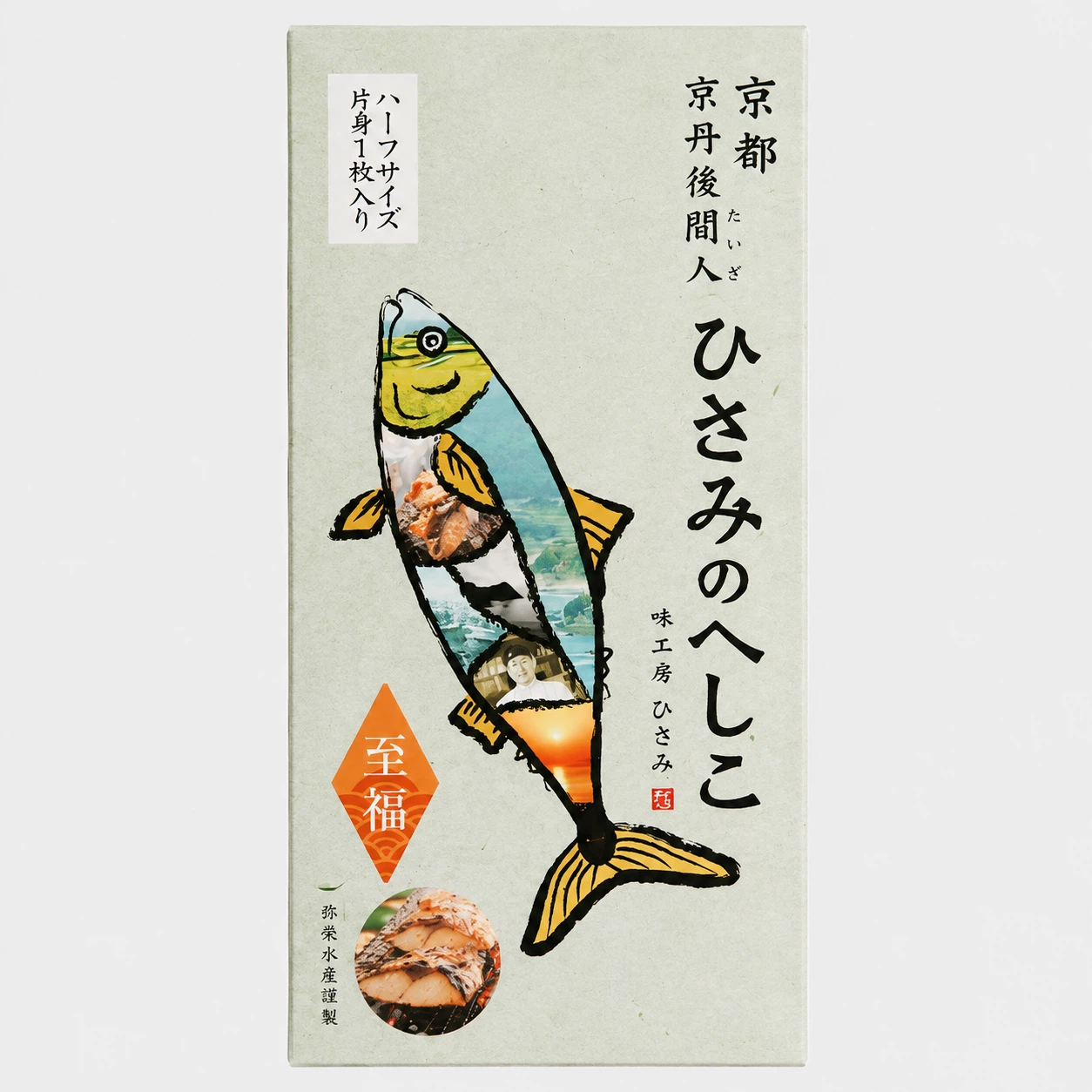
If you want the local food culture itself, that is heshiko.
Heshiko is fish — usually mackerel — salted, then packed in rice bran and aged for months. It has been made along the Sea of Japan coast since long before refrigeration existed.
It is intensely salty, so the standard approach is to slice it thinly as a drinking snack, or serve it over rice with hot tea. A small amount in pasta also works beautifully. Pair it with sake from Hakurei or Mukai and you have the Tango table in miniature.
Several producers make it locally; one is Heshiko Kobo HISAMI in the Taiza district of Kyotango.
▶Representative maker: Heshiko Kobo HISAMI
▶Address: 1820 Taiza, Tango-cho, Kyotango, Kyoto
▶Where to buy: Heshiko Kobo HISAMI, Amity Tango, Michi-no-Eki Tango Kingdom, souvenir shops around Amanohashidate and Tango
Kakehashi Brewing “ASOBI” — hops grown in Yosano
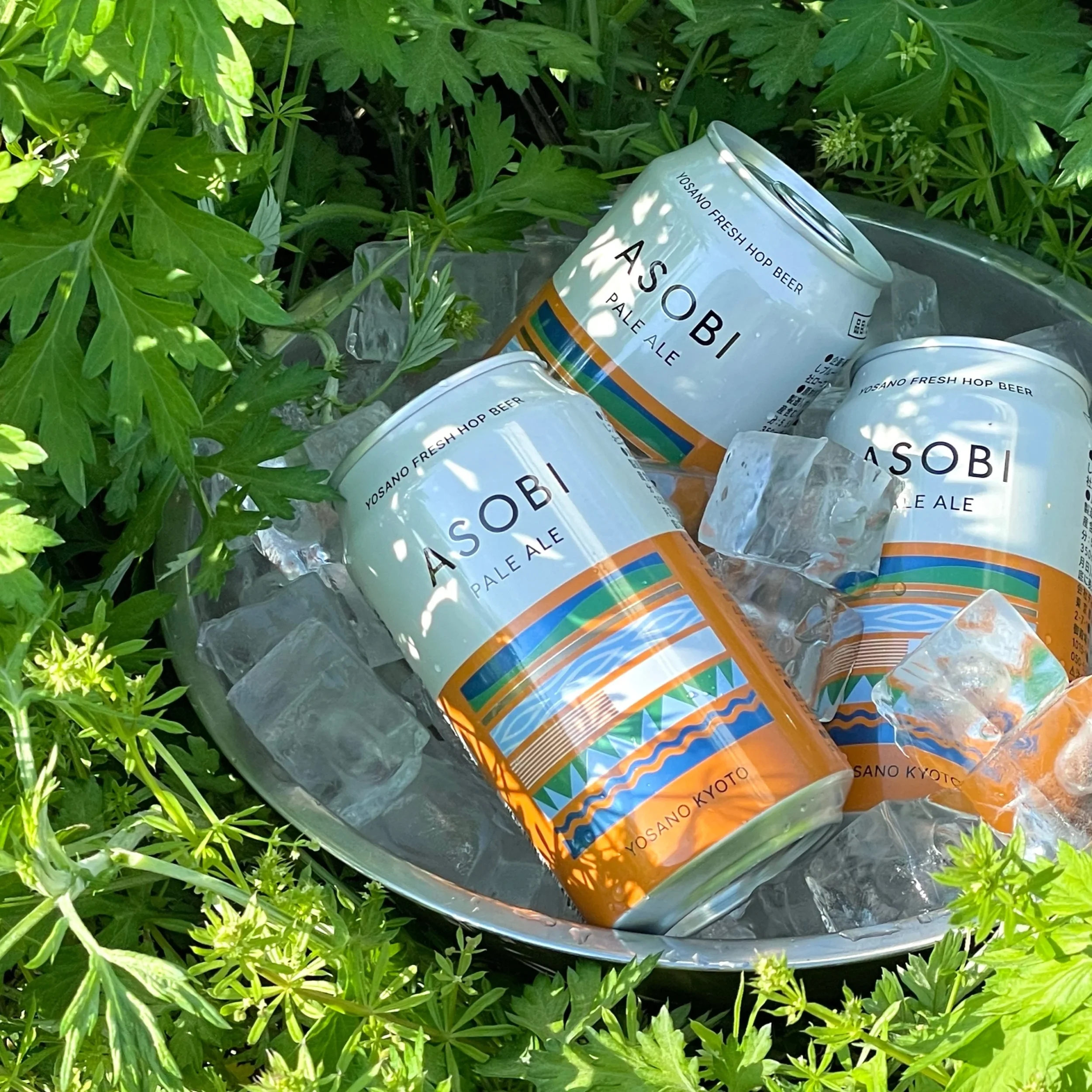
The most interesting new souvenir in the region is a craft beer made with hops grown in Yosano.
Serious hop cultivation there began around 2015. In Japan, the Tohoku region and further north are considered the suitable growing areas, so raising hops in Kansai was an unusual bet.
Yosano hops ripen early, which makes it possible to brew with fresh, just-picked hops. Several varieties are now grown there, and the project has drawn attention from brewers across Japan.
ASOBI, from Kakehashi Brewing, uses them. It is not a centuries-old speciality — but growing the raw ingredient locally, making a product from it, and putting it in a traveller’s hands is exactly what a regional souvenir should do.
▶Product: ASOBI
▶Planning & sales: Kakehashi Brewing
▶Address: 119-5 Otokoyama, Yosano-cho, Yosa-gun, Kyoto
▶Key local ingredient: hops grown in Yosano, Kyoto
▶Where to buy: stockists around Amanohashidate, shops in Yosano and the wider Tango area
Tango seafood products — with dried fish, the label decides it
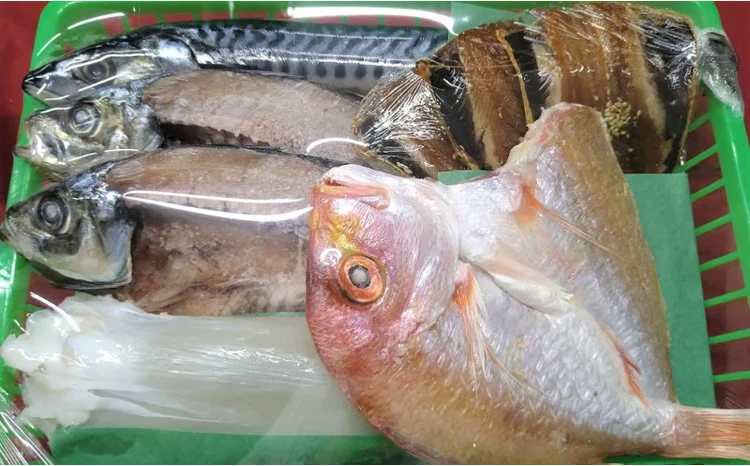
Facing the Sea of Japan, Tango has an obvious speciality in preserved seafood. Himono (dried fish) and chirimen jako (tiny dried sardines) reflect techniques tied to daily life here for centuries.
This is the moment to turn the package over.
Where was the fish caught? Where was it processed? Even with “Tango” or “Amanohashidate” on the front, the origin and processing location vary by product. Find one where local fish was processed by a local business, and you have the most authentically Tango item on the shelf.
▶Main production areas: Miyazu, Ine, Kyotango
▶Where to buy: souvenir shops around Amanohashidate, Amity Tango, Michi-no-Eki Tango Kingdom, fish shops and seafood processors across Tango
MAEDA OLIVE FARM olive oil — a new kind of farming in Miyazu
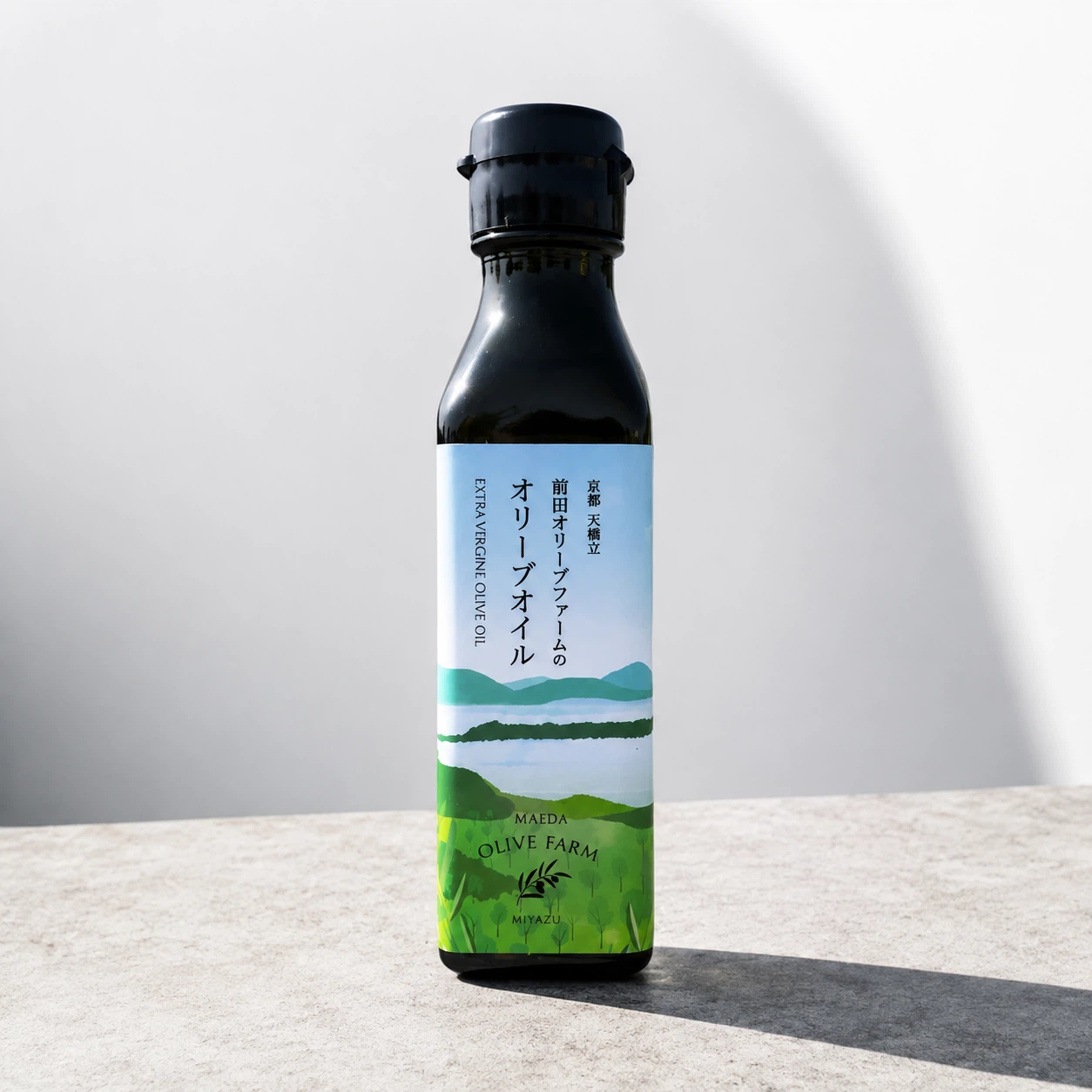
The last item is olive growing, which is now underway in Miyazu.
This is not a centuries-old tradition like sake or heshiko. That is precisely what makes it interesting.
Growing a new crop locally, processing it, and selling it to travellers — if that cycle takes root, it becomes a resource for tourism as well as agriculture. In Miyazu, MAEDA OLIVE FARM is leading the effort.
▶Producer: MAEDA OLIVE FARM
▶Location: Nakano area, Miyazu, Kyoto
▶Where to buy: farm direct, stockists around Miyazu and Amanohashidate
※Availability depends on the harvest and season, so check ahead.
Before you pack these: a few practical notes
Most items here are liquids or processed foods, so keep the following in mind:
- Vinegar, sake, beer and olive oil are all liquids. Anything over 100ml cannot go in your carry-on — pack it in checked luggage and wrap it well
- Alcohol is subject to duty-free allowances; declare anything above the limit
- Heshiko, dried fish and chirimen jako are processed seafood, and import rules differ by country
- Meat products face especially strict import controls in some destinations
Rules change from time to time. Please confirm the current requirements with the customs authority of your home country before you travel.
Where to buy: a shopping map for Amanohashidate and Tango
You can find plenty around Amanohashidate Station and Kasamatsu Park, but if you have time, going to the producers themselves is more rewarding.
Visiting the makers and breweries
- Oda-Shukuno, Miyazu — Iio Jozo and Takenaka Kanzume are in the same area; easy to do both by car
- Yura, Miyazu — Hakurei Shuzo’s shop, Ten-no-Kura
- Hirata, Ine — Mukai Shuzo, best combined with a walk through the boat houses
Visiting the place where something is made, and buying it there, is a small piece of sightseeing in itself.
If you want everything in one stop
- Amity Tango — a broad selection of Tango products
- Michi-no-Eki Tango Kingdom “Shoku no Miyako” — produce and processed goods, plus a place to rest
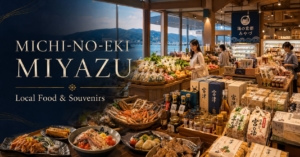
- Michi-no-Eki Umi-no-Kyoto Miyazu — easy to reach from Amanohashidate, with some exclusive items
Mix and match to suit your itinerary: browse near Amanohashidate, drive out to a producer, or gather everything at a roadside station.
Not food? Consider Tango textiles
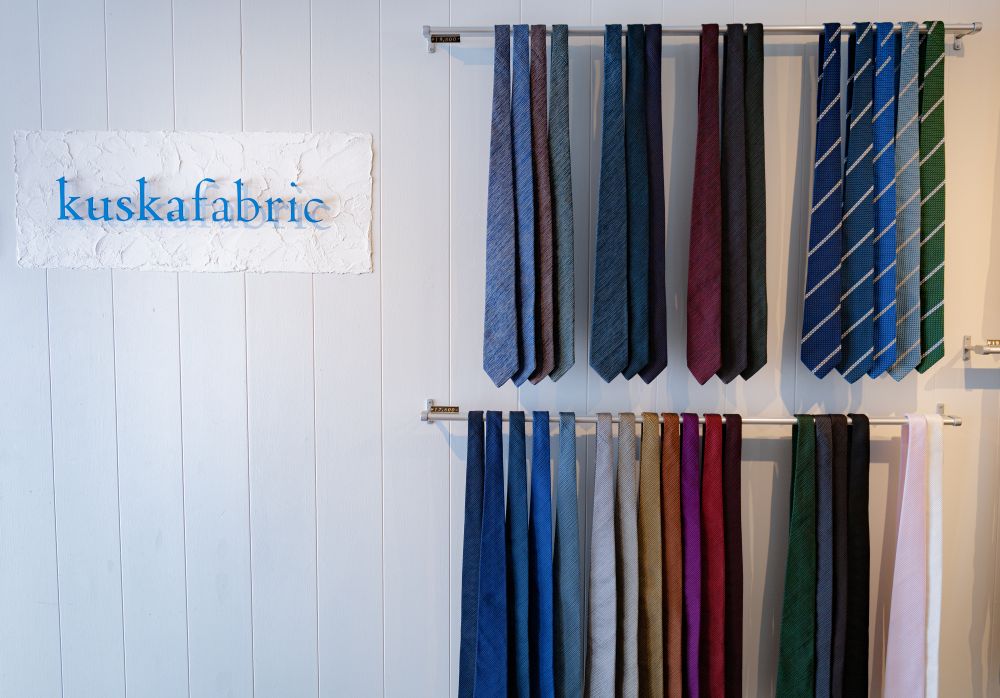
Tango is also the home of Tango chirimen, a silk crepe with more than 300 years of history. If you want a non-food souvenir, look at the textiles made here — hand-woven work from the region has a following well beyond Japan.
Open your souvenirs at the ryokan
Tango sake, heshiko, oil sardines. There is no rule that says you have to wait until you get home — opening one during the trip is part of the fun.
Amanohashidate has plenty of ryokan where you can enjoy a meal and a drink at your own pace.

In closing: next time, turn one package over
Buy the cute sweets. Buy the pudding that appears on everyone’s social media. Buy what you actually want — that comes first.
Then pick one local item as well. The back of a package tells you a lot: ingredients, maker, place of manufacture.
Iio Jozo’s vinegar, sake from Hakurei and Mukai, Takenaka’s oil sardines, Tango heshiko, craft beer from Yosano hops. When you spot “Miyazu,” “Yosano,” “Ine” or “Kyotango” on the label, take a moment to picture the people who made it.
Choosing souvenirs that way is its own way of traveling through Amanohashidate and Tango.