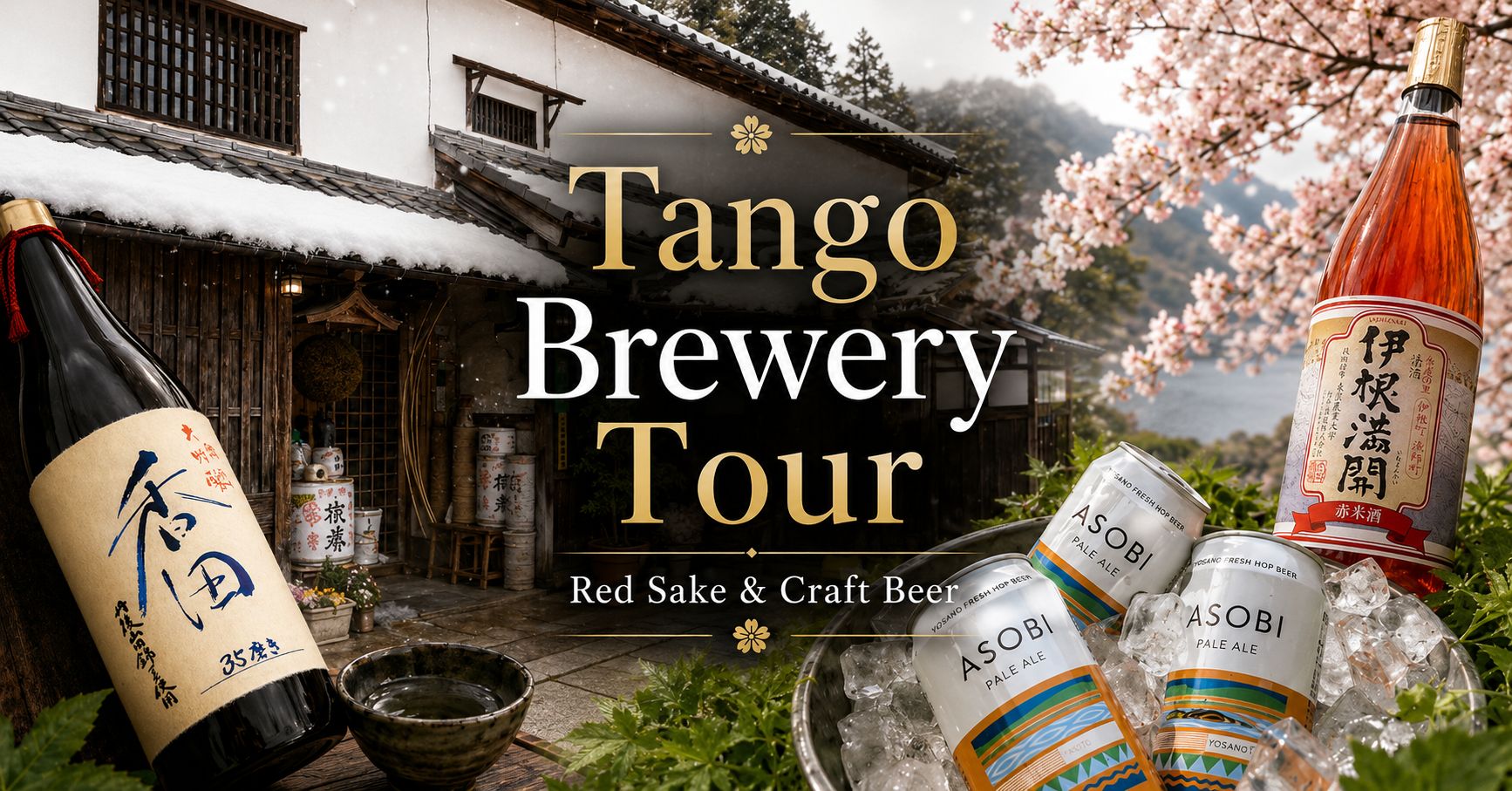
Tango — the region around Japan’s celebrated Amanohashidate sandbar — is also well known for its sake and other locally produced drinks.
Clean water from Mt. Yura, rice from the Tango plain, and seafood from the Sea of Japan. The region brings together many of the elements associated with sake production, along with the food that pairs well with it.
This guide introduces four producers within easy reach of Amanohashidate. Some have been working since the Edo period; one is a newer producer connected to the region’s hop-growing project, which began around 2015. Tango’s brewing culture combines long-established traditions with newer local initiatives.
At a glance: four Tango producers
| Producer | Founded | Location | Signature Product | On-site Shop | From Amanohashidate Stn. |
|---|---|---|---|---|---|
| Hakurei Shuzo | 1832 (Tenpo 3) | Yura, Miyazu | Koden | Ten-no-Kura | approx. 30 min by car |
| Mukai Shuzo | 1754 (Horeki 4) | Hirata, Ine | Kyo-no-Haru / Ine Mankai | Brewery shop | approx. 35 min by car |
| Iio Jozo (vinegar) | 1893 (Meiji 26) | Oda-Shukuno, Miyazu | Junmai Fuji Vinegar | Yes | approx. 15 min by car |
| Kakehashi Brewing | 2010s | Yosano | ASOBI | Mainly via stockists | approx. 25 min by car |
Travel times are approximate. Tours, on-site sales and opening hours can change, so please contact each producer before visiting.
Hakurei Shuzo — brewing with Mt. Yura water since 1832
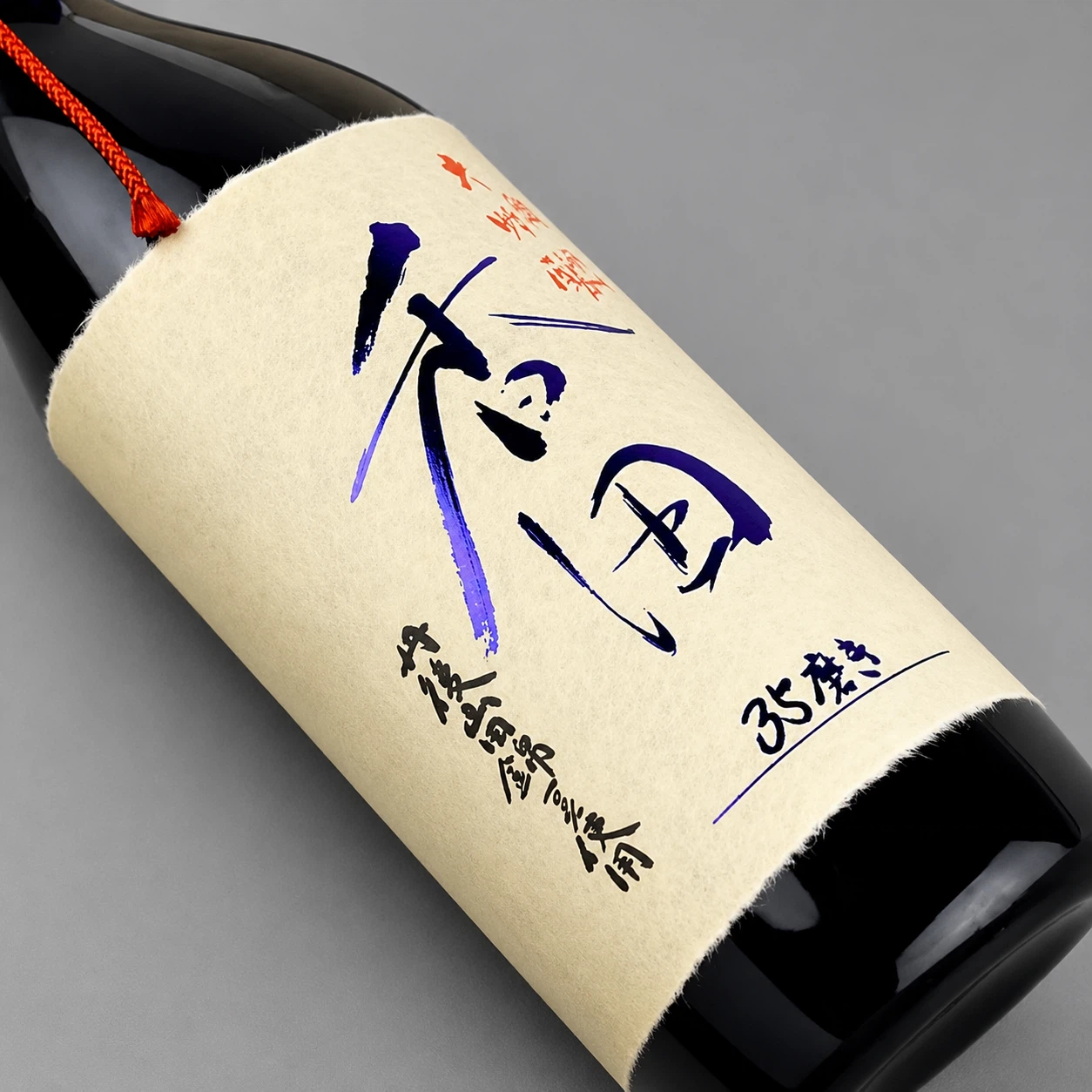
Hakurei Shuzo, in the Yura district of Miyazu, was founded in 1832 and has been brewing since the late Edo period. It is one of the defining sake houses of the Tango region.
Water is the heart of sake, and Hakurei draws on the clean supply flowing down from Mt. Yura — over 190 years of brewing in one place.
The brewery runs a shop called Ten-no-Kura. Choosing a bottle where it was actually made, in air that smells of the brewery, is something no souvenir shop can offer.
If you are unsure where to begin, take “Koden.” Drink it with Tango seafood or heshiko and the local food culture snaps into focus.
▶Hakurei Shuzo Co., Ltd.
▶Address: 949 Yura, Miyazu, Kyoto
▶Shop: Ten-no-Kura
▶From Amanohashidate Station: approx. 30 min by car
Mukai Shuzo — the brewery closest to the sea, and its red sake
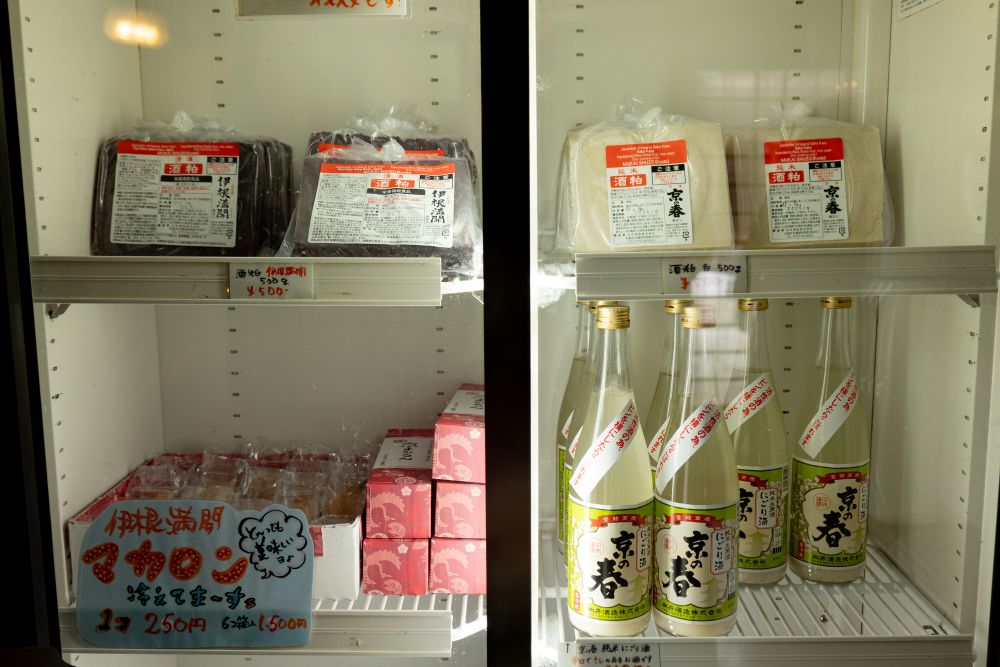
Standing on the edge of Ine Bay, Mukai Shuzo was founded in 1754 and has more than 270 years of history. It sits among the town’s traditional boat houses, and is often described as the sake brewery closest to the sea in Japan.
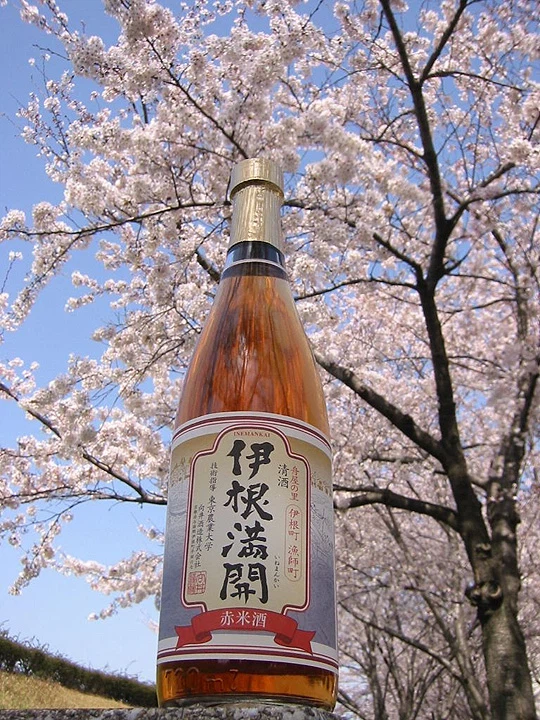
Its signature oddity is Ine Mankai, brewed from ancient red rice and a vivid red in the glass. Sweet and tart, it reads more like rosé wine than sake, which makes it very approachable for anyone new to the drink.
The house’s everyday label is Kyo-no-Haru. A good approach is Kyo-no-Haru with your meal, Ine Mankai as the one to try.
The brewery also sells amazake and macarons made with Ine Mankai lees. The amazake carries the scent of the red rice and makes a good gift for non-drinkers.
▶Mukai Shuzo Co., Ltd.
▶Address: 67 Hirata, Ine-cho, Yosa-gun, Kyoto
▶From Amanohashidate Station: approx. 35 min by car; local buses also available
Iio Jozo — brewing vinegar, not sake
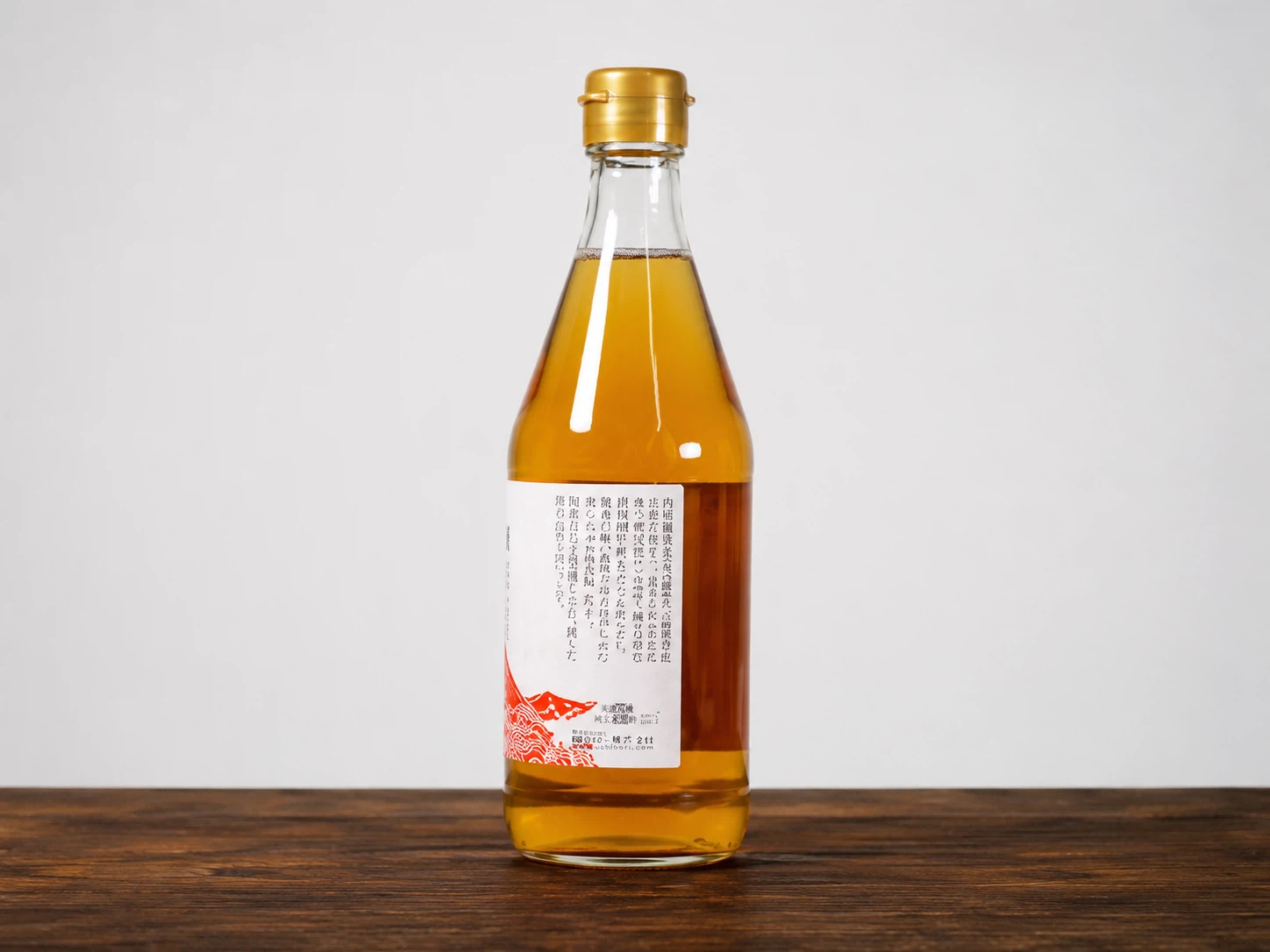
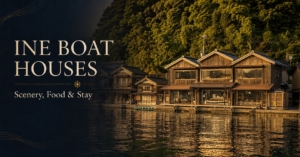
Brewing in Tango is not only about sake. Iio Jozo, in Oda-Shukuno, Miyazu, has been making vinegar since 1893.
Rice vinegar begins as rice wine, which is then converted through acetic fermentation. Vinegar-making is, in other words, an extension of sake-making.
Their Junmai Fuji Vinegar uses rice grown in Tango and the traditional static surface fermentation method — a bacterial film is allowed to form on the surface of the tank and fermentation proceeds slowly, taking far more time and labour than rapid modern processes.
Stopping here on a brewery route shows you how wide the local fermentation culture really is.
▶Iio Jozo Co., Ltd.
▶Address: 373 Oda-Shukuno, Miyazu, Kyoto
▶From Amanohashidate Station: approx. 15 min by car
Kakehashi Brewing “ASOBI” — beer from Yosano hops
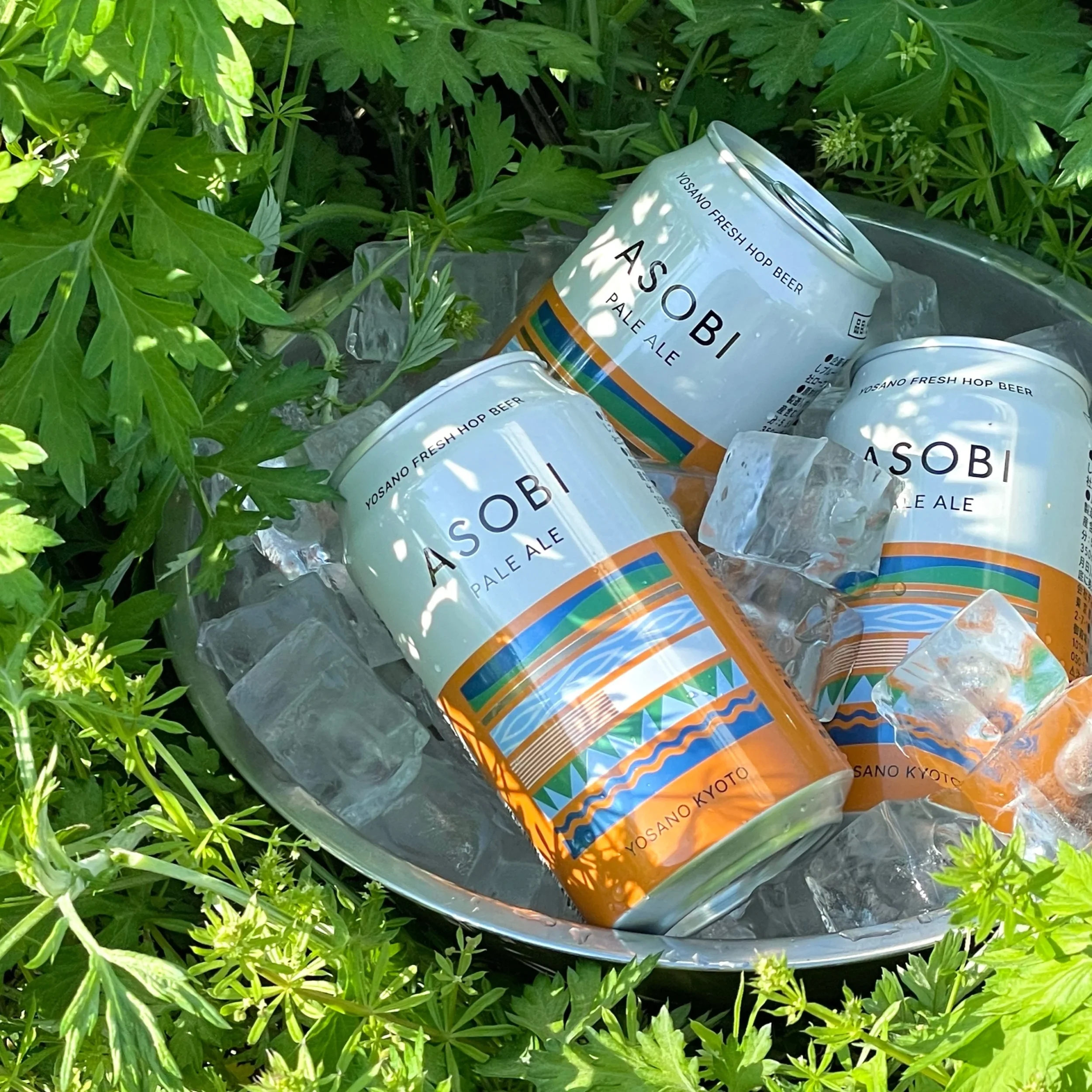
There is a newer current in Tango brewing too: hop growing in Yosano.
It began in earnest around 2015. Since Tohoku and further north are considered Japan’s suitable hop-growing regions, cultivating them in Kansai was an unusual undertaking.
Yosano hops ripen early, which allows brewing with fresh, just-picked hops. Several varieties are grown there now, and brewers across Japan have taken notice.
ASOBI, from Kakehashi Brewing, is made with them — a beer born from the idea of building a new industry for the region, with the aroma and bitterness of Yosano-grown hops.
▶Product: ASOBI / Planning & sales: Kakehashi Brewing
▶Address: 119-5 Otokoyama, Yosano-cho, Yosa-gun, Kyoto
▶Where to buy: stockists around Amanohashidate, shops in Yosano and the wider Tango area
What to drink it with — all from Tango
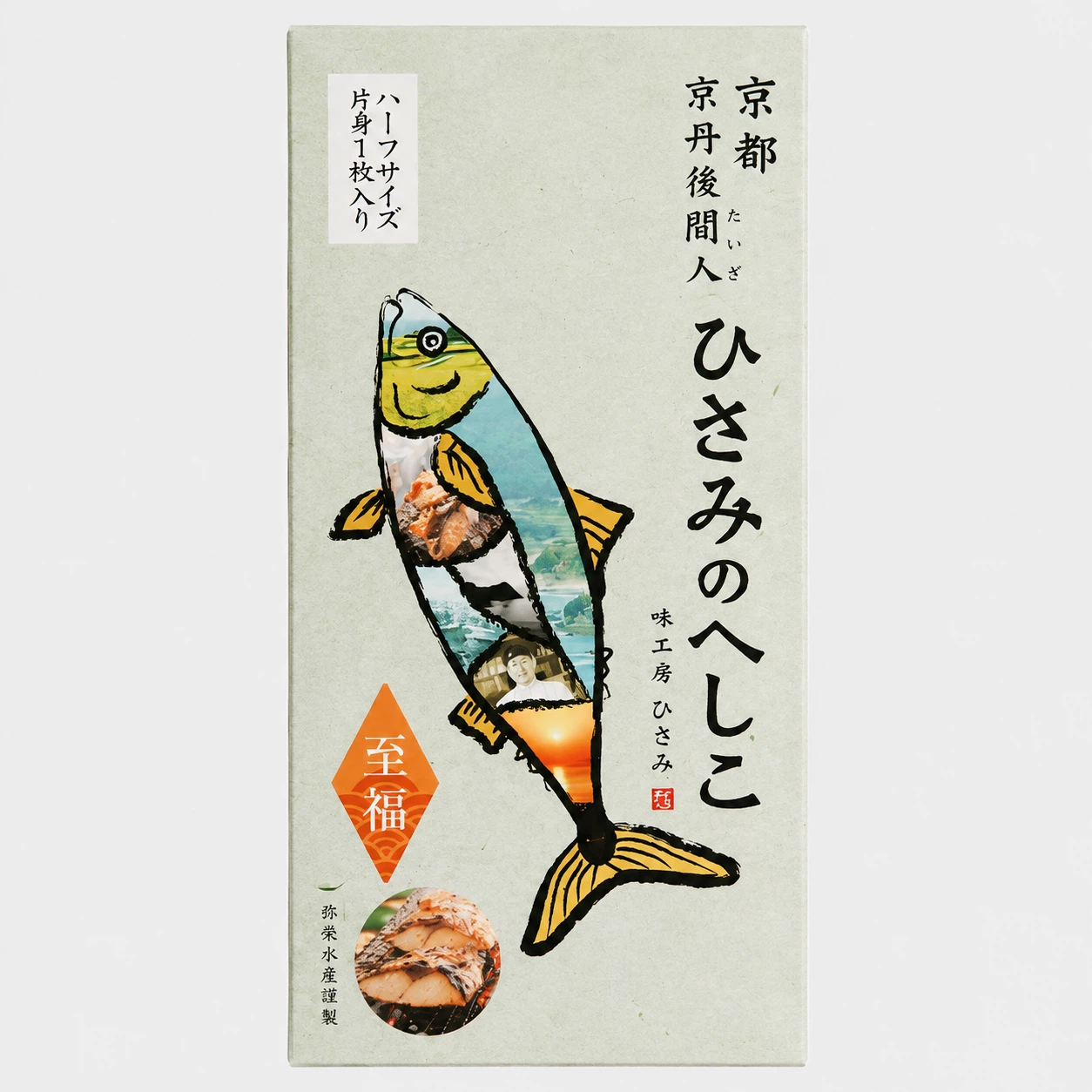
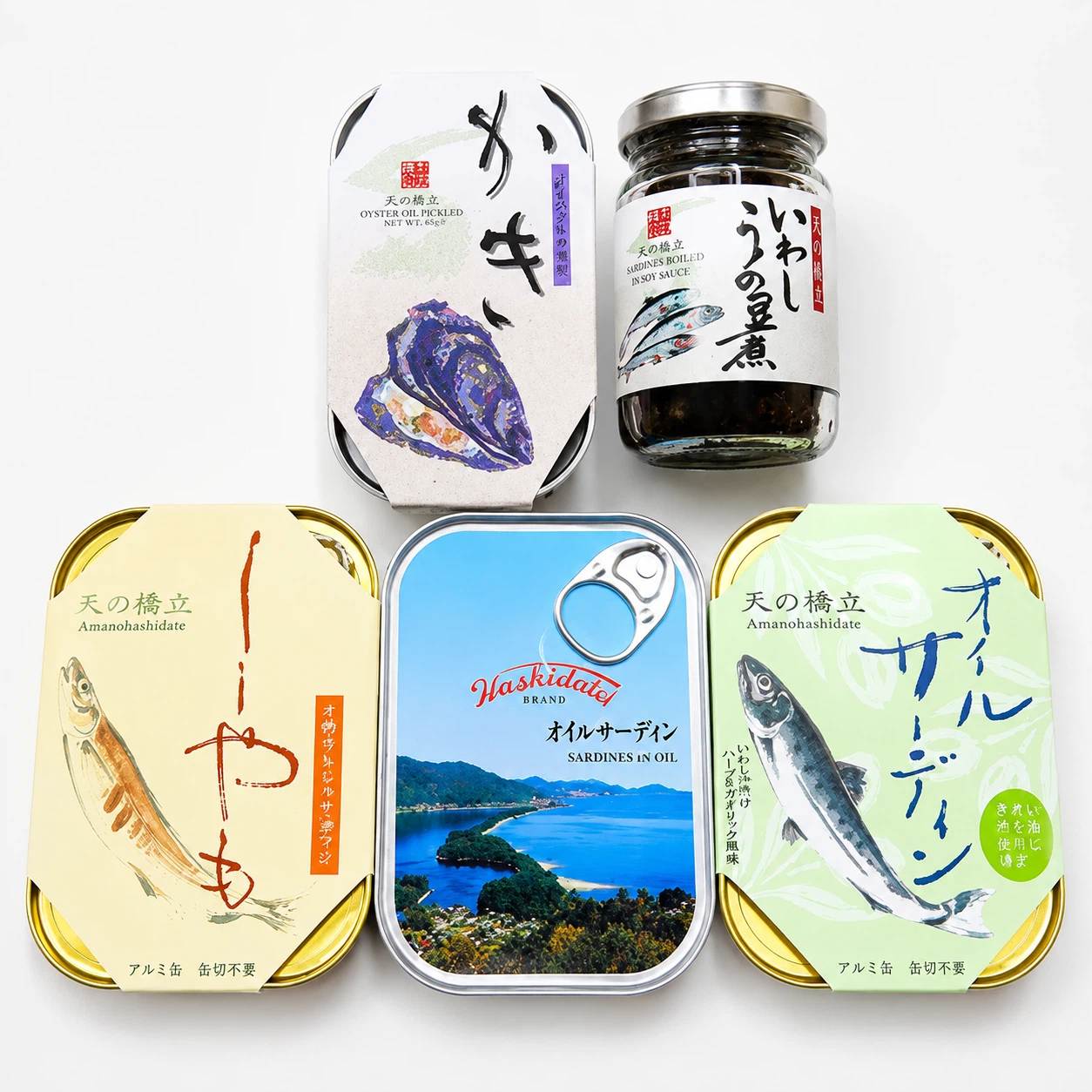
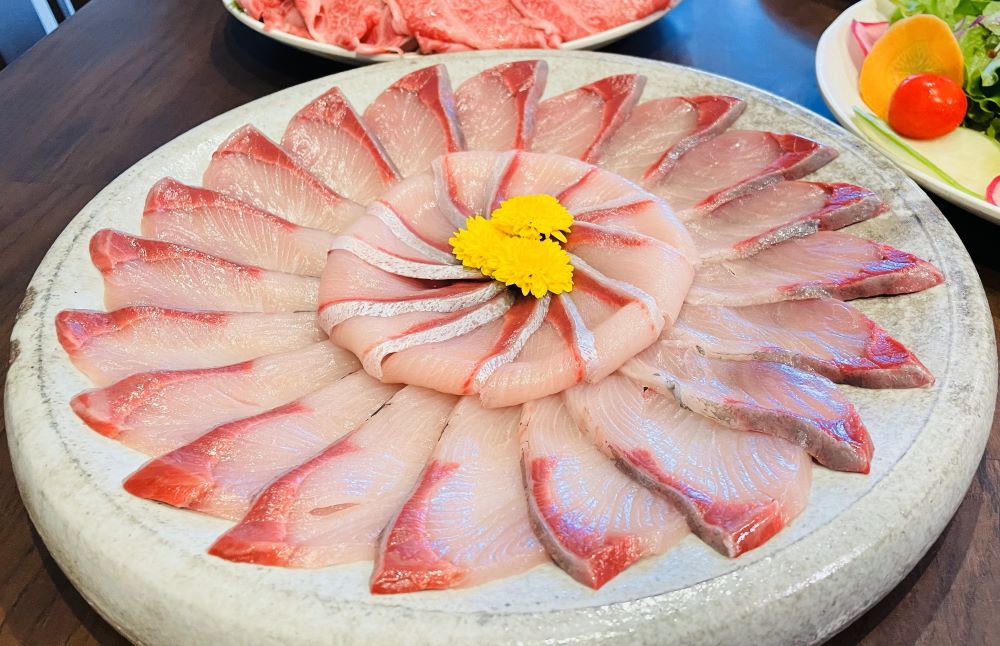
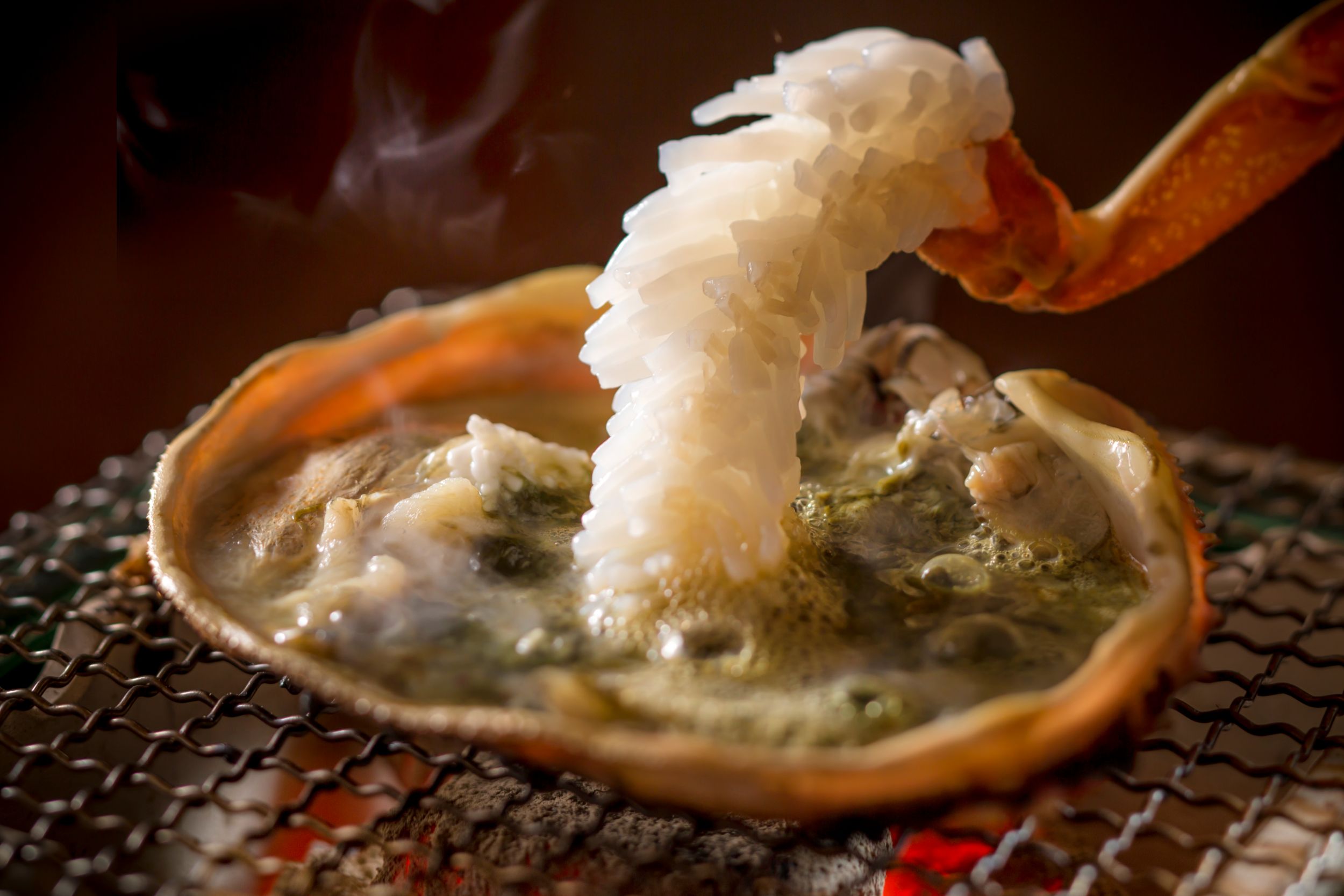
If you have the local drink, get the local food to go with it.
- Heshiko — mackerel cured in salt and rice bran. Slice thin, serve with sake
- Oil sardines — Takenaka Kanzume’s tinned sardines, straight or lightly grilled
- Winter yellowtail (kan-buri) — from November to March, Tango is one of Japan’s three great yellowtail grounds
- Taiza crab — the premium winter brand crab of the Tango coast
Suggested routes: half a day from Amanohashidate
Fitting all four into one day is rushed. Split them by direction instead.
Route A — towards Ine (half day)
10:00 Depart Amanohashidate Station
10:35 Mukai Shuzo, for a bottle of Ine Mankai
11:00 Walk the Ine boat houses; sea taxis and sightseeing boats available
13:00 Lunch at a boat-house cafe or restaurant
15:00 Return to Amanohashidate
Route B — towards Miyazu and Yura (half day)
10:00 Depart Amanohashidate Station
10:15 Iio Jozo (Oda-Shukuno, Miyazu)
10:45 Takenaka Kanzume, same district, for oil sardines
11:30 Hakurei Shuzo “Ten-no-Kura” (Yura, Miyazu)
13:00 Lunch in central Miyazu
14:30 Return to Amanohashidate
Getting there
Amanohashidate is reachable from Kyoto, Osaka and Tokyo by a combination of limited express train, highway bus and car. If you are still planning the trip, start here.

In closing: Tango is still brewing
Four producers, all within reach of Amanohashidate.
One has been brewing since 1832; another produces beer from hops first planted in the area around 2015. Tango’s brewing culture continues to develop alongside its long-established traditions.
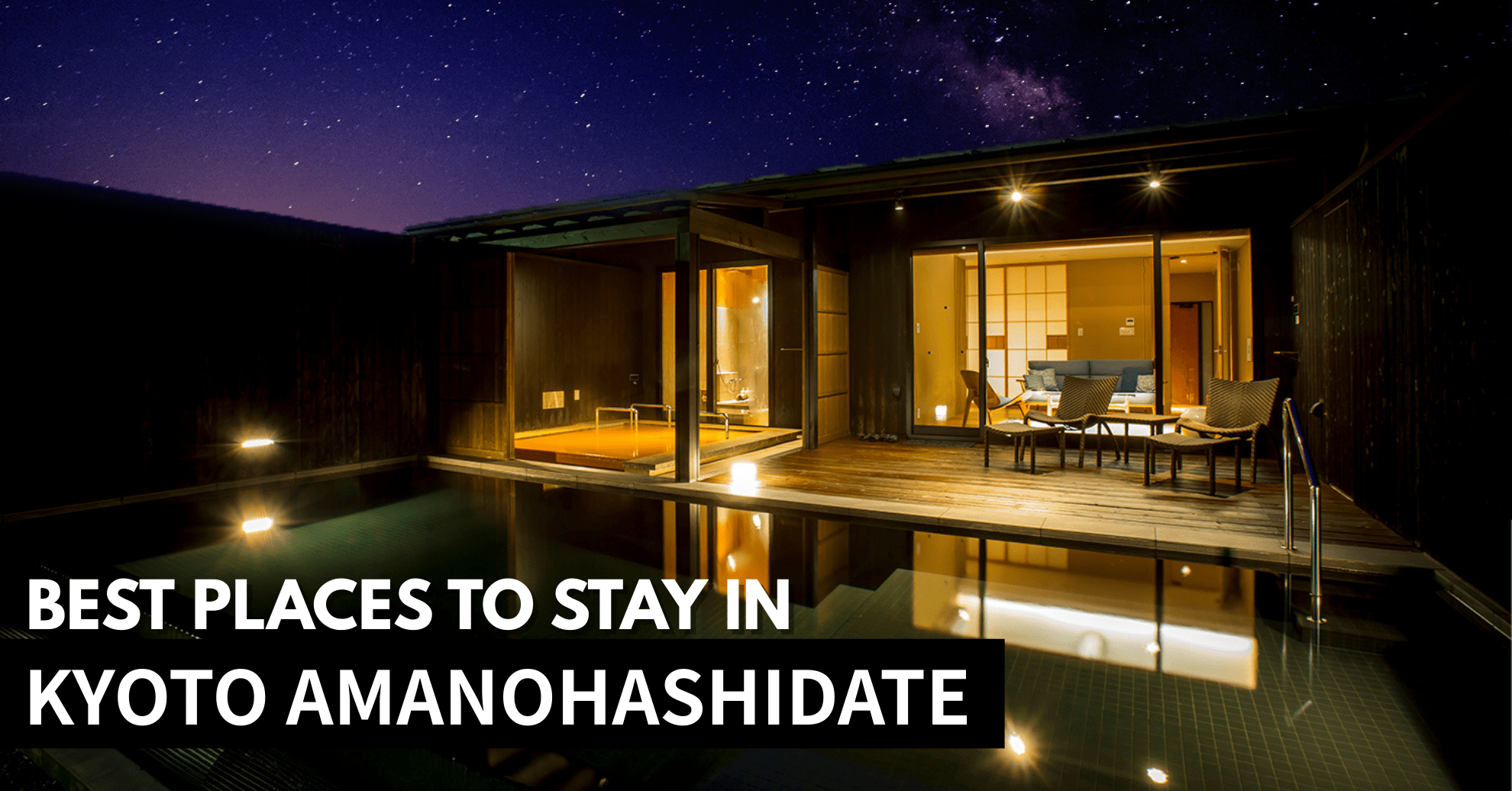
A brewery day ends best by opening the bottle in your room. Amanohashidate has ryokan built around good food and hot springs, so it is worth staying a night in the area and taking your time over what you have bought.
It is a side of the region you will not see from the viewpoint over the sandbar, and it is well worth visiting a brewery in person.
More of the Amanohashidate area
-

Amanohashidate Guide: What Makes Japan’s Famous Sandbar Special, the Five Great Views, Access, Food, and Seasons
-
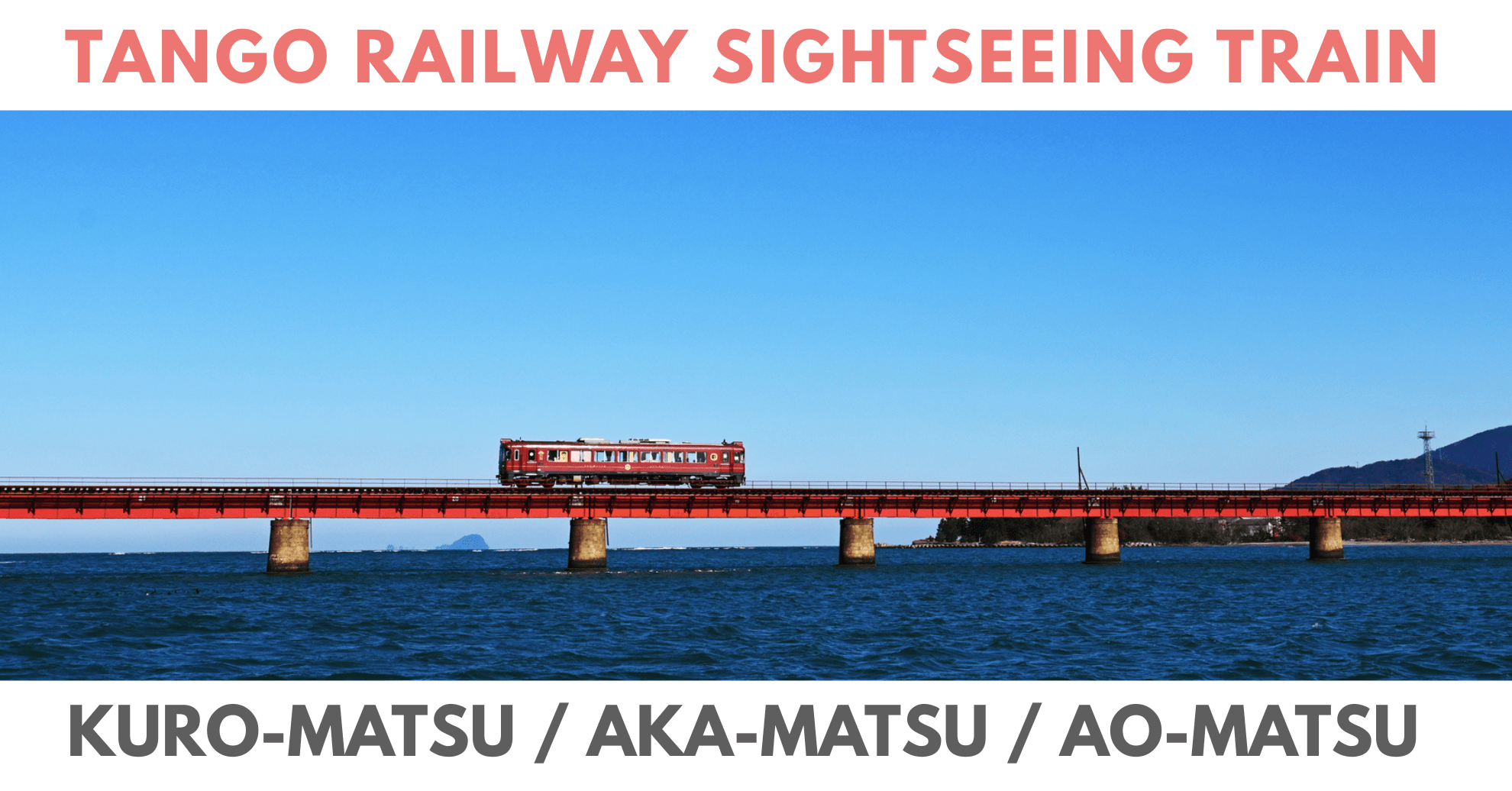
Scenic Tango Railway Journeys: Explore Amanohashidate by Akamatsu, Aomatsu, and Kuromatsu Trains
-
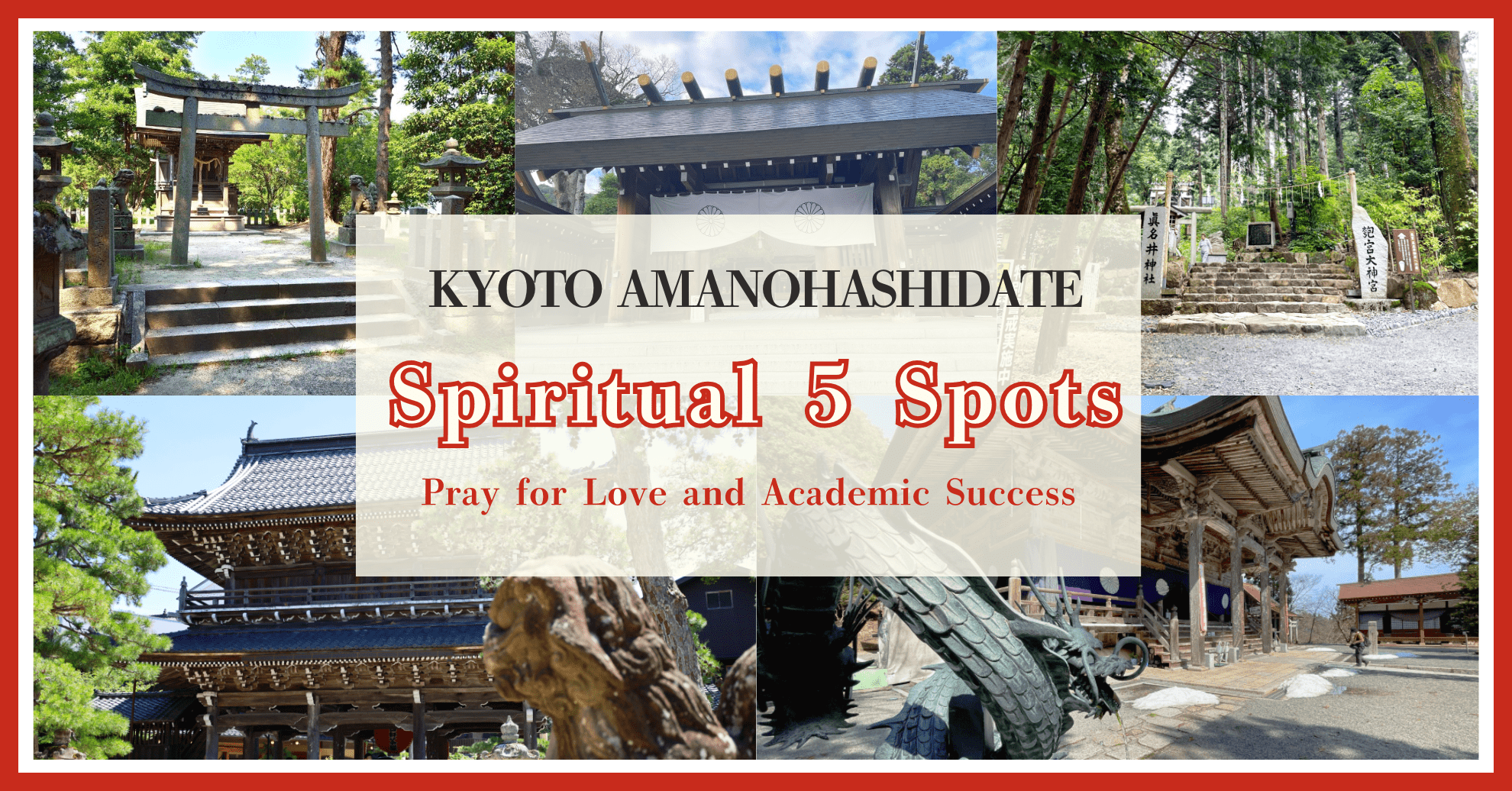
Explore the Sacred Shrines & Temples of Amanohashidate: Pray for Love, Wisdom & Success
-
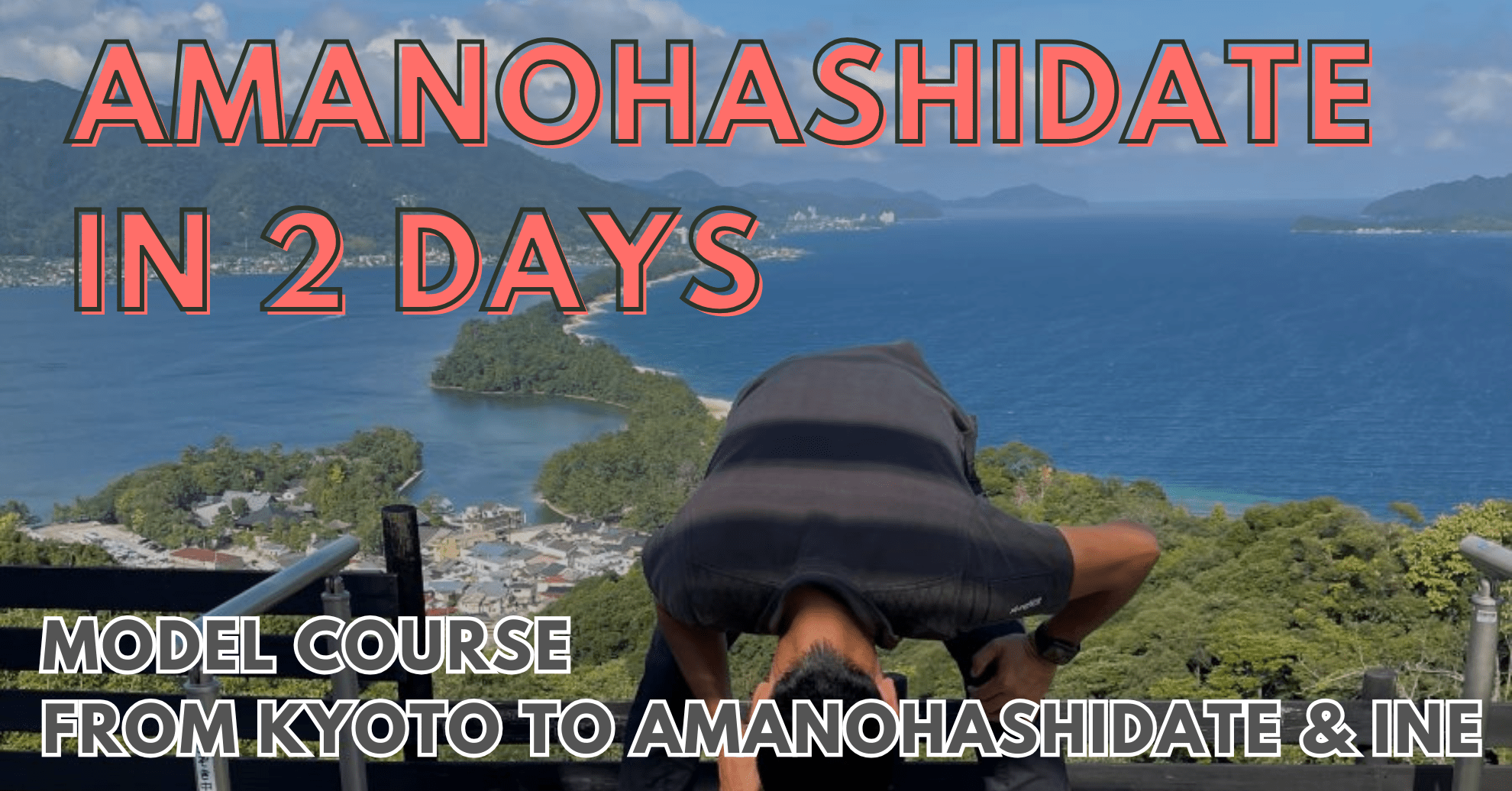
[Kyoto] How to Enjoy Amanohashidate – A 2-Day Model Course from Kyoto to Amanohashidate & Ine
-
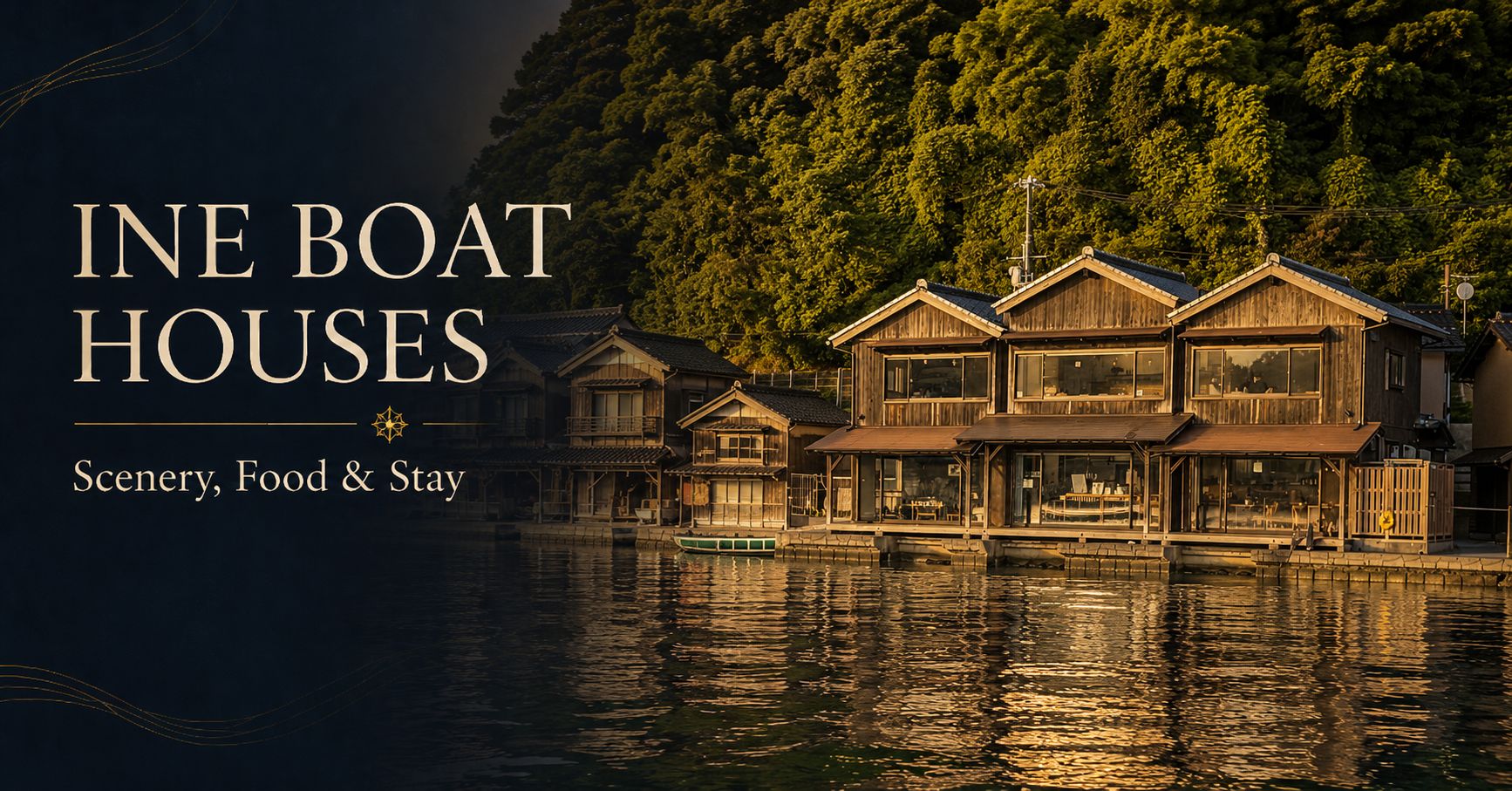
[Kyoto] The Ine Boat Houses: Scenery, Food, Where to Stay and How to Get There
-
8 Hot Spring Ryokans with Excellent Food in Miyazu and Amanohashidate, Kyoto