When you plan a trip, what do you look for in a place to stay?
The criteria change depending on who you travel with and the season, but many people put in-room dining near the top of the list: a good meal in a private space.
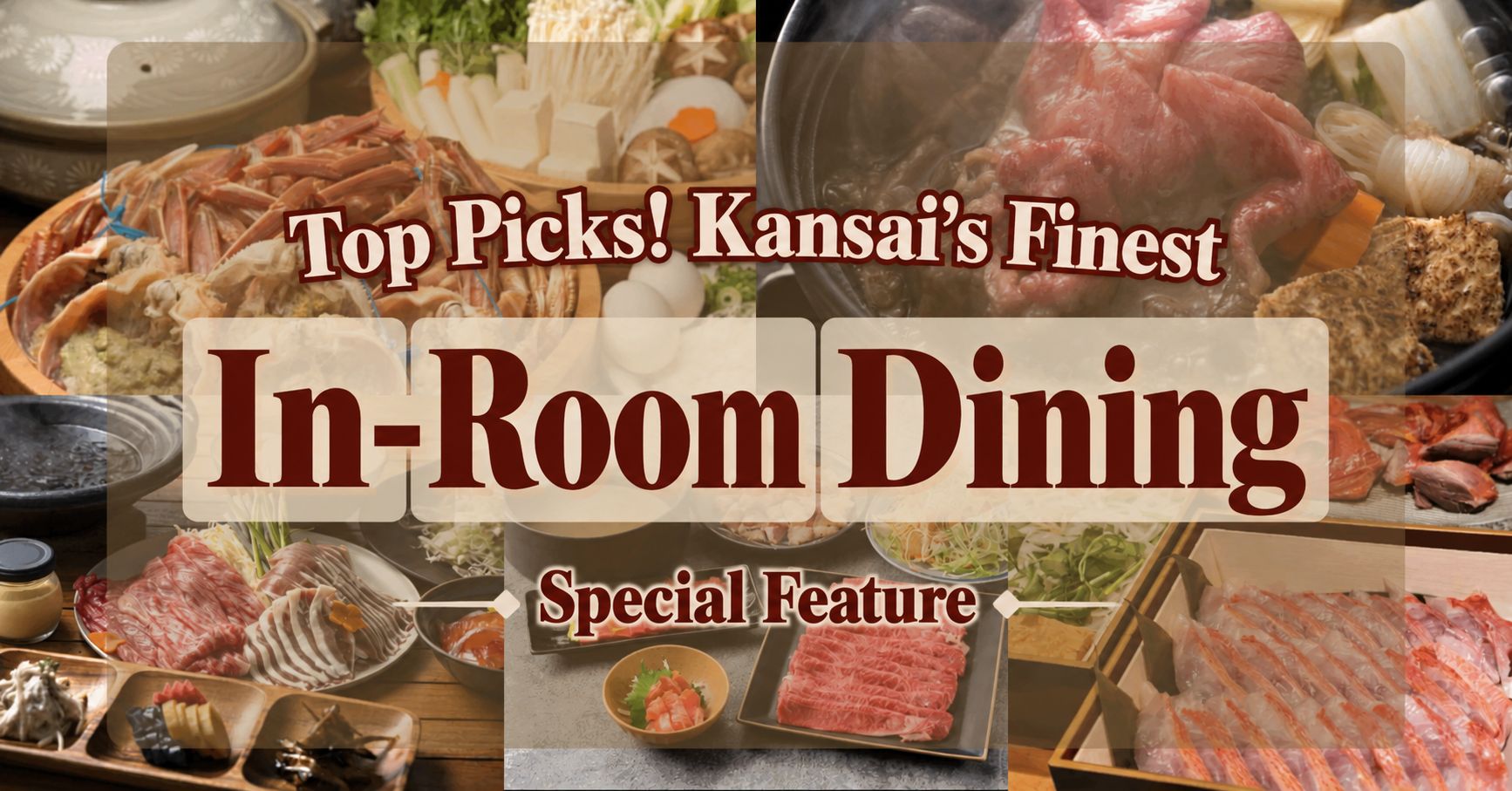
In the Kansai region, in-room menus include a full course of branded crab in Amanohashidate, Kyoto Prefecture, shabu-shabu and sukiyaki made with Awaji beef on Awaji Island, Hyogo Prefecture, and Omi beef shabu-shabu around Lake Biwa in Shiga Prefecture.
This article covers each of these in-room menus and the places that serve them. It should be useful if you are planning a trip to one of these areas.
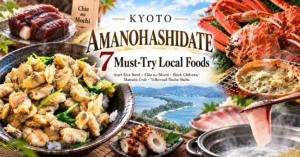
[Kyoto] A Full Course of Branded Crab: the Crab Marché (November–March)
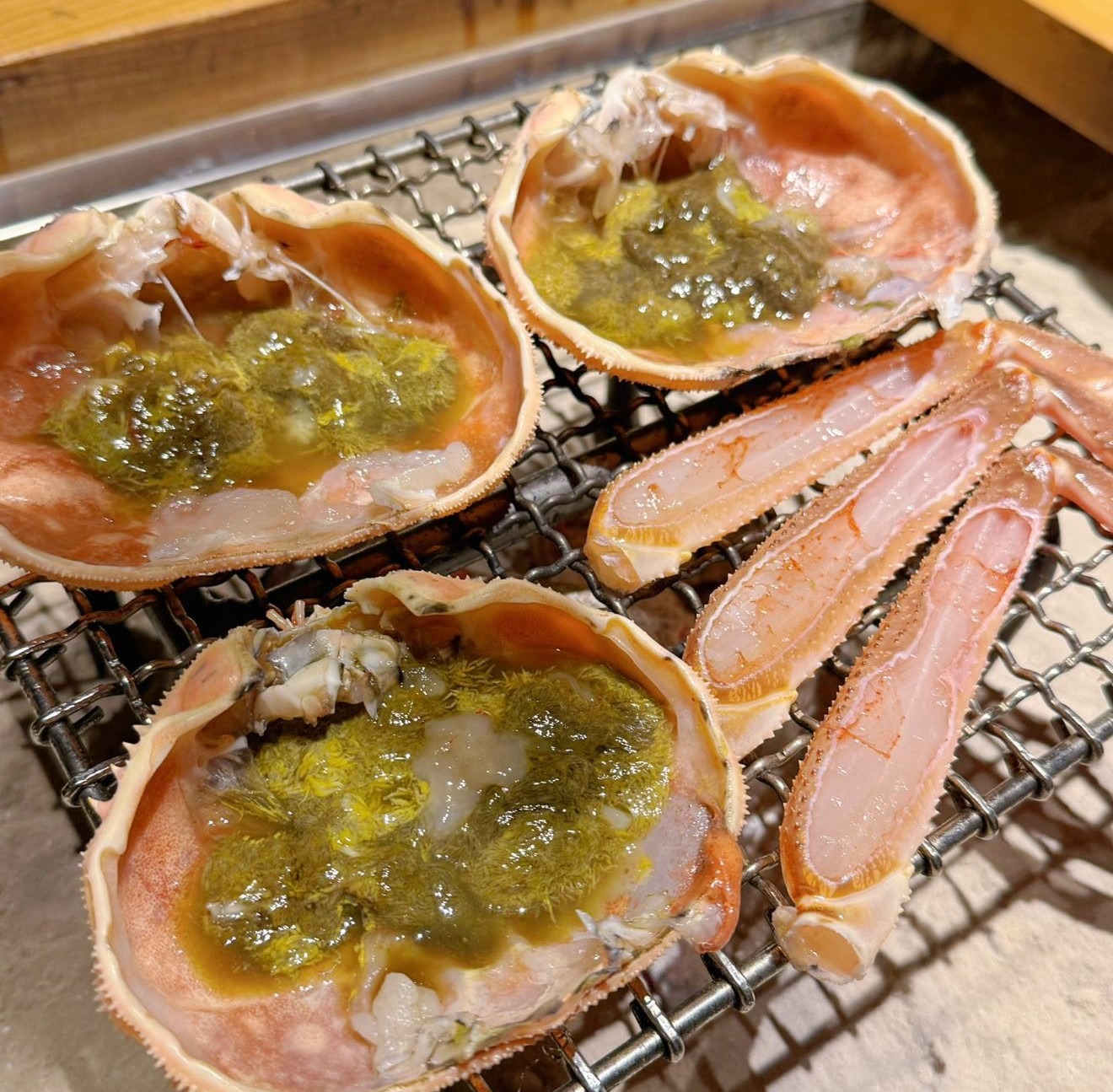
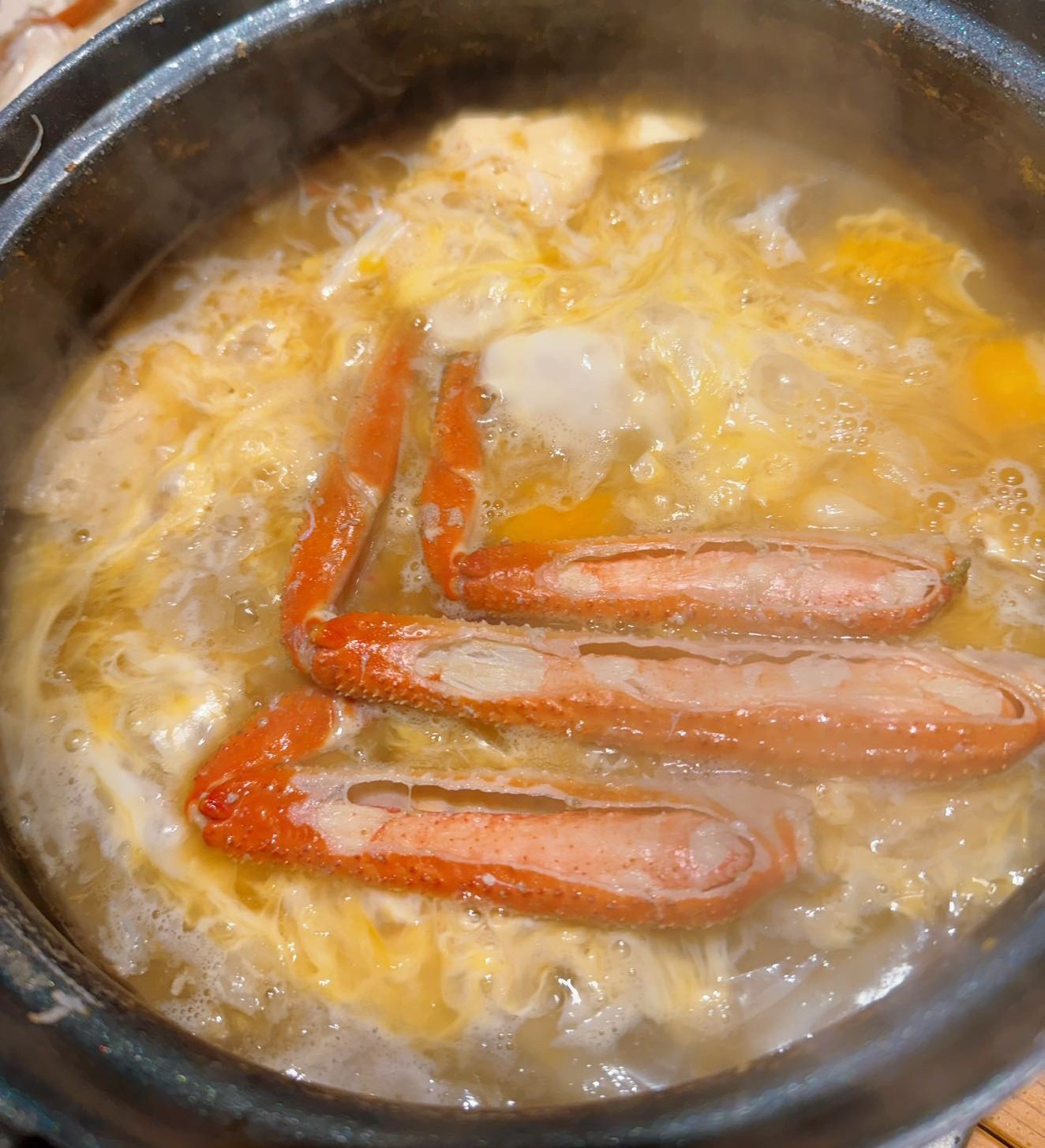
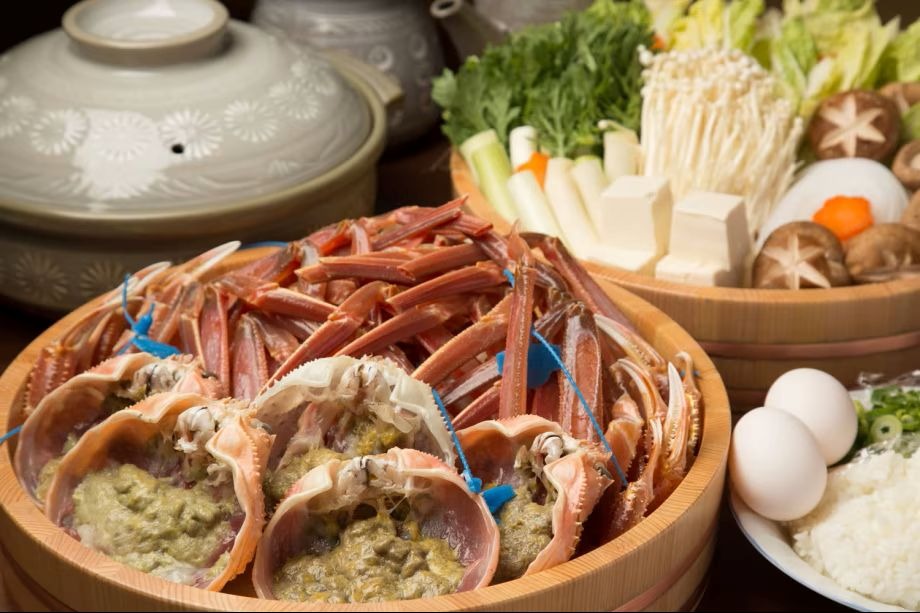
In Japan, winter dining means crab.
“The crab at that expensive ryokan turned out to be a small portion.”
“I paid a lot for crab, and the meat was watery and thin.”
If either sounds familiar, the crab served at the Crab Marché is worth knowing about.
The Crab Marché serves only tagged branded crab landed at ports around the Tango region (Tsuiyama, Shibayama, Kasumi and Hamasaka). The crab is bought live rather than frozen, and the sweetness and depth of flavor are noticeably stronger than most people expect.
Crab sashimi, crab shabu-shabu and grilled crab each bring out a different side of the same ingredient. Grilling the shell with the crab miso inside, then adding crab meat, rice or sake to it, is a particular highlight.
The difference is large enough that many guests come back every winter.
At Hoshino-Oto, Auberge Villa SOSO and Auberge Villa KUON, you can also try Taiza crab, often called a phantom crab, in creative dishes prepared by professional chefs.
These are worth considering if you are looking for an auberge for an anniversary, a birthday or another occasion.
Where to enjoy crab
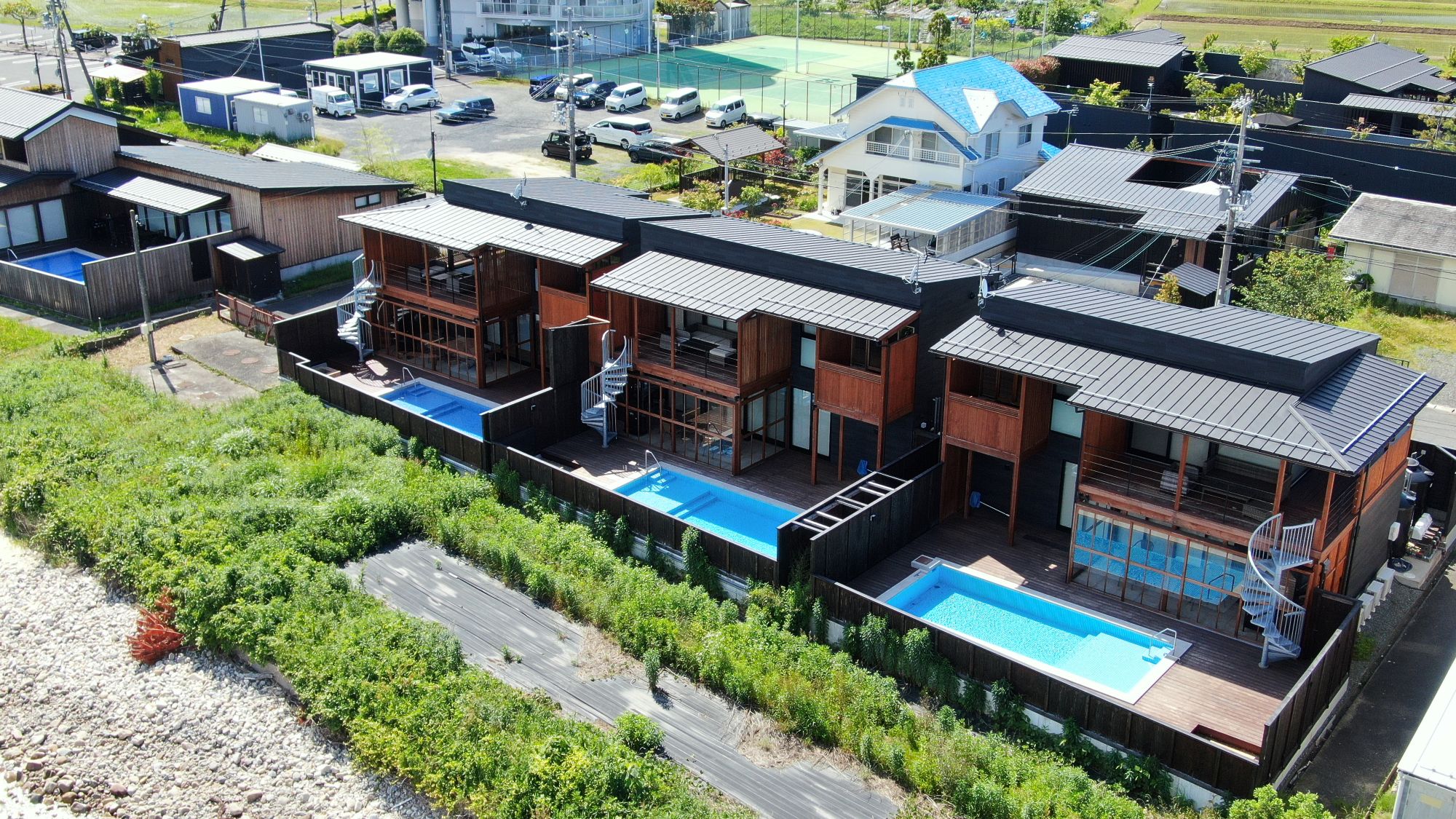
Rurinohama: Natural Hot Springs & Private SPA
Spacious villas for up to 8 guests, some with a sauna
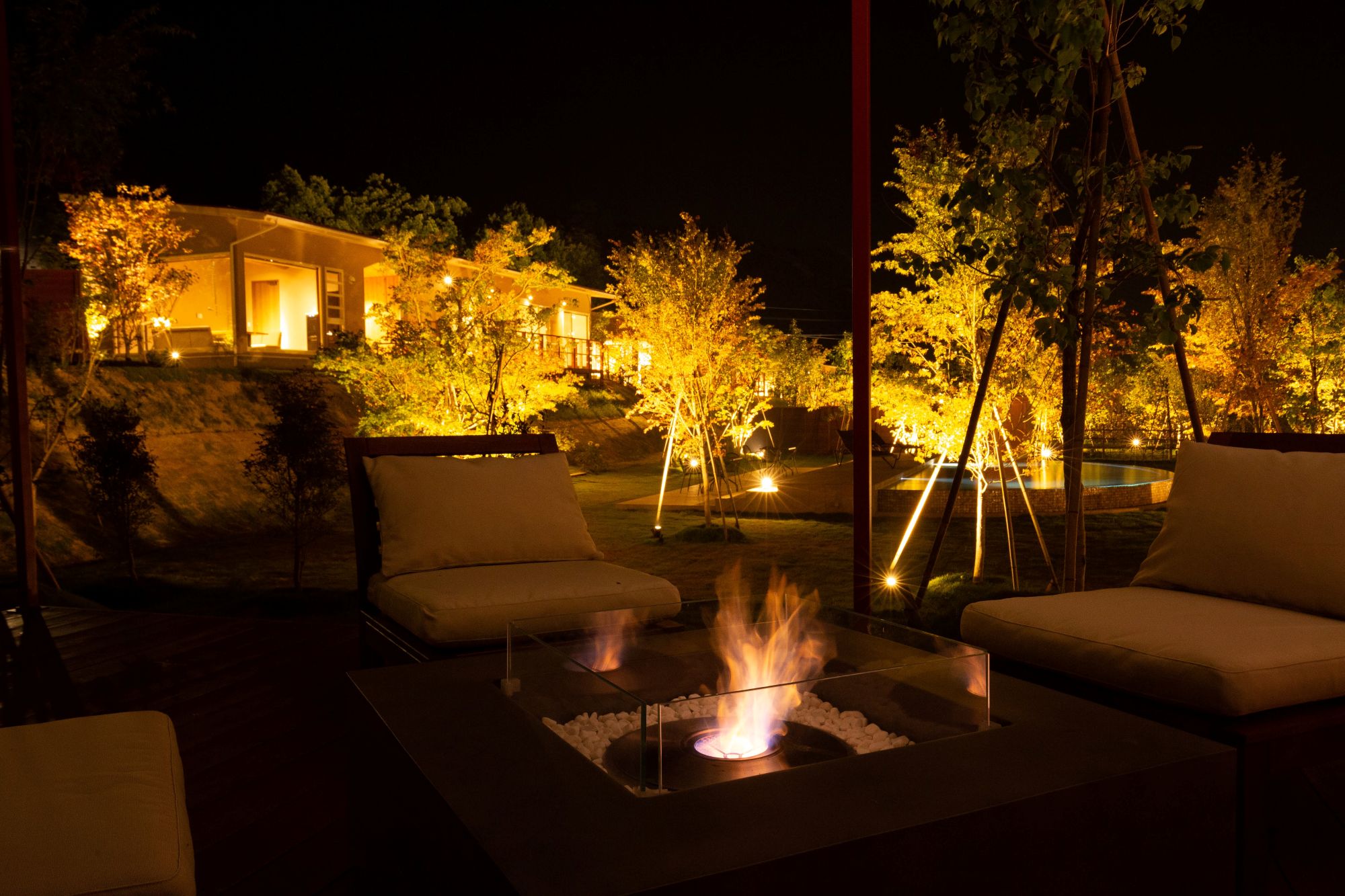
Marinetopia The Suite
Suited to multi-generational trips and families with children
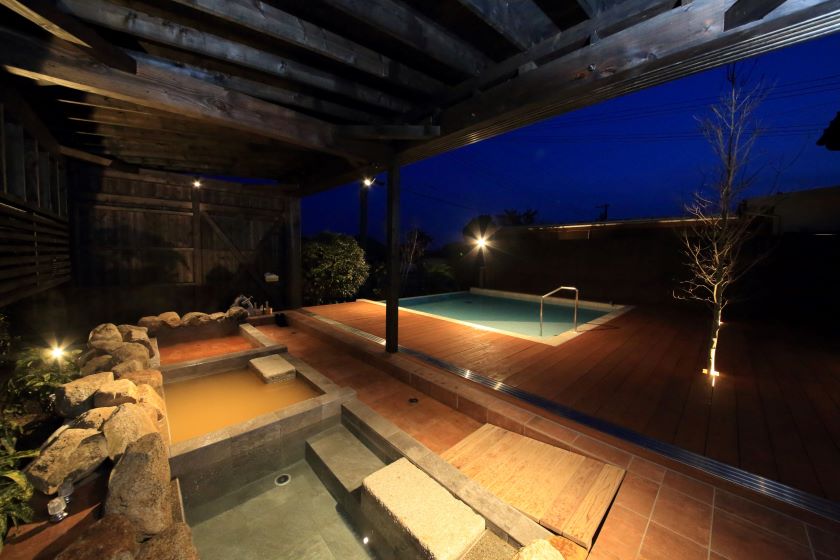
Hanashobu
A secluded, fully Japanese-style inn with three types of hot spring bath

MEZZO ALL SUITE VILLAS
A villa with a jacuzzi hot spring, close to Amanohashidate Station
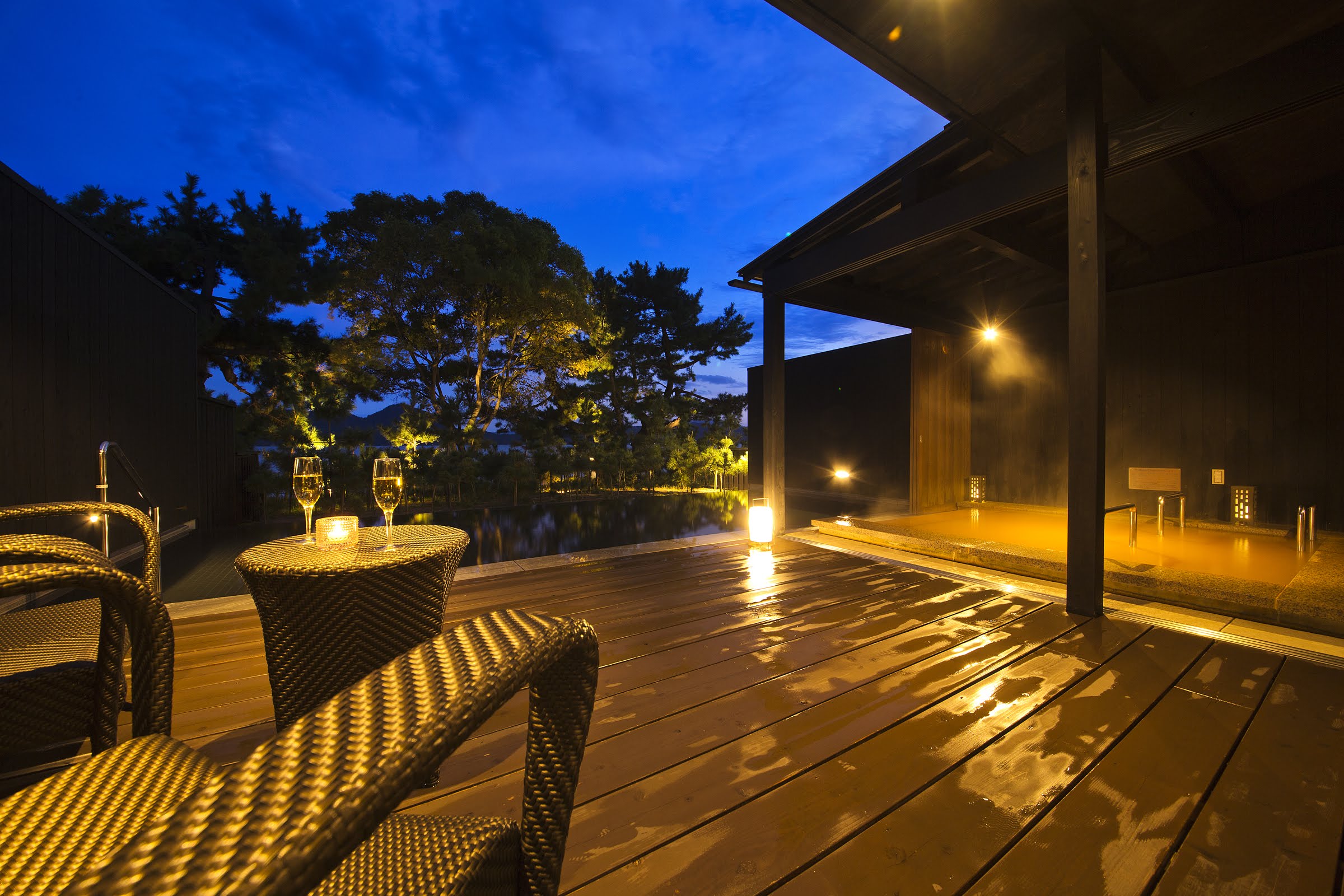
Hoshino-Oto Amanohashidate
A luxurious stay with two types of hot spring, serving Taiza crab
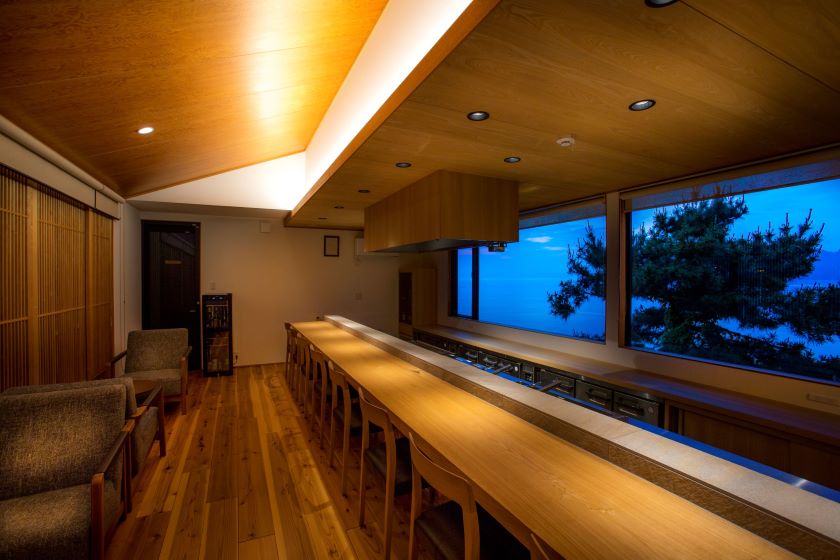
Auberge Villa SOSO
Family-friendly, with a fully private dining room and a hot spring, serving Taiza crab
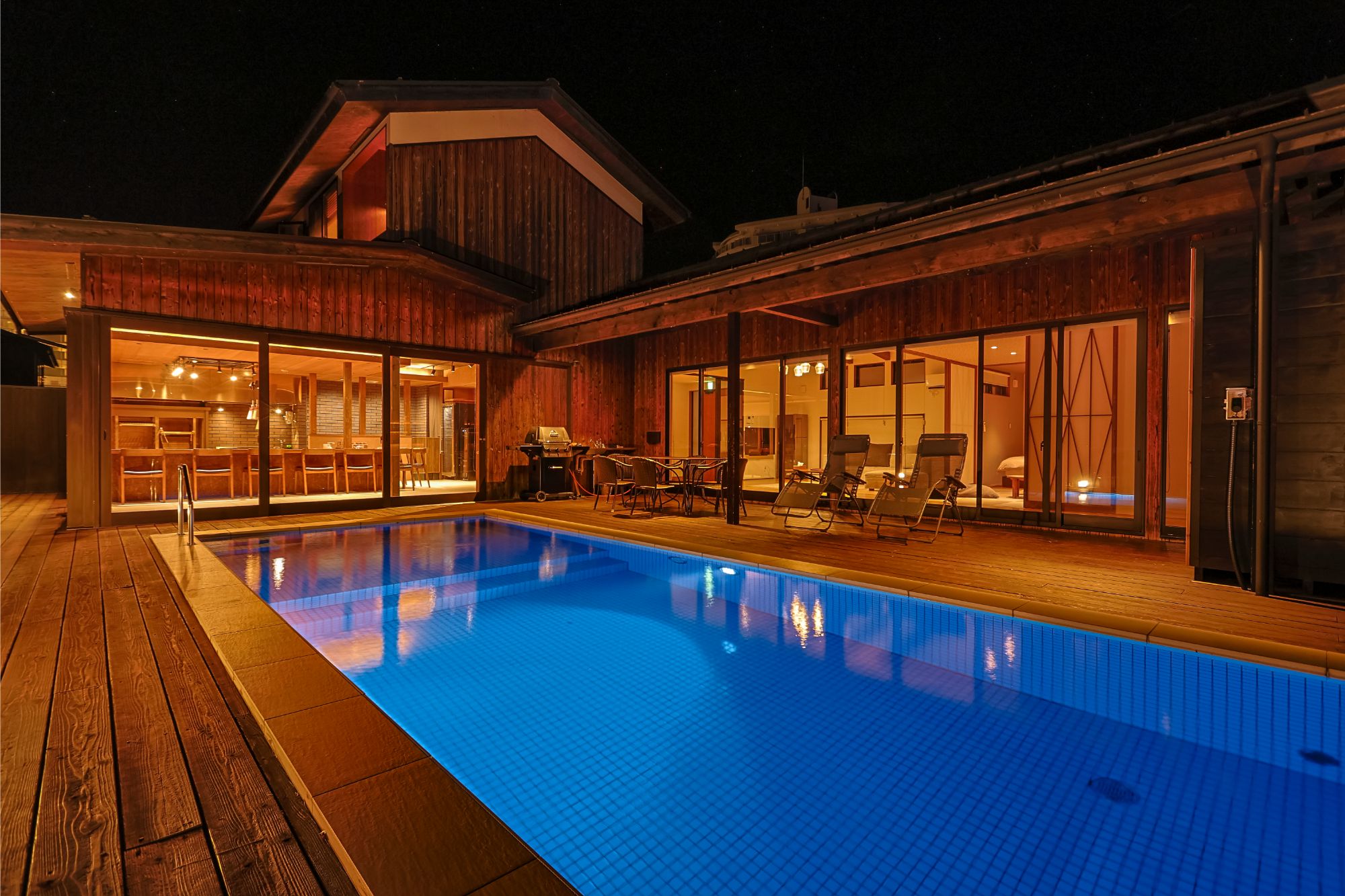
Auberge Villa KUON
One group a day, in a whole villa with nothing in view but the Sea of Japan and the sky
[Shiga] Omi Beef and Omi Duck Shabu-shabu (November–April)
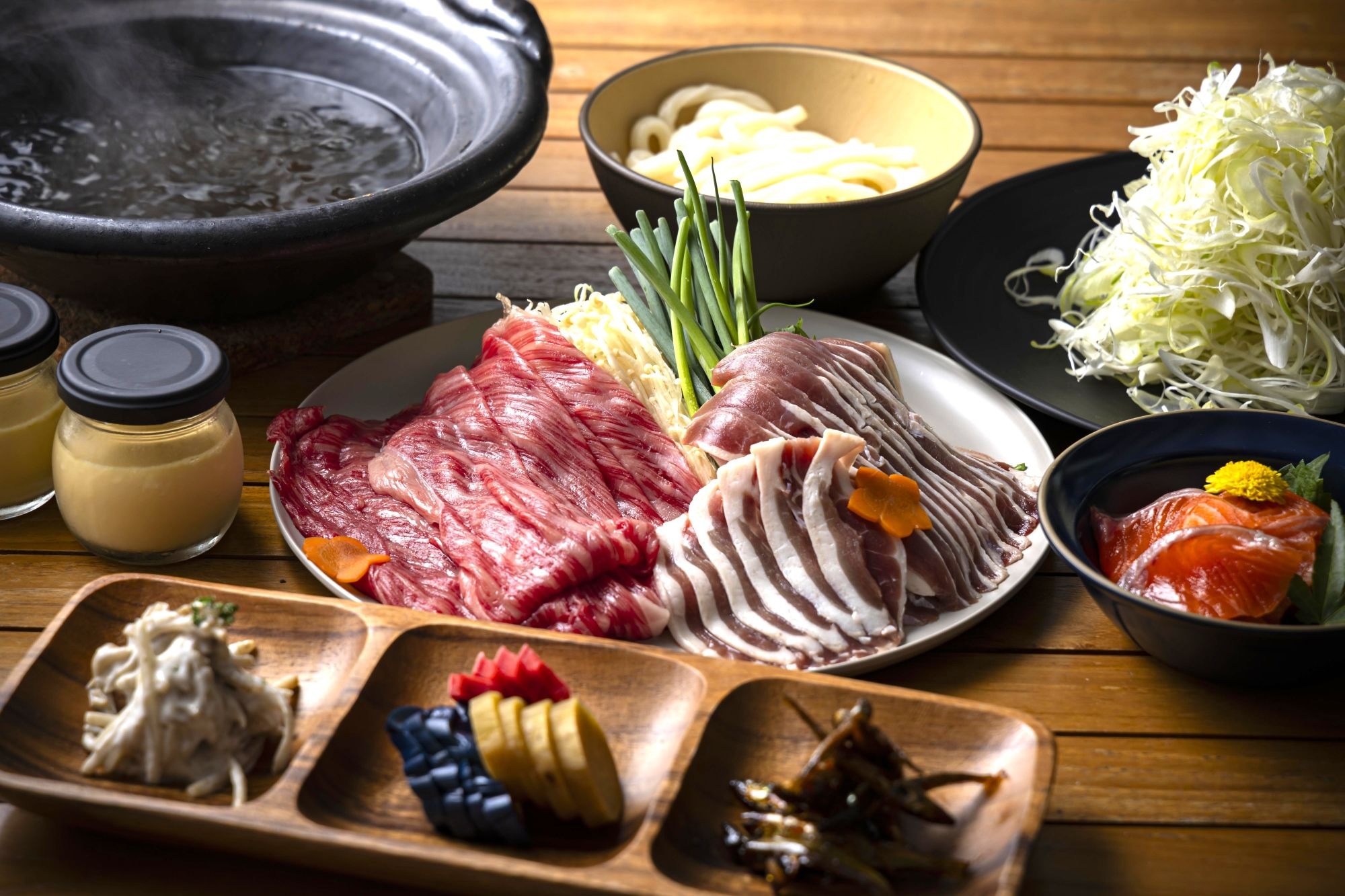
A shabu-shabu menu built around two Shiga specialties: Omi beef and Omi duck.
Omi beef has fat that melts cleanly and tender lean meat, with almost no gaminess and a light finish.
Omi duck, raised beside Lake Biwa, has no gaminess, a moderate firmness and a direct savory flavor, which makes it a good starting point for anyone who finds game meat difficult.
Azuchi Nobunaga negi, a branded Japanese leek grown in the Azuchi district of Omihachiman in eastern Shiga, holds its own alongside the meat. Heat turns it soft and brings out its sweetness.
Omihachiman is the site of Azuchi Castle, built by Oda Nobunaga, and the leek is named after him. Its sugar content is about 14 degrees Brix, against about 11 for watermelon, so it is as sweet as fruit.
Where to enjoy Omi beef and Omi duck shabu-shabu
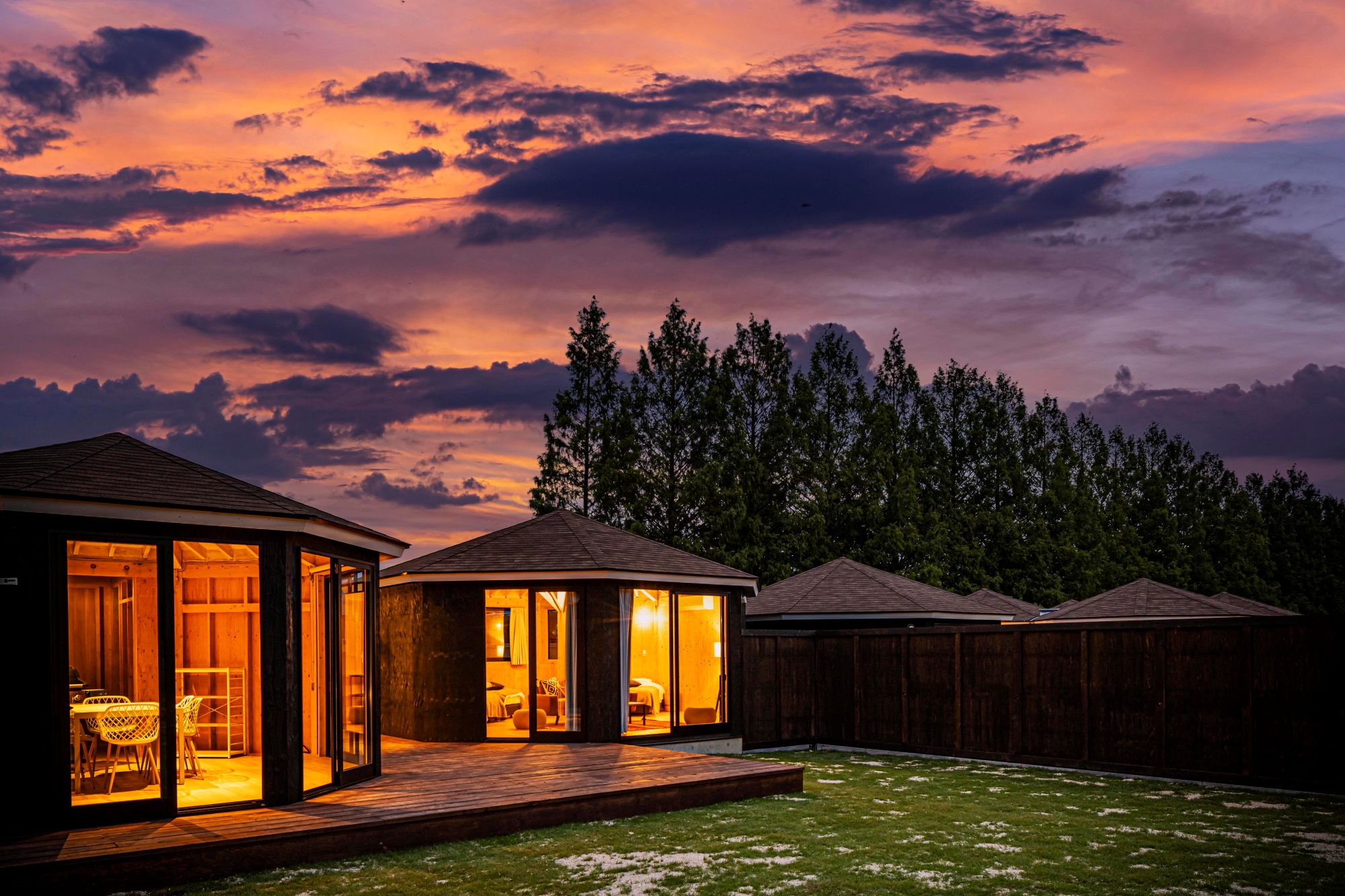
Forest Villa Metasequoia
Six hot spring villas beside one of Japan’s best-known metasequoia tree-lined roads
[Shiga] A Hot Pot of Local Ingredients: Omi Beef and Omi Free-Range Chicken Shabu-shabu (December–April)
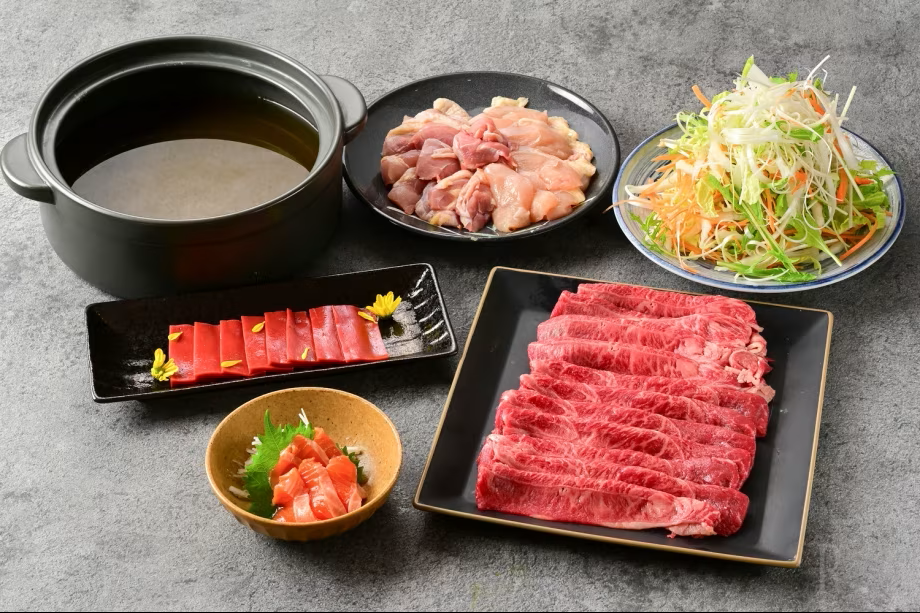
A warm in-room plan of Omi beef and Omi free-range chicken with plenty of local vegetables.
Alongside Omi beef, with its fine texture and sweet fat, the Omi chicken is raised free-range for more than 100 days and has a firm texture and a full savory flavor.
Red konjac and biwa trout sashimi are served as palate cleansers.
Red konjac is a specialty of Omihachiman, colored red with iron. It has none of the usual konjac odor, and the texture is soft and springy.
One account holds that Oda Nobunaga, who built Azuchi Castle in Omihachiman, favored showy things and had it dyed red.
*Other accounts exist.
The texture of this bright red konjac is worth trying.
Where to enjoy Omi beef and Omi free-range chicken shabu-shabu
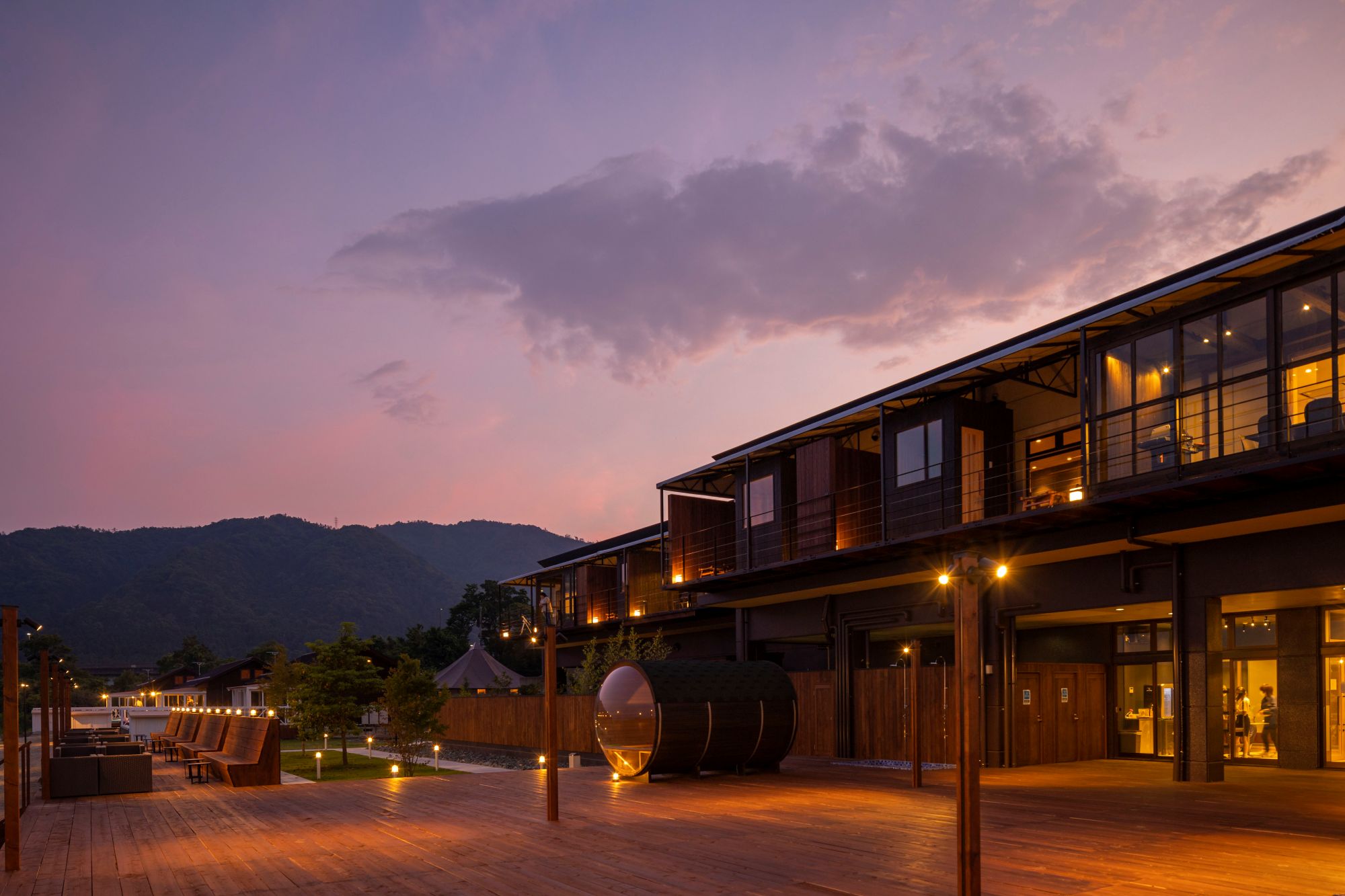
Lakeside Terrace Biwako
A range of lake activities and a natural hot spring
[Hyogo] Premium Sukiyaki Made with Awaji Island Ingredients (Year-Round)
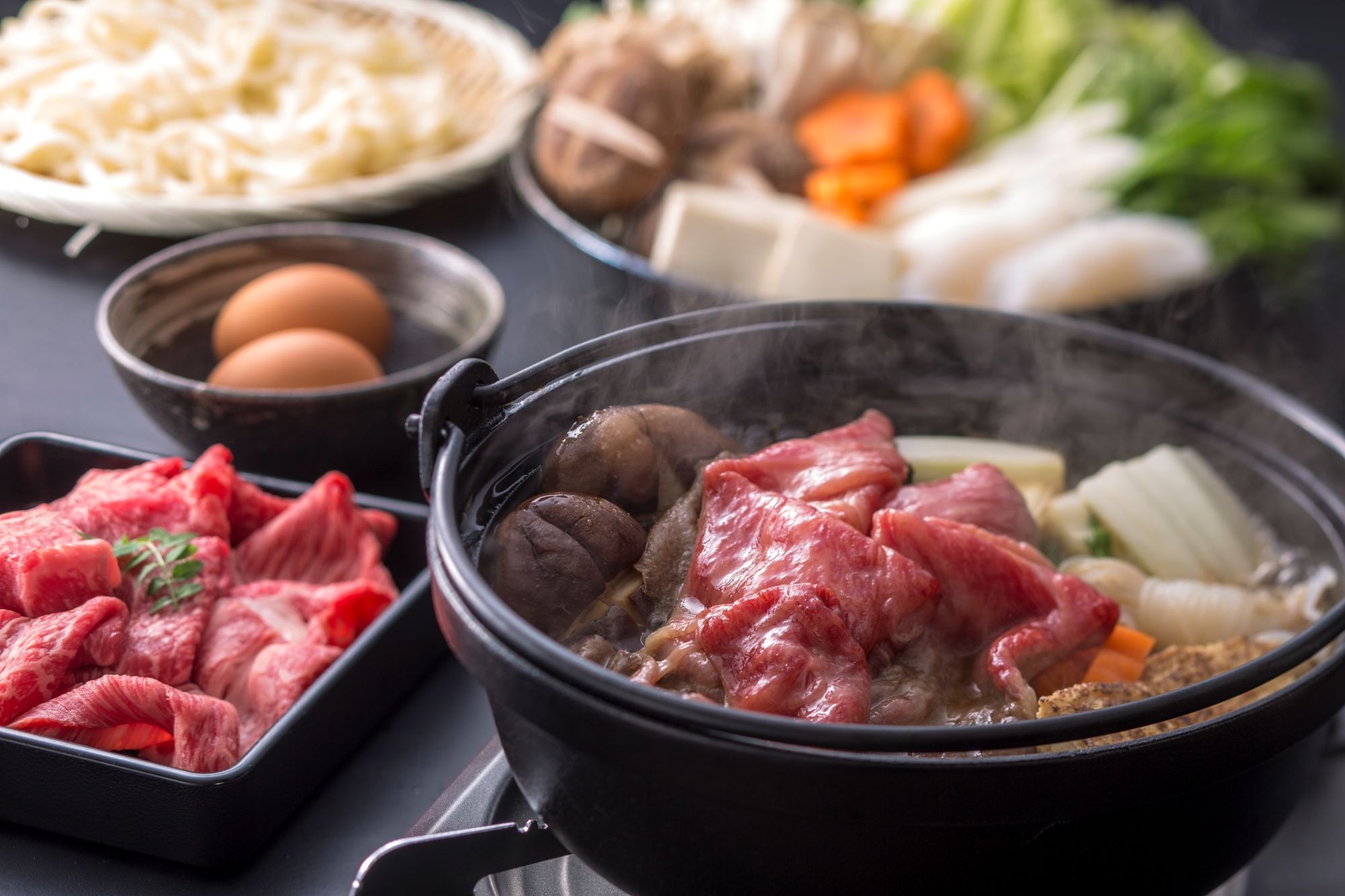
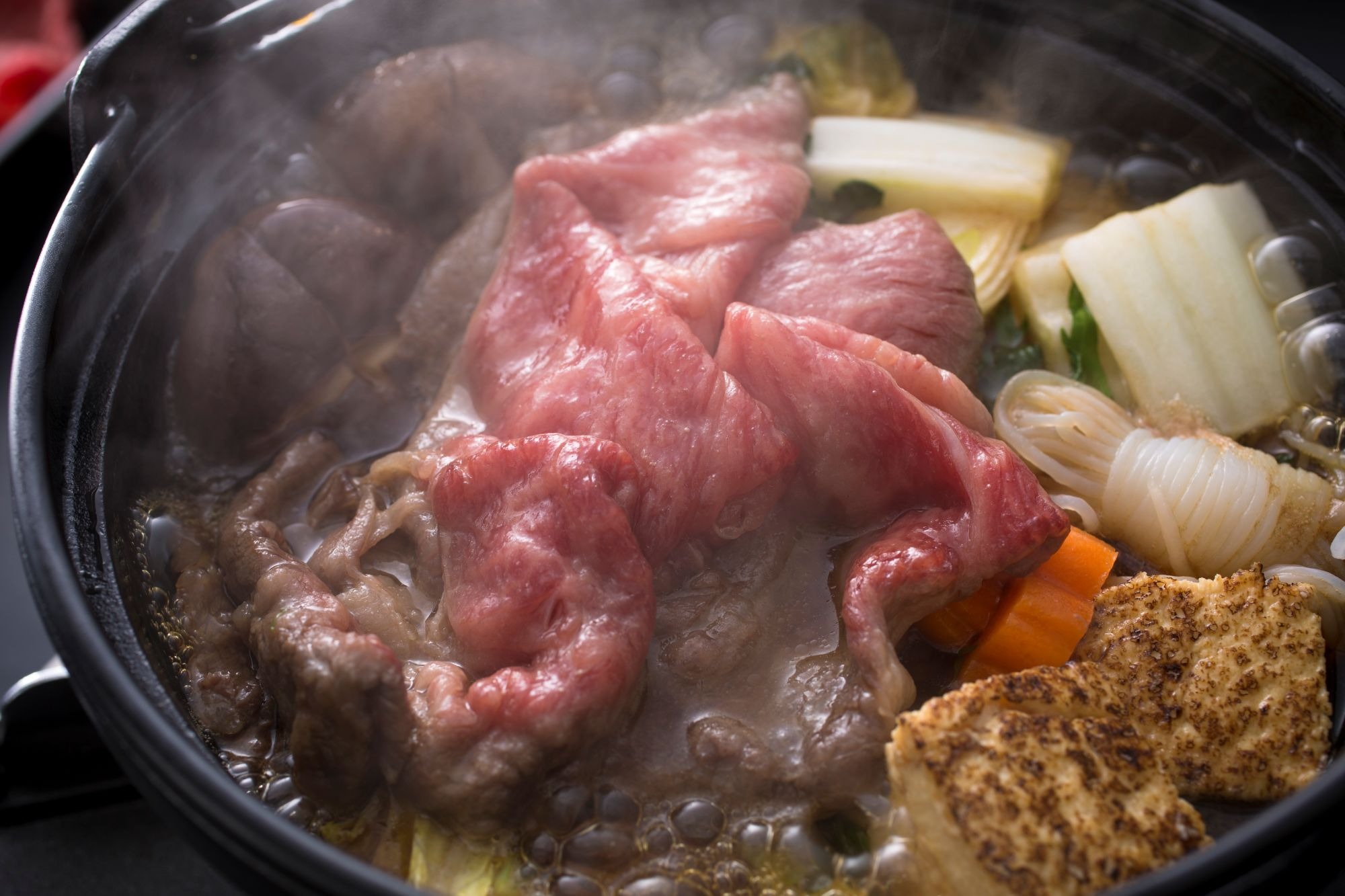
Awaji beef is raised in a mild climate. The muscle fiber is fine, so the fat and the lean meat combine cleanly, and the flavor builds as you chew.
The menu includes grilled tofu, seasonal vegetables and mushrooms, and udon to finish. If you would rather finish with rice, Awaji rice cooked in a Dutch oven can be added as an option.
Cooking Awaji rice in a Dutch oven gives it a chewy texture and a sweet flavor. The Dutch oven distributes heat evenly, and the weight of the lid adds enough pressure to draw out the sweetness of the rice.
That suits Awaji rice, which is plump and chewy to begin with. Served with eggs from Awaji Island, the two go well together.
Where to enjoy sukiyaki made with Awaji Island ingredients
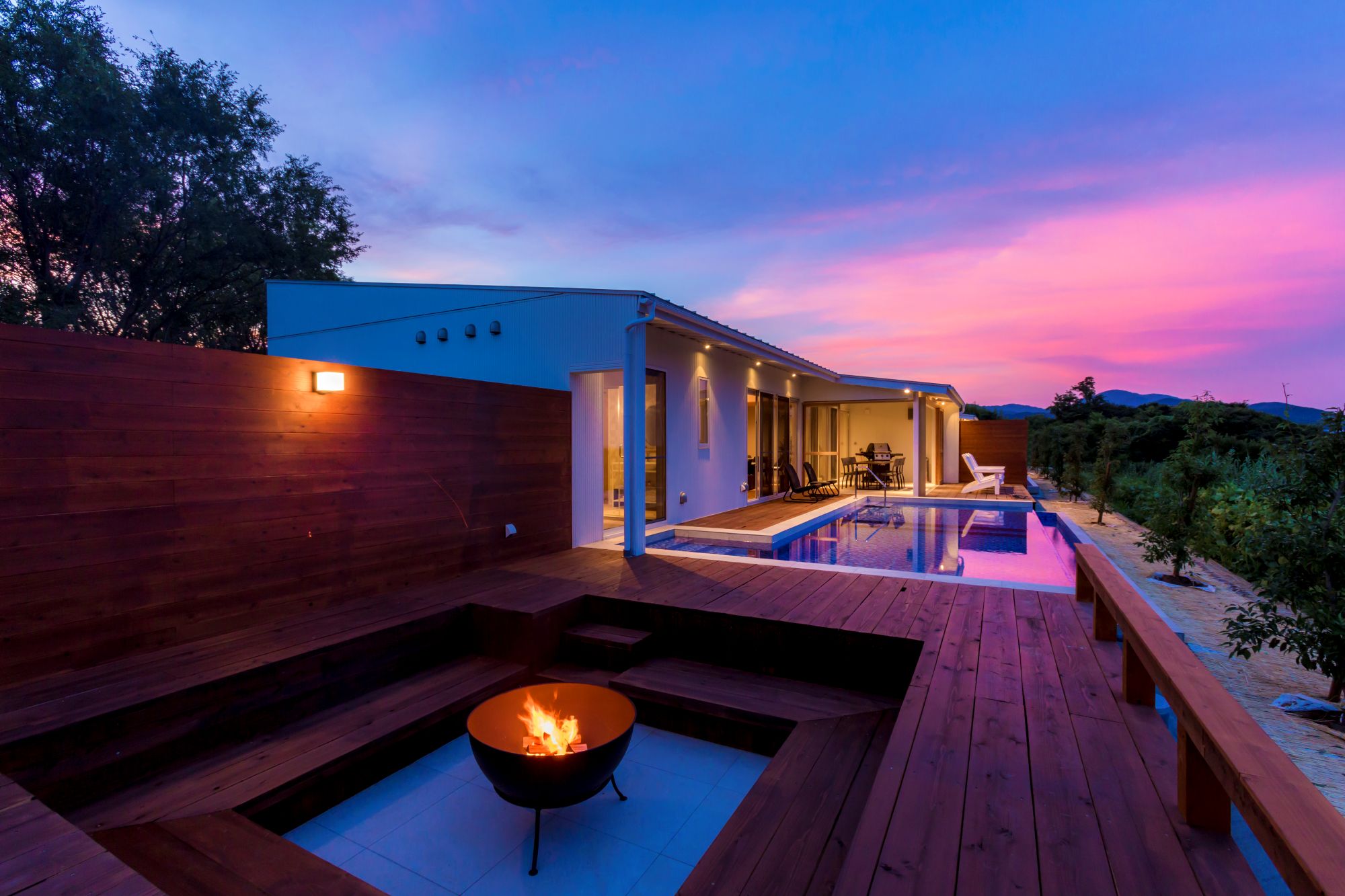
Private Villa Glamping Awaji
Villas with a large ocean-view private pool, and dome tents with a refined interior
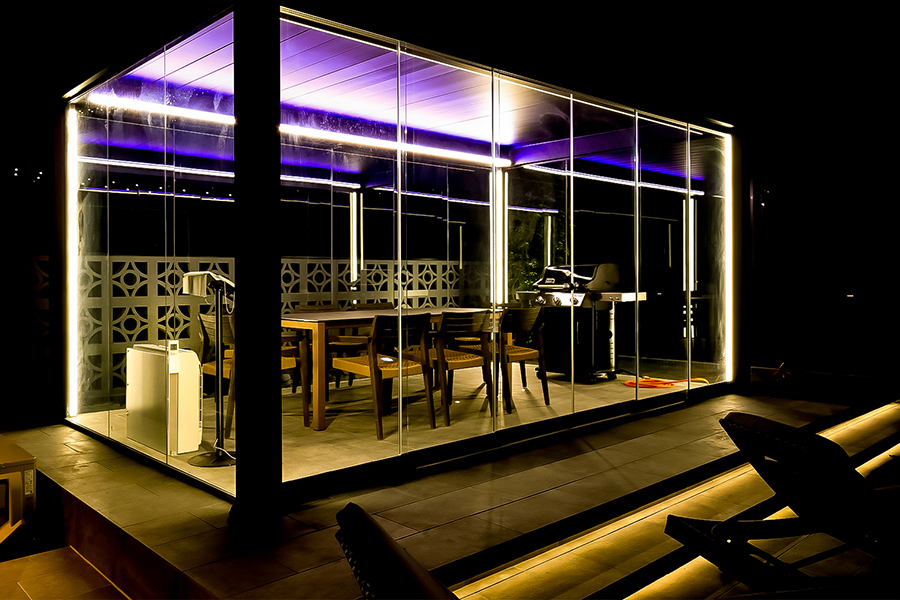
Private Villa Awaji THE SUITE
A whole-villa rental for up to 8 guests, with the Akashi Strait, the lit terrace and the illuminated pool in view
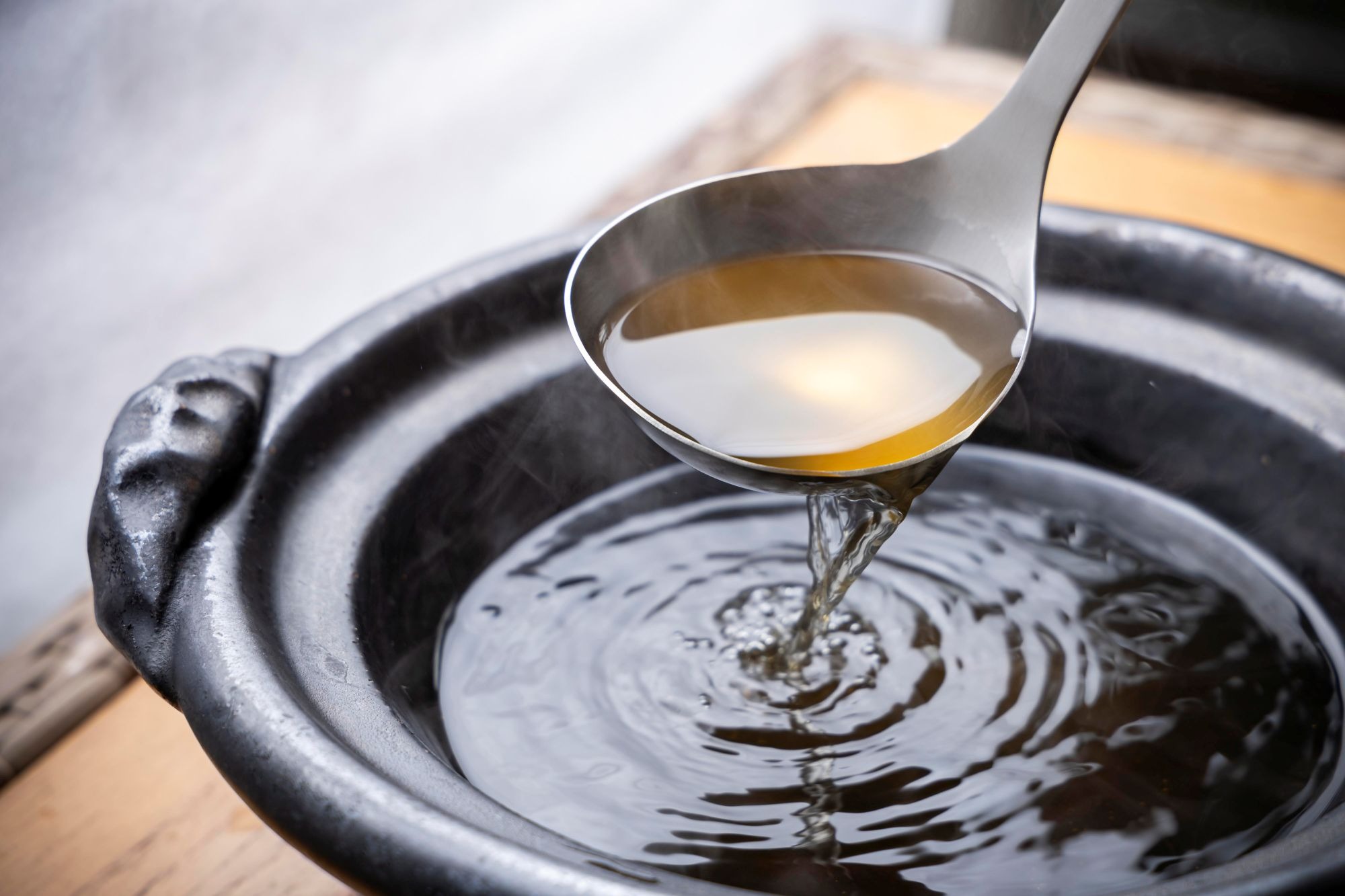
[Hyogo] Shabu-shabu Supervised by the Michelin-Starred Ryowa Daido (Year-Round)
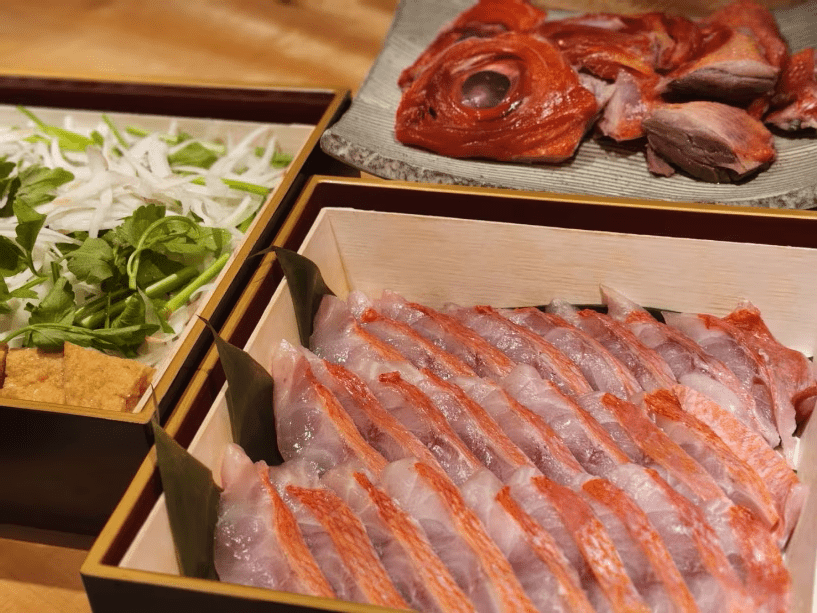
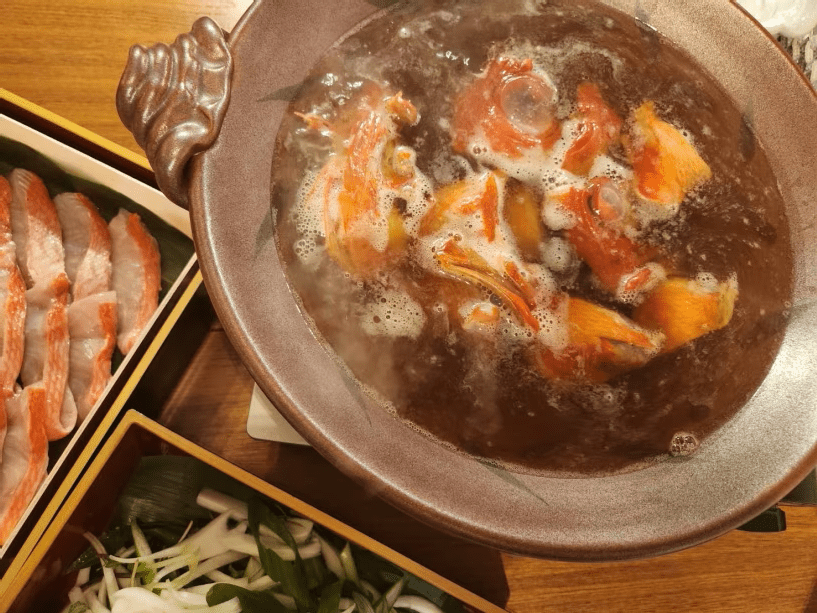
Ryowa Daido, a restaurant on Kitanozaka in Kobe, supervises the menu: shabu-shabu of splendid alfonsino (kinmedai) and local vegetables.
Passing thick, fatty alfonsino through a broth made from bonito and alfonsino leaves the flesh tender and brings out its flavor.
Adding fresh vegetables such as onion, burdock root and Japanese parsley to the broth changes the taste again.
To finish, the broth becomes a rice porridge carrying the flavor of both the fish and the vegetables.
Where to enjoy shabu-shabu supervised by the Michelin-starred Ryowa Daido
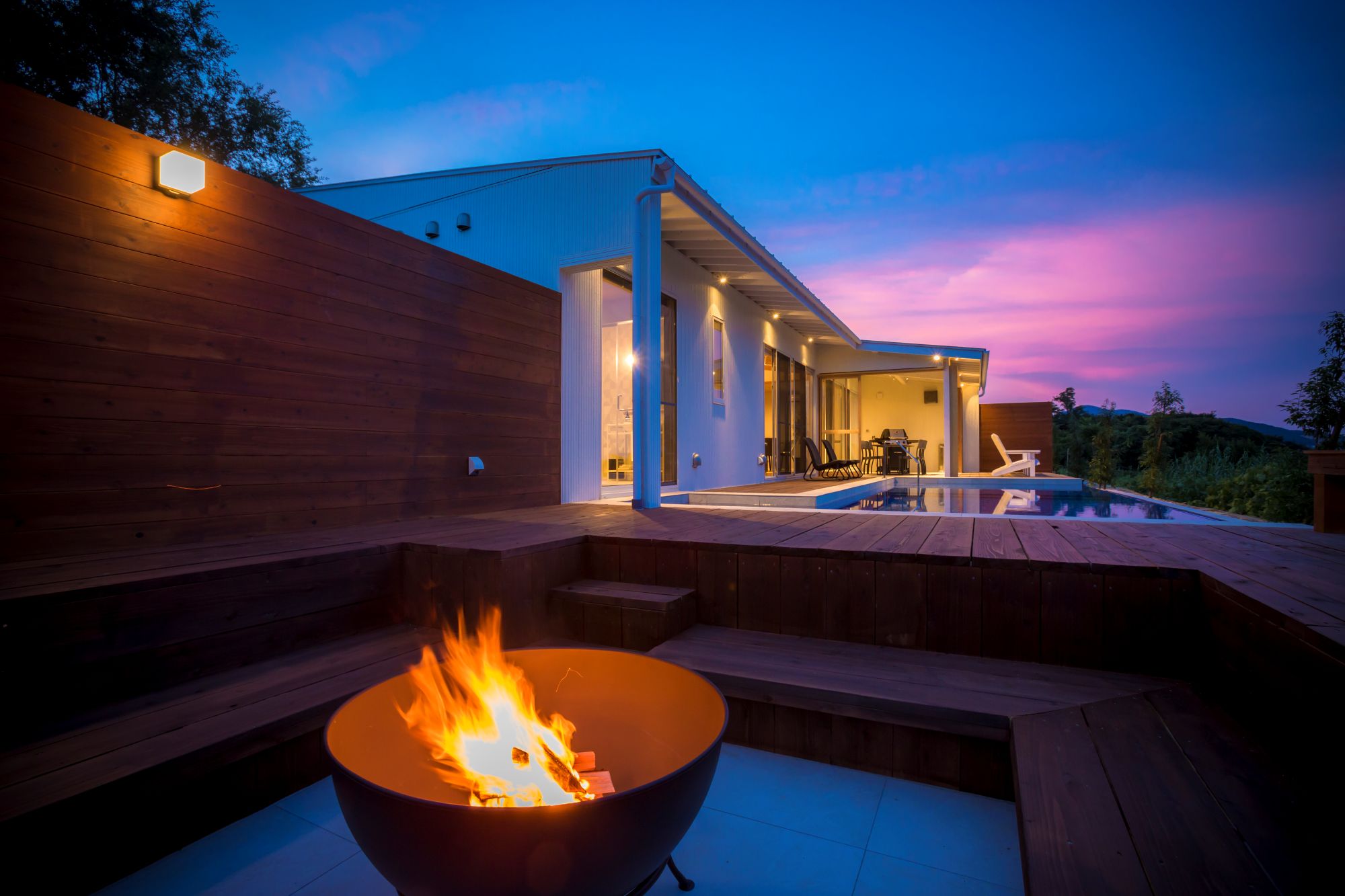
Private Villa Glamping Awaji
Villas with a pool on high ground overlooking Osaka Bay, and dome tents suited to couples and small groups
Summary
This article covered places in the Kansai region known for their in-room dining.
Crab, Omi beef, Awaji beef and alfonsino each offer something different, so choose based on your own preference and the people you are traveling with.
The articles below cover the sights and the character of each area in more detail.
More about the Amanohashidate area
-

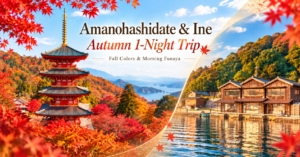
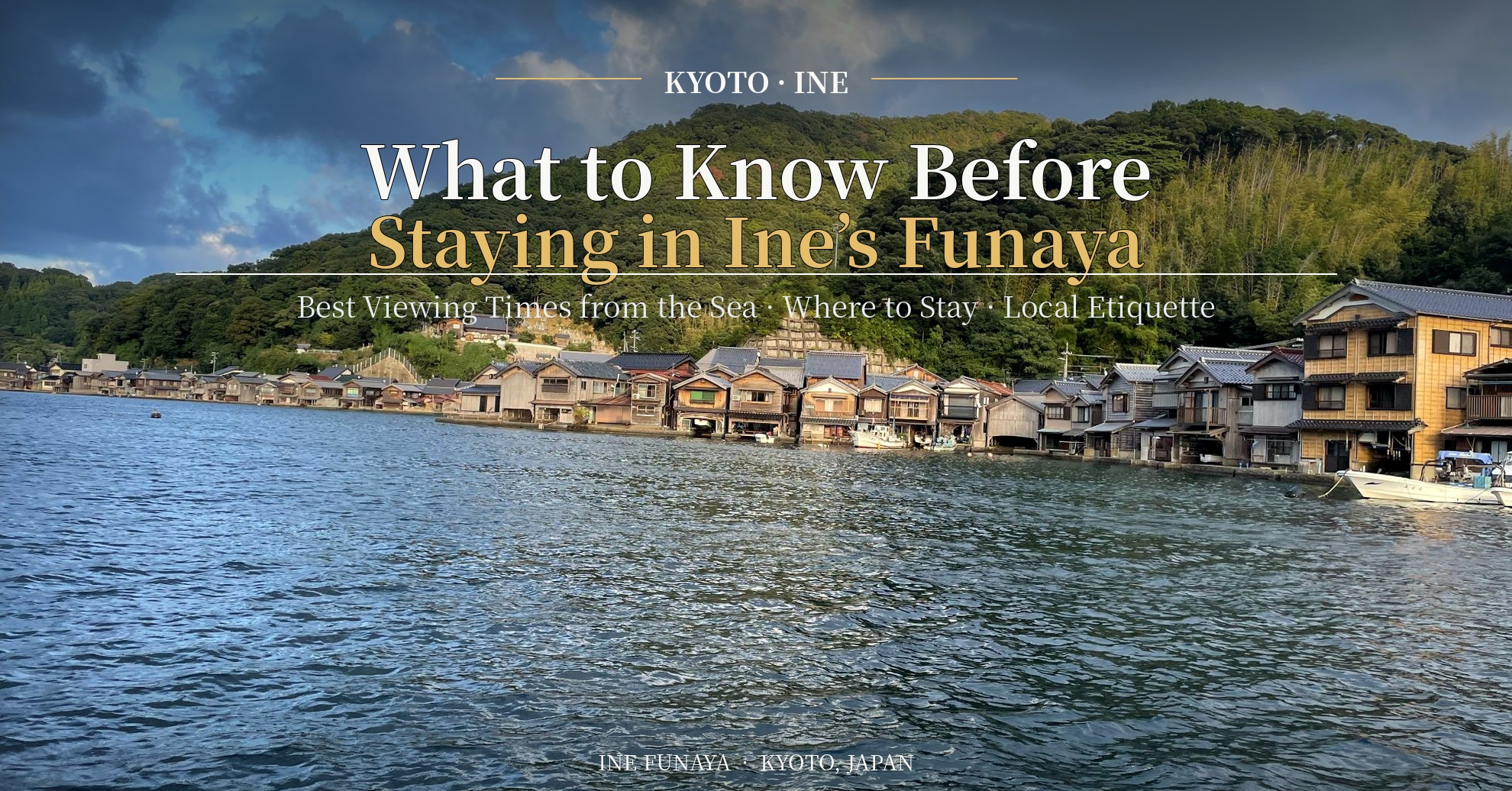
Staying in Ine Fishing Village: What to Know About the Funaya Boathouses, Boat Times, and Choosing a Room
-
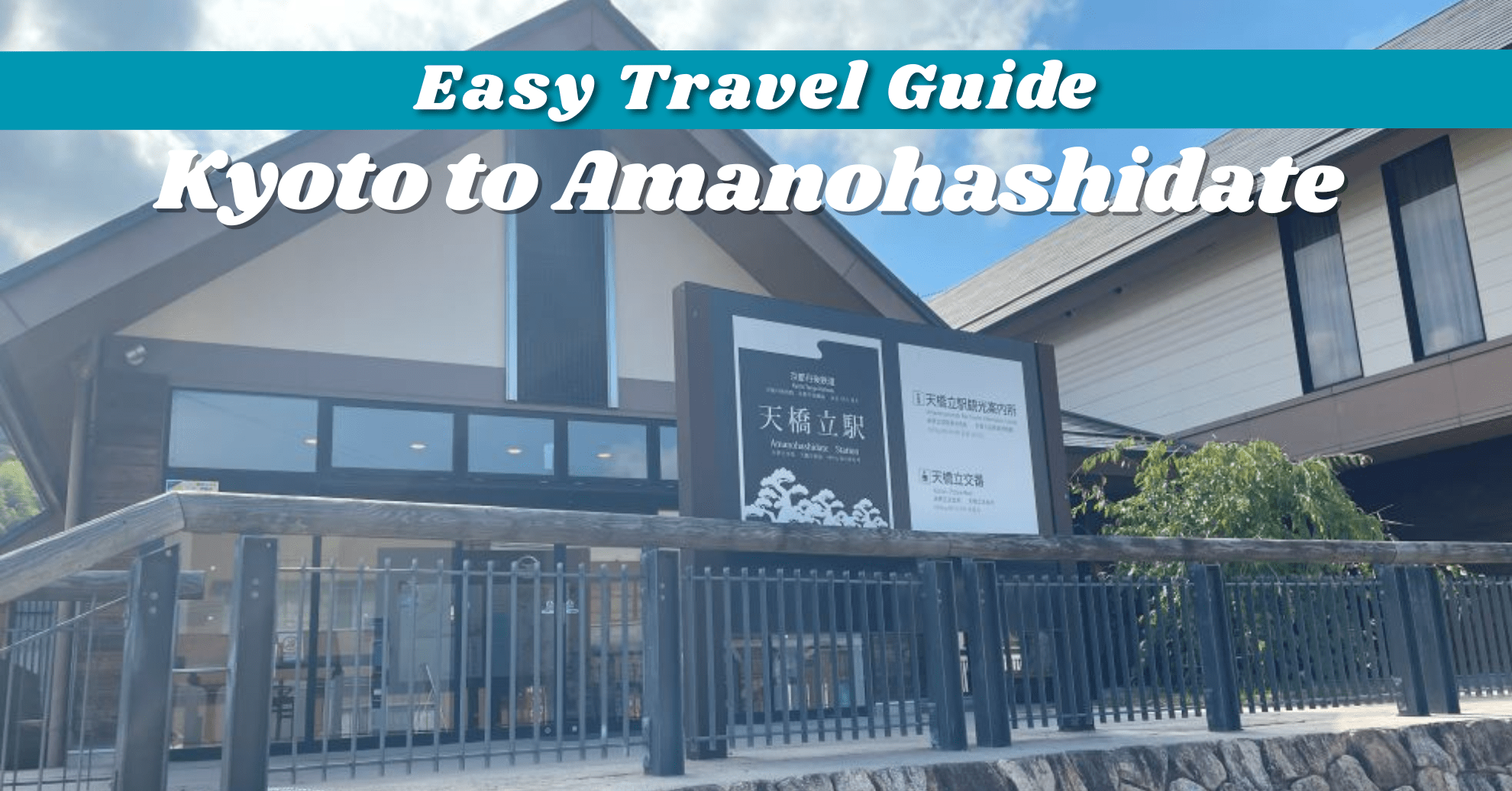
Best Ways to Get from Kyoto to Amanohashidate: Time & Cost Comparison
-
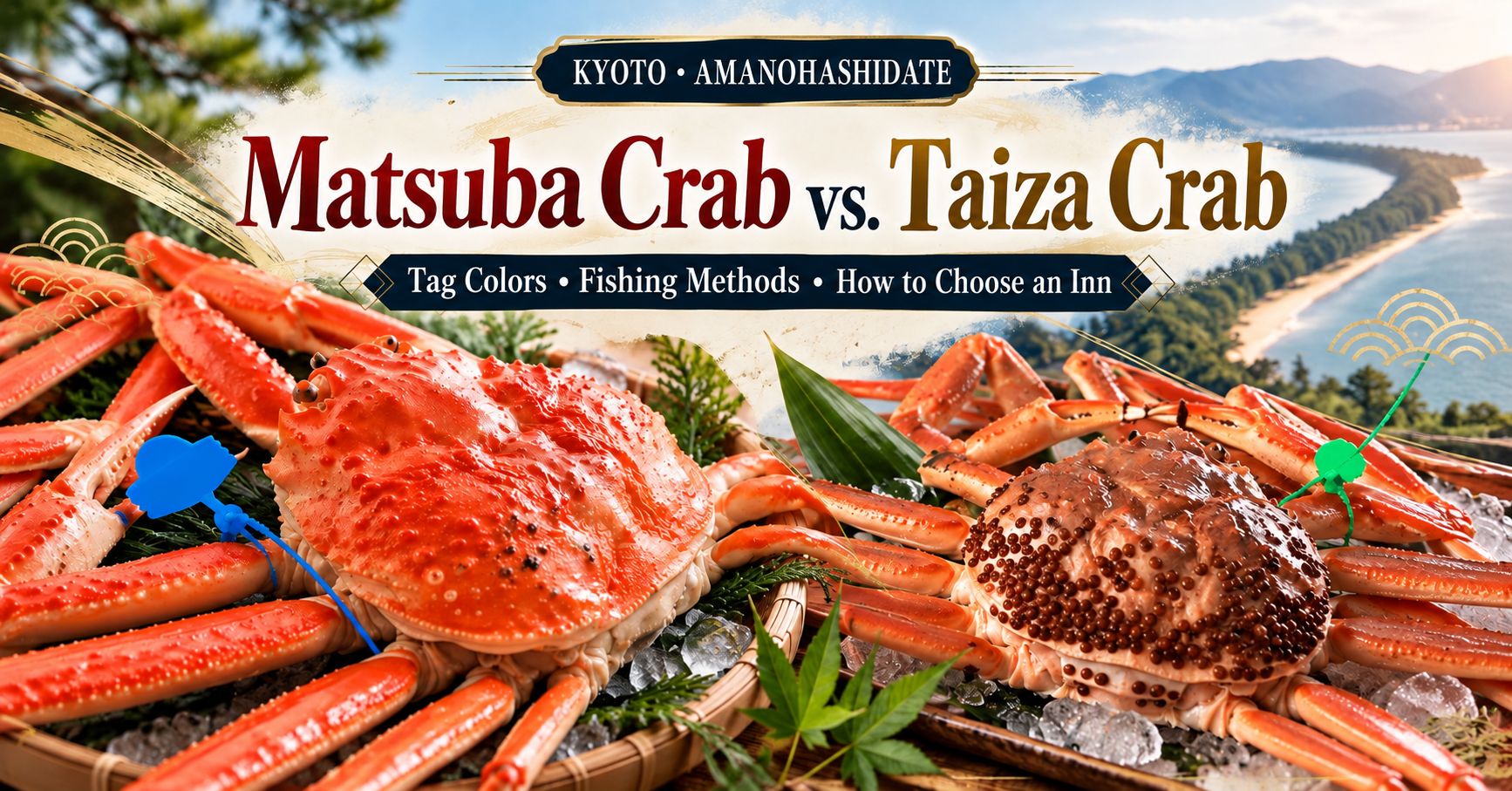
[Kyoto] Matsuba Crab and Taiza Crab: What the Tag Colors Mean and How to Pick a Crab Inn in Amanohashidate
-
Is Amanohashidate Worth Visiting? Why Some Call It Disappointing, and How to Plan a Better Day

More about the Lake Biwa area

More about the Awaji Island area
-
Awaji Island Sunset Spots: Myojin Cape, Taga-no-hama and Keino Matsubara
-
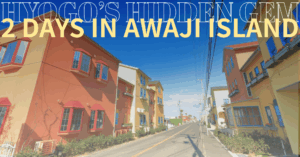
A Day Trip Isn’t Enough! Discover Awaji Island’s Best Attractions, Food, and Stays
-
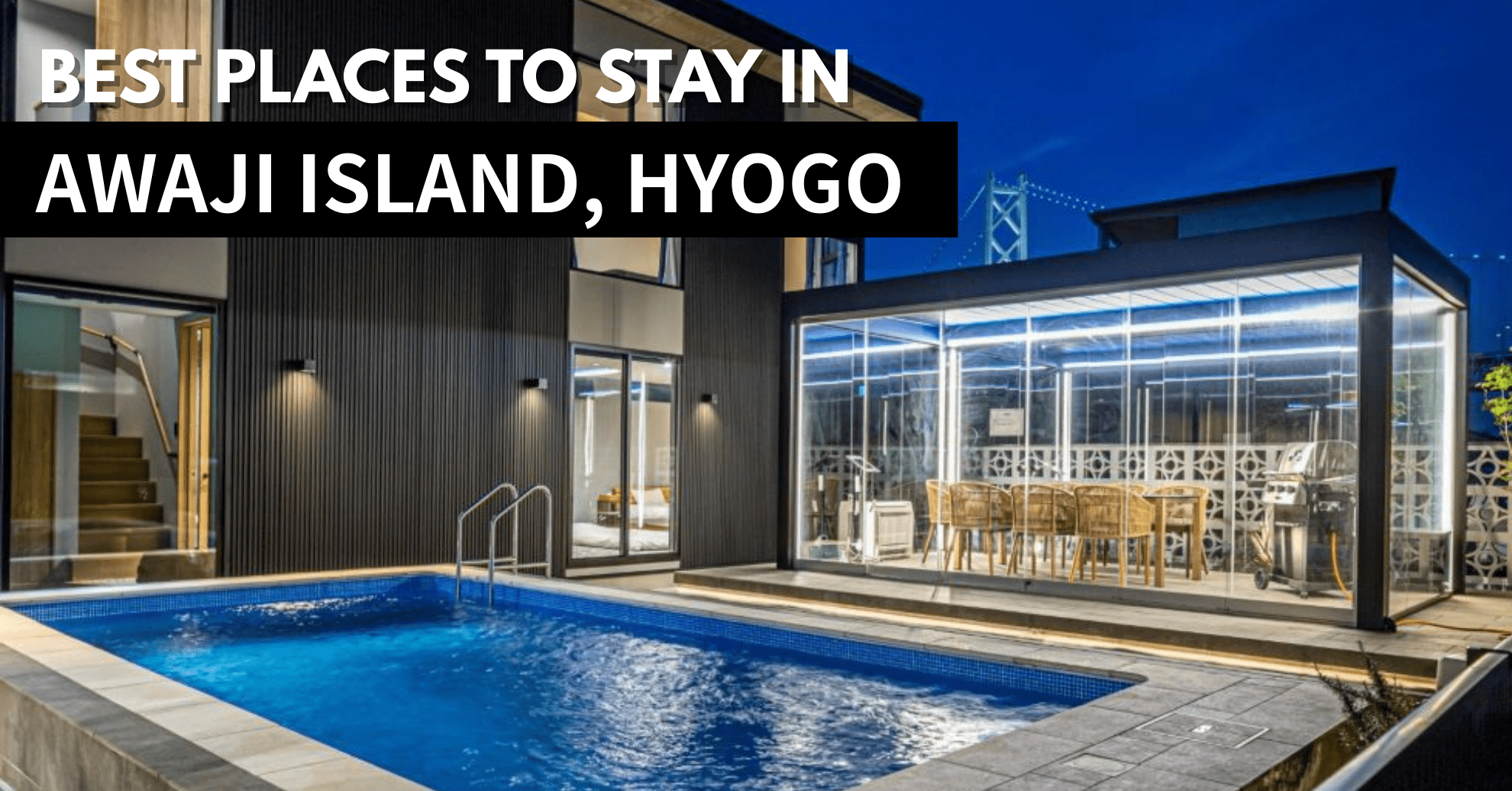
Awaji Island Glamping: Top 6 Stays with Private Onsen, Sauna & Gourmet Cuisine
-
Awaji Island Travel: A Stylish 2-Day Northern Awaji Itinerary for Couples