
The cherry blossom season is nearly here.
Many people plan their visit around it, pairing the blossoms with shrines and temples.
According to the cherry blossom forecast that Japan Meteorological Corporation publishes each year, Kyoto usually opens in late March and reaches full bloom in early April.
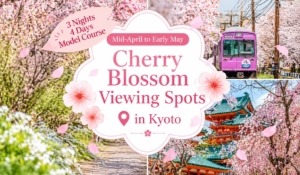
This article picks out the places in Kyoto that are at their best from the second half of March into the first half of April, and sets them out as a four-day route with three nights.
It also covers quieter spots, kimono rental, evening lighting and places to try something hands-on, so it should help if you want to make the most of the season.
Day 1

Day 1 starts at Seimei Shrine, dedicated to the onmyoji Abe no Seimei, and the early-flowering Kawazu cherries at Ichijo-modoribashi bridge nearby, then a kimono rental.
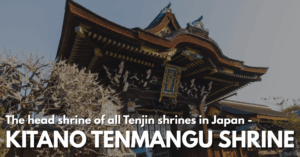
After that comes Kitano Tenmangu, where, with the right timing, plum and cherry blossoms are out at the same time.
Seimei Shrine and Ichijo-modoribashi ▶ Deep Pink Kawazu Cherries


Seimei Shrine is a little under 30 minutes from Kyoto Station by city bus or the Karasuma subway line. It is dedicated to Abe no Seimei, the onmyoji known from literature, manga and film.
It has long been visited for protection from misfortune. The grounds hold the Seimei-i well, said to have been made to spring up by Seimei, and the Yakuyoke-momo, a peach that in onmyodo stands for warding off ill fortune.
A short walk away is Ichijo-modoribashi bridge, where Kawazu cherries and Somei-yoshino bloom. The deep pink of the Kawazu cherries is striking, and it goes well with the mood of the shrine.

Seimei Shrine
Address: 806 Seimei-cho, Kamigyo-ku, Kyoto
Tel: 075-441-6460
Hours: 9:00–17:00 (amulet office until 16:30)
Closed: None
Website: https://www.seimeijinja.jp/
Instagram: https://www.instagram.com/seimeijinja/?hl=ja
Lunch ▶ cafe marble Chiekoin


Have an early lunch at cafe marble, about five minutes on foot from Seimei Shrine.
The room is open and full of light, with birdsong and children playing outside, closer to a clearing in a wood than a city cafe.
The menu runs to quiche made with seasonal vegetables, fruit tarts, a kids plate built around meat sauce pasta, and curry. The special lunch plate, sold only at the Chiekoin branch, is the one to order.

It pairs a quiche full of vegetables with an assortment of desserts. The special lunch plate has to be reserved at least three business days ahead, here.
cafe marble Chiekoin
Address: 1-519 Sasaya-cho, Sasayacho-dori Chiekoin Nishi-iru, Kamigyo-ku, Kyoto
Tel: 075-451-8777
Hours: 10:30–18:00 (L.O. 17:30)
Closed: Mondays and Tuesdays (open 10:30–18:00 when Monday is a public holiday; check the official Instagram for temporary changes)
Website: https://www.cafe-marble.com/
Instagram: https://www.instagram.com/cafemarble_kyoto/
Kimono Rental ▶ Nishijin Akariya, Where the Owner Makes It Easy

The Nishijin district is where Nishijin-ori, the city’s high-grade woven silk, began, so it has no shortage of shops renting kimono.
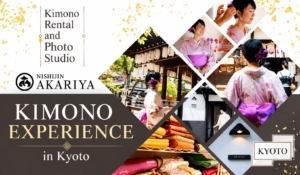
One of the best is Nishijin Akariya, a kimono rental and photo studio.
It is ten minutes on foot from Seimei Shrine, the staff are easy to talk to, and you can turn up with nothing and still come away dressed.
Rental plans include dressing, geta and tabi, hair ornaments chosen to match, and hair styling, so you can pick the look you want.
Once the kimono is on, you find yourself moving a little more carefully, the way people here do.
Nishijin Akariya
Address: 68 Itsutsuji-cho, Kamigyo-ku, Kyoto
Tel: 090-5152-6670
Rental hours: 10:00–21:00
Website: https://www.kyoto-akariya.net
LINE ID: @a2012
Instagram: https://www.instagram.com/kimono.akariya?igsh=MW54dXhybjlqNGwyYg==
Kitano Tenmangu ▶ Plum and Kitano Cherry Together, With Luck


From Nishijin Akariya it is about fifteen minutes on foot to Kitano Tenmangu.
The grounds hold 1,500 plum trees of 50 varieties, which come into their own a little before the cherries.
The earliest of them open just after New Year and can still be seen into late March.
The Baien plum garden opens each year from early February to late March, with tea and a sweet included so you can take your time.
It is lit up on weekends, Friday through Sunday, and on February 25.
Even if you miss the plum garden, the plums are still out, and in early April the rare Kitano cherry, found only here, begins to open.
With the right timing you can see plum and cherry blossoms together.
Kitano Tenmangu
Address: Bakuro-cho, Kamigyo-ku, Kyoto
Tel: 075-461-0005
Hours: 7:00–17:00
Website: https://kitanotenmangu.or.jp/
Instagram: https://www.instagram.com/kitano_tenmangu/
Cafe ▶ Kounosuke Cohi
Kounosuke Cohi is a good place to stop when you want to sit for a while.
It is a kissaten with the look of the Showa years, and it suits a quiet, unhurried break.
Order the Kounosuke blend, choosing light, medium or dark roast, with the house pudding or the cake of the day.
Kounosuke Cohi
Address: 223 Kodo-cho, Kamigyo-ku, Kyoto
Tel: 075-384-1250
Hours: 12:30–21:00 (closes at 19:00 on Saturdays, Sundays and public holidays)
Closed: Mondays and Tuesdays
Check Instagram for changes to hours and closing days
Website: https://www.kounosuke-coff.jp/
Instagram: https://www.instagram.com/kounosuke_cohi/

Day 2

Day 2 heads toward Arashiyama, starting at Kurumazaki Shrine, known for the deity of the performing arts. After the cherries at Togetsukyo Bridge and Tenryu-ji, take the Sagano Romantic Train out to the greener country around Kameoka.
Kurumazaki Shrine ▶ Cherry Blossoms Against Vermilion Plaques


Kurumazaki Shrine, near Toei Kyoto Studio Park, is known as a shrine for the performing arts.
So many cherry trees were planted here that it was once called the Shrine of Cherry Blossoms. The present name came from an incident in which the shaft of Emperor Go-Saga’s ox carriage broke in front of the shrine on his way to Arashiyama.
The grounds hold about 40 cherry trees of some 15 varieties, including Somei-yoshino, yae-zakura and weeping cherries. Because they open at different times, the season here runs long.
Geino Jinja, one of the subsidiary shrines, is well known, and many musicians and actors come to pray. Look at the rows of vermilion tamagaki plaques around the grounds; tamagaki is the fence that encloses a shrine.
Each red board carries the name of someone who has prayed at Geino Jinja. See whether you can find a name you know.
Kurumazaki Shrine
Address: 23 Saga Asahi-cho, Ukyo-ku, Kyoto
Tel: 075-861-0039
Hours: 9:30–17:00
Website: https://www.kurumazakijinja.or.jp/
Togetsukyo Bridge to Tenryu-ji ▶ Cherry Blossoms Across Arashiyama


Around Togetsukyo Bridge, the Arashiyama area has roughly 1,500 cherry trees, Somei-yoshino and weeping cherries among them.
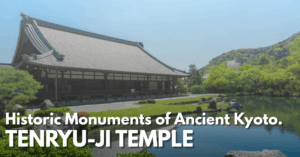
The Sogenchi Garden at Tenryu-ji in Arashiyama is designated a Special Place of Scenic Beauty.
Around 200 cherry trees grow there, including Somei-yoshino, weeping, yamazakura and higan cherries, and they are worth the trip on their own.
Climb the stone steps in the grounds to Bokyo no Oka and the whole city opens up below. It is a good place to stand still for a moment.
The Cloud Dragon on the ceiling of the Hatto hall is opened to visitors for limited periods in spring and autumn, so look up at the dragon that seems to follow you whichever way you move.
Togetsukyo Bridge
Tenryu-ji
Address: 68 Saga Tenryuji Susukinobaba-cho, Ukyo-ku, Kyoto
Tel: 075-881-1235
Hours: 8:30–17:00 (garden, last entry 16:50)
There are periods with special early-morning opening; check the official site.
Website: https://www.tenryuji.com/
Lunch ▶ Saganoyu


Source: http://www.sagano-yu.com/index.html
Saganoyu is a cafe made out of a public bathhouse from the Taisho era.
The owner spent about four months on the conversion, keeping the bathtubs, the brick walls, the changing room and the boiler room in mind as he worked.
The menu runs from tofu pasta with meatballs and Kujo spring onion to a butter chicken curry called Yama Curry, along with pancakes and other things that make it hard to leave.
Saganoyu
Address: 4-3 Saga Tenryuji Imahori-cho, Ukyo-ku, Kyoto
Tel: 075-882-8985
Hours: 11:00–19:00 (L.O. 18:30)
Hours may change
Closed: None
Website: http://www.sagano-yu.com/
Instagram: https://www.instagram.com/saganoyu_official/
Sagano Romantic Train ▶ A Tunnel of Blossom Above the Hozugawa Gorge


The torokko was originally a boxcar used to move freight. It rattles along slowly, and that is most of its appeal.
The Sagano Romantic Train passes through a tunnel of cherry blossoms with the Hozugawa gorge below.
Take it in the mild spring light and let the ride go at its own pace.
The trip from Torokko Saga Station to Torokko Kameoka Station takes 23 minutes.
Trains run roughly hourly in both directions from the 9 o’clock hour to the 16 o’clock hour, with a later evening service.

Torokko Saga, Arashiyama, Hozukyo and Kameoka stations
Non-operating days: Wednesdays, with exceptions (check the operating schedule on the official site)
Fare: 880 yen for adults, 440 yen for children
Website: https://www.sagano-kanko.co.jp/
Instagram: https://www.instagram.com/saganoromantictrain_1114/?hl=ja
RESERVATION
Cherry Blossoms in Kameoka ▶ The Best-Known Spot in Tanba


Once the Sagano Romantic Train has brought you to Kameoka, head for the cherry blossom spots there.
Kameoka Sakura Week runs from late March to mid-April, with lighting at several places around the city.
Nango Park, a short walk from JR Kameoka Station, sits in the outer moat of Tanba Kameyama Castle, and you can walk it slowly under the weeping cherries.
A short bus ride away is Nanatanigawa, the Yawaragi no Michi, the best-known cherry blossom spot in the Tanba area.
About 1,500 trees line roughly a kilometer of path. During the festival they are lit up and food stalls open, so it suits anyone who likes the atmosphere of a Japanese festival.
Kameoka Sakura Week (Kameoka Sakura Festival Committee)
Tel: 0771-25-5071
Event details: https://www.kameoka-sakura.com/
Nango Park
Nanatanigawa (Yawaragi no Michi)
Day 3

Day 3 takes about 30 minutes by train from Kameoka back into the city.
It covers two places you cannot leave out, Kiyomizu-dera and Yasaka Shrine with Maruyama Park, then the cherries against the quiet of Nanzen-ji and a walk along the Philosopher’s Path.
Kiyomizu-dera ▶ Go at Opening Time and Take Your Time


Kiyomizu-dera draws visitors from Japan and abroad.
It gets especially crowded in cherry blossom season, so arrive when the gate opens at 6:00 if you want to avoid the worst of it.
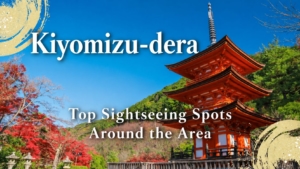
The blossoms surrounding the Main Hall, the view down from the Kiyomizu stage, and the three-storied pagoda framed by cherry trees are the three to look for.
From late March to early April there is a special evening opening with lighting, with the last entry at 21:00, so you can come back and see how different the same view looks after dark.
Kiyomizu-dera
Address: 294 Kiyomizu 1-chome, Higashiyama-ku, Kyoto
Tel: 075-551-1234
Hours: 6:00–18:00 (18:30 in July and August; check the official site for special evening openings)
Website: https://www.kiyomizudera.or.jp/
Instagram: https://www.instagram.com/feel_kiyomizudera/
Yasaka Shrine and Maruyama Park ▶ Sitting With the Gion Weeping Cherry


Yasaka Shrine and Maruyama Park are among the best-known places in Kyoto for cherry blossoms.
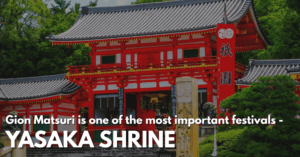
Yasaka Shrine has cherry trees near the South Tower Gate and the Buden dance hall, and the Gion weeping cherry in the park next door is the one everyone comes for.
Maruyama Park holds more than 650 cherry trees, Somei-yoshino and weeping cherries among them, and people sit under them with food and drink.
From late March to early April the Gion weeping cherry is lit up each year, and the white and pale pink read differently against the dark.
It is a different place at night than during the day, which is why people who live here come back more than once.
Check with the Maruyama Park management office before laying out a picnic sheet to eat and drink.
Yasaka Shrine
Address: 625 Gionmachi Kitagawa, Higashiyama-ku, Kyoto
Tel: 075-561-6155
Hours
Grounds: 24 hours
Shrine office: 9:00–17:00
Website: https://www.yasaka-jinja.or.jp/
Instagram: https://www.instagram.com/kyotogionyasaka/
Maruyama Park
Address: Maruyama-cho, Higashiyama-ku, Kyoto
Kyoto City Greenery Association: 075-561-1350
Website: https://kyoto-maruyama-park.jp/
Instagram: https://www.instagram.com/maruyamakouenkyoto/
Lunch ▶ tan


The word tan carries the sense of a small act of sincerity.
The name was chosen for the wish that people eat here in the same easy way they would around a table with close friends or family.
It also points to the Tango peninsula, and to the hope that people will come to know the ingredients the area produces.
Vegetables come from contract farms that use neither fertilizer nor pesticide, and their natural sweetness and depth work well with the rice-based vinegar from Iio Jozo in Miyazu, Kyoto, and with rice grown without agrochemicals or chemical fertilizer.
Lunch runs to rice bowls such as beef with plenty of Tan sansho pepper, and noodle dishes such as deep-fried Spanish mackerel with warm mulberry noodles in a sake lees broth.
If you want both the rice and the noodles, take the course that includes them.
(The contents change with what comes in.)
tan
Address: 106-13 Goken-cho, Sanjo-dori Shirakawabashi-sagaru, east side, Higashiyama-ku, Kyoto
Tel: 075-533-7744
Hours
Breakfast: Friday and Saturday from 9:00 (one seating); Sunday from 8:00 and 9:00 (two seatings)
Lunch: 12:00–14:45 (L.O. 14:00)
Dinner: 18:00–22:00 (L.O. 21:00)
Closed: Mondays (the following Tuesday when Monday is a public holiday)
Plus one irregular closing day a month
Website: https://www.tan.kyoto.jp/
Instagram: https://www.instagram.com/tan_kyoto/
Keage Incline and Nanzen-ji ▶ Cherry Blossoms With a Sense of the Past


The Keage Incline is a funicular railway on the canal route that ran from Otsu in Shiga to Fushimi in Kyoto. An incline is a railway built on a slope so that loaded cradles can be moved up and down.
At about 582 meters, the Keage Incline was the longest in the world when it was built.
It still stands as it was and you can walk along it freely. In spring the cherry trees close over it like a tunnel.
About fifteen minutes on foot from the Keage Incline is Nanzen-ji.
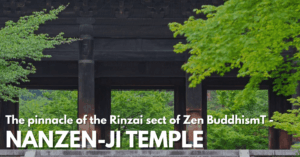
Nanzen-ji holds National Treasures and Important Cultural Properties, which gives the cherry season here more to look at.
The Sanmon, one of the three great gates of Japan, is also known from the kabuki play Sanmon Gosan no Kiri, in which Ishikawa Goemon looks out over the Somei-yoshino at dusk and calls the view magnificent.
Yae-zakura and red weeping cherries bloom in the grounds as well, and they sit well against the heavy brick arches of the Suirokaku aqueduct.
Keage Incline
Nanzen-ji
Address: Nanzenji Fukuchi-cho, Sakyo-ku, Kyoto
Tel: 075-771-0365
Hours
December 1 to the end of February: 8:40–16:30
March 1 to November 30: 8:40–17:00
Website: https://www.nanzenji.or.jp/
Instagram: https://www.instagram.com/daihonzan_nanzenji/?hl=ja
The Philosopher’s Path ▶ Kyoto’s Best Tunnel of Cherry Blossoms


About twenty minutes on foot from Nanzen-ji is another tunnel of cherry blossoms, the Philosopher’s Path.
The Philosopher’s Path is a two-kilometer lane along the Lake Biwa Canal. It is one of Japan’s hundred best roads, and it is named after the philosopher Kitaro Nishida, who walked it while he thought.
The cherry trees along it are known as Kansetsu cherries, after the Japanese-style painter Kansetsu Hashimoto, who planted the first saplings.
It is a good place to walk slowly and look up.
The Philosopher’s Path
Address: Sakyo-ku, Kyoto
Dinner ▶ Izakaya Ikki Nishijin


Izakaya Ikki Nishijin has a warm Showa-era interior.
There are counter seats if you are on your own and semi-private table seats for groups of up to ten.
The owner points first to the atsuage, thick fried Kyoto tofu served with a house dashi soy sauce.
It is fried to order, crisp outside and soft inside, and reviews say people come back for it.
The fish is worth ordering too, with sashimi of amberjack, sea bream and sweet shrimp, and monkfish liver with ponzu.
Izakaya Ikki Nishijin
Address: 50-1 Shimoishibashi Minamihan-cho, Kamigyo-ku, Kyoto
Tel: 075-441-0413
Hours
Monday to Saturday and the day before a public holiday: 17:00–24:00 (food L.O. 23:00, drinks L.O. 23:30)
Sundays and public holidays: 17:00–23:00 (food L.O. 22:00, drinks L.O. 22:30)
Closed: Irregular
Website: https://izakaya-ikki.owst.jp/
Day 4

Day 4 covers Higashi Hongan-ji and Shosei-en, both near Kyoto Station, then Umekoji Park, where you can picnic among several kinds of cherry tree, and To-ji, where the five-storied pagoda stands behind the Fuji cherry.
In the evening, see the cherry blossoms lit up at Nijo Castle.
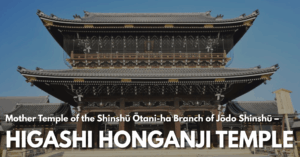
Higashi Hongan-ji and Shosei-en ▶ Cherry, Plum and Camellia


Higashi Hongan-ji, known locally as Ohigashi-san, is about fifteen minutes on foot from JR Kyoto Station.
Cherry trees stand in front of the gate and around the Amida Hall, and they read well against the weight of the Goeido Gate behind them.
Shosei-en, a detached garden of Higashi Hongan-ji away from the main hall, holds about 50 cherry trees, including Somei-yoshino, yamazakura and weeping cherries.
Plum and camellia bloom there as well, so the garden carries the whole of early spring.
Higashi Hongan-ji
Address: Karasuma-dori Shichijo-agaru, Shimogyo-ku, Kyoto
Tel: 075-371-9181
Hours
March to October: 5:50–17:30
November to February: 6:20–16:30
Website: https://www.higashihonganji.or.jp/
Shosei-en (Kikokutei)
Address: Higashitamamizu-cho, Shimojuzuyamachi-dori Ainomachi Higashi-iru, Shimogyo-ku, Kyoto
Opening hours
March to October: 9:00–17:00 (last entry 16:30)
November to February: 9:00–16:00 (last entry 15:30)
Closed: None
Details: https://www.higashihonganji.or.jp/about/guide/shoseien/
Instagram: https://www.instagram.com/shoseien_official/
Umekoji Park ▶ A Picnic Where the City Comes to Rest

Umekoji Park is green and open, and it sits in the middle of the city.
Inside there is a lawn that suits a picnic, a stream and pond area built for children to play in, and Suzaku no Niwa, a traditional Japanese garden.
The Kyoto Aquarium and the Kyoto Railway Museum are close by, which makes the park popular with families.
Umekoji Park map
Somei-yoshino, weeping cherries and Oshima cherries bloom mainly on the lawn and in Suzaku no Niwa.
Department stores such as Isetan and Takashimaya are near Kyoto Station, so you could pick up prepared food in a basement food hall and eat it on the lawn.
Umekoji Park
Address: 56-3 Kankiji-cho, Shimogyo-ku, Kyoto
Tel: 075-352-2500 (Umekoji Park management office)
Hours: open at all times
Details: https://www.kyoto-ga.jp/umekouji/index.html
Instagram: https://www.instagram.com/kyoto_umekojipark/
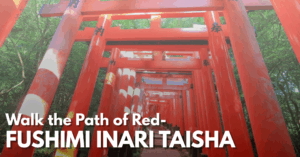
Fushimi Inari Taisha ▶ Cherry Blossoms Against Vermilion


Fushimi Inari Taisha is the head shrine of some 30,000 Inari shrines across Japan, and it is known for the Senbon Torii, the rows of gates.
Besides the Senbon Torii, the Tower Gate, the Main Hall and the Okusha Hohaisho stand out for their vermilion.
That vermilion is held to counter malign forces, and it is also said to stand for the abundance that the deity of Inari brings.
In cherry blossom season the Somei-yoshino and weeping cherries set off the vermilion, and the grounds take on more depth.
Even if you have been to Fushimi Inari Taisha before, it will look different with the blossoms added.
Fushimi Inari Taisha
Address: 68 Fukakusa Yabunouchi-cho, Fushimi-ku, Kyoto
Tel: 075-641-7331
Hours
Grounds: 24 hours
Prayer requests: 8:30–16:30
Website: https://inari.jp/
Instagram: https://www.instagram.com/fushimiinaritaisha_official
Cafe ▶ atelier Kyo Baum


Source: https://kyobaum.com/atelier/
Stop at atelier Kyo Baum on the way from Fushimi Inari Taisha to To-ji.
It is a confectionery house opened in November 2023 by the makers of Kyo Baum, a moist, light baumkuchen made with Uji matcha and Kyoto soy milk.
The ground floor sells Kyo Baum along with the firmer Uji Matcha Pyrenees baumkuchen and atelier Kyo Baum sable, among other things for anyone who likes matcha.
The second floor shows how Kyo Baum is made, with an exhibit and a view of the factory. The third floor is a cafe and restaurant serving dishes made with Kyo Baum that you can only have here.
If you like matcha, order the Baum Affogato in matcha.
It puts house-made matcha gelato on Kyo Baum and pours matcha espresso over it.
atelier Kyo Baum
Address: 1 Nishikujo Takabatake-cho, Minami-ku, Kyoto
Tel: 075-585-3795
Hours
1F shop: 10:00–18:00
2F library and factory tour: 10:00–18:00
3F cafe and restaurant
Weekdays: 11:00–18:00 (L.O. 17:30)
Saturdays, Sundays and public holidays: 10:00–18:00 (L.O. 17:30)
Closed: None
Website: https://kyobaum.com/atelier/
Instagram: https://www.instagram.com/kyo_baum/?hl=ja
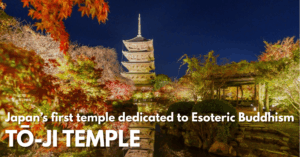
To-ji ▶ The Fuji Cherry and Kukai’s Teaching


Kyoto has many weeping cherries, and the one at To-ji, the Fuji cherry, should not be missed.
The name comes from the teaching of Kobo Daishi Kukai, who established To-ji as a temple of Esoteric Buddhism.
Fuji means the one and only, without a second. In Buddhism it is read funi and carries the sense of no separation, no distinction.
It is a way of saying that the Buddha is not far off but close at hand.
From mid-March to mid-April each year the trees are lit up for evening viewing.
Besides the Fuji cherry, To-ji holds about 200 cherry trees, Somei-yoshino among them, so come back after dark and see them with the five-storied pagoda.
To-ji
Address: 1 Kujo-cho, Minami-ku, Kyoto
Tel: 075-691-3325
Hours
Kondo and Kodo halls: 8:00–17:00 (last entry 16:30)
Kanchi-in: 9:00–17:00 (last entry 16:30; check the official site for special evening openings)
Admission: the Miedo and Jikido are free; there is a charge for parts of the Kondo and Kodo.
Website: https://toji.or.jp/
Instagram: https://www.instagram.com/toji_official/
Nijo Castle ▶ Lighting at the Cherry Blossom Festival


The other place where the lit cherry blossoms are worth the trip is Nijo Castle.
About 300 trees of 50 varieties grow across the grounds, including yamazakura, Somei-yoshino and weeping cherries.
Nijo Castle was built in 1603 by Ieyasu Tokugawa, the first shogun of the Edo shogunate, to guard the Kyoto Imperial Palace and to house the shogun when he came to the city. It is also where the return of power to the emperor was declared, which ended the shogunate.
Take in the blossoms with that weight of history behind them.
The Nijo Castle Cherry Blossom Festival runs from early March to early April each year, with lighting during the period, so it is worth seeing both by day and after dark.
Dinner ▶ Kushiage Omoto


After the cherry blossoms at Nijo Castle, head to Kushiage Omoto, a quiet kushiage restaurant.
It uses organic vegetables, seafood with a clear supply route, meat raised on feed grown in a closed organic cycle, and game taken by hunters in Maizuru.
Deep-frying on skewers seals the flavor in, and it opens up as you bite.
There is one menu, the Tokusen Omoto course, with ten to thirteen skewers plus a dish, a salad, rice and soup, and dessert. Extra or substituted skewers and allergies can be handled.
Kushiage Omoto
Address: 554-2 Sujikaibashi-cho, Kamigyo-ku, Kyoto
Tel: 075-411-4439
Hours
Wednesday to Friday: 18:00–23:30 (last entry 20:30)
Saturdays, Sundays and public holidays: 17:30–23:30 (last entry 20:30)
Closed: Mondays and Tuesdays
Website: https://omoto2013.com/
Instagram: https://www.instagram.com/kushiage.omoto
Kyoto Pleasant Hotel: A Base in the City


Here are two places to stay that work well for the route above, one in Kyoto city and one in Kameoka.
Kyoto Pleasant Hotel keeps manga and games on site, which suits anyone who came for them. There is also a ramen corner for a late meal or a small hunger.
If you like Japanese animation, take one of the concept rooms, illustrated by young artists from Kyoto University of the Arts.
Events run through the year, so it also suits travelers who want something to do without going out.
Kyoto Pleasant Hotel
Address: 857 Kitafunabashi-cho, Horikawa-dori Imadegawa-agaru, Kamigyo-ku, Kyoto
Tel: 075-366-6711
Mail: info@kyoto-pleasanthotel.com
Website: https://kyoto-pleasanthotel.com/
Instagram: https://www.instagram.com/pleasant_hotel/
Sumiya Kihoan: A Base in Kameoka


Kameoka in Kyoto means Yunohana Onsen, a hot spring area where warlords came to heal in the Sengoku period.
Sumiya Kihoan is a hot spring inn built in the image of a Tanba shoya house. A shoya was a well-off village official, so think of it as a grand old residence.
Sumiya Kihoan has rooms with a private open-air hot spring bath and a foot bath, and art rooms where traditional craft meets contemporary work.
You can take the bath and your meals looking out at the mountains, which suits anyone who wants to be somewhere clearly apart from the everyday.
Sumiya Kihoan
Address: 25 Hiedano-cho Kakihana Miyanooku, Kameoka, Kyoto
Tel: 0771-22-7722
Website: https://www.sumiya.ne.jp/
Instagram: https://www.instagram.com/sumiyakihoan/
Summary
This article set out a four-day route through Kyoto for the cherry blossom season.
From the second half of March into the first half of April, most of the cherries are at their best.
The best-known places fill up, but the quieter spots and the larger parks give you room to look.
Kyoto can reach 20 degrees at this time of year, which is comfortable, though evenings turn cold, so bring a light jacket or a cardigan.
You will be on your feet a great deal, so wear shoes you can walk in.
Enjoy the cherry blossoms in Kyoto.