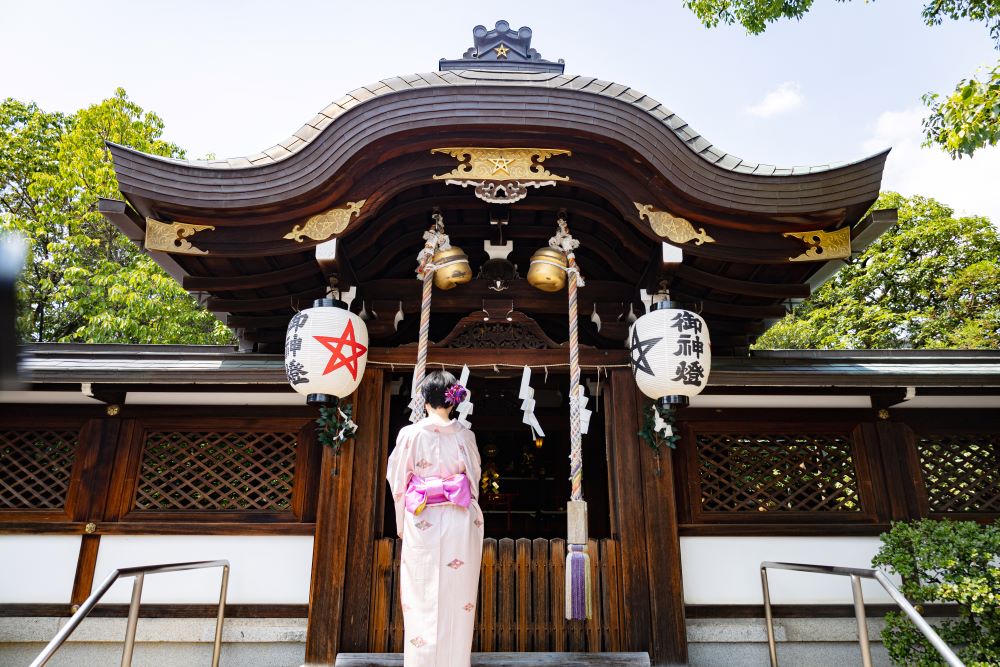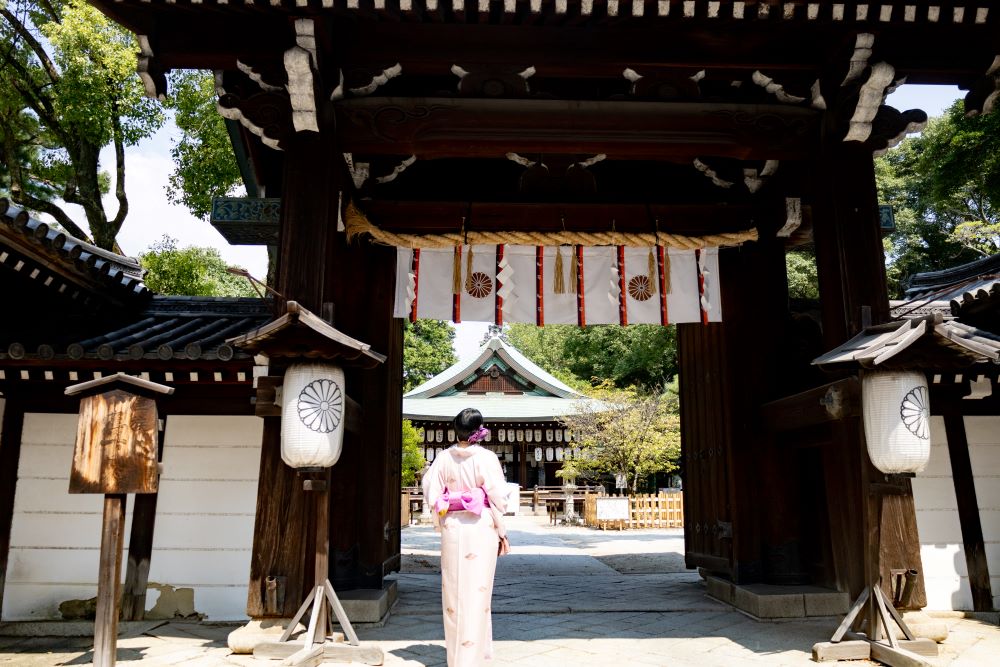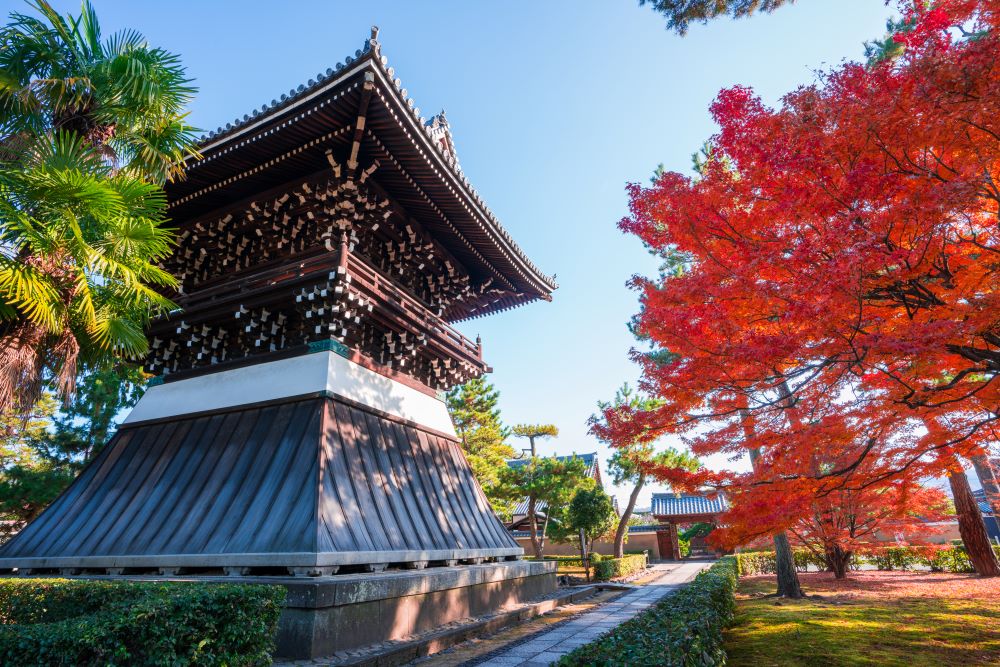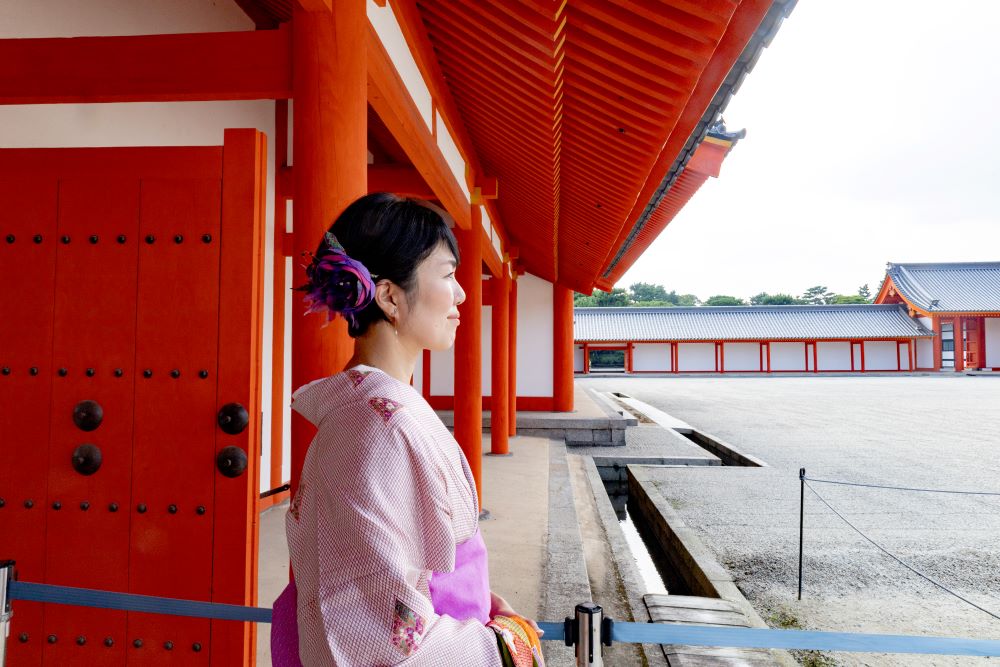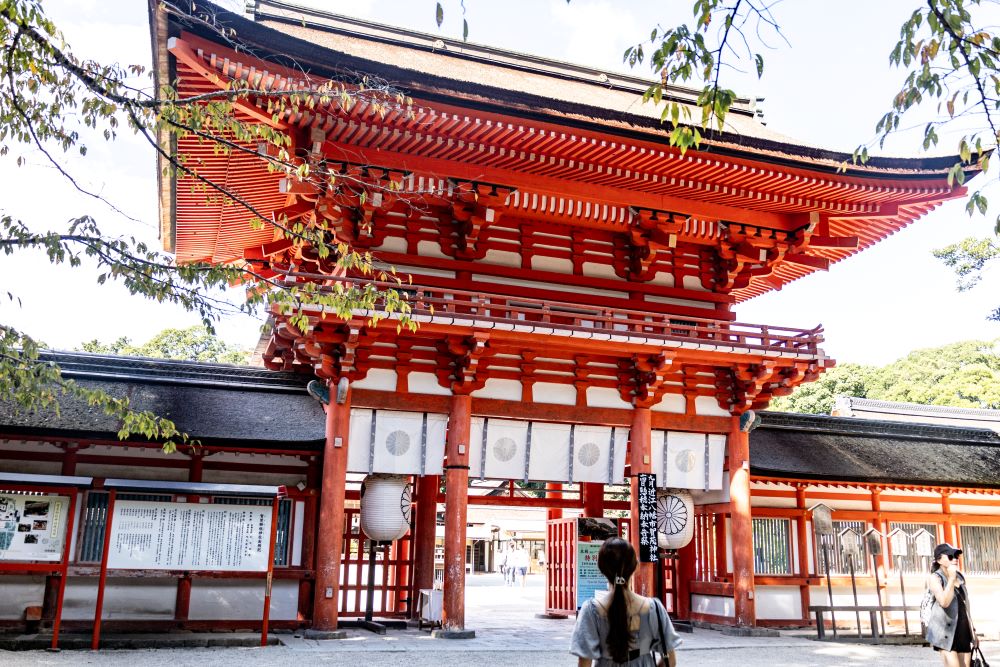
One thing worth doing in Kyoto is wearing a kimono.
Hanamikoji and Gion keep their old streetscapes, and walking in a kimono in front of a Western-style building such as the former main building of the Kyoto Prefectural Office has an appeal of its own.
The Nishijin area, home to Kitano Tenmangu, Shokoku-ji and the Kamishichiken Kaburenjo, is where Nishijin-ori silk weaving began, and it has no shortage of shops that rent kimono.
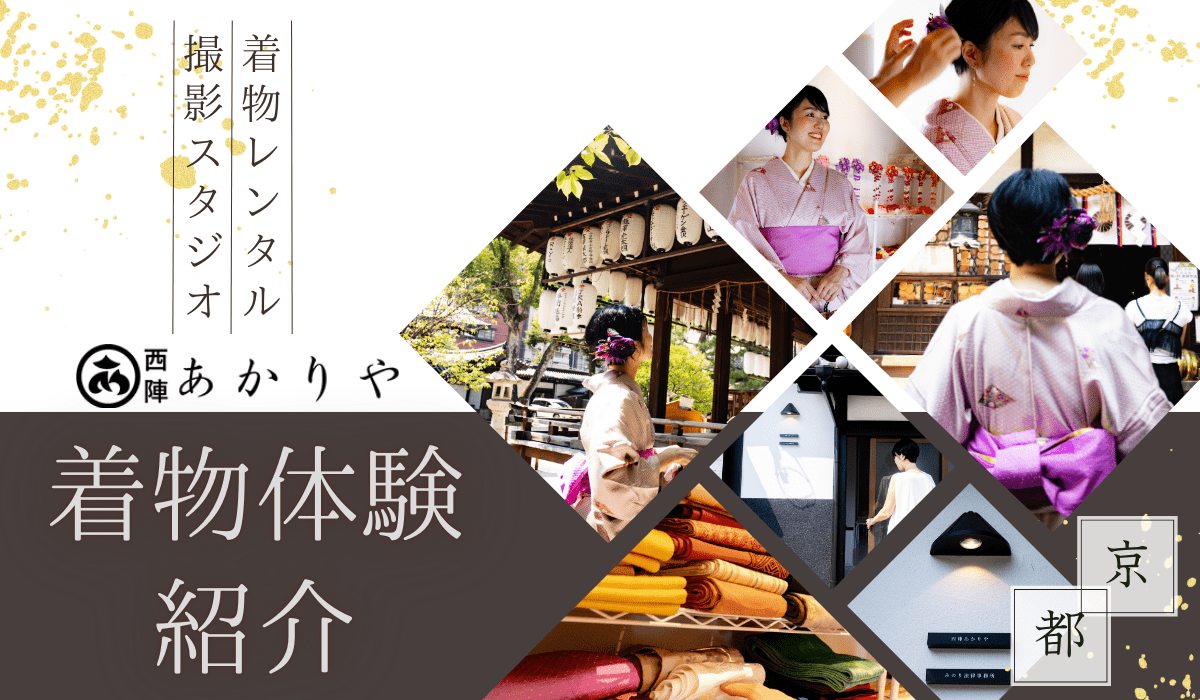
One of them is Nishijin Akariya, a kimono rental shop and photo studio.
The staff are friendly, and you can turn up empty-handed.
This article covers Nishijin Akariya along with the sights nearby.
Kimono Plans at Nishijin Akariya
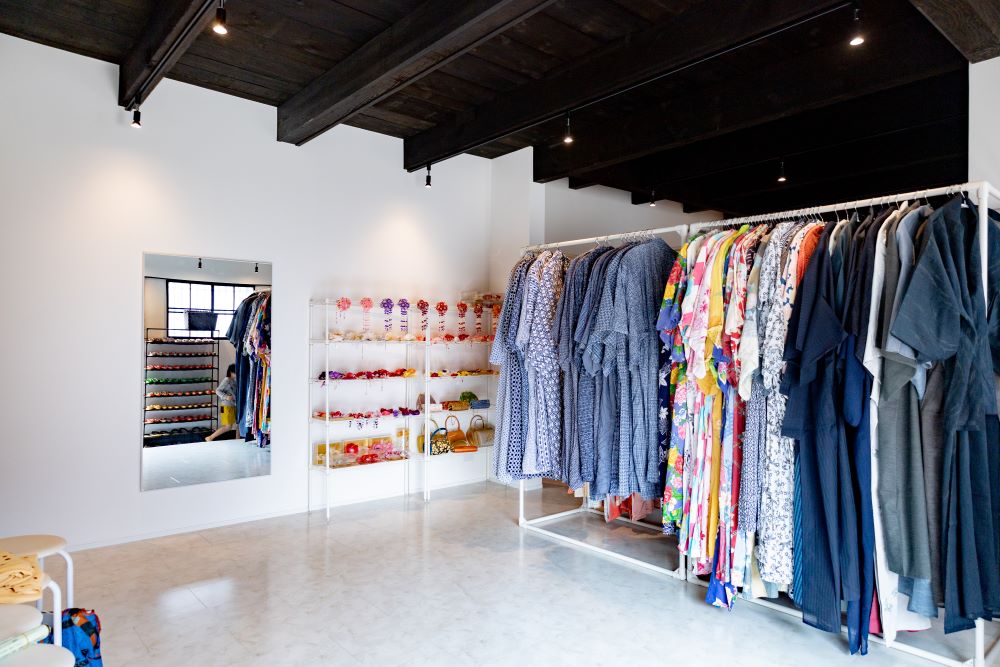
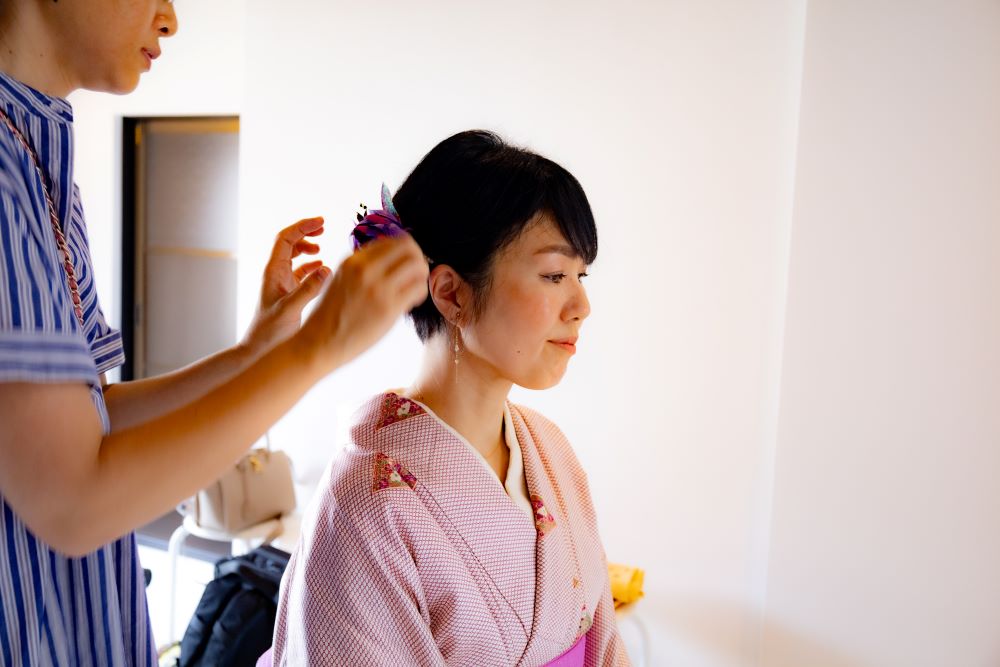
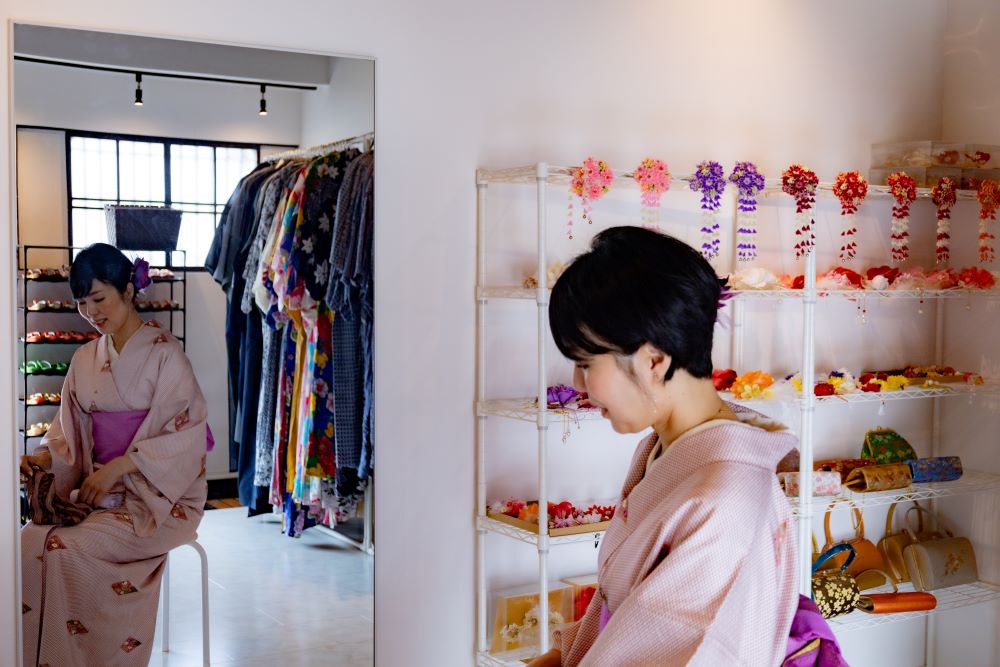
Nishijin Akariya has a range of rental plans that include dressing, hair ornaments, accessories and hair styling. Geta, tabi and hair ornaments to match the kimono are all part of the rental.
Casual Town Walk Plan
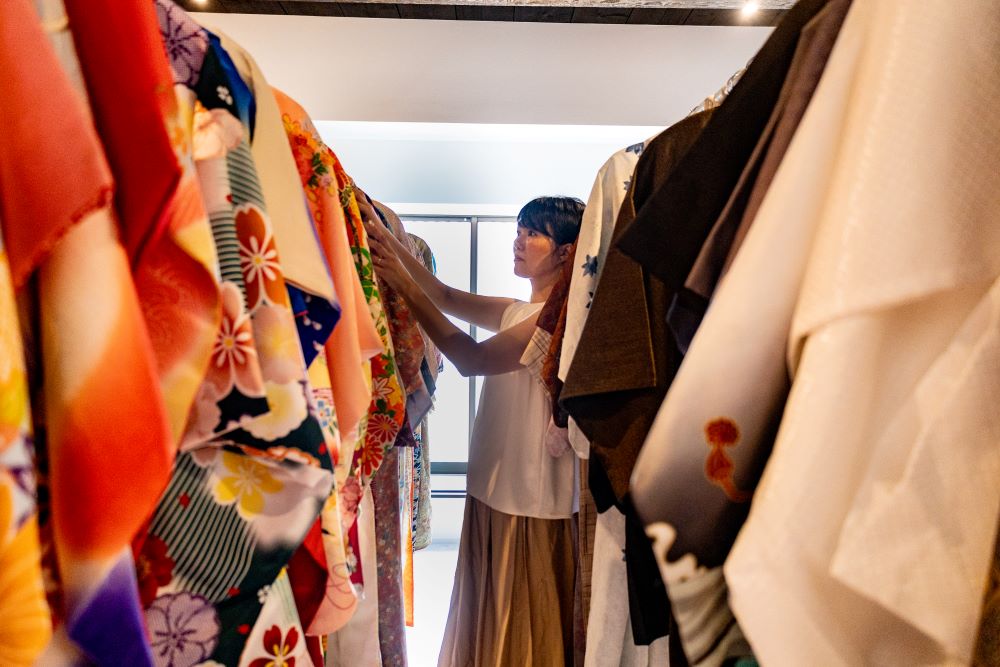
The Casual Town Walk plan suits anyone who wants to go sightseeing, eat out or try a maiko experience in a kimono.
It pairs a komon with a hanhaba obi. A komon is an everyday kimono rather than a formal one.
The pattern covers the whole garment, though some komon are close to plain. The hanhaba obi is the sash usually worn with it.
It is narrower than other obi, and some are reversible. It can be tied in a number of ways and holds without extra accessories, which makes it easy to wear.
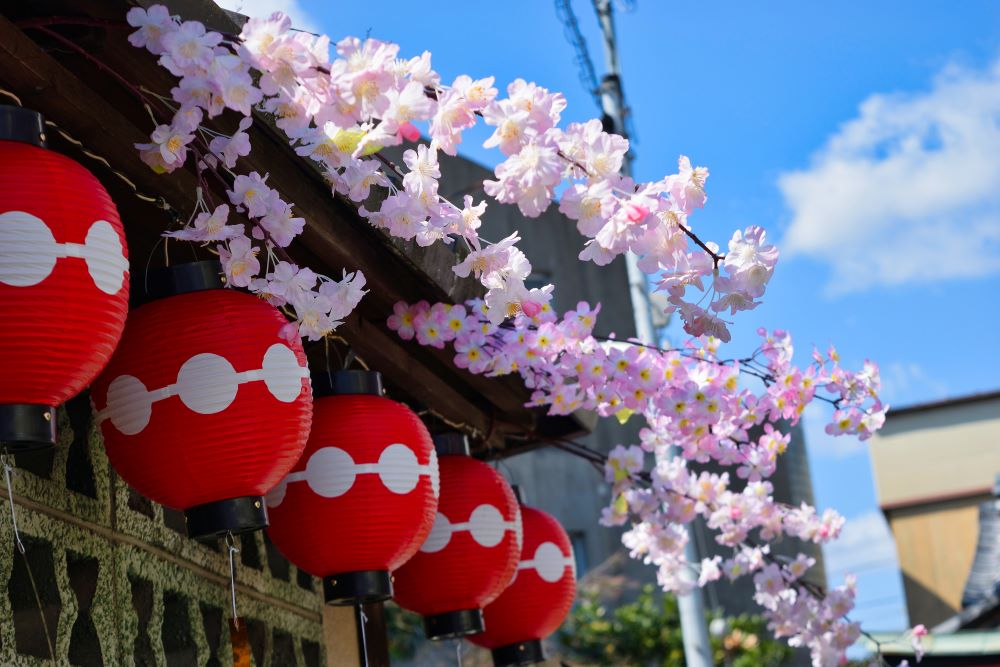
It works for the autumn leaves and the cherry blossom, for a meal out as a couple, or for the first shrine visit of the year.
Premium Town Walk Plan

The Premium Town Walk plan suits anyone who has worn a kimono before, or who wants to wear a finer one.
With this plan the obi is tied in the otaiko style.
Otaiko is one of the common ways of tying an obi, and it holds its shape well.
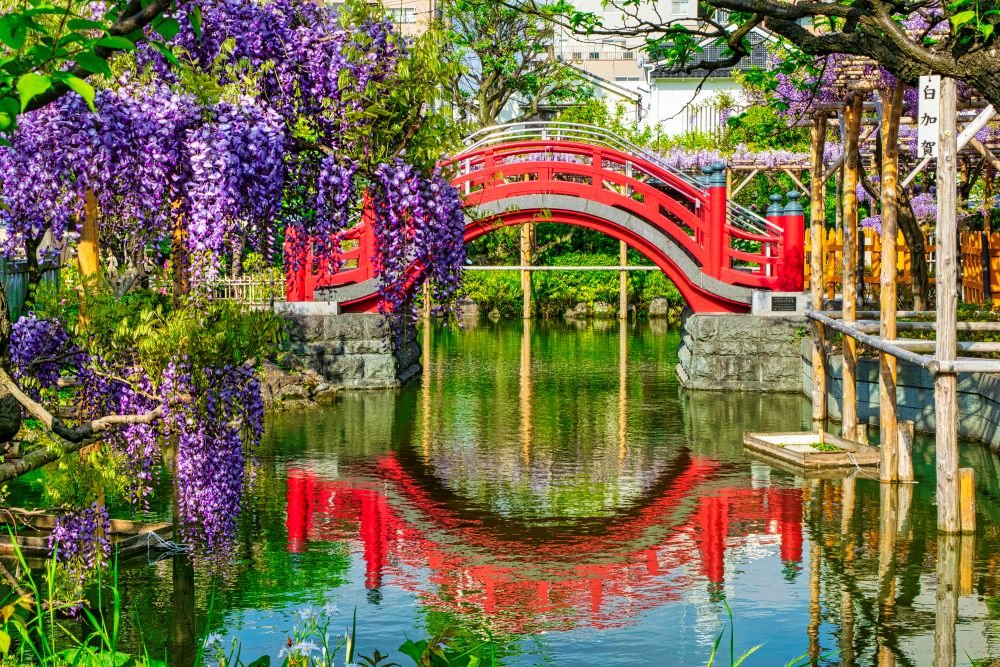
The name comes from the taiko bridge at Kameido Tenjin in Sumida, Tokyo.
In the late Edo period, when the bridge was completed, geisha lifted the back of the obi and tied it with a cord so that it would not fall while they crossed.
The shape resembled the arched bridge, which is how otaiko got its name. If you are ever in Tokyo, the bridge at Kameido Tenjin is worth a look.
Dressing Lessons and Photo Shoots of 50 Shots or More
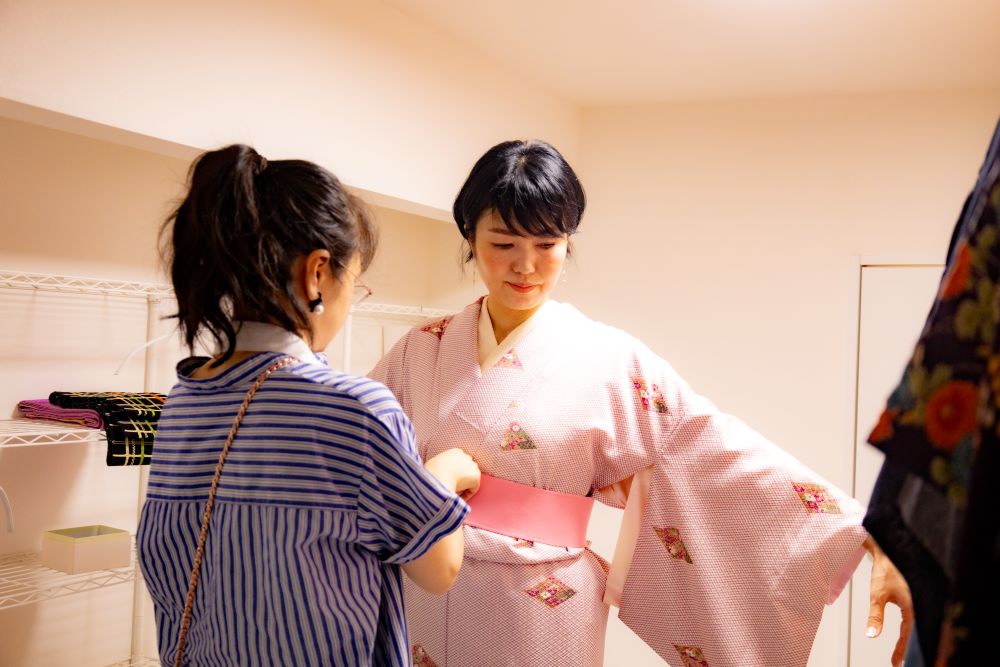
Nishijin Akariya also handles formal occasions: Shichi-Go-San, graduation hakama and furisode.
Anyone who wants to learn to put on a kimono themselves can book a dressing lesson.
The shop doubles as a photo studio. Ten shots cost 3,000 yen, and 50 shots or more can be arranged on request.
A group photo of the family in kimono, followed by individual shots of the children, makes a good record of the day.
Kimono rental plans
Casual Town Walk plan: 3,000 yen
Premium Town Walk plan: 5,000 yen
Shichi-Go-San plan: 10,000 yen
Graduation hakama plan: 10,000 yen
Furisode plan: 20,000 yen
| Nishijin Akariya Address: 68 Itsutsuji-cho, Kamigyo-ku, Kyoto Tel: 090-5152-6670 Rental hours: 10:00–21:00 Website: https://www.kyoto-akariya.net LINE ID: @a2012 Instagram: https://www.instagram.com/kimono.akariya?igsh=MW54dXhybjlqNGwyYg== |
Bookings can also be made on LINE. Scan the QR code below to add the account.

Sights Nearby Worth Walking to in a Kimono
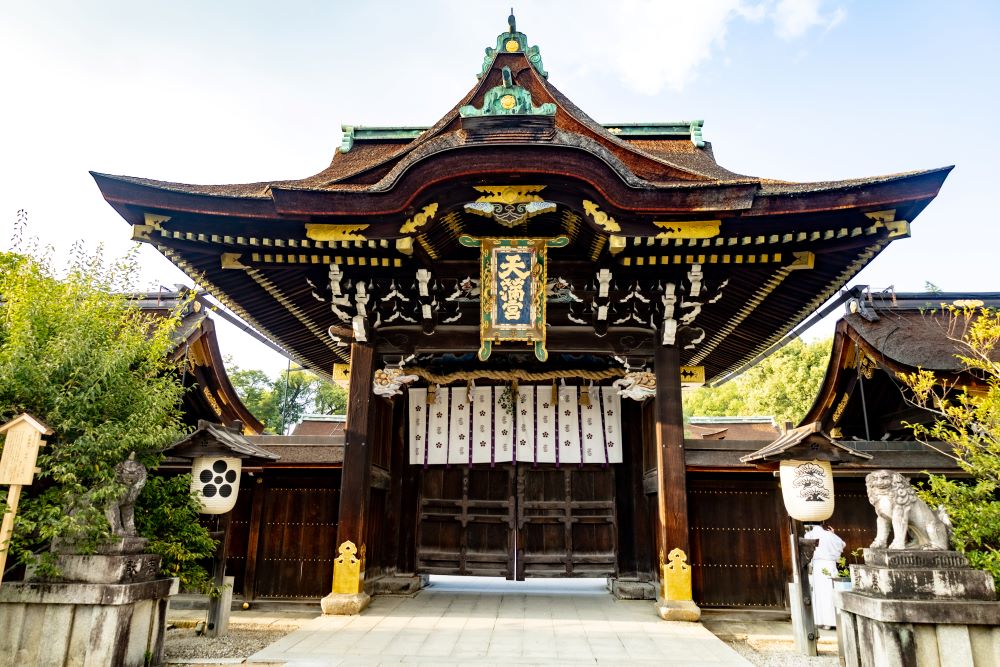
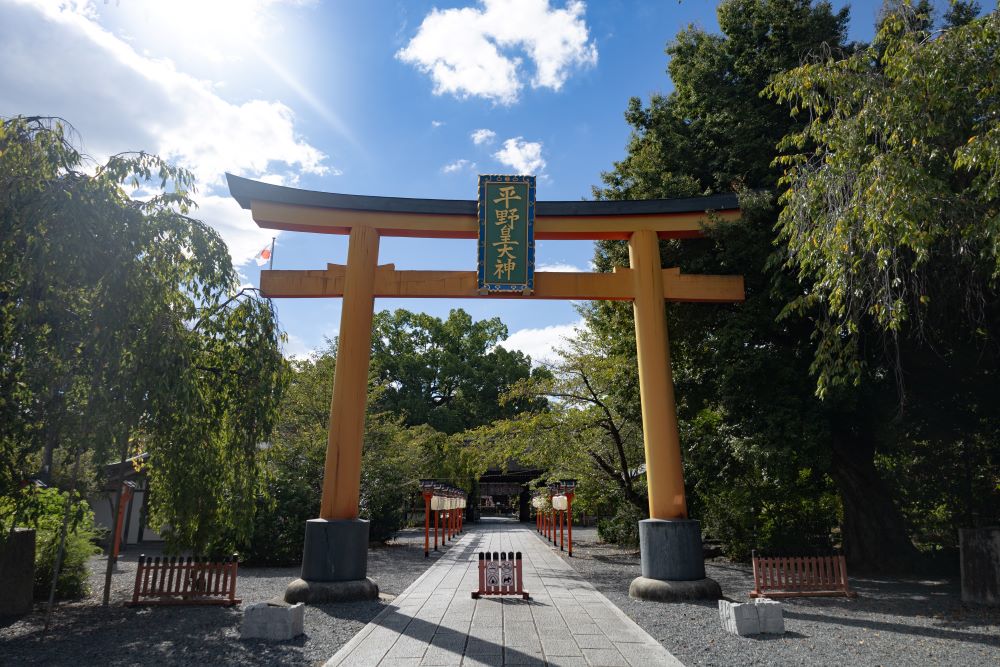
Around Nishijin Akariya there is plenty to see in a kimono: Kitano Tenmangu, known for its plum blossom, and the Kamishichiken Kaburenjo in Kamishichiken, the oldest geisha district in Kyoto, where geiko and maiko come and go.
Rentals run until 9 p.m., so there is no need to hurry back.