
Kyoto has no shortage of sightseeing spots, and one of the most rewarding is Amanohashidate in the north of the prefecture.
Its long, narrow form, often likened to a dragon, has also made it popular as a spiritual destination linked with good fortune.
If you have wondered what makes Amanohashidate so special, this guide covers its key features, the main sights, the local food, and more.
At the end, you will also find places to stay with hot springs in the Amanohashidate area.
What Makes Amanohashidate So Special? Three Key Features
People often say Amanohashidate is worth seeing at least once in a lifetime, and there are three reasons why.
A Natural Sandbar Shaped Over Thousands of Years
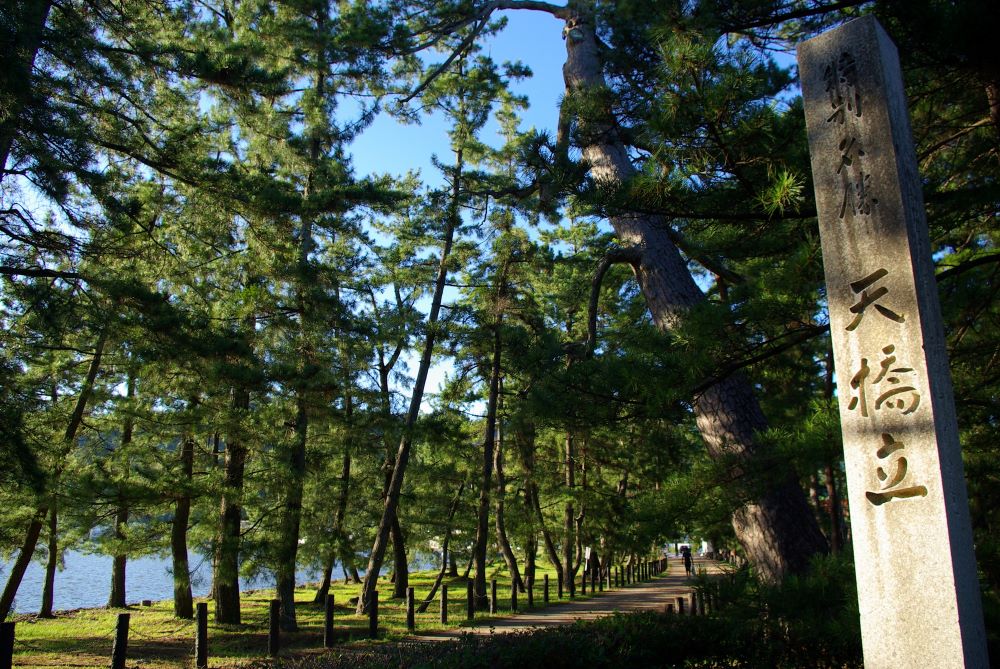
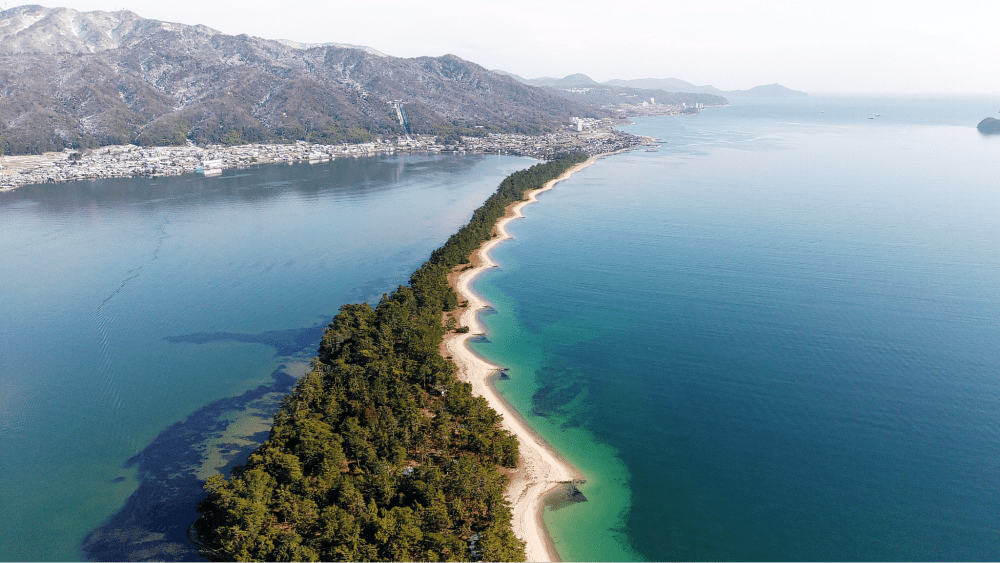
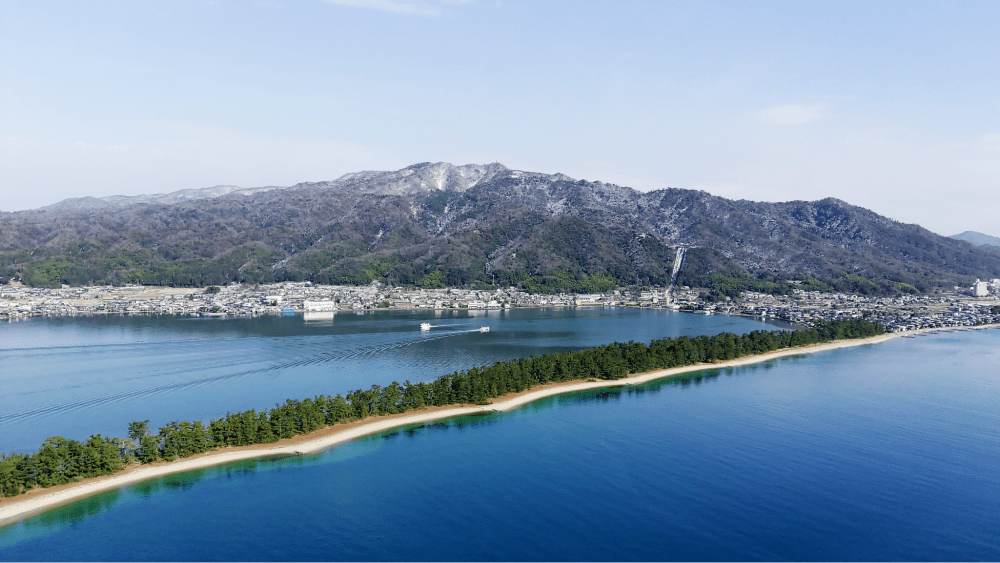
Located in northern Kyoto Prefecture, Amanohashidate is a sandbar about 3.6 km long that divides Miyazu Bay from the Aso Sea. Geographers call this type of landform a sand spit.
A sand spit forms when sand builds up at the tip of a cape and stretches out into the water like a bird’s beak.
Sand deposited over thousands of years created this 3.6 km landform, and today around 6,700 pine trees grow along it. Together, the sand and the pines form a remarkable natural landscape.
One of the Three Scenic Views of Japan
Three terms come up again and again when people describe Amanohashidate: Three Scenic Views of Japan, Special Place of Scenic Beauty, and hakusha seisho.
The Three Scenic Views of Japan are Matsushima in Miyagi Prefecture, Miyajima in Hiroshima Prefecture, home to Itsukushima Shrine, and Amanohashidate in Kyoto Prefecture.
A Special Place of Scenic Beauty is a landscape recognized as having exceptional value, comparable to a national treasure. Amanohashidate holds this designation and is protected as a cultural property.
Its coastline of white sand and deep green pines is also celebrated as a classic example of hakusha seisho, the Japanese ideal of white sand and green pines.
A Legendary Floating Bridge Between Heaven and Earth
The Tango Fudoki, a regional record believed to date from around the Nara period, includes a legend about Amanohashidate.
Izanagi is the male deity who, in Japanese mythology, created the islands of Japan. At the direction of the goddess Izanami, he used a floating bridge to travel between heaven and earth.
One day, while Izanagi was napping, the bridge fell and became Amanohashidate. Because of this story, Amanohashidate has long been revered as a bridge linking heaven and earth and as a place that brings people together.
How to Get to Amanohashidate from Kyoto, Osaka, and Tokyo
Here is how long it takes to reach Amanohashidate from major cities.
From Kyoto, most routes take around 2 hours.
If speed matters most, choose a limited express train or a car. A highway bus is a relaxed option because there are no transfers once you board, and it is also the most affordable.
Travel Time to Amanohashidate Station
| Highway bus | Train (limited express) | Car | |
| From Kyoto | Approx. 2 hr 15 min | Approx. 2 hr | Approx. 1 hr 30 min |
| From Osaka | Approx. 2 hr 50 min | Approx. 2 hr 30 min | Approx. 2 hr |
| From Tokyo | Approx. 4 hr 30 min (Shinkansen + highway bus) | Approx. 4 hr 25 min (Shinkansen + limited express) | Approx. 6 hr 30 min |
| Amanohashidate Address: Amanohashidate Park, Monju, Miyazu, Kyoto Prefecture Phone: 0772-22-8030 (Amanohashidate Station Tourist Information Center) Hours: Open 24 hours for walking and sightseeing Closed: No regular closing days Official website: http://www.amanohashidate.jp/ |
Read More: Access from Major Cities
The Five Great Views of Amanohashidate
You can enjoy Amanohashidate from a sightseeing boat or by cycling through the pine grove, but for most visitors the highlight is the viewpoints, where the sandbar and the sea come into view together.
Here are the five main viewpoints.
Hiryukan at Amanohashidate View Land: Easy to Reach If You Are Short on Time
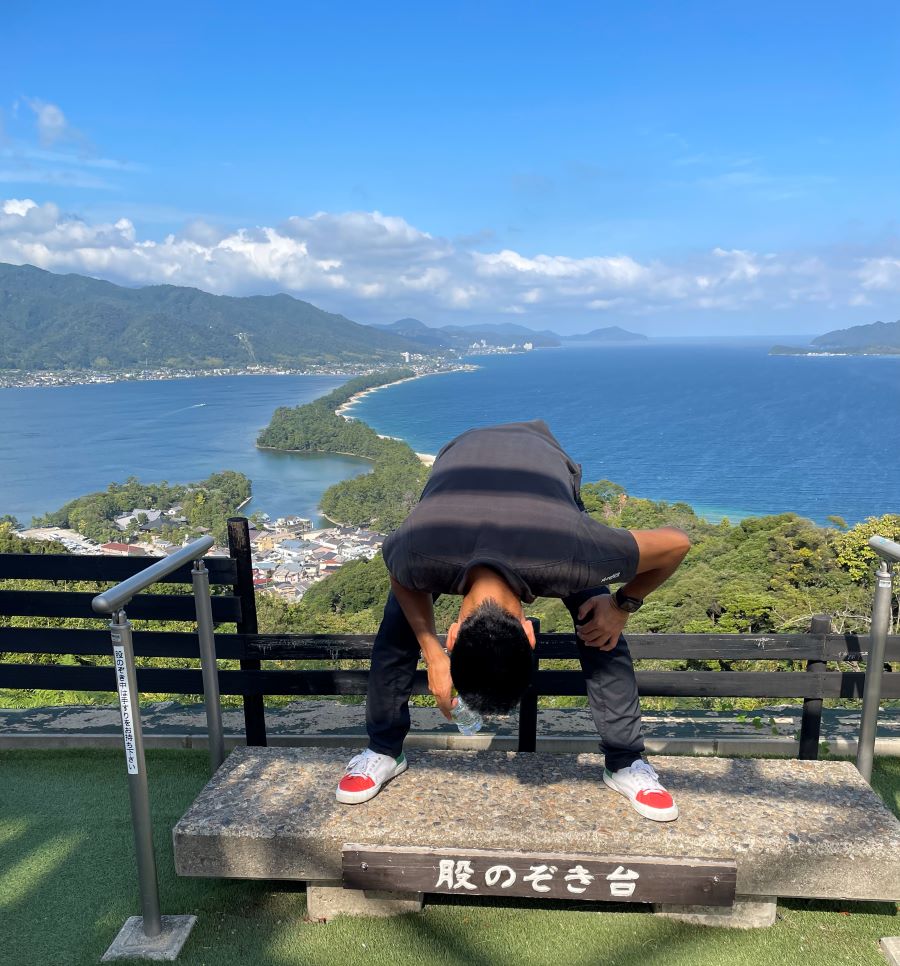
Amanohashidate View Land is a short walk from Amanohashidate Station.
Seen upside down through your legs, the sandbar looks like a dragon flying through the sky, which is why this view is called Hiryukan (the Flying Dragon View). Matanozoki means standing with your back to Amanohashidate, bending over, and looking at the scenery between your legs.
Seen this way, the sky and the sea switch places and the sandbar appears to be a bridge floating in the sky, which is said to be how the custom took hold.
On winter mornings, you may also see Genyuki no Hiryukan, the fleeting snow view, when the sandbar is dusted with fresh snow.
| Amanohashidate View Land Address: Monju, Miyazu, Kyoto Prefecture Phone: 0772-22-1000 Hours: Varies by season, within 8:30 a.m.–6:00 p.m. Closed: No regular closing days Official website: https://www.viewland.jp/en/ |
Shoryukan at Kasamatsu Park: The Original Matanozoki Spot, Popular with Couples
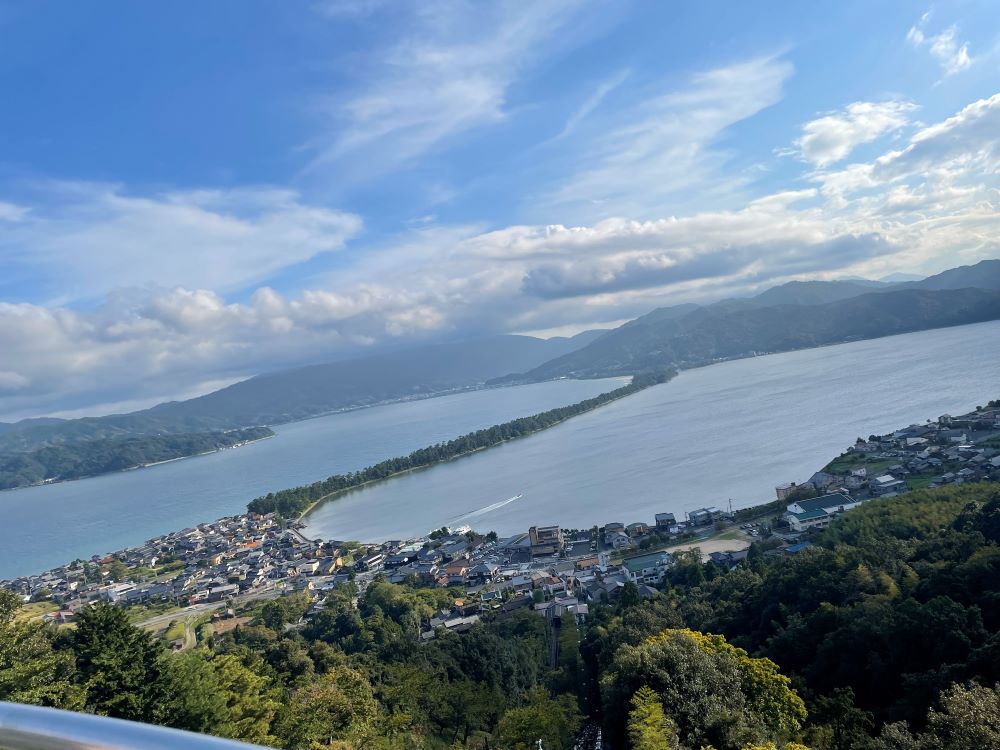
Kasamatsu Park is on the far side of Amanohashidate.
You reach it by cable car or chairlift, and the view of Amanohashidate from the top is impressive.
Because the sandbar looks like a dragon rising into the sky, this view is known as Shoryukan (the Ascending Dragon View).
The glass-walled Sky Deck and the heart-shaped wishing bell are popular with couples and families.
Amanohashidate View Land and Kasamatsu Park are both classic sightseeing spots and are often included in tours.
| Kasamatsu Park Address: 75 Ogaki, Miyazu, Kyoto Prefecture Phone: 0772-27-0032 (Tango Kairiku Kotsu, Nariai Office) Hours: Varies by season, within 9:00 a.m.–6:00 p.m. Closed: No regular closing days Official website: https://www.tankai.jp/trip/kasamatsu/ |
Tenpyokan Viewpoint at the Tango Kokubunji Temple Ruins: A Newer View for History Lovers
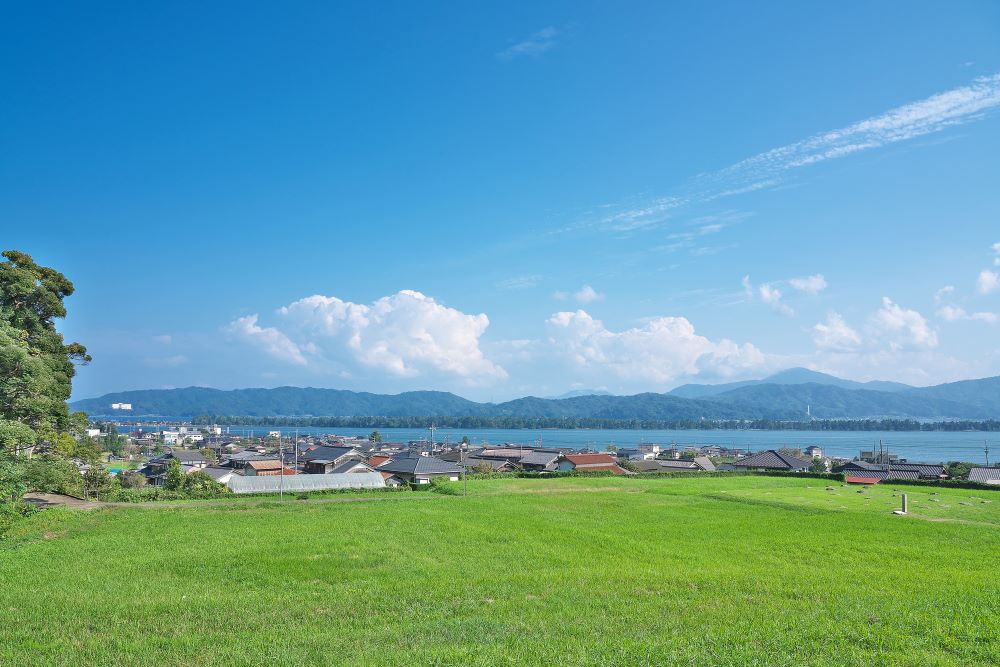
Tenpyokan was added as a new viewpoint in 2020.
From the Tango Kokubunji Temple Ruins, a designated national historic site, you can see Amanohashidate from end to end.
It sits right in front of the Kyoto Prefectural Tango Local History Museum, so you can take in the view while learning about the history of the Tango region.
| Tango Kokubunji Temple Ruins Address: 59 Kokubu, Miyazu, Kyoto Prefecture Phone: 0772-27-0351 Hours: 9:00 a.m.–5:00 p.m. Official website: https://www.city.miyazu.kyoto.jp/site/citypro/8744.html |
Ichijikan at Ouchi Pass Ichijikan Park: Barbecue and Camping with a View
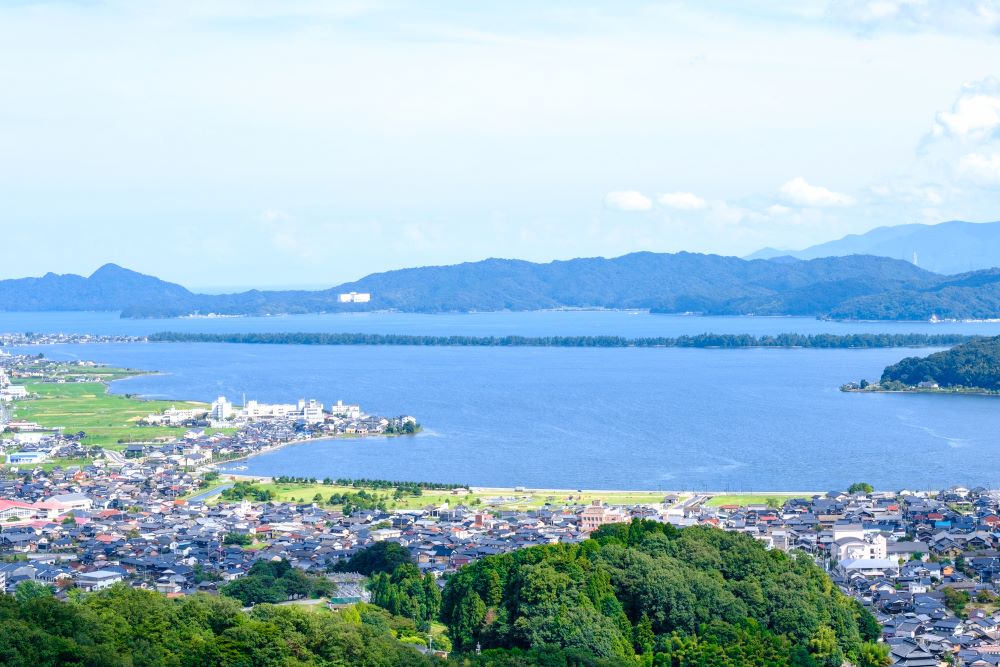
Ouchi Pass Ichijikan Park is a campground on the Yosano side of the bay.
From here, the sandbar stretches out in a single straight line, which gives the view its name, Ichijikan, with Wakasa Bay spreading out beyond it.
With cottages, tent sites, and barbecue facilities, it is a good choice for travelers who enjoy the outdoors.
| Ouchi Pass Ichijikan Park Address: Yumiki, Yosano-cho, Yosa-gun, Kyoto Prefecture Phone: 0772-46-0052 Hours: 10:00 a.m.–5:00 p.m. Open season: April 1 to November 30 Official website: https://ichijikan-kouen.net/ |
Sesshukan Observation Point: Mitsuba Azaleas in Full Bloom
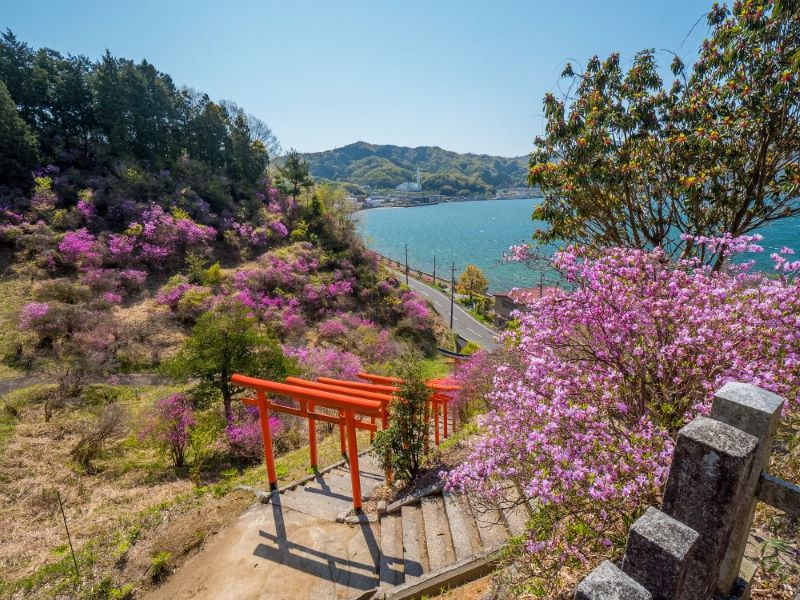
The Sesshukan Observation Point takes its name from Ama-no-Hashidate-zu, a painting by the ink painter Sesshu, whose composition the view closely resembles.
It sits above Shishizaki Inari Shrine, known for its mitsuba azaleas.
When the azaleas peak and turn the slope pink, the rows of torii gates along the steps and the straight line of Amanohashidate come together in a scene you can see only in spring.
| Sesshukan Observation Point Address: Shishizaki, Miyazu, Kyoto Prefecture Phone: 0772-22-8030 (Amanohashidate Station Tourist Information Center) Official website: https://www.pref.kyoto.jp/tango/tango-doboku/hashitate_seshu.html |
More Things to Do Around Amanohashidate
Besides the viewpoints, there are many other places to visit around Amanohashidate.
Kaisenkyo Swing Bridge: Watch the Bridge Rotate
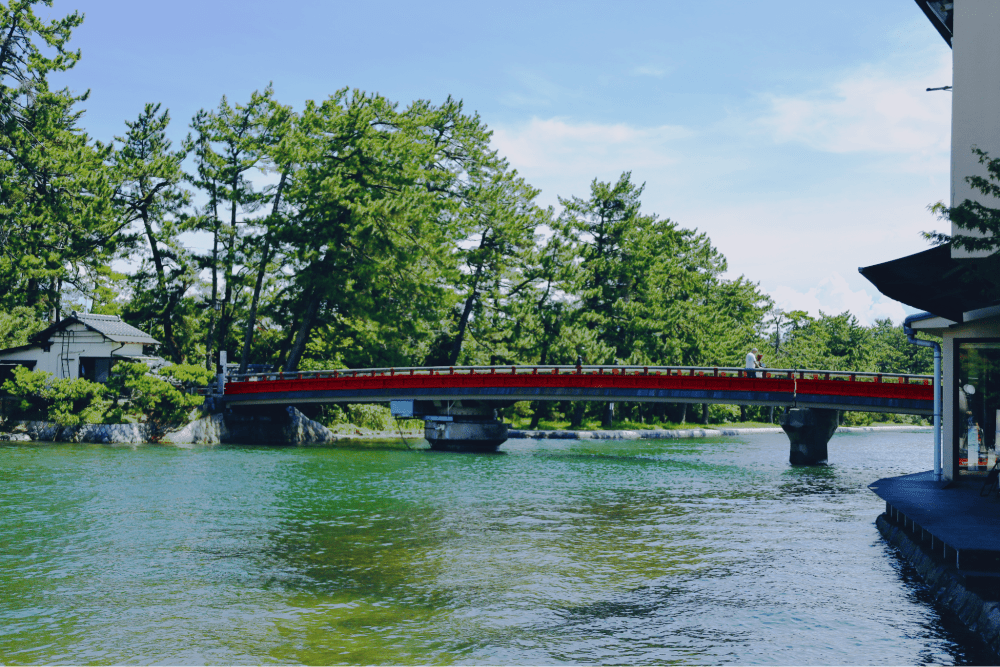
Kaisenkyo links Amanohashidate with the Monju area, where Chion-ji Temple is located.
This unusual swing bridge rotates 90 degrees to allow boats to pass. It was operated manually until 1960 and was later converted to electric operation as more large vessels began to pass beneath it.
It may rotate as many as 50 times a day at busy times. The bridge is usually scheduled to rotate when the sightseeing boat passes at around 9:55 a.m., and also whenever a large vessel passes, which happens on an irregular schedule.
Try to time your visit so you can watch the bridge swing open.
| Kaisenkyo Swing Bridge Address: 47 Monju, Miyazu, Kyoto Prefecture Phone: 0772-22-8030 (Amanohashidate Station Tourist Information Center) Hours: Open 24 hours for pedestrian access Official website: https://www.amanohashidate.jp/spot/%E5%BB%BB%E6%97%8B%E6%A9%8B/ |
Chion-ji Temple and the Chie-no-Wa Lantern: A Temple Associated with Wisdom
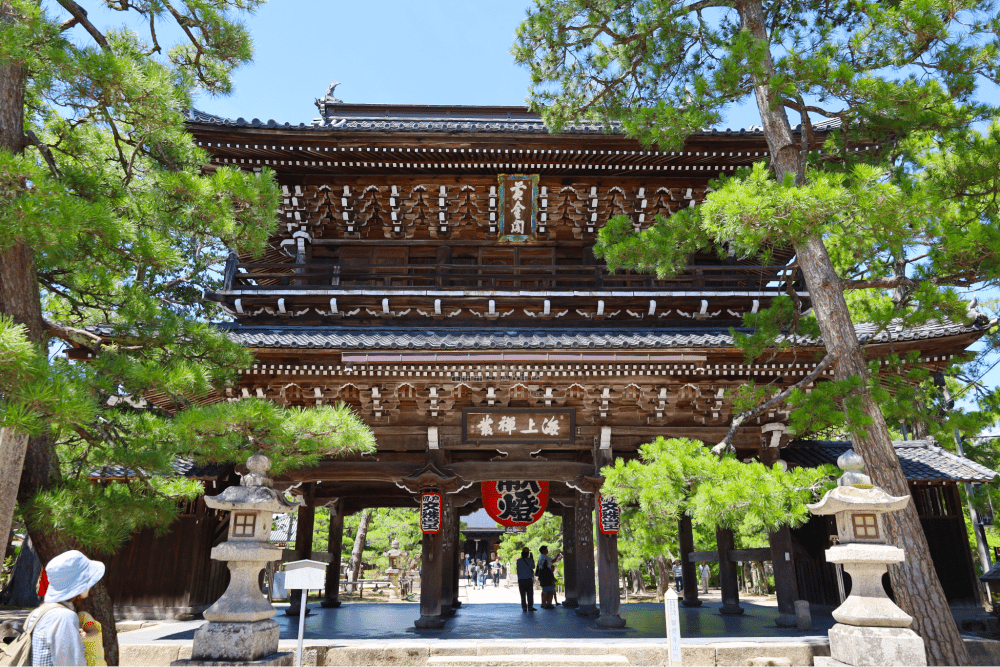
Chion-ji Temple is a popular stop for anyone hoping for success in their studies.
Its Monju-do hall is one of three famous temples dedicated to Monju, the bodhisattva of wisdom, and it draws many students preparing for entrance exams.
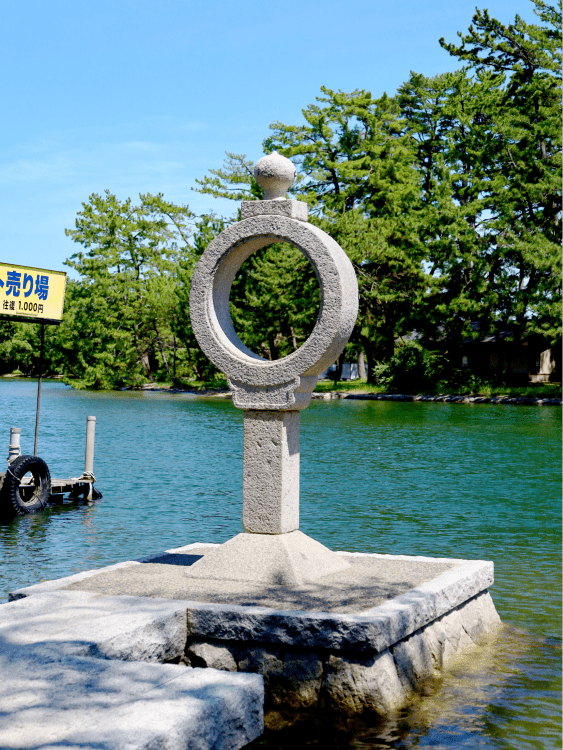
Next to Chion-ji stands the Chie-no-Wa Lantern. According to legend, it was once lit to call the dragon god.
It is also said that passing through the ring brings the wisdom of Monju, and you may see visitors walking around it three times.
| Chion-ji Temple Address: 466 Monju, Miyazu, Kyoto Prefecture Phone: 0772-22-2553 Hours: Open for worship at all times Parking: 8:00 a.m.–5:00 p.m. Official website: https://www.monjudo-chionji.jp/ |
Inside the pine grove, you will also find Isoshimizu, a freshwater spring selected as one of Japan’s 100 Best Waters even though it is surrounded by the sea, and Amanohashidate Shrine.
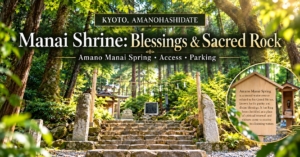
History and scenery lovers will find plenty more nearby, including Moto-Ise Kono Shrine, said to be the predecessor of Ise Jingu; Manai Shrine, where worshippers pray before sacred rocks; and Nariai-ji Temple, known for its fall colors and its view over Amanohashidate.
For more on these sites, see the article below.
Ine Funaya Boathouses: A Traditional Fishing Village by the Sea
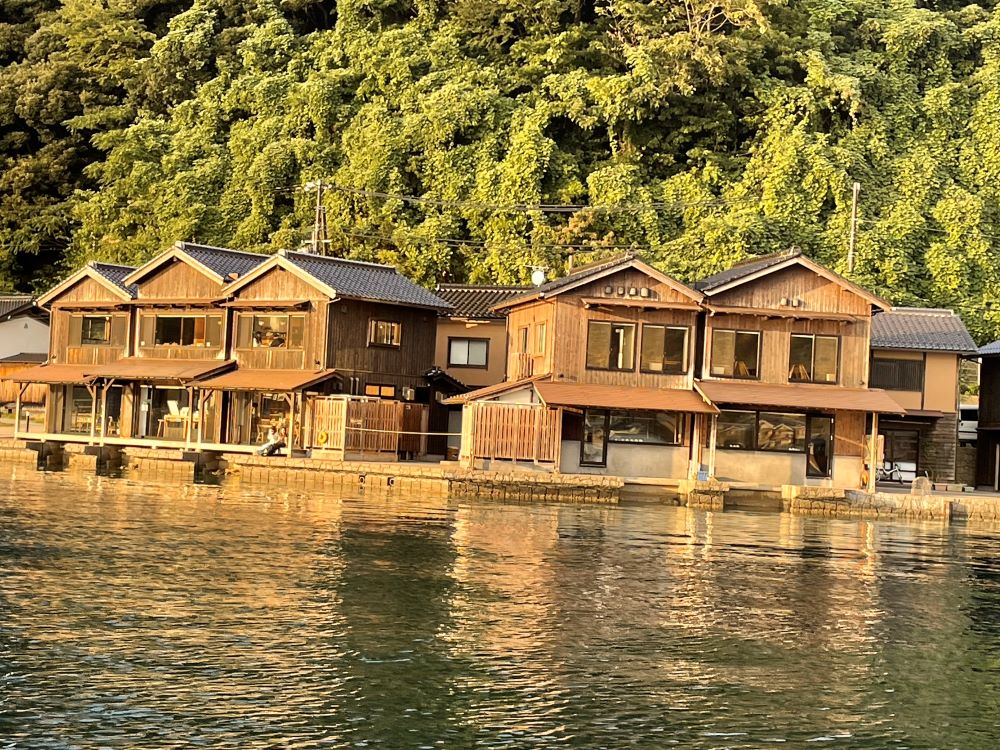
Ine Funaya is a popular place to experience the atmosphere of a traditional fishing town.
The village is designated an Important Preservation District for Groups of Traditional Buildings and has appeared in films such as Tsuribaka Nisshi and Otoko wa Tsurai yo. It is also home to Mukai Shuzo, the brewery behind Ine Mankai, a sake popular in Japan and overseas.
It is so popular that many tours pair it with Amanohashidate.
| Ine Funaya Address: 77 Hirata, Ine-cho, Yosa-gun, Kyoto Prefecture Phone: 0772-32-0277 (Ine Tourism Association) Hours: 8:00 a.m.–5:00 p.m. (parking) Official website: https://www.ine-kankou.jp/en/ |
Local Food to Try in Amanohashidate
Amanohashidate is known for a variety of local specialties, from fresh seafood caught off northern Kyoto to Tango beef and pork and locally brewed sake.
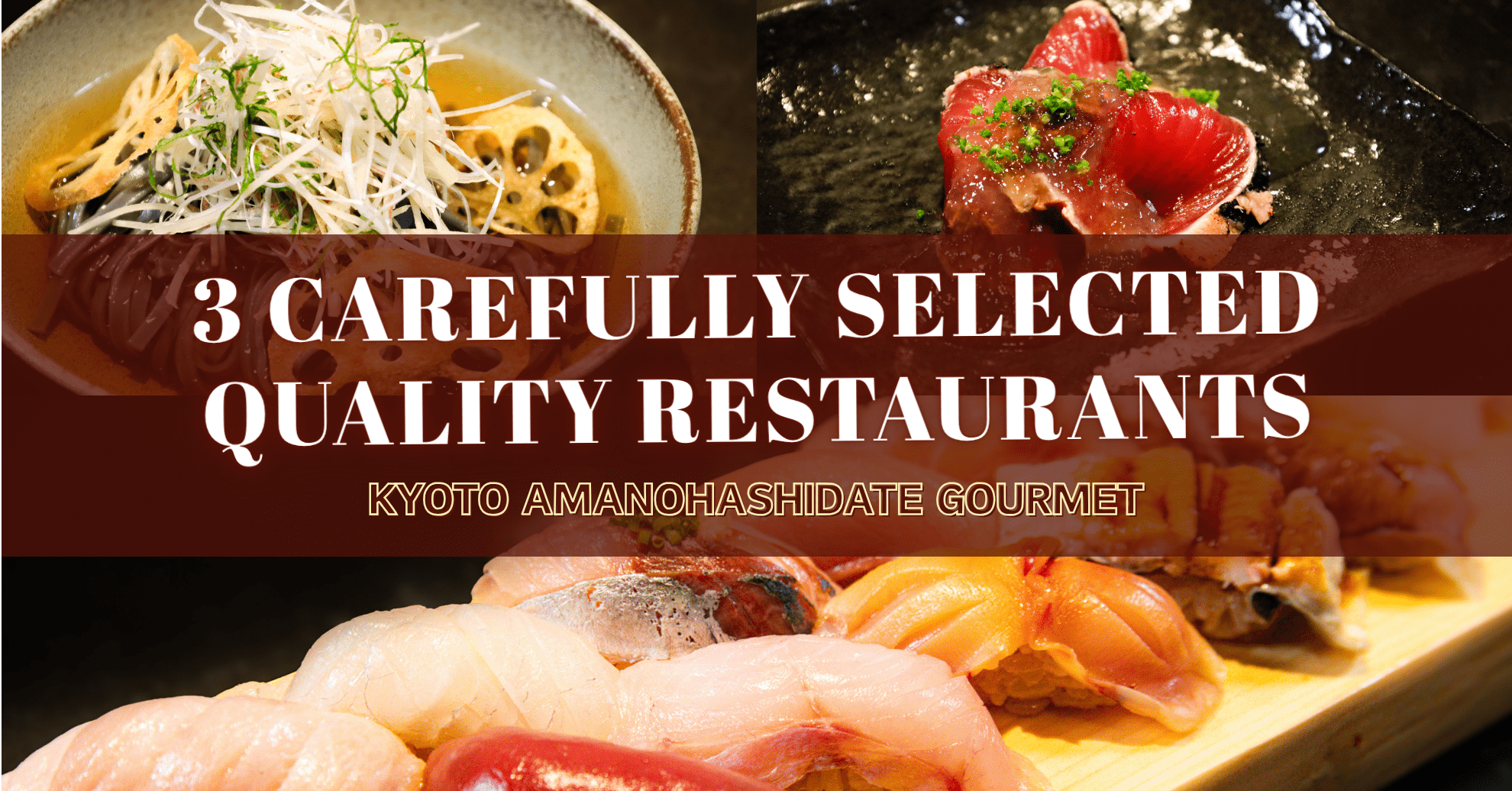
Seafood: Taiza Crab, Yellowtail, and Bigfin Reef Squid Through the Seasons
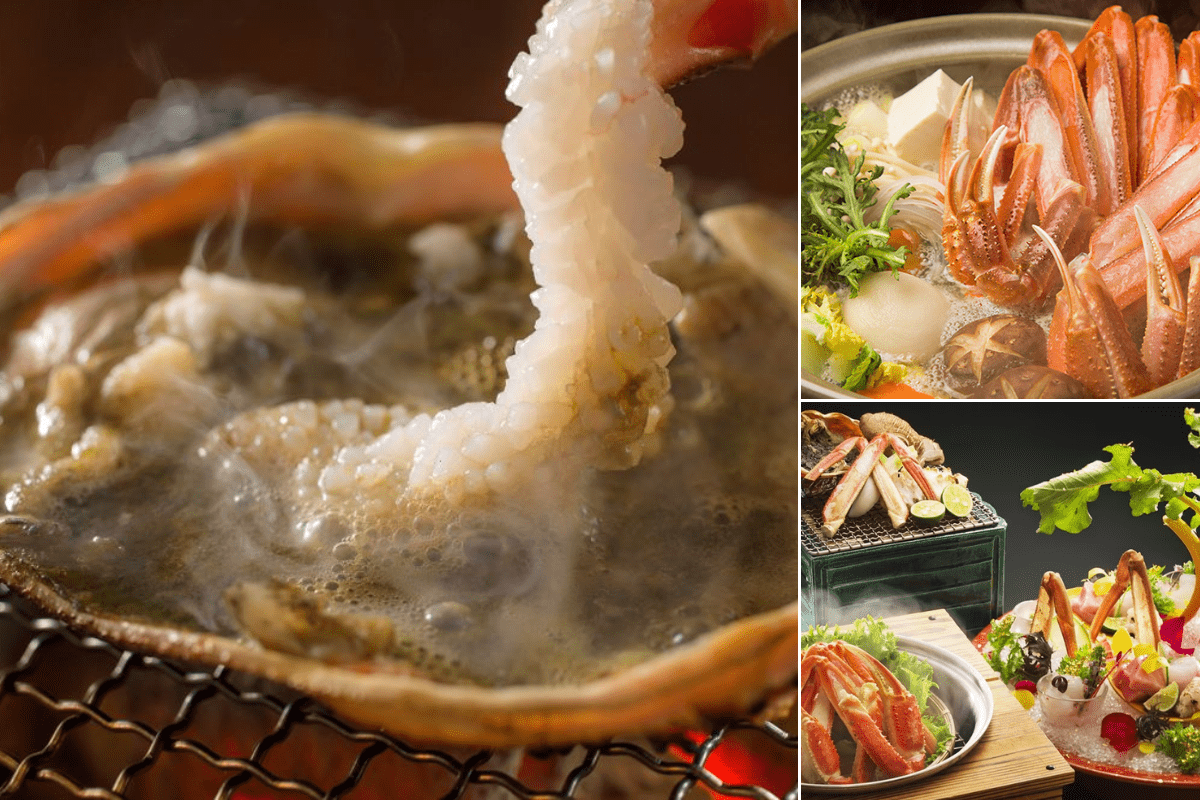
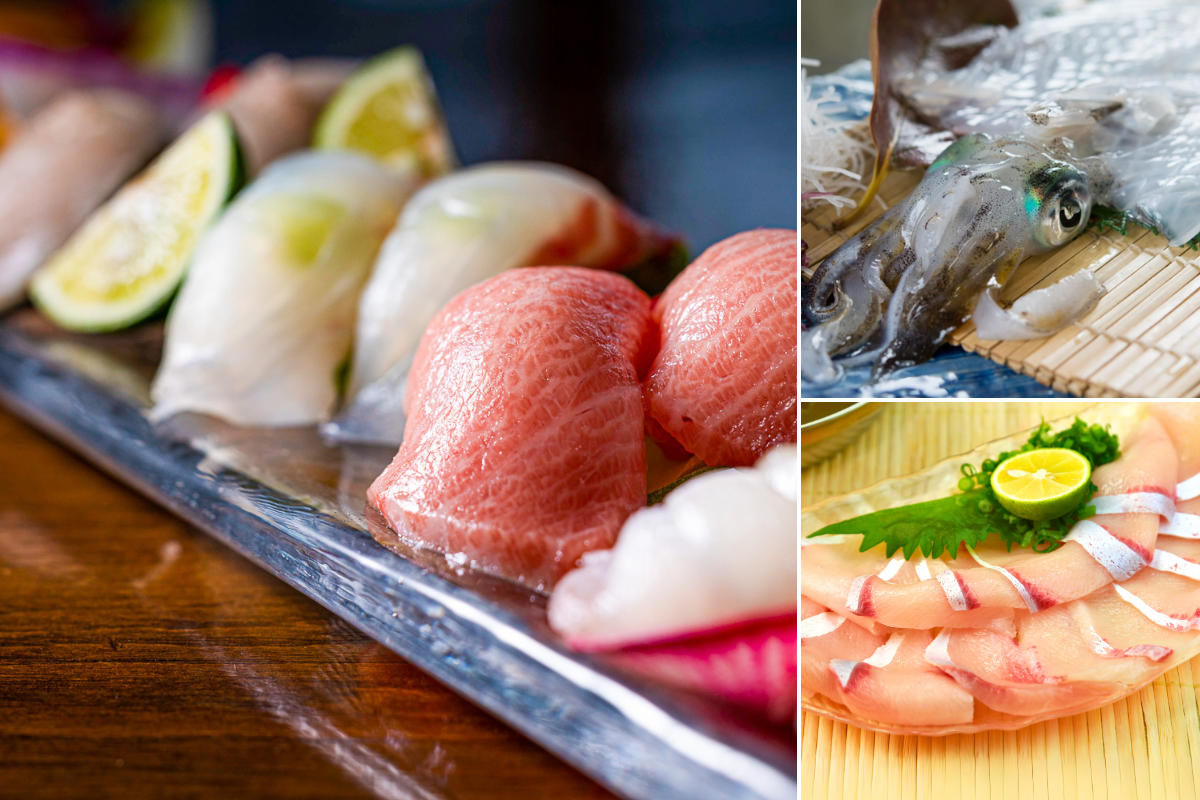
The Tango region, where Amanohashidate is located, has a deeply indented ria coastline where the warm Tsushima Current meets the cold deep water of the Sea of Japan. The waters are rich in plankton, which has earned them the nickname “sea of miracles,” and a wide variety of fish is landed throughout the year.
Spring: red sea bream, halfbeak, rockfish, ice goby
Summer: clams, egg cockles, swordtip squid, cutlassfish, flying fish, turban shells, rock oysters
Fall: bigfin reef squid, red tilefish (guji), sandfish, flounder, sillago
Winter: snow crab (matsuba-gani), yellowtail, wild oysters
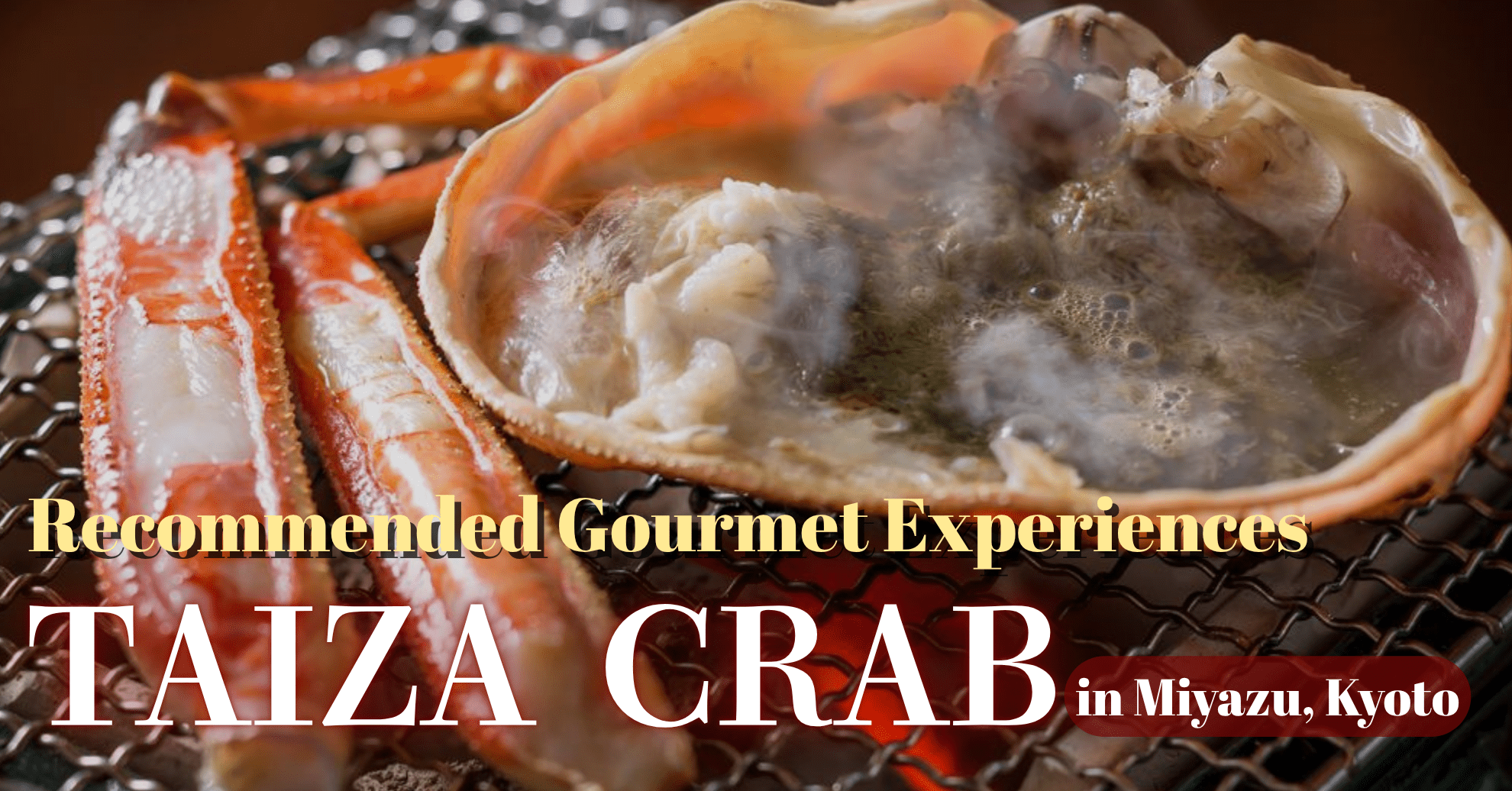
Winter is especially known for rare Taiza crab and Ine yellowtail, both highly prized for their flavor. Hyogo, where large catches of snow crab are landed, is also nearby, so crab is best enjoyed as a full course of sashimi, shabu-shabu, hot pot, and grilled crab.
Yellowtail served as shabu-shabu is also popular, with a rich flavor and just the right amount of fat.
Some visitors return every year for the crab and yellowtail.
Read More: Recommended Features
Meat: Kyo-Tankuro Wagyu, Kyo-Tamba Kogen Pork, and Sausages
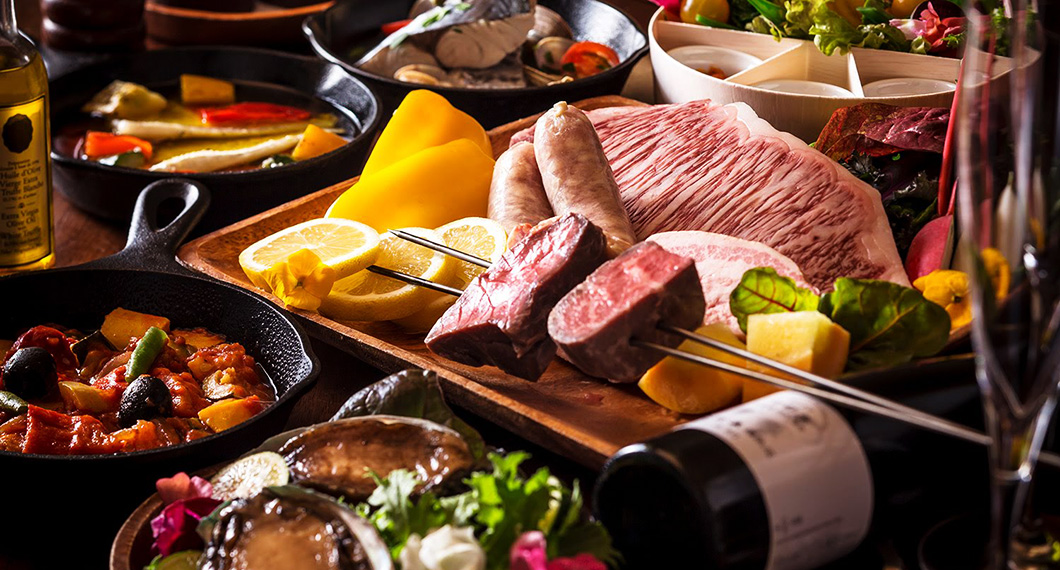
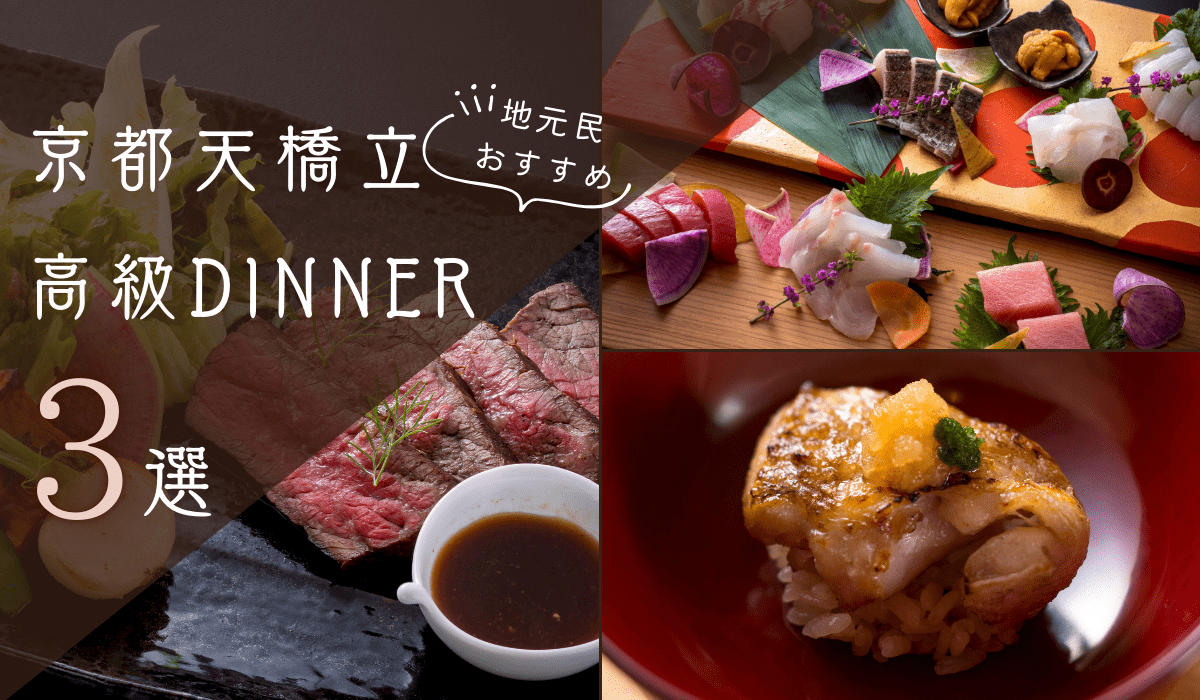
The Tango area is also known for meat, including Kyo-Tankuro Wagyu and Kyo-Tamba Kogen Pork.
Kyo-Tankuro Wagyu is a cross between Japanese Shorthorn and Japanese Black cattle, known for the deep flavor of its lean meat and delicate fat that melts in the mouth. Beyond steak and shabu-shabu, it also works well in barbecue and creative dishes.
Sake and Vinegar: Ine Mankai, Hakurei, Fuji Su, and Amanohashidate Wine
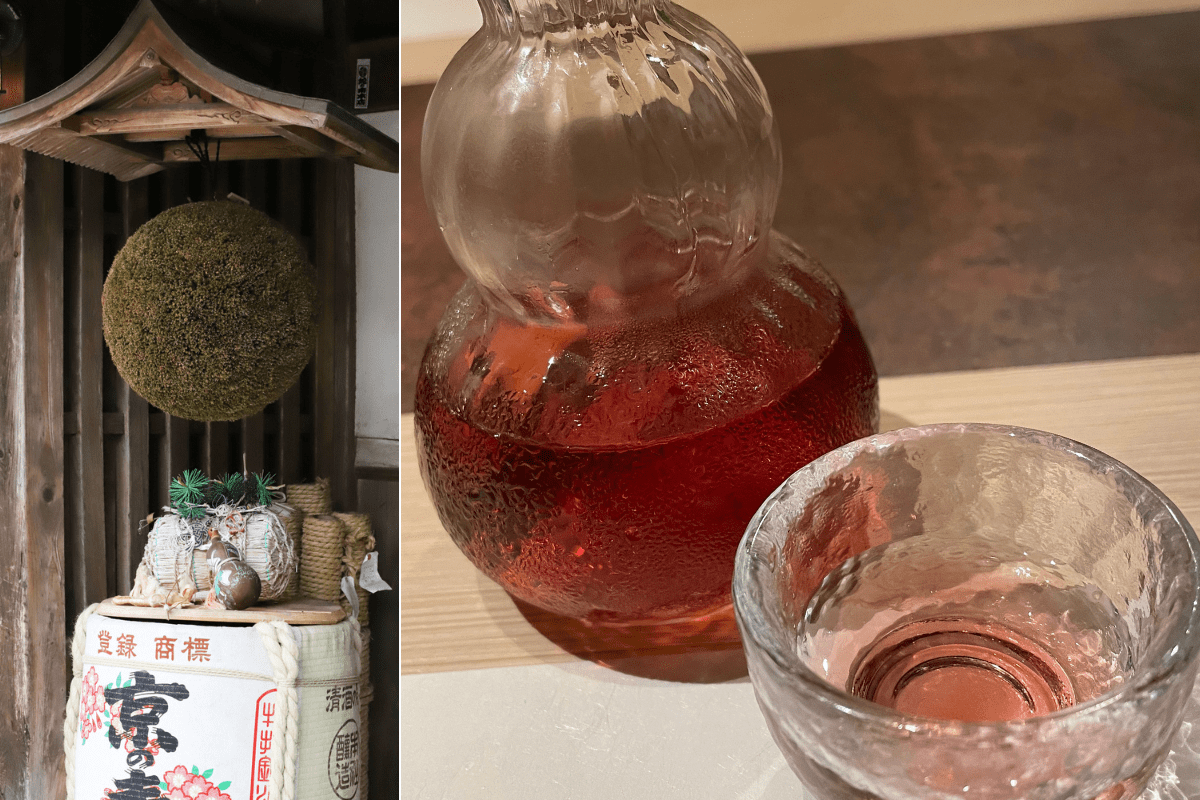
The Tango area has terraced rice fields fed by clear water from Mt. Yura, and it is known for its many sake breweries and vinegar makers.
In particular, Mukai Shuzo, located among the Ine Funaya boathouses, is known in Japan and overseas for Ine Mankai, a sake brewed with red rice. Kuniko Mukai, Kyoto’s first female toji (master brewer), is part of the reason the brewery has long been a local favorite.
Other well-known producers include Hakurei Shuzo, maker of the junmai sake Hakurei and of Shuten Doji, named after the ogre legend of Mt. Oe, and Iio Jozo, whose Fuji Su vinegar is made with a generous amount of rice.
There is also Amanohashidate Winery, which combines grapes grown in the area with winemaking techniques learned in Germany. Consider pairing its wine with creative cuisine at a local auberge or restaurant.
Each of these pairs well with local ingredients, so try one during your visit.
Amanohashidate Through the Seasons: Highlights and Events
Amanohashidate looks different in every season.
Spring in Amanohashidate
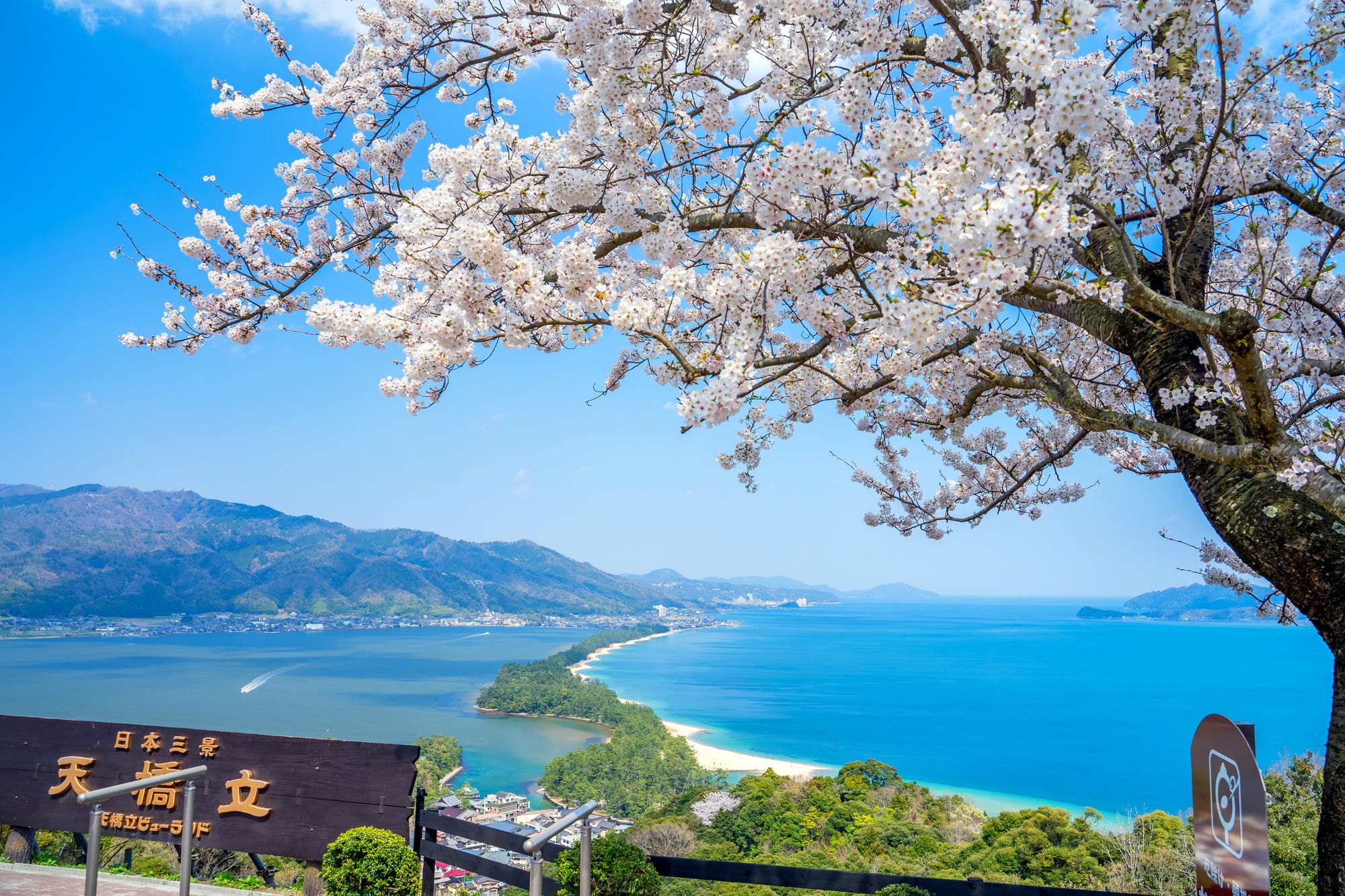
In spring, cherry blossoms bloom at Amanohashidate View Land, home of the Hiryukan view, and mitsuba azaleas cover the slope below Sesshukan Observation Point. The contrast between the sandbar and the blue sea is a highlight of the season.
Moto-Ise Kono Shrine holds the Aoi Festival, a tradition said to date back 2,500 years, usually on April 24. Participants wear wisteria flowers associated with the shrine for the Miare Shinji ritual, which prays for the renewal of the gods. During the procession, a portable shrine is carried around the neighborhood, accompanied by tachifuri sword dances performed to drums and by kagura.
Summer in Amanohashidate
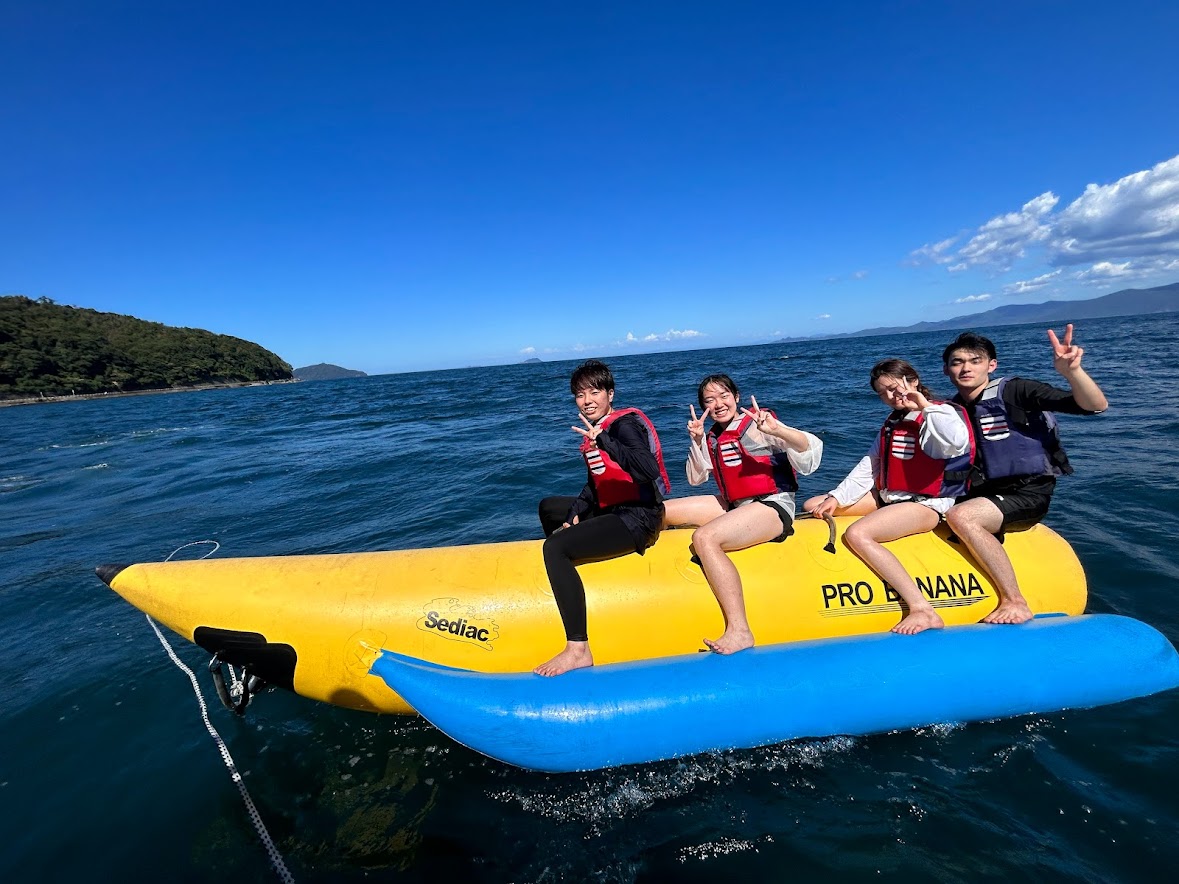
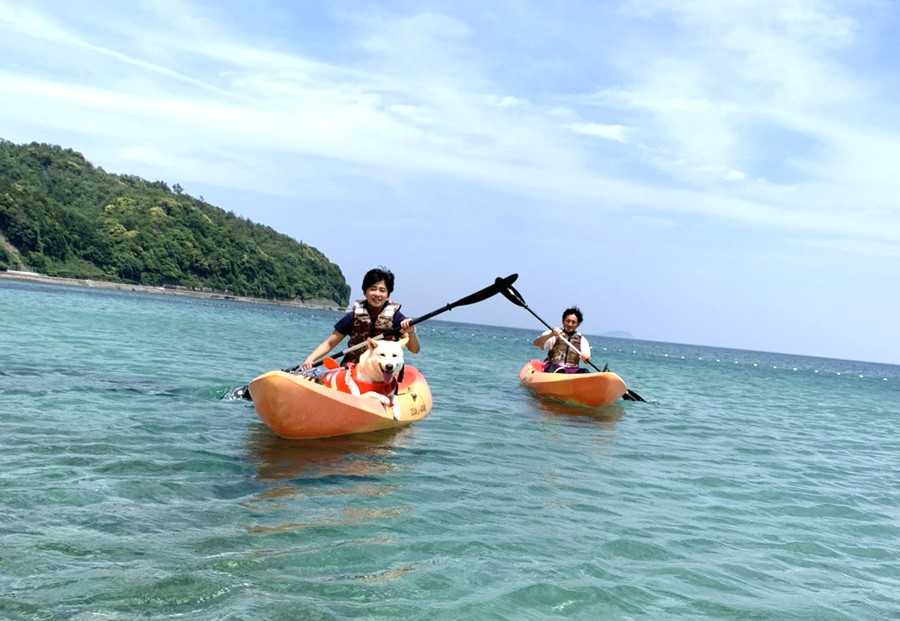
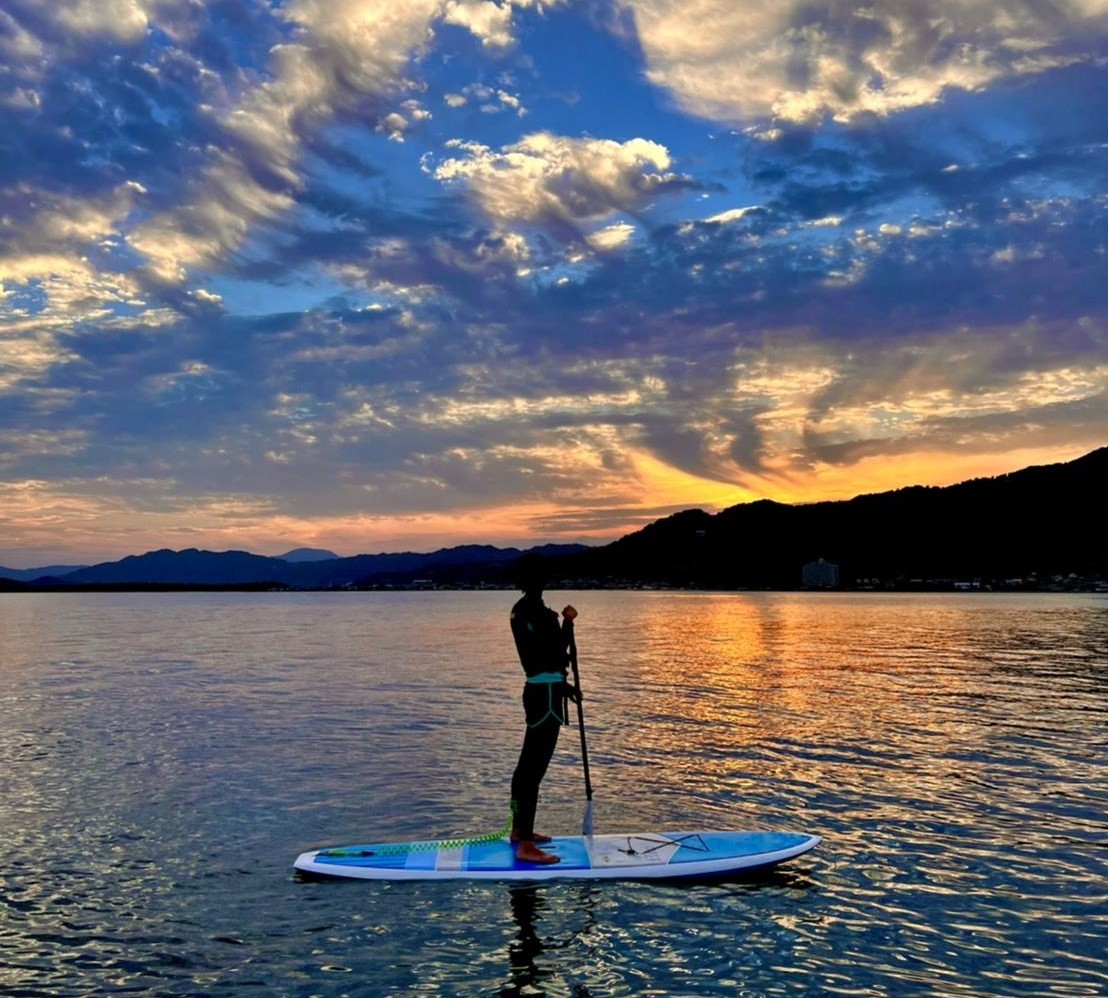
Amanohashidate has swimming beaches at both its north and south ends, and they are busy in summer. Besides SUP, kayaking, and boat cruises, you can try marine activities such as wakeboarding, and some places offer craft workshops using sea glass collected on the beach.
If you would rather avoid the heat, Kanabiki Falls, a short trip from Amanohashidate, is a popular place to cool off. The basin is shallow, so you can get close to the falls.
Summer festivals include the Monju-do Defune Festival, usually held on July 24 to coincide with Monju-e, a rare day when the principal image of Chion-ji Temple is shown, and Sennichi Mairi, usually held on August 9 at Nariai-ji Temple, where a single visit is said to bring a thousand days of blessings.
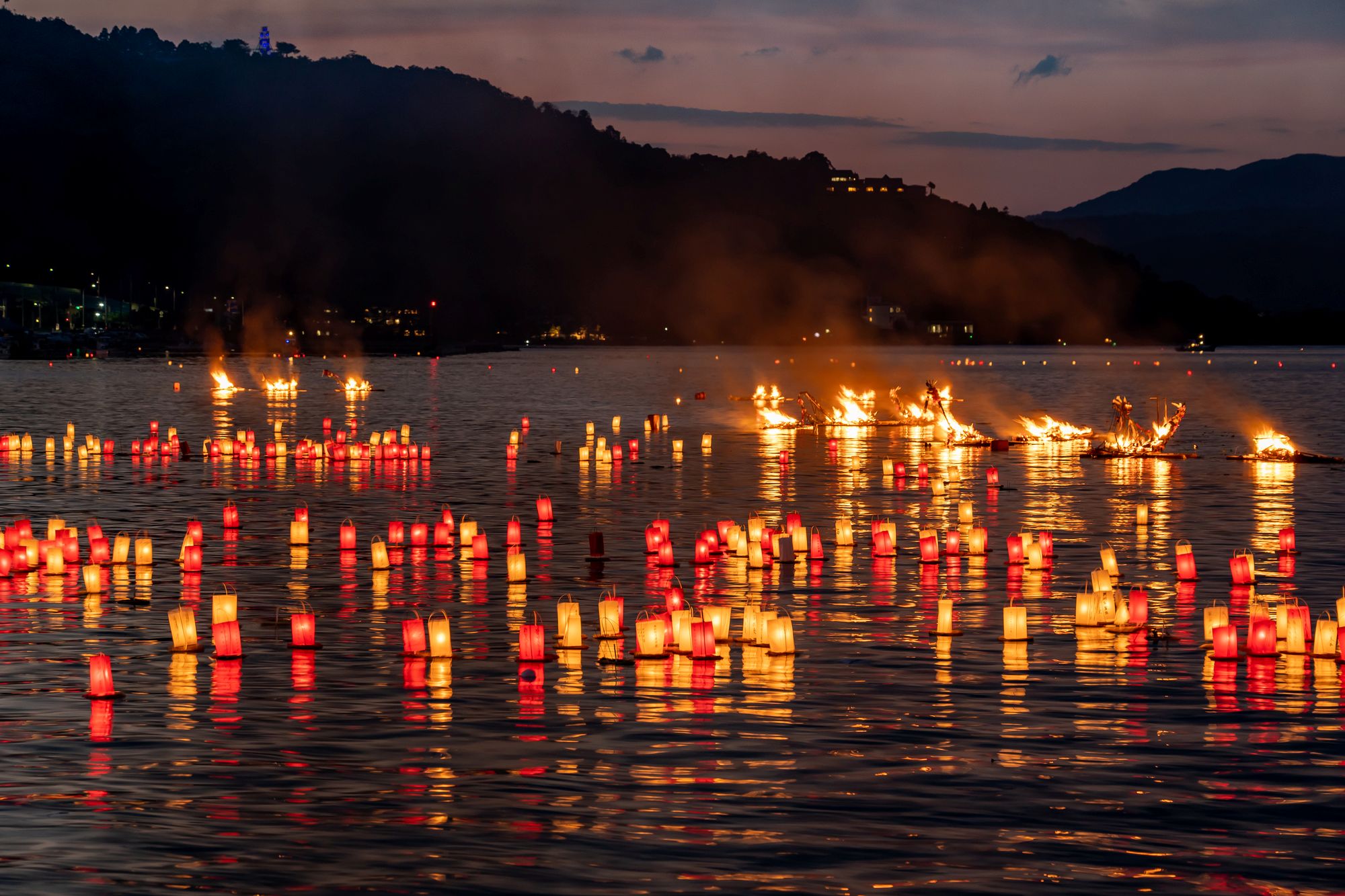
The biggest summer event is the Miyazu Toro Nagashi Fireworks Festival, usually held on August 16. About 10,000 lanterns are floated on Miyazu Bay, followed by around 3,000 fireworks, and the evening continues with a Bon dance featuring Miyazu Odori.
Fall in Amanohashidate
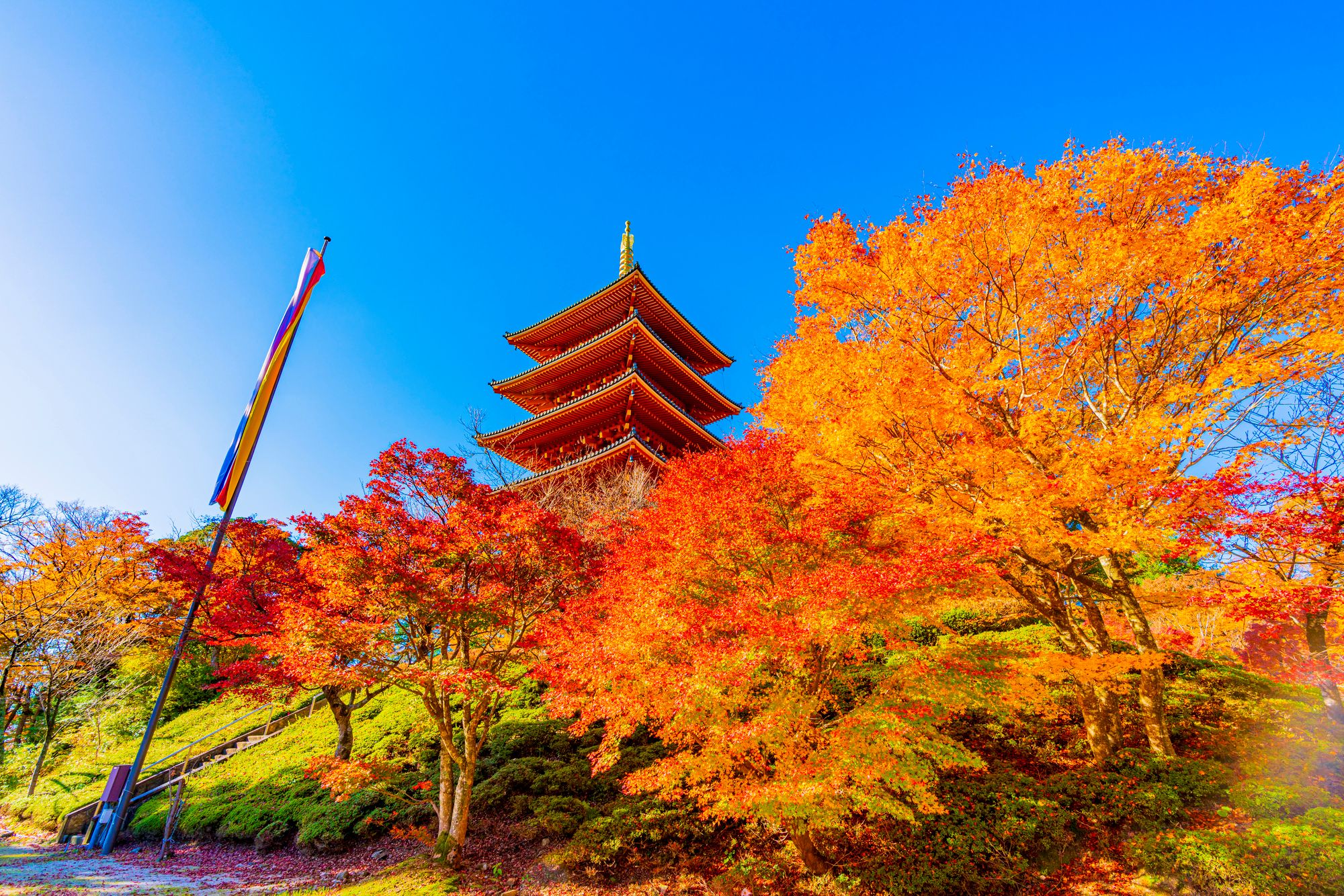
In fall, Kasamatsu Park, where you can see Shoryukan, and Nariai-ji Temple are both good places for autumn leaves. At Nariai-ji, the distant mountains turning red and yellow, Amanohashidate, the foliage on Mt. Nariai, and the temple’s five-story pagoda all come into view together.
In late November, there is an evening autumn leaves illumination, which makes it worth staying overnight in the Amanohashidate area.
A little earlier, in late October, Amanohashidate Winter Fireworks sends about 2,000 fireworks over the Aso Sea. Held before the crab season opens in early November, it marks the arrival of winter and draws visitors from the Kyoto, Osaka, and Kobe area. The fireworks are especially impressive from Kasamatsu Park.
Winter in Amanohashidate
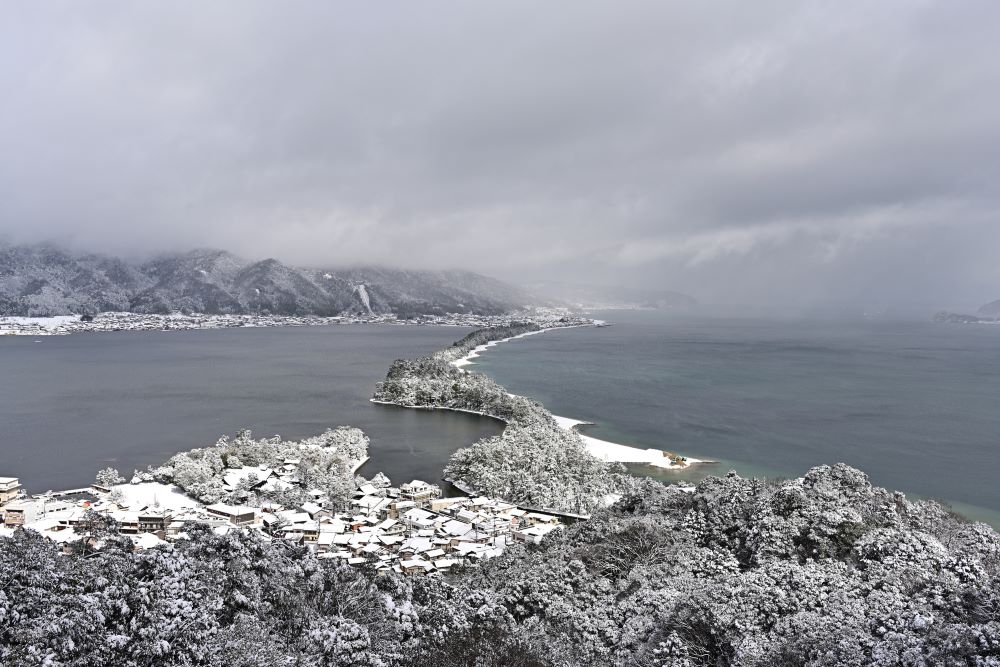
Snowfall in northern Kyoto has decreased in recent years, but in midwinter you may still see Amanohashidate covered in white snow. Snow on the pines melts quickly once the sun rises, so this white-dragon view is a rare sight. Seen from Amanohashidate View Land, it is also known as Genyuki no Hiryukan.
Visiting a viewpoint early in the morning gives you the best chance of seeing it.
A well-known winter event is the Winter Miyazu Manpuku Festival, usually held in late February. You can sample and buy Miyazu oysters and tuna, local vegetables, and Miyazu-grown olives, and it is a popular way to learn about local food while meeting the people who produce it.
Where to Stay Near Amanohashidate
Here are recommended places to stay for sightseeing in Amanohashidate.
Hoshino-Oto: Recommended for Couples
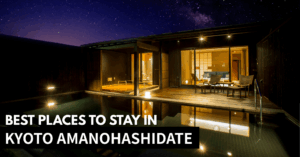
For sightseeing in the Amanohashidate area, the properties of Marinetopia Resort combine fresh seafood from northern Kyoto with hot spring baths in a private setting.
Hoshino-Oto welcomes only seven groups a day, giving each stay a special feel.
Every room has a private pool and a natural hot spring bath, so you can relax without worrying about other guests.
Meals feature Japanese wagyu, local chicken, Japanese pork, and plenty of seasonal seafood.
The winter-only crab course is especially popular.
At Crab Marché, the group’s own crab facility, freshly caught local crab is prepared for guests, including branded crab such as Taiza crab, a rare and highly prized variety.
Fresh crab that has never been frozen is well worth trying.
If you let the property know when you book, ingredients can be adjusted for guests with allergies or vegetarian guests. It is a good way to enjoy Miyazu cuisine that is hard to find elsewhere.
If you contact the property at least three days before your stay, free transfers are available from Amanohashidate Station.
It is a good choice for celebrating an anniversary or birthday with someone special.
| Hoshino-Oto Address: 2686 Hioki, Miyazu, Kyoto Prefecture Phone: 0772-27-1101 (9:00 a.m.–6:00 p.m.) Email: yoyaku@hoshino-oto.jp Official website: https://en.hoshino-oto.com/ |
MEZZO ALL SUITE VILLAS: Easy Access and Great for Families
An all-suite villa property that takes only four groups a day.
From the private pool, which children and adults can both enjoy, and from the guest rooms with hot spring baths, you can take in views of Miyazu Bay.
The private garden also has an open-air bath with a jacuzzi and a fire pit, where you can spend a relaxing evening by the flames.
Meal options include a Glamping BBQ Plan with Japanese Black wagyu and a winter-only Crab Marché Plan served in your room. Kids’ plates are also available, so the whole family can enjoy Miyazu and Amanohashidate cuisine.
MEZZO ALL SUITE VILLAS is a 10-minute walk from Amanohashidate Station, making it a good choice for travelers who value easy access.
If you have a lot of luggage and would rather not walk, you can take a taxi, and the fare from Amanohashidate Station to the property will be refunded.
| MEZZO ALL SUITE VILLAS Address: 1058-13 Mannen, Miyazu, Kyoto Prefecture Phone: 050-3161-4573 (9:00 a.m.–6:00 p.m.) Official website: https://en.mezzo-allsuite.com/ |
Marinetopia The Suite: Family Meals Around the Irori Hearth
Marinetopia The Suite sits on high ground overlooking the natural scenery of Amanohashidate.
Each villa is rented as a whole, and there are 13 villas in total.
Every villa also has a private pool and a natural hot spring bath, so you can unwind after your travels in a spacious setting.
Meal options include a Glamping BBQ Plan with Japanese Black wagyu and a winter-only Crab Marché Plan, where the family can eat together around a traditional irori hearth.
Kids’ plates are also available, so the whole family can enjoy Miyazu and Amanohashidate cuisine.
If you contact the property at least three days before your stay, free transfers are available from Amanohashidate Station.
It is a good option for trips with family or close friends.
| Marinetopia The Suite Address: 4054 Hioki, Miyazu, Kyoto Prefecture Phone: 050-3161-4574 (10:00 a.m.–6:00 p.m.) Official website: https://en.marinetopia-suite.com/ |