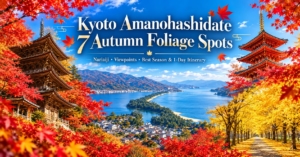
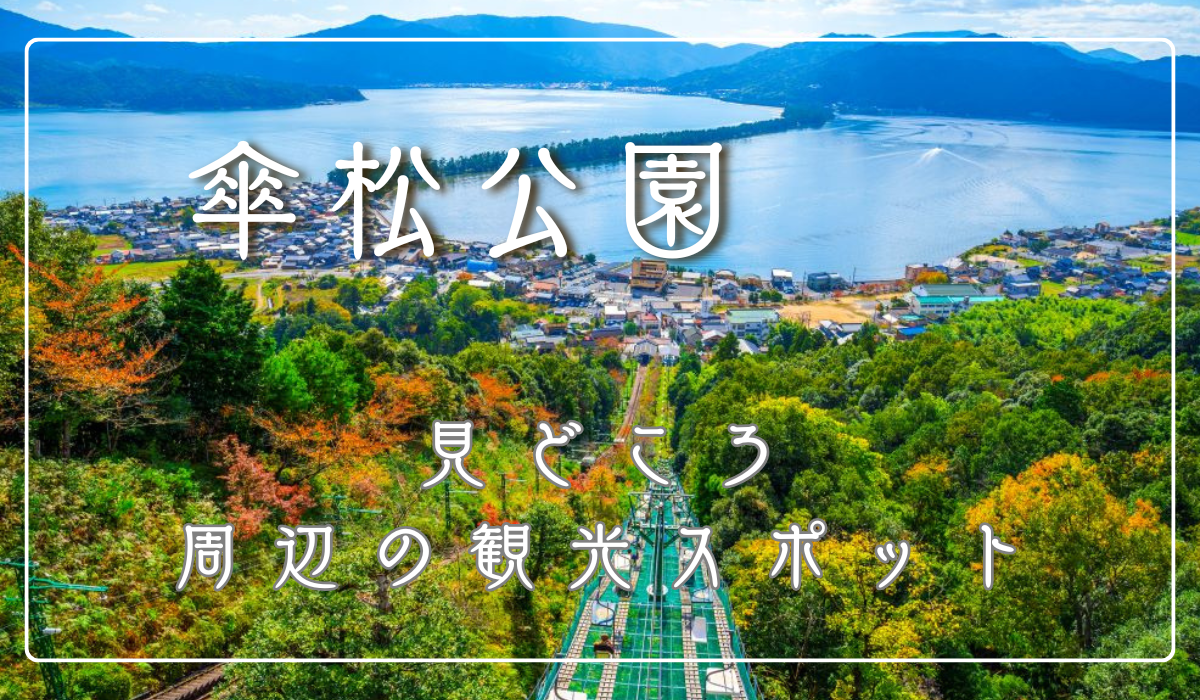
Amanohashidate is a scenic destination in the northern part of Kyoto Prefecture.
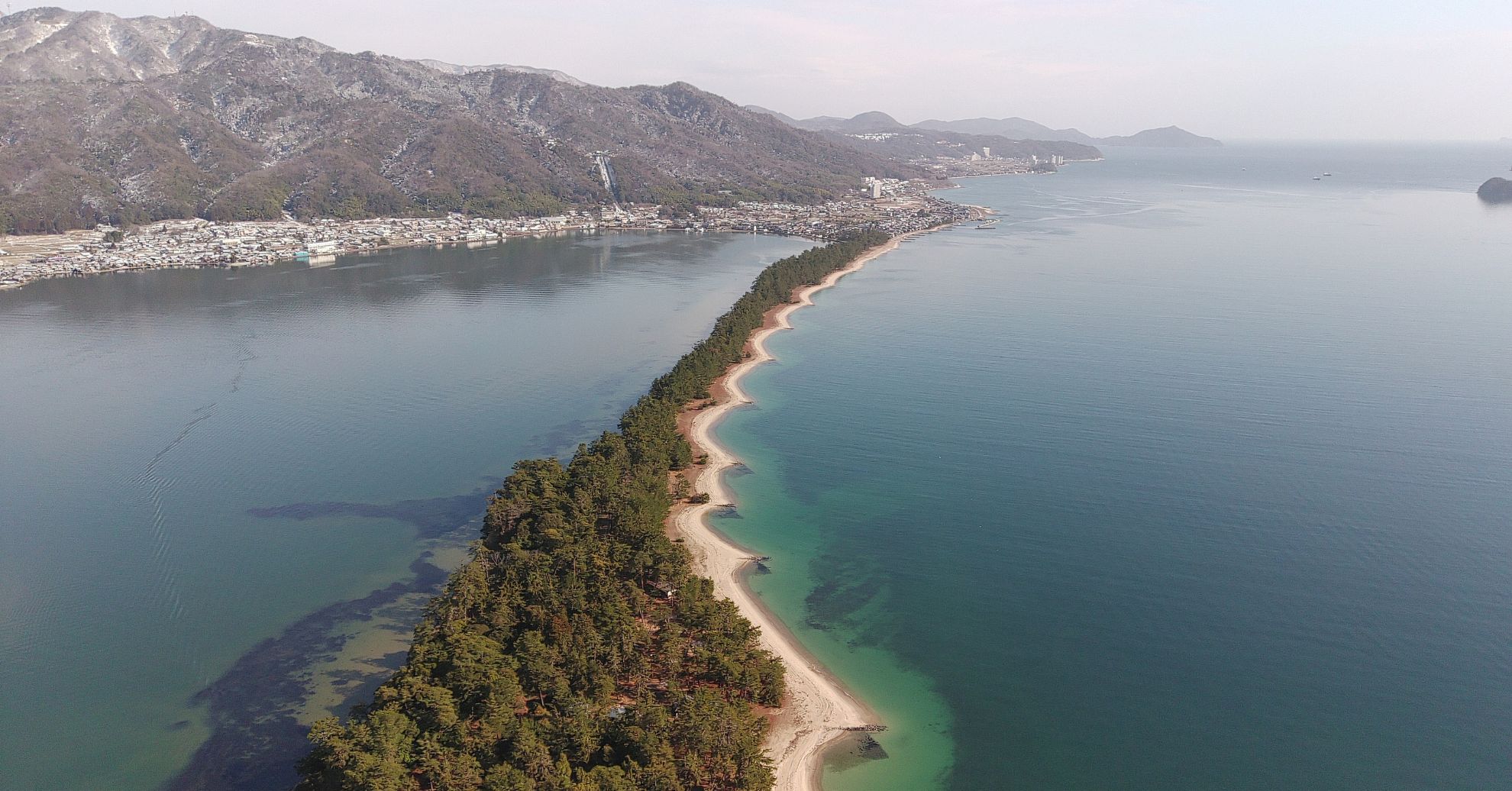
About 3.6 km long and covered with roughly 6,700 pine trees, Amanohashidate is well known as a remarkable natural landscape.
It is one of the Three Scenic Views of Japan and a designated Special Place of Scenic Beauty, and the classic way to enjoy it is matanozoki from one of the five observation points. Kasamatsu Park is one of the most popular of these, with a particularly fine view of Amanohashidate.
This article introduces the highlights of Kasamatsu Park, nearby sightseeing spots and how to get there.
What Is Matanozoki?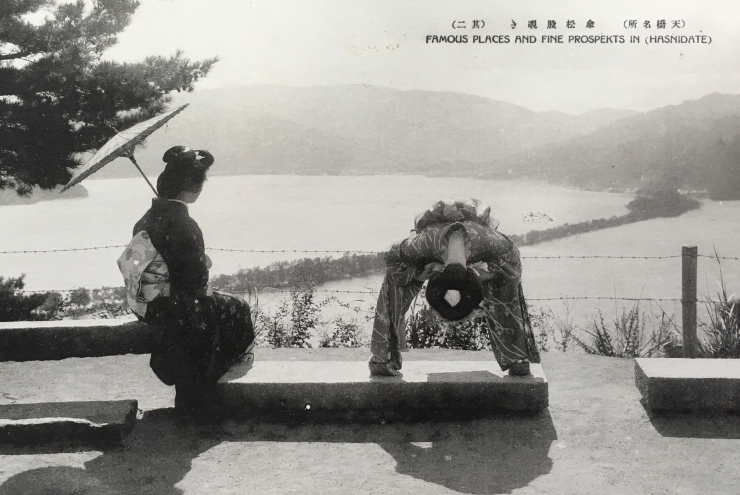
Source: https://www.city.miyazu.kyoto.jp/site/citypro/4509.html
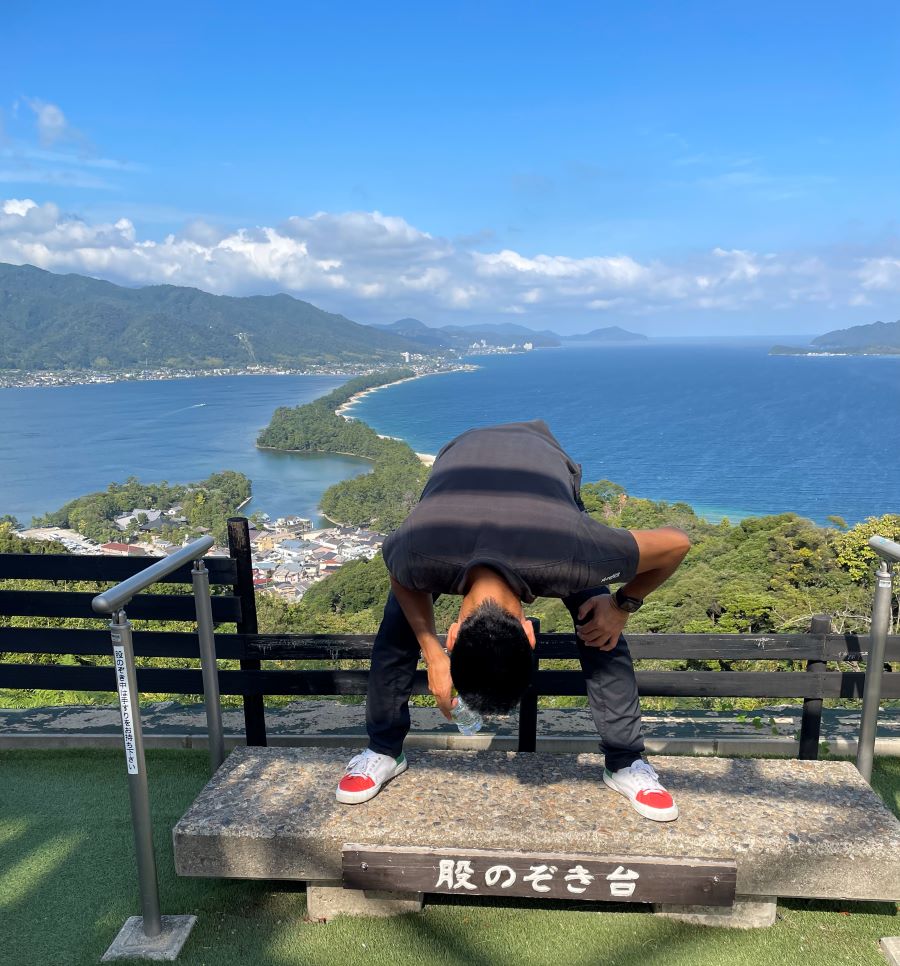
Matanozoki means standing with your back to Amanohashidate, bending forward and looking at the view from between your legs.
Viewed this way, the sky and the sea are reversed, so that Amanohashidate looks like a bridge hanging in the sky. This is said to be how the practice took hold.
Kasamatsu Park is said to be the birthplace of matanozoki, and old photographs show maiko and geiko trying it.Matanozoki has been enjoyed for a long time.

What Is Kasamatsu Park?
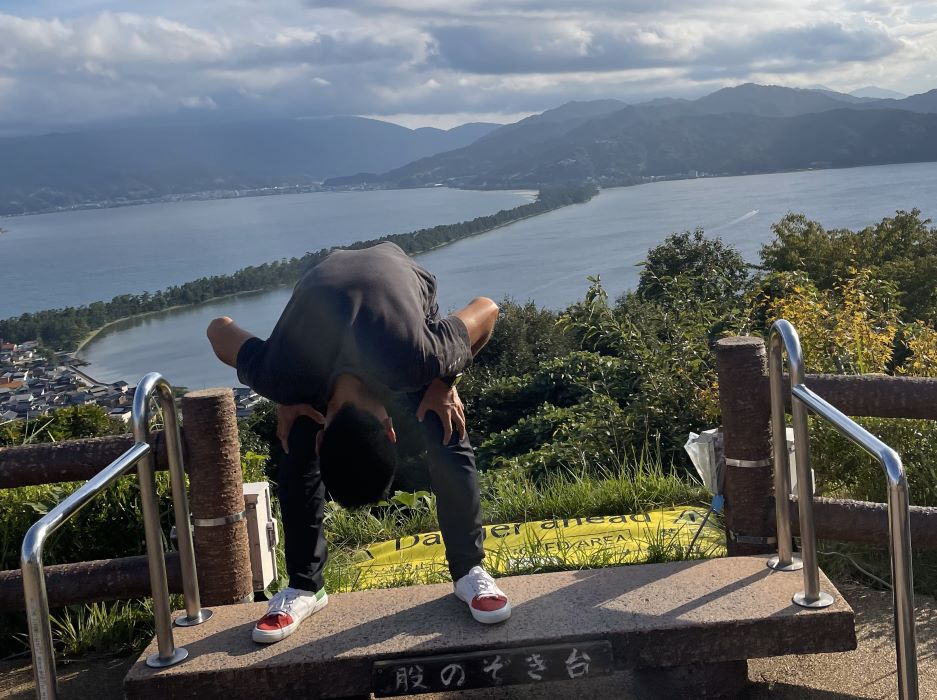
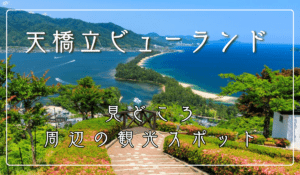
Of the five observation points in the Amanohashidate area, Amanohashidate View Land and Kasamatsu Park are the two best known for matanozoki, and both are worth visiting.
Kasamatsu Park is in the Fuchu area, on the opposite shore from Amanohashidate Station and Amanohashidate View Land. The view from here is called Shoryukan (“Ascending Dragon View”) because Amanohashidate appears to rise into the sky like a dragon.
Besides the observation deck, Kasamatsu Park has other viewpoints, rides and a restaurant, and features that couples can enjoy.
Highlights of Kasamatsu Park
Plenty of Places to Enjoy the View
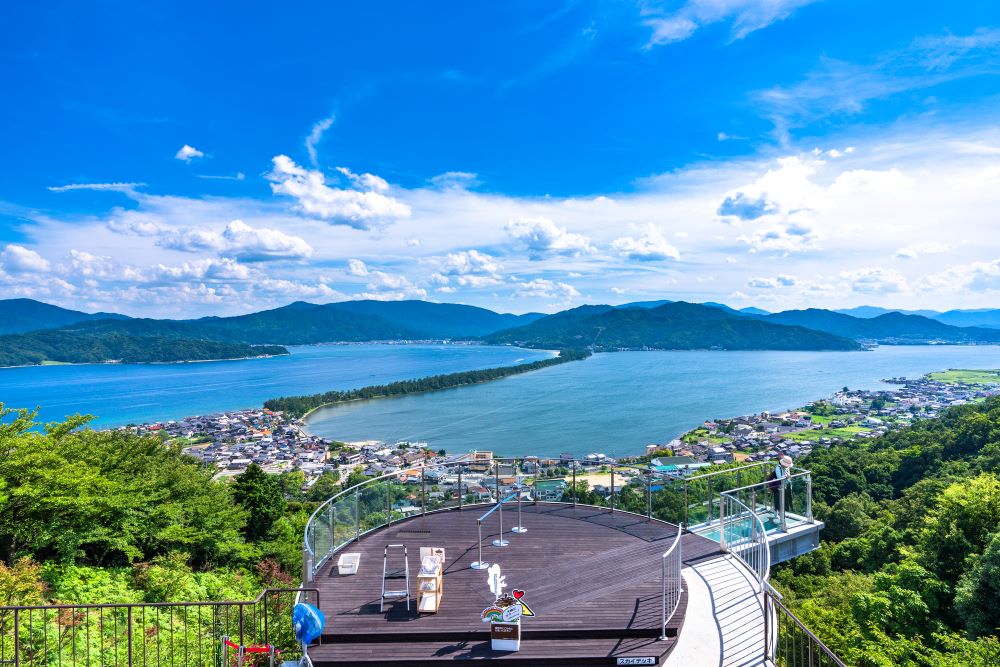
There are many spots within Kasamatsu Park where you can take in the view.
The matanozoki platform, the Sky Deck and the Colosseo are especially open and spacious.
The Sky Deck has glass flooring by the railing and on the projecting section, giving a view straight down about 40 m below.
There is also a place nearby where you can try kawarake-nage and see whether your wish will come true.
What Is Kawarake-nage?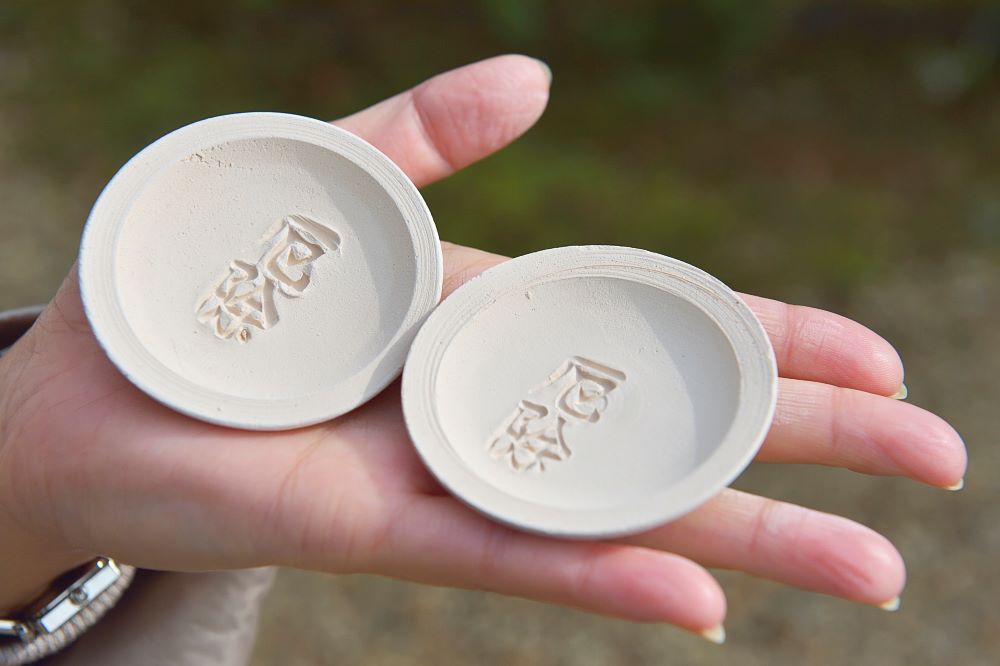
Kawarake is a small, disc-shaped piece of unglazed pottery.
In this custom, you make a wish, often to ward off bad luck, and throw the disc. It is said to have originated in the Sengoku period, when military commanders would pray for victory and throw their sake cups to the ground before setting out for battle.
It later became a popular pastime at festivals and celebrations.Whether you have a wish to be granted or want to shake off bad luck, it is worth trying.
Recommended for Couples: Wish for Lasting Love
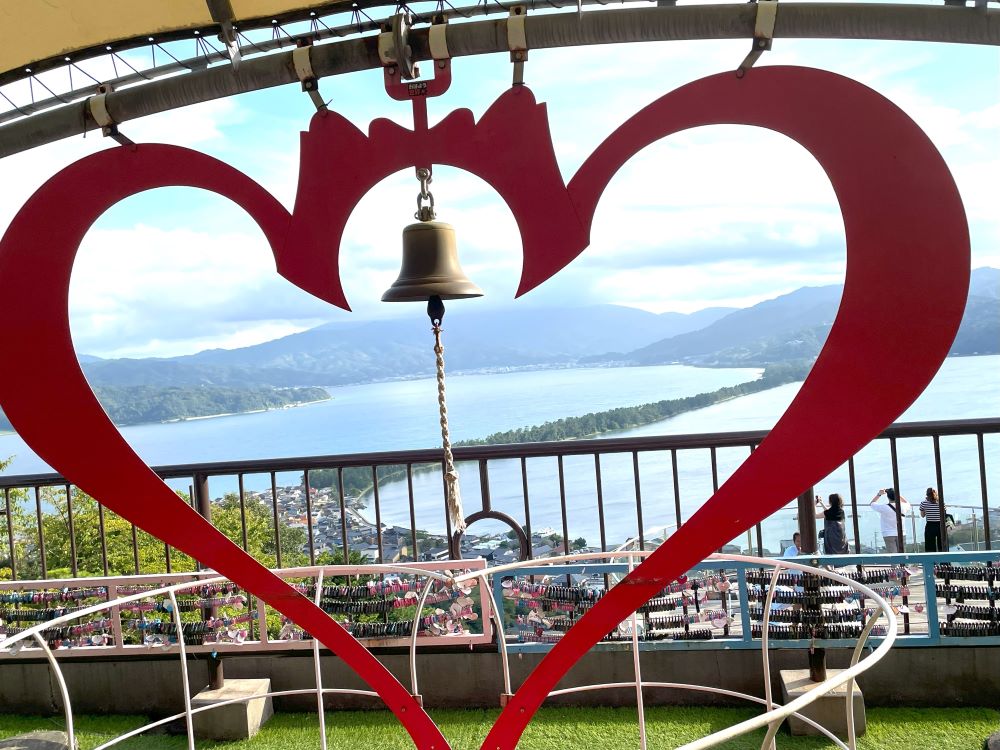
Kasamatsu Park has two features popular with couples: the Bell of Wishes and the Key of Wishes.
The Bell of Wishes is easy to spot thanks to the large heart-shaped frame on the observation deck.
Couples can ring the bell together and make a wish. Amanohashidate appears inside the heart, so it also makes a good spot for a photo.
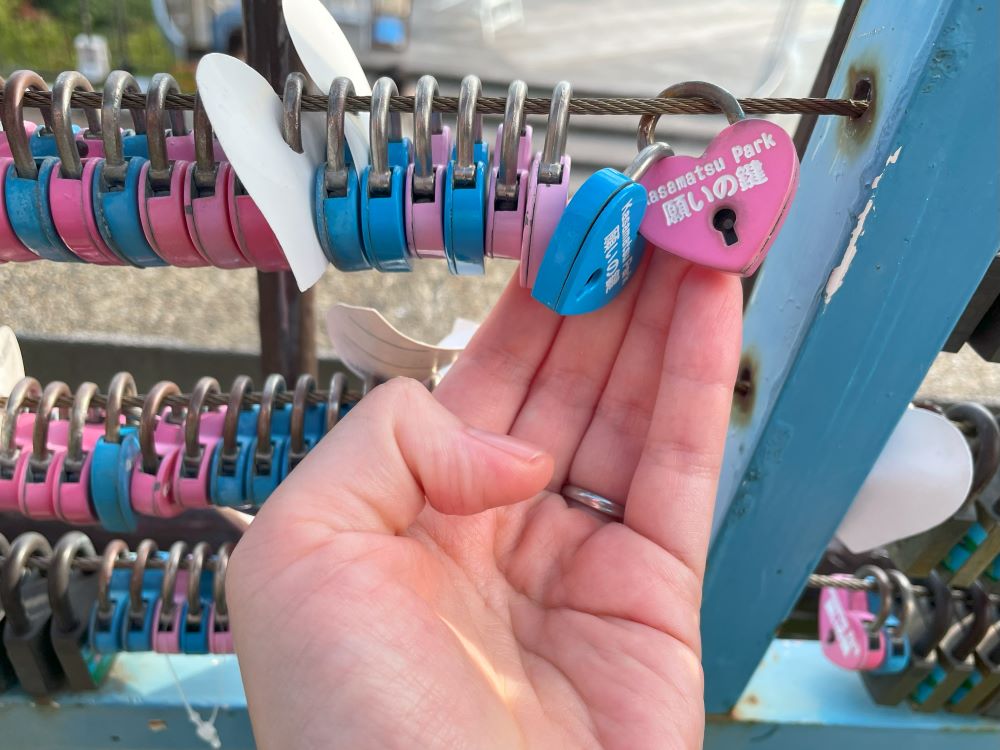
You can then attach a Key of Wishes so that your wish reaches the heavens. Pink and blue keys are sold here, and attaching a matching pair makes a nice memento.
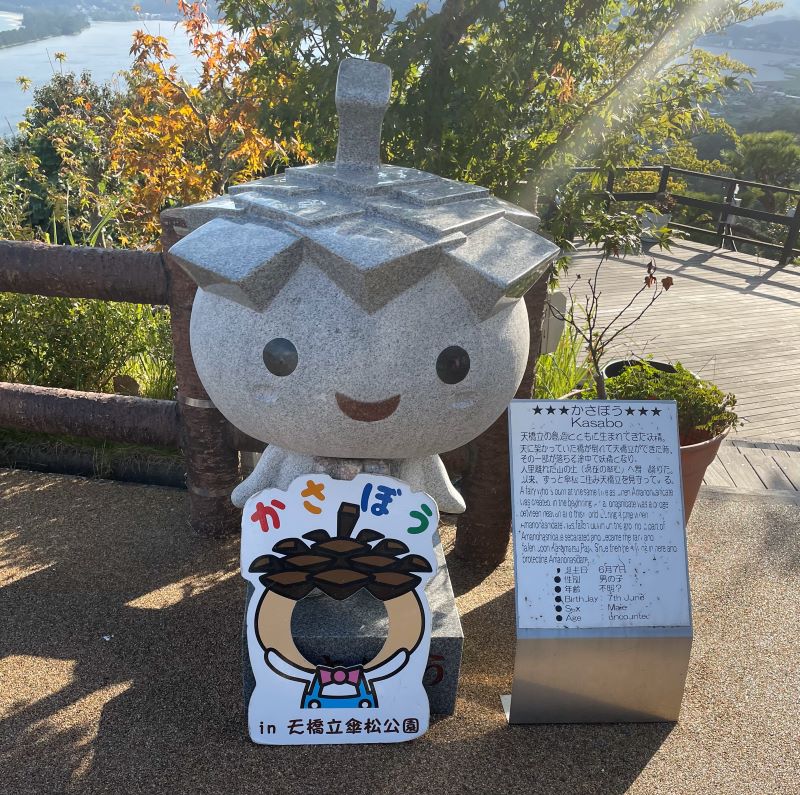
You can also have your photo taken with Kasabo, the official mascot of Kasamatsu Park.
| Kasamatsu Park Address: 75 Ogaki, Miyazu, Kyoto Prefecture Tel: 0772-27-0032 (Tango Kairiku Kotsu, Nariai Office) Hours: Between 9:00 and 18:00, varying by season Closed: No regular closing days Official website: https://www.tankai.jp/trip/kasamatsu/ |
How to Get to Kasamatsu Park
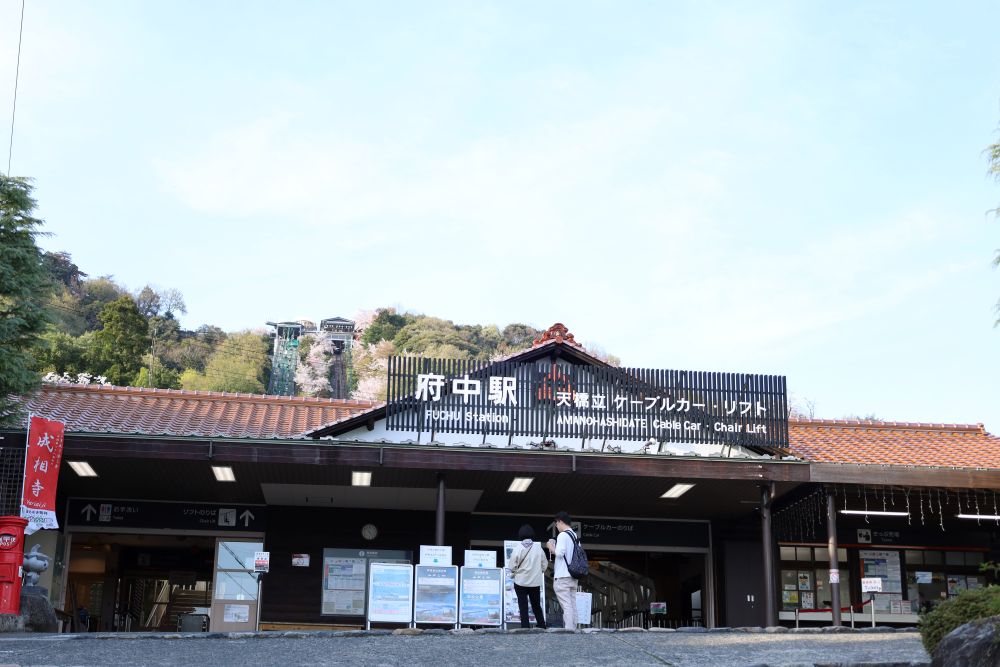
Kasamatsu Park is about 20 to 25 minutes from Amanohashidate Station by local bus or sightseeing boat.
By local bus, get off at the Amanohashidate Cable Shita stop, walk to nearby Fuchu Station and take the Amanohashidate cable car, which takes just under 5 minutes.
By sightseeing boat, travel from Amanohashidate Pier to Ichinomiya Pier, walk to Fuchu Station and take the Amanohashidate cable car for just under 5 minutes.
A chairlift is available as well as the cable car.
The cable car takes 4 minutes and runs every 15 minutes; the chairlift takes 6 to 7 minutes 30 seconds and runs continuously.
The chairlift is single-seat, so families and couples may prefer the cable car in order to enjoy the view together. Note that the chairlift runs only on weekends and public holidays in winter.
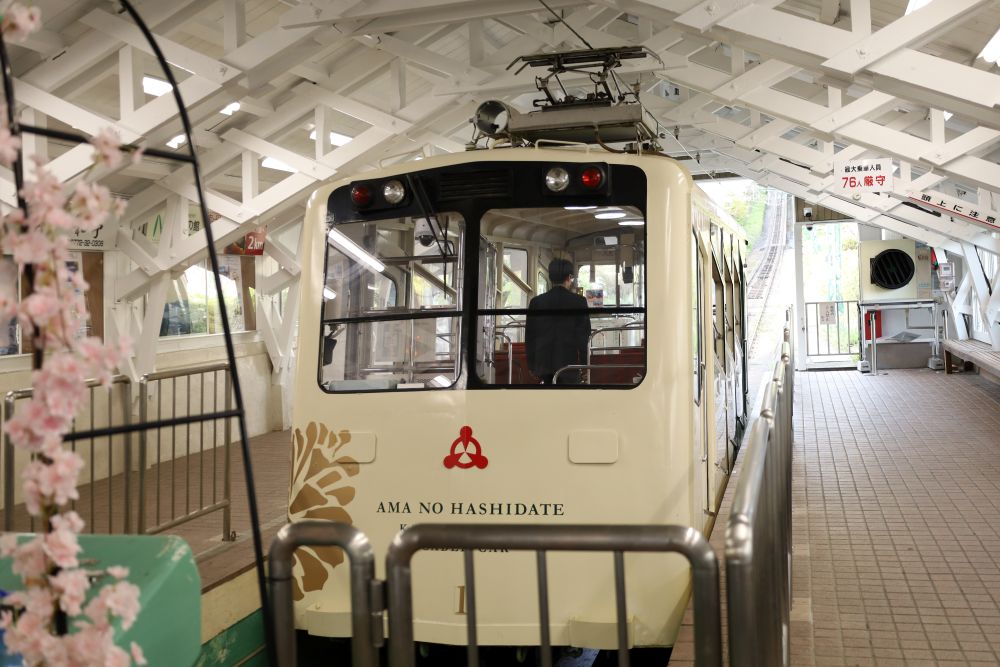
Cable Car and Chairlift Operating Hours
| Cable car | Chairlift | |
| Journey time | About 4 minutes | About 6 minutes |
| Operating period | Year-round | • Around March to early January: daily • Around early January to the end of February: weekends and public holidays only *Service may also be suspended due to bad weather or maintenance, so check the operator’s website for current information. |
| Operating hours | From 9:00; last service between 17:00 and 18:00 depending on the season | From 9:00 in the main season and from 10:00 in winter; last service around 16:00 |
| Frequency | On the hour and at 15, 30 and 45 minutes past (extra services at busy times) | Continuous |
Approximate travel times to Amanohashidate from Kyoto, Osaka and Tokyo are shown below.
Travel Times to Amanohashidate Station
| Highway bus | Train (limited express) | Car | |
| From Kyoto | Approx. 2 hr 15 min | Approx. 2 hr | Approx. 1 hr 30 min |
| From Osaka | Approx. 2 hr 50 min | Approx. 2 hr 30 min | Approx. 2 hr |
| From Tokyo | Approx. 4 hr 30 min (Shinkansen + highway bus) | Approx. 4 hr 25 min (Shinkansen + limited express) | Approx. 6 hr 30 min |

Sightseeing Spots Near Kasamatsu Park