
Kyoto has more than historic temples and shrines: markets to eat your way through, and shops selling things you will not find elsewhere.
The city looks different again during the cherry blossom and autumn leaf seasons, which is why many people come back at a different time of year.
It also means crowds, and without a plan you can lose a day to travel, or miss the places you came for.
This article covers the following, for use before and during a trip.
What this article covers
· trains in Kyoto (subway, JR, private railways, sightseeing trains)
· buses in Kyoto (route buses and sightseeing buses)
· taxis
· bicycle rental
· parking
· getting around by area
· reaching Kyoto from major Japanese cities
· and discount tickets.
It is written to be useful both while planning and while you are there.
Getting Around Kyoto: Trains
Kyoto’s rail network covers the subway, private railways, JR lines and sightseeing trains. Which one to use depends on where you are going.
The Subway, Randen and Eiden Lines for Sightseeing in the City
We start with the lines most useful inside the city: the subway, the Randen and the Eizan Railway.
Karasuma and Tozai Subway Lines: North, South, East and West from Karasuma-Oike


The Kyoto subway has two lines, the Karasuma Line and the Tozai Line.
The Karasuma Line runs north to south through the center of the city, from Kitaoji Station in the north, through Karasuma Oike in the middle, and on to connect with the Kintetsu Kyoto Line toward Nara.
The Tozai Line runs east to west, as its name says, passing Nijojo-mae and Karasuma Oike, then Keage — known for the Keage Incline — and on toward Yamashina.
Around Karasuma Oike, where the two lines cross, are Nishiki Market, Nijo Castle and other sights.
The Subway and Bus One-Day Pass, or the Subway One-Day Pass, makes moving between them cheaper and simpler.


Discount tickets valid on the subway
· Subway and Bus One-Day Pass
· Subway One-Day Pass
· Subway & Eiden Kurama-Kibune Day Pass
Keifuku Railway (Randen): Best for Arashiyama and Kinukake-no-Michi


For the northwest of the city, two private railways are useful: the Randen and the Eizan Railway, known locally as the Eiden.
The Randen is the Keifuku Electric Railroad. Its Arashiyama Main Line runs from Arashiyama Station to Shijo-Omiya in the center of the city, and the Kitano Line branches off at Katabiranotsuji and runs northeast toward Kitano Hakubaicho.
Take the Arashiyama Main Line for Arashiyama, with the bamboo grove path and Togetsukyo Bridge; take the Kitano Line for the Kinukake-no-Michi and Kitano Tenmangu.
The Randen is the only streetcar line in Kyoto, and the cars themselves are worth seeing.
A new car, the KYOTRAM, has also joined the fleet. It is finished in the line’s signature Kyoto purple.
Places you can reach on the Randen
Arashiyama Main Line


Kitano Line


Discount tickets valid on the Randen
· Kyoto Subway & Randen 1-Day Ticket
· Kyoto–Arashiyama 1-Day Pass
· Randen 1-Day Free Pass
· Randen 1-Day Free Pass × Toei Kyoto Studio Park 1DAY admission set ticket
· Arashiyama–Takao Gurutto Pass
Eizan Electric Railway (Eiden): Best for Mount Hiei, Kifune Shrine and Kurama-dera


The Eizan Railway, or Eiden, has two lines: the Kurama Line, which runs to Kifune Shrine — known for the riverside dining platforms in summer — and Kurama-dera; and the Eizan Main Line, which runs toward Mount Hiei and along the Takano River.
Between Ichihara and Ninose on the Kurama Line is the Maple Tunnel, green in summer and red in autumn, when it is also lit up.
The Eizan Railway also runs a sightseeing train called Hiei, designed around the atmosphere of Mount Kurama and Mount Hiei.
Hiei requires no reservation and no extra fare, so it is easy to ride if you like sightseeing trains. It does not run on Tuesdays.
The Eizan Railway offers a wide range of discount tickets, including combinations with the Keihan Railway and the subway, and one that includes a bowl of ramen around Ichijoji, an area known for its ramen shops.
Choose whichever fits your plans.
Places you can reach on the Eizan Railway
Kurama Line


Eizan Main Line


Discount tickets valid on the Eizan Railway
· Eizan Railway & Keihan Railway 1-Day Pass
· Subway & Eiden Kurama-Kibune Day Pass
· Eizan Railway 1-Day Pass “Ee Kippu”
· Kyoto Ichijoji Ramen Ticket
· Kyoto Rakuhoku Forest and Water Ticket
· Eiden & Onsen Ticket
· Hieizan Free Pass
· Hieizan Day Ticket
JR, Hankyu, Keihan and Kintetsu: Kyoto and the Surrounding Region
If you are combining Kyoto with Osaka, Nara or Shiga, the JR, Hankyu, Keihan and Kintetsu lines come into play.
JR: Kyoto’s Front Door, with Good Access to Arashiyama, Fushimi and Uji

Kyoto Station is the gateway to the city and connects it with major cities across Japan.
Shinkansen run from here toward Nagoya and Tokyo, and toward Shin-Osaka, Hiroshima and Hakata, along with limited express services to Kansai International Airport and Amanohashidate, and lines reaching destinations inside and outside the prefecture.
The JR Hokuriku and Biwako lines and the JR Kosei Line connect Kyoto with the main cities of Shiga Prefecture, and the JR Kyoto Line runs from Yamashina in southern Kyoto to Osaka.
The JR Nara Line runs from Kyoto to Kizu in the south, and the JR Sagano Line runs past Nijo and Saga-Arashiyama to Hozukyo, Kameoka and Sonobe.
Within the city, JR serves Nijo Station for Nijo Castle, Saga-Arashiyama Station for the bamboo grove path and Togetsukyo Bridge, and the stations for Fushimi Inari Taisha and Tofuku-ji.
JR is often faster than the alternatives, so it suits anyone who wants to cover a lot without spending the day in transit.
Visitors from abroad can use the JAPAN RAIL PASS or the Kansai Area Pass, which are worth considering if you are traveling beyond Kyoto.
Places you can reach by JR


Discount tickets valid on JR
· ONE KANSAI Kyoto 3-Way Pass
Hankyu: A Smooth Ride from Kobe and Osaka to Central Kyoto and Arashiyama


The Hankyu Railway is convenient for reaching Kyoto from Kobe and Osaka.
The Hankyu Kyoto Line serves Shijo, Karasuma and Kyoto-Kawaramachi in the city center, and the Hankyu Arashiyama Line runs to Arashiyama Station.
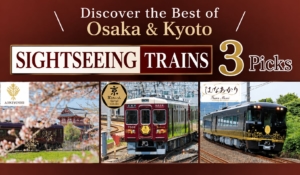
On weekends and public holidays, the Kyo-Train Garaku sightseeing train is also worth a look.
Its interiors are decorated around six seasons of Kyoto, with a garden, tatami and shoji screens. No extra fare or reservation is needed.
If you are wondering why six seasons rather than four, the article below explains it.
Places you can reach on the Hankyu Railway


Discount tickets valid on Hankyu
· Kyoto–Arashiyama 1-Day Pass
· Hankyu Hanshin 1-Day Pass
· ONE KANSAI Kyoto 3-Way Pass
Keihan: The Easiest Line for the Gion Area


Two Keihan lines reach Kyoto: the Keihan Main Line with the Oto Line, and the Keihan Uji Line.
The Main Line and Oto Line run from the Osaka direction to the Gion area in eastern Kyoto, near Kiyomizu-dera, Fushimi Inari Taisha and Yasaka Shrine; the Uji Line runs to Uji.
One thing worth trying on the Keihan is the Premium Car on the Liner services.
A Liner is an all-reserved service that runs during the busy morning and evening periods, so you are guaranteed a seat.
The Premium Car is a further step up, with better interiors and more comfortable seating.
A Liner ticket costs 300 to 380 yen on top of the ordinary fare, and the Premium Car 400 to 500 yen including the Liner ticket.
The run from Yodoyabashi to Demachiyanagi takes a little under an hour at most, so it suits anyone who wants to eat on board or simply travel in more comfort.
Members of the Premium Car Club can buy in advance; tickets are also sold at cashless machines and station windows.
Places you can reach on the Keihan Railway


Discount tickets valid on the Keihan
· Keihan Osaka–Kyoto 1-Day Pass
· Keihan Kyoto 1-Day Pass
· Eizan Railway & Keihan Railway 1-Day Pass
· Subway & Eiden Kurama-Kibune Day Pass
· ONE KANSAI Kyoto 3-Way Pass
Kintetsu: The Kyoto Line Links Nara and Kyoto for a Trip Through History


The Kintetsu Kyoto Line connects Yamato-Saidaiji in Nara Prefecture with Kyoto Station. The limited express covers Kintetsu Kyoto to Kintetsu Nara in about 35 minutes.
Kintetsu’s sightseeing trains are popular with visitors from Japan and abroad.
The Aoniyoshi limited express links Osaka, Nara and Kyoto, running daily except Thursdays. Its exterior and interior draw on the designs of the Shosoin treasures in Nara.
It has semi-private salon seats for three or four people, which work well for a group, along with sweets, goods and craft beer available only on board.
Places you can reach on the Kintetsu


Discount tickets valid on Kintetsu
· Kintetsu Weekend Digital Free Pass
· Kintetsu Rail Pass (for overseas visitors)
Sightseeing Trains in and Around Kyoto: Sagano Romantic Train, Kyoto Tango Railway and JR Hanaakari
Kyoto also has a good range of sightseeing trains.
The Sagano Romantic Train runs inside the city; outside it are the Kuromatsu, Akamatsu and Aomatsu on the Kyoto Tango Railway, and JR’s Hanaakari.
Sagano Romantic Train: Tunnels of Cherry Blossom, New Green, Autumn Leaves and Winter Lights


The Sagano Romantic Train runs from Saga-Arashiyama to Kameoka in the northwest. Combined with the Hozugawa river boat ride, it is one of the better ways to see the landscape around Kyoto.
Illuminations light the route in the autumn leaf season and in winter, so the trip looks different by day and by night.
The ride from Torokko Saga Station to Torokko Kameoka Station takes 23 minutes, with trains roughly hourly in both directions between 9 a.m. and 4 p.m. It is worth planning around the departure times.
The fare is a flat 880 yen for adults and 440 yen for children, whatever station you board at.
Tickets can be bought online in advance here.
Places you can reach on the Sagano Romantic Train


Tango Railway: The Aomatsu, the Akamatsu Cafe Train and the Kuromatsu Restaurant Train

The Kyoto Tango Railway runs to Fukuchiyama, Nishi-Maizuru, Amanohashidate, Amino and Toyooka in northern Kyoto.
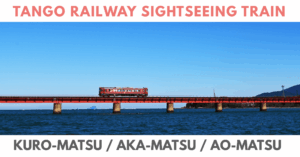
Three of its trains are popular with visitors: the Aomatsu, the Akamatsu and the Kuromatsu.
The Aomatsu runs between Nishi-Maizuru and Toyooka. No reservation is needed and the ordinary fare is all you pay. Its blue finish is drawn from the sea off Tango.
The Akamatsu runs between Nishi-Maizuru and Amanohashidate as a cafe train, for the ordinary fare plus 800 yen. Seats are reserved.
The Kuromatsu is a full restaurant train, with morning, lunch and dessert courses. It runs between Fukuchiyama and Amanohashidate and requires a reservation.
The courses change twice a year, so the meal is different each time you ride. The article below covers it in detail.
Places you can reach on the Kyoto Tango Railway
Maizuru area


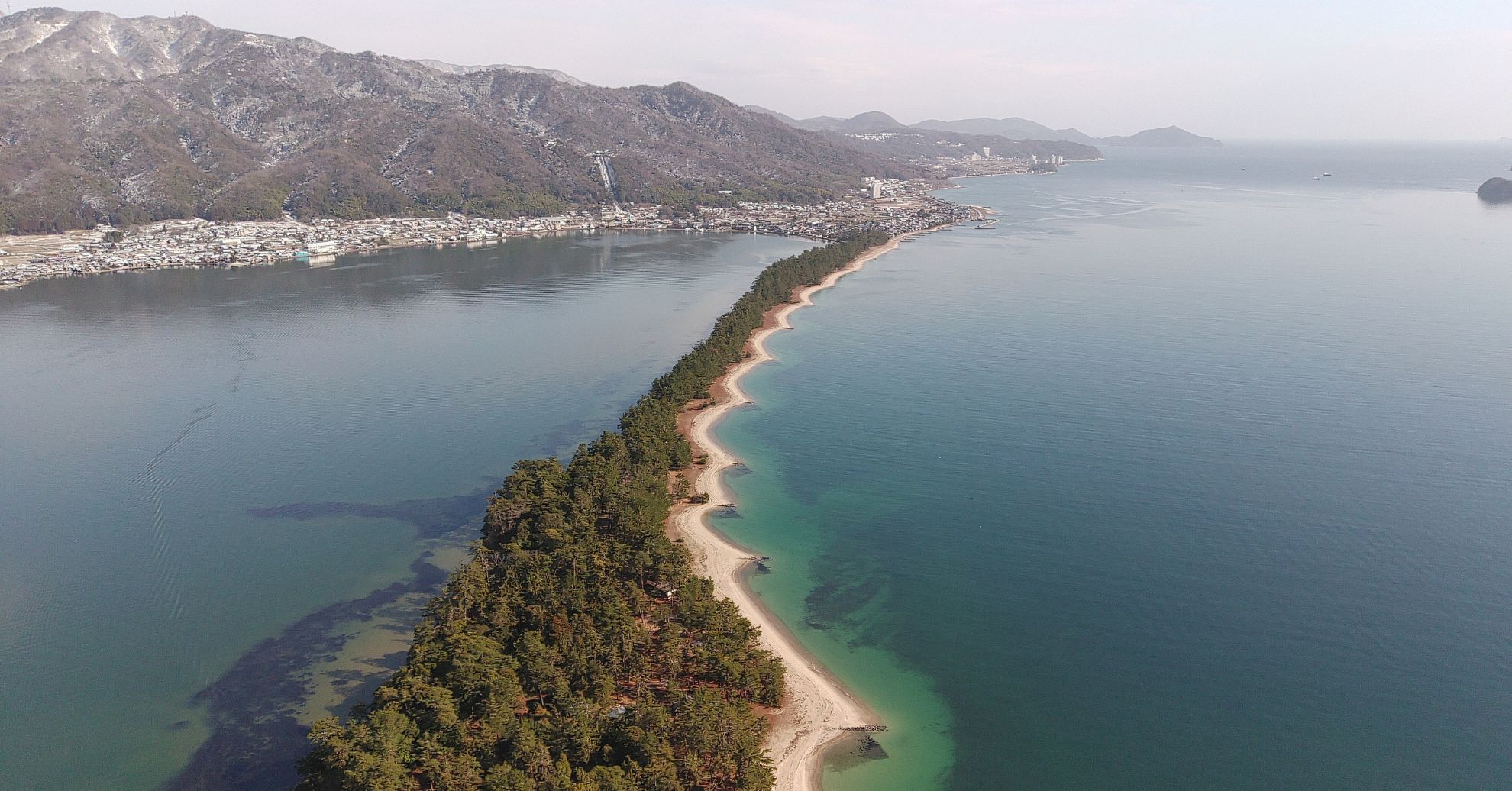
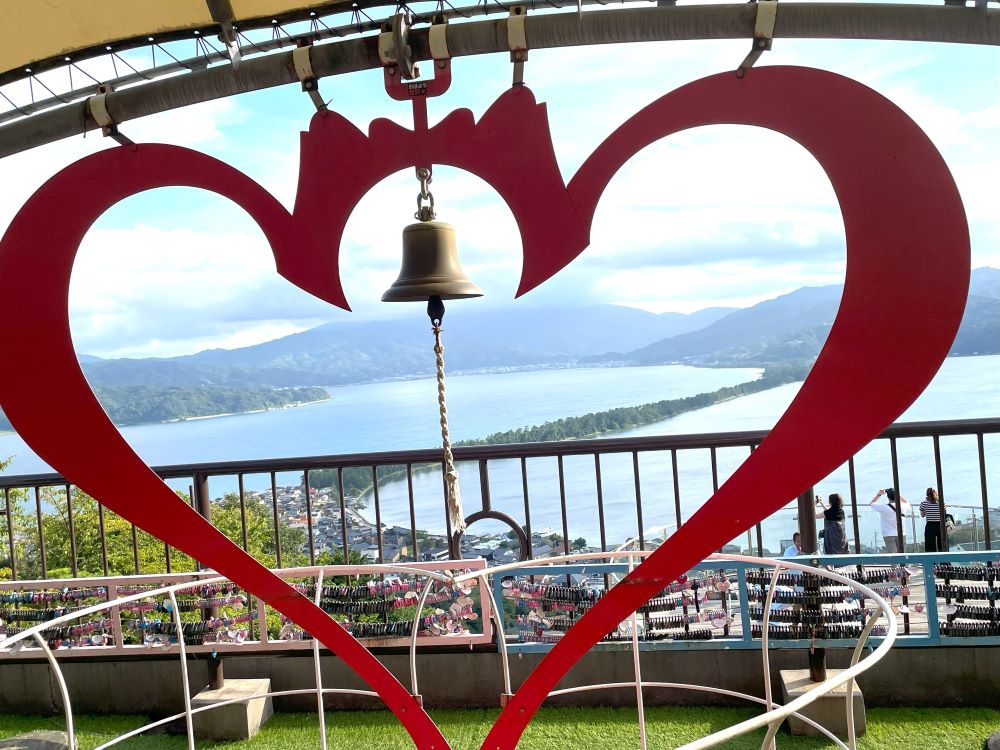
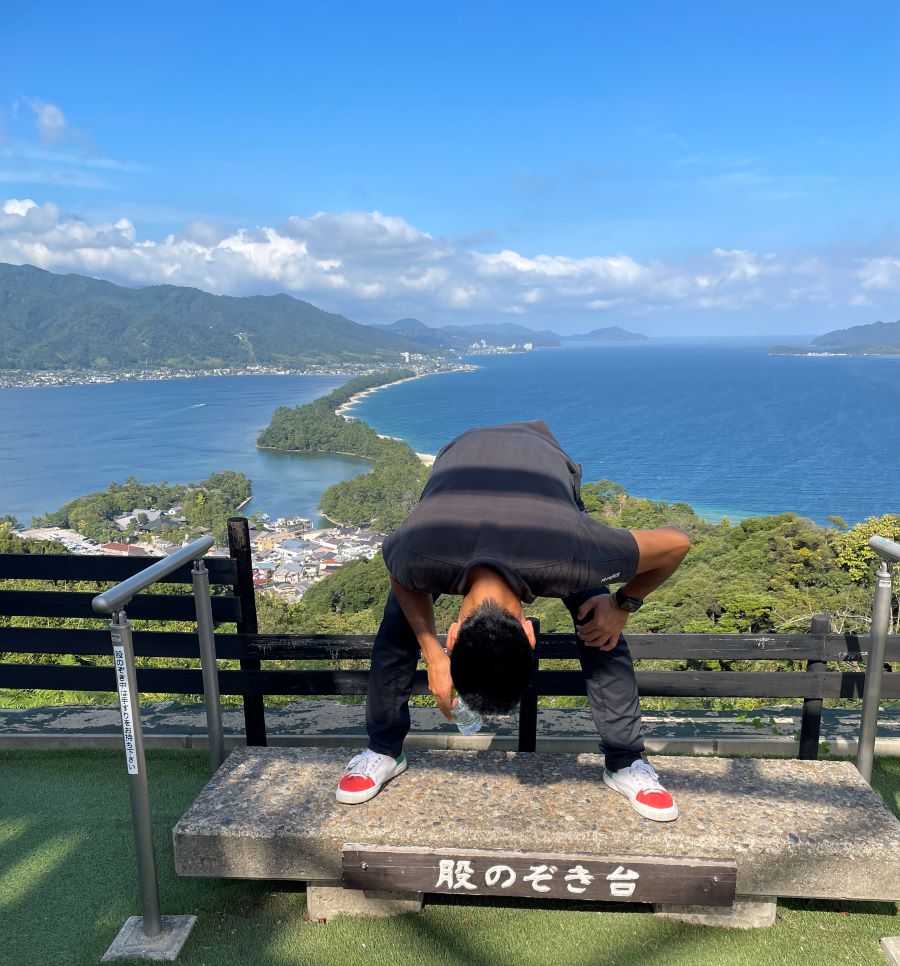
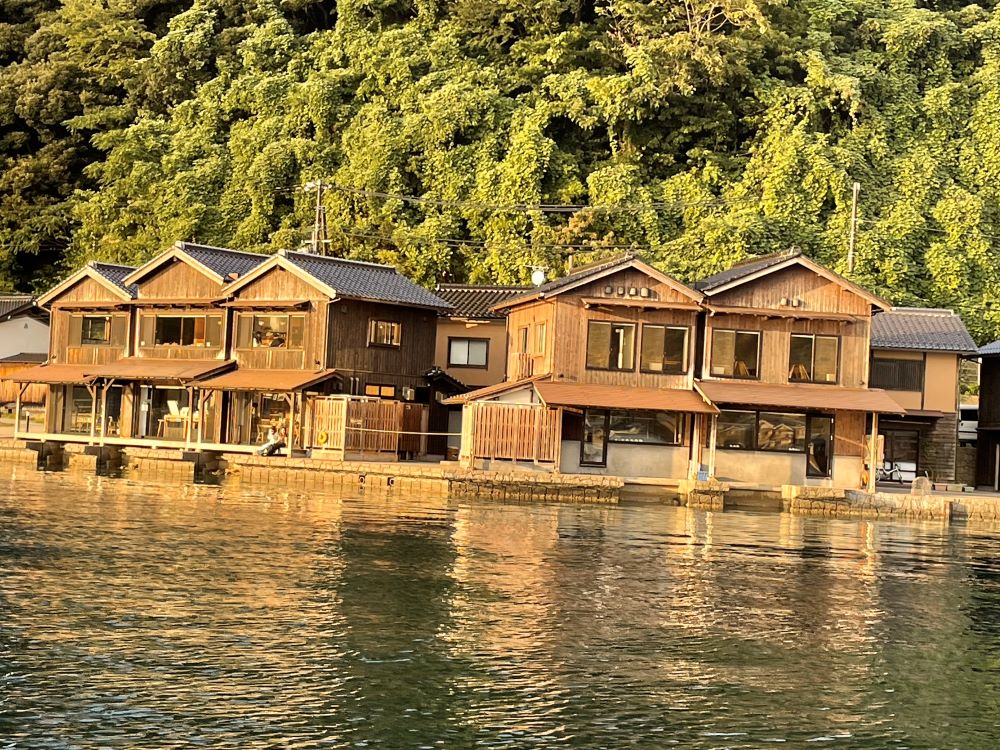
Amanohashidate area
Amino area


Discount tickets valid on the Kyoto Tango Railway
· Kyoto Tango Railway One-Day Pass
· Sea of Kyoto Amanohashidate–Ine Free Pass (1 day)
· Sea of Kyoto Amanohashidate passes

Hanaakari: A Train That Changes Route with the Seasons to Show Western Japan

Hanaakari is a JR sightseeing train built around the food, landscapes and people of western Japan.
In winter it has run coupled with the Kani Kani Hamakaze limited express, serving a menu built on ingredients from Fukui, Amanohashidate and the Tango area.
Its route changes with the season — past runs have covered Osaka to Onomichi in Hiroshima in spring, Osaka to Tsuruga in Fukui in summer, and Shin-Yamaguchi to Iwakuni. Whether the route passes through Kyoto depends on the season, so check the current section on the official site.
On the summer run toward Tsuruga the train passes Kyoto, Mount Hiei and Ogoto Onsen; heading back toward Osaka it calls at Hikone and Omi-Hachiman in Shiga and at Kyoto.
Each route has its own ekiben box lunch, which is worth ordering if you want to eat something local on board. Reservations are required for the ekiben.
Getting Around Kyoto: Buses
Kyoto has both route buses, which cover a wide area and run frequently, and sightseeing buses, which link the main sights efficiently.
Route Buses: Kyoto City Bus in the City, Kyoto Bus Further Out
We start with the route buses. As a rule of thumb, use Kyoto City Bus in the center and Kyoto Bus in the outskirts.
Kyoto City Bus: Wide Coverage Across the City, Plus the Subway and Sightseeing Express Buses

Kyoto City Bus covers the Kinkaku-ji and Kitano Tenmangu area in the northwest, Arashiyama in the west, Kiyomizu-dera and Gion in the east, and Ginkaku-ji and Okazaki in the northeast.
The flat fare of 230 yen for adults and 120 yen for children makes it easy to use, but residents use it daily, so it gets crowded.
With the Subway and Bus One-Day Pass, five city bus rides cover the cost, and combining the subway with the bus helps you avoid the worst of the crowding.
Kyoto City Bus also runs express sightseeing buses on weekends and public holidays, linking the main sights directly.
The EX100 runs from Kyoto Station to Kiyomizu-dera, Heian Jingu and Ginkaku-ji, and the EX101 runs to Kiyomizu-dera. In the morning they come every seven to eight minutes.
The flat fare of 500 yen is higher than an ordinary city bus, but the Subway and Bus One-Day Pass is valid on them, so it pays off if you are getting on and off often.
Sights best reached by Kyoto City Bus
These are the places with few nearby stations, where the bus is the better choice.
Ohara area


Northern Kyoto
Takao area


Discount tickets valid on Kyoto City Bus
· Subway and Bus One-Day Pass
Kyoto Bus: Handy for Arashiyama and Sagano, Ohara and Kifune

Kyoto Bus serves the Arashiyama and Sagano area in the northwest and the Ohara and Kibune areas in the north.
There are many discount tickets valid only in these areas, which suits anyone focused on the countryside around the city.
Fares within the flat-fare zone match Kyoto City Bus, but the Subway and Bus One-Day Pass is not valid on some sections, including the Kibune area and the summit of Mount Hiei.
Reaching a destination by Kyoto Bus alone can be slow, so it works better combined with the train.
Discount tickets valid on Kyoto Bus
· Subway and Bus One-Day Pass
· Kyoto–Arashiyama 1-Day Pass
· Kyoto Rakuhoku Forest and Water Ticket
· Mount Hiei bus 1-day pass
· Arashiyama–Sagano Free Pass
Keihan Bus: Eastern Kyoto, Yamashina, Daigo and Mount Hiei

Keihan Bus serves eastern Kyoto, the Yamashina and Daigo areas, and runs toward Mount Hiei.
Fares within the flat-fare zone match Kyoto City Bus and the Subway and Bus One-Day Pass is valid, but again not toward Kibune or the summit of Mount Hiei.
The Keihan Bus IC 1-Day Ticket is valid in most of the Osaka and Shiga areas as well, which helps if you are traveling beyond Kyoto.
Discount tickets valid on Keihan Bus
· Subway and Bus One-Day Pass
· Keihan Bus IC 1-Day Ticket
West JR Bus: Kinukake-no-Michi, Northwestern Kyoto, Takao and Shuzan

West JR Bus serves the Kinukake-no-Michi, where Kinkaku-ji, Ryoan-ji and Ninna-ji stand together, along with Takao in the northwest and Shuzan in the Keihoku area.
It shares many sections with Kyoto City Bus, so taking it can mean avoiding the worst of the crowding.
The flat city bus fare applies between Kyoto Station and Toganoo.
The Shuzan area is one of the quieter parts of Kyoto, and suits anyone who wants to get away from the city center for a while.
Discount tickets valid on West JR Bus
· Subway and Bus One-Day Pass
· Shuzan Free Pass
· Arashiyama–Takao Gurutto Pass
Yoru Bus: Useful After an Evening in Hanamikoji or Pontocho

The Yoru Bus runs from Kawaramachi and Gion to Kyoto Station every ten minutes between about 8 p.m. and midnight.
There are two services, the Kawaramachi Yoru Bus and the Gion Yoru Bus, both intended to make getting back easier at night.
The Kawaramachi Yoru Bus runs from Kawaramachi-Sanjo and Shijo-Kawaramachi to Kyoto Station; the Gion Yoru Bus runs from Gion via Shijo-Keihan-mae, Shijo-Kawaramachi and Shijo-Takakura.
The fare is the same flat 230 yen as other city buses. The Gion service runs from about 8:00 to 9:45 p.m., and the Kawaramachi service from about 10 p.m.
They are useful after an evening around Hanamikoji in Gion or Pontocho near Kawaramachi.
Discount tickets valid on the Yoru Bus
· Subway and Bus One-Day Pass
Sightseeing Buses: For Covering the Sights Efficiently on a Tour
If this is your first visit, or you would rather not work out the connections yourself, a sightseeing bus is worth considering.
Okoshi Bus (Kyoto Scheduled Sightseeing Bus): From Standard Routes to Seasonal Ones

The Okoshi Bus is a guided tour bus covering the main sights in Kyoto.
Tours range from the standard route taking in Kinkaku-ji, Ginkaku-ji and Kiyomizu-dera to seasonal routes offered for limited periods.
Seats are available on the day if any remain, so it also works when you find yourself with an unplanned free afternoon.
Booking online needs no account registration, and some tours are guided in languages other than Japanese.
Sky Hop Bus Kyoto (Hop-On, Hop-Off): Get On and Off Wherever You Like

Where the Okoshi Bus is fully reserved, the Sky Hop Bus is open seating.
As the hop-on, hop-off name suggests, you can get on and off as often as you like while the ticket is valid.
It is a double-decker with an open top, so you see the city from a different height than usual.
The East Line runs from Kyoto Station past Karasuma-Gojo, Shijo-Karasuma and Nishiki Market, Ginkaku-ji, Heian Jingu, Gion, Kiyomizu-dera and Sanjusangen-do.
The West Line runs from Kyoto Station past Nishi Hongan-ji, Nijo Castle, Kitano Tenmangu, Kinkaku-ji, Daitoku-ji, the Kyoto Imperial Palace, and Shijo-Karasuma and Nishiki Market.
Buses can fill up, so check availability for each service before you set out.
Check availability
Tickets are sold online and on board.
Sky Hop Bus Kyoto
· Same-day ticket・adults 4,300 yen, children 2,200 yen
· Two-day ticket・adults 6,500 yen, children 3,300 yen
Getting Around Kyoto: Taxis

Kyoto is busy in every season, and the taxi ranks at the main stations often have long lines. Hailing one on the street can be difficult too.
If you know you will want a taxi, use a ride-hailing app such as DiDi, GO or Uber Taxi.
Chartered sightseeing taxis are another option, with a driver who also guides you around. Many companies can serve passengers in languages other than Japanese, and some have vans seating six to ten people.
Charter rates run around 5,900 yen an hour, which makes this worth considering for three-generation trips or two families travelling together.
Getting Around Kyoto: Rental Bicycles

Central Kyoto is mostly flat, and the main sights fit within about ten kilometers square. The narrow lanes hide a lot of small cafes, so a bicycle is the best way to find places you would never notice from a bus or train.
Trains and buses run less often in the outer districts, so a bicycle helps there as well.
Rental cycle shops are easy to find both in and around the city, and they suit anyone who would rather not plan around timetables.
Please note・the rules for cycling in Kyoto. On sidewalks, pedestrians have priority, and on roads you ride on the left. Come to a full stop at intersections and check that it is safe before setting off. Some streets in the city are closed to bicycles, so check your route in advance. Street parking is not allowed anywhere in Kyoto: not on sidewalks or roads, and not beside shops, houses or stations. A bicycle left outside a designated parking area, even briefly, may be removed as abandoned and the owner fined.
Getting Around Kyoto: Parking in the City
Travelling with older relatives or small children, you may prefer your own car or a rental.
There is no shortage of parking in Kyoto, but traffic builds up around the popular areas such as Arashiyama, Nishiki Market, Heian Jingu, To-ji and Kiyomizu-dera, and finding a space there can take a while.
Areas where traffic builds up

A park-and-ride is the easier approach.
You leave the car in a designated lot near a station or bus stop outside the center, then continue to the sights by train or bus.
The page below lists park-and-ride lots for drivers coming from the Osaka side and from the Nagoya side.
A Transport Guide to Each Area of Kyoto

| Main sights | Travel time | Example route |
| Kifune Shrine | About 90 min. | Karasuma Subway Line + Kyoto Bus |
| Sanzen-in | About 60 min. | Karasuma Subway Line + Kyoto Bus |
| Kinkaku-ji | About 30 min. | JR Sanin Line + Kyoto City Bus |
| Arashiyama | About 50 min. | Kyoto City Bus |
| Togetsukyo Bridge | About 30 min. | JR Sanin Line |
| Nishiki Market | About 10 min. | Karasuma Subway Line |
| Kiyomizu-dera | About 30 min. | Kyoto City Bus |
| Yasaka Shrine | About 25 min. | Kyoto City Bus |
| Fushimi Inari Taisha | About 5 min. | JR Nara Line |
| Byodo-in Phoenix Hall | About 30 min. | JR Nara Line |
The map and table above use the shortest travel times from Kyoto Station as given by Google Maps. Actual times vary with the mode of transport, traffic and time of day, so treat them as a rough guide.
The articles below cover each area in more detail.

Reaching Kyoto from Japan’s Major Cities

This section covers how to reach Kyoto from Kansai International Airport, Osaka, Kobe, Kobe Airport and Tokyo.
All times vary with the hour and with traffic, so treat them as a rough guide.
Kansai International Airport to Kyoto Station: options compared
| Travel time | One-way fare | Suits | |
| JR Kansai Airport Express Haruka | About 1 hr. 20 min. | 3,060 yen | Anyone who wants to reach Kyoto Station directly, with no transfers |
| Airport limousine bus | About 1 hr. 40 min. | 2,800 yen | Anyone with a lot of luggage who wants to reach Kyoto Station without transfers |
Osaka to Kyoto Station: options compared
| Travel time | One-way fare | Suits | |
| JR Kyoto Line Special Rapid | About 30 min. | 580 yen | ・Anyone who wants to reach JR Kyoto Station quickly ・Anyone heading for Fushimi Inari, Yamashina or other JR stops within Kyoto |
| Hankyu (Osaka-Umeda to Karasuma) | About 45 min. | 410 yen | ・Anyone heading from central Osaka to Gion, central Kyoto or Arashiyama ・Anyone who would rather avoid the crowds at JR Kyoto Station ・Anyone who wants to ride the Kyo-train Garaku sightseeing train |
| Keihan (Yodoyabashi to Gion-Shijo) | About 50 min. | 430 yen (Liner ticket +380 yen) | ・Anyone heading from central Osaka to Gion or Fushimi Inari ・Anyone who would rather avoid the crowds at JR Kyoto Station ・Anyone who wants to ride the Premium Car on a Liner limited express |
Kobe to Kyoto Station
| Travel time | One-way fare | |
| JR Tokaido and Sanyo Line Special Rapid | About 55 min. | 1,100 yen |
Kobe Airport to Kyoto Station
| Travel time | One-way fare | |
| JR Tokaido and Sanyo Line Special Rapid + Kobe New Transit Port Liner | About 80 min. | 1,450 yen |
Tokyo to Kyoto Station: options compared
| Travel time | One-way fare | Suits | |
| Tokaido Shinkansen | About 2 hr. 10 min. | 13,320 yen | ・Anyone who wants to arrive quickly ・Anyone starting their sightseeing from JR Kyoto Station |
| Highway bus | About 6.5 hr. | From 4,000 yen | ・Anyone traveling on a budget ・Anyone who wants to save a night of accommodation by traveling overnight |
Discount Tickets for Sightseeing in Kyoto

The article below covers discount tickets for Kyoto and the surrounding region, which are worth a look if you plan to move around a lot.

Useful Tools for Sightseeing in Kyoto

Most visitors use Google Maps in Kyoto for locations, crowd levels and connections. Station floor plans and e-tickets for attractions are harder to find in one place.
This section covers tools that help in various situations around Kyoto.
KANSAI MaaS: Route Searches and E-Tickets, JR Included
KANSAI MaaS is a smartphone app developed by seven railway operators: JR West, Osaka Metro, Kintetsu, Keihan, Nankai, Hankyu and Hanshin.
It brings together route searches, e-tickets, station floor plans and travel information in one place.
The Kyoto Keihan · JR West QR Pass and the Hankyu · JR West Kyoto 2way Pass, both covered in the discount ticket section, are sold through KANSAI MaaS.
You buy on your phone and scan the QR code at the gate, with no paper ticket to collect.
The app also lists events such as stamp rallies, along with coupons.
Surutto QRtto: Multilingual QR Tickets for Private Railways, Subways and Attractions
Surutto QRtto comes from Surutto KANSAI, which also runs the PiTaPa IC card and the KANSAI RAILWAY PASS for overseas visitors.
Besides trains and buses in the Kansai region, it sells admission tickets for attractions, used as a QR code on your phone.
It resembles KANSAI MaaS, with one difference: KANSAI MaaS also covers JR lines, while Surutto QRtto is mainly for the private railways and subways of Kansai.
KANSAI MaaS is available in Japanese and English, while Surutto QRtto adds traditional and simplified Chinese.
Choose whichever suits your plans.
KANSAI ONE PASS has been discontinued
This rechargeable IC card for overseas visitors could be used across western Japan without buying a ticket each time. With smartphone apps now widespread, sales ended in stages from November 2025. Cashless has given way to cardless, and the day when a phone alone takes you anywhere is not far off.
Kyoto Smart Navi (Kyoto Sightseeing Digital Map): Sights, Parking and Avoiding the Crowds
Kyoto Kanko Navi, run by the Kyoto City Tourism Association, and the KYOTO CITY OFFICIAL TRAVEL GUIDE for overseas visitors both show crowd levels at the sights and parking availability in real time.
Knowing which spots stay quiet, and which hours get busy, makes the day go more smoothly.
The article below collects live cameras showing the current state of the main sights in Kyoto.
Common Questions About Getting Around Kyoto
To close, here is some practical information and a few common questions.
Tickets

Q. Is there no one-day bus pass?
It was withdrawn at the end of March 2024 to ease crowding on city buses.
The Subway and Bus One-Day Pass, which covers both, is the replacement to look for.
Q. Where can I buy an IC card?
The main IC cards in Kyoto are PiTaPa and ICOCA, and the nationally interoperable cards also work, including PASMO, Suica, Kitaca and manaca.
PiTaPa is postpaid and requires a registered bank account, so it comes with conditions. ICOCA is sold at major JR West stations and at private railway stations, and anyone can start using it right away.
Boarding and Paying on Buses
Q. How do I board a bus and pay?

On most buses in Kyoto you board through the rear door and pay as you get off. Cash, IC cards and the Subway and Bus One-Day Pass (with some exceptions) are accepted; credit cards usually are not.
With cash, 10,000 and 5,000 yen notes are often refused and change is not always given, so an IC card or a one-day pass makes things easier.
Other Questions
Q. Is there somewhere to leave luggage, or a delivery service to my accommodation?

Sightseeing while carrying a suitcase is hard work.
A large suitcase on a crowded train or bus adds to the congestion, so use a left-luggage counter or have your bags delivered to your accommodation.
Coin lockers and delivery services are listed below.
· Coin lockers in and around Kyoto
· Counters that take large luggage
· Baggage delivery from Kyoto Station
· Baggage delivery from Kansai International Airport
· Baggage delivery from Kobe Airport
Q. Are there tourist information centers with multilingual staff?

The Kyoto Tourist Information Center, known as Kyo-navi, is conveniently located and holds the highest rating given to tourist information centers for overseas visitors.
It is inside the Kyoto Station building, with staff who can help in English, Chinese and Korean. Besides tourist information, it handles tickets for attractions, same-day accommodation referrals, Wi-Fi rental and baggage delivery.
Elsewhere there is the Keihan Tourist Information Center Gion-Shijo inside Gion-Shijo Station on the Keihan line, plus the Hankyu Kyoto Tourist Information Center at Kyoto-Kawaramachi and another at Karasuma Station.
Noting where these centers are before you set out is worth the minute it takes.
· Kyoto Tourist Information Center (Kyo-navi)
· List of tourist information centers in Kyoto
· Hankyu Tourist Center
Summary
This article has covered getting around Kyoto.
Trains, buses, taxis and rental bicycles each have their place, and using them well leaves more of the day for the city itself.
The article below suggests an itinerary for a first visit to Kyoto.
It covers the well-known sights along with quieter places, for anyone who wants to see more of the city.
We hope it helps with your planning.