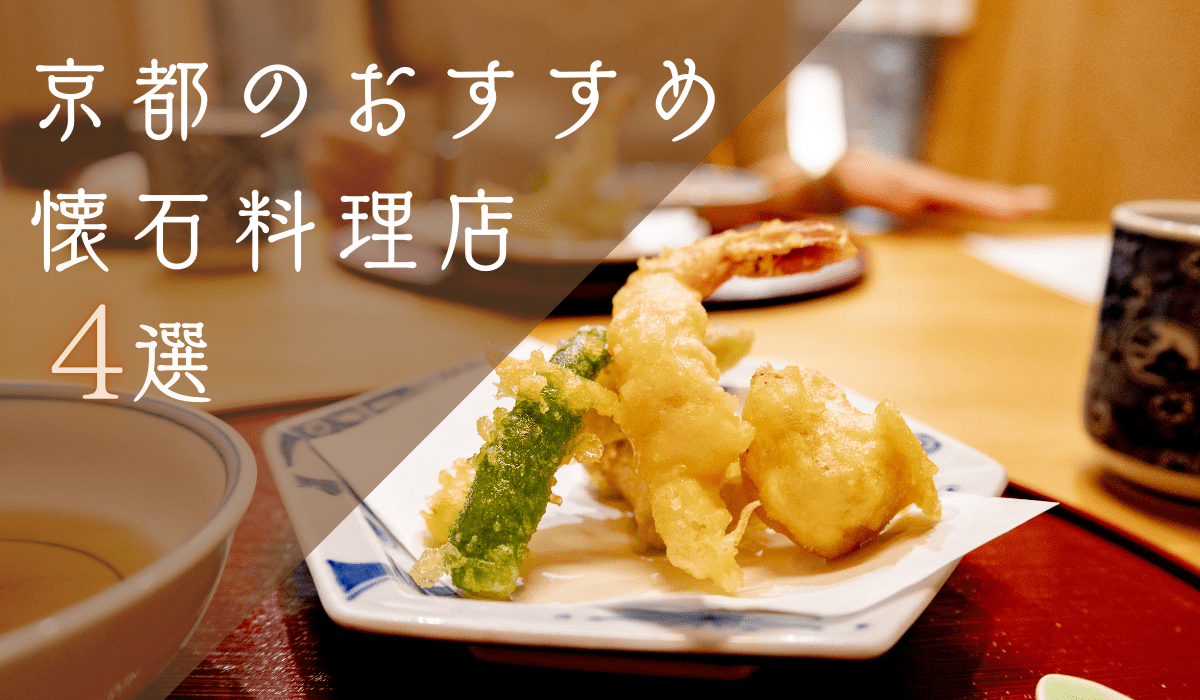
Kaiseki uses what is in season and seasons it lightly, built on dashi.
It is eaten today with drinks, at banquets and on celebrations, but it began as the meal served at a tea gathering.
This article covers four kaiseki restaurants worth eating at in Kyoto.
It also answers the basics: what separates kaiseki from the banquet meal of the same name, and what to avoid doing with your chopsticks.
It is worth a read if you want to spend time with the traditions of Kyoto and with Japanese food.
Nishijin Sai Aun: Private Japanese Rooms
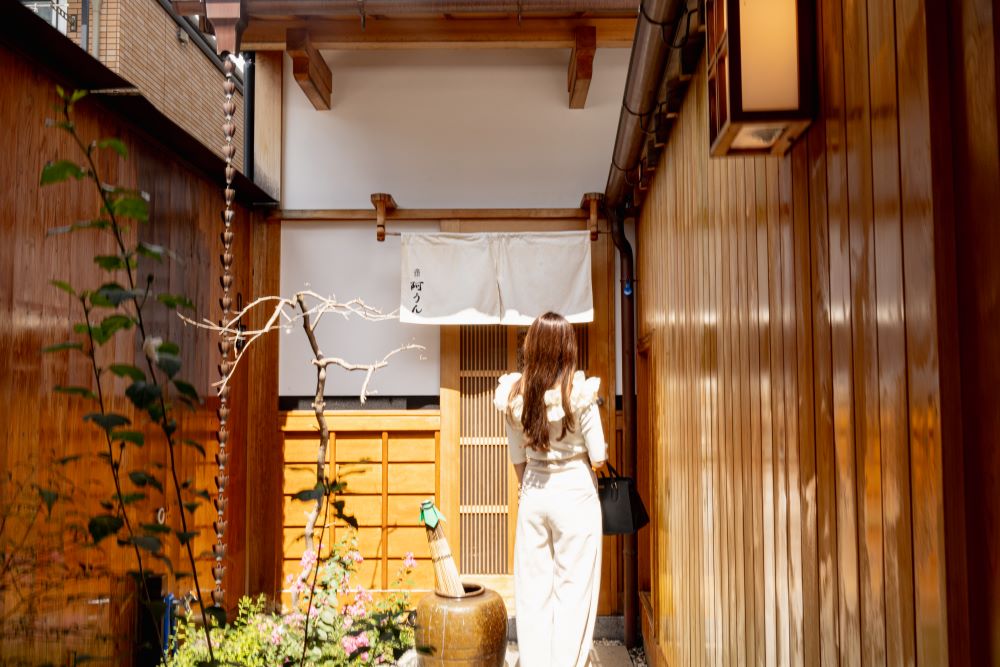
A Kyoto restaurant surrounded by Kitano Tenmangu, Daitoku-ji, Kinkaku-ji and Seimei Shrine.
Soft light spills into the street from a quiet exterior, and inside, every room is private.
You can also have a maiko join the meal, for Kyoto dance, ozashiki games and service at the table.
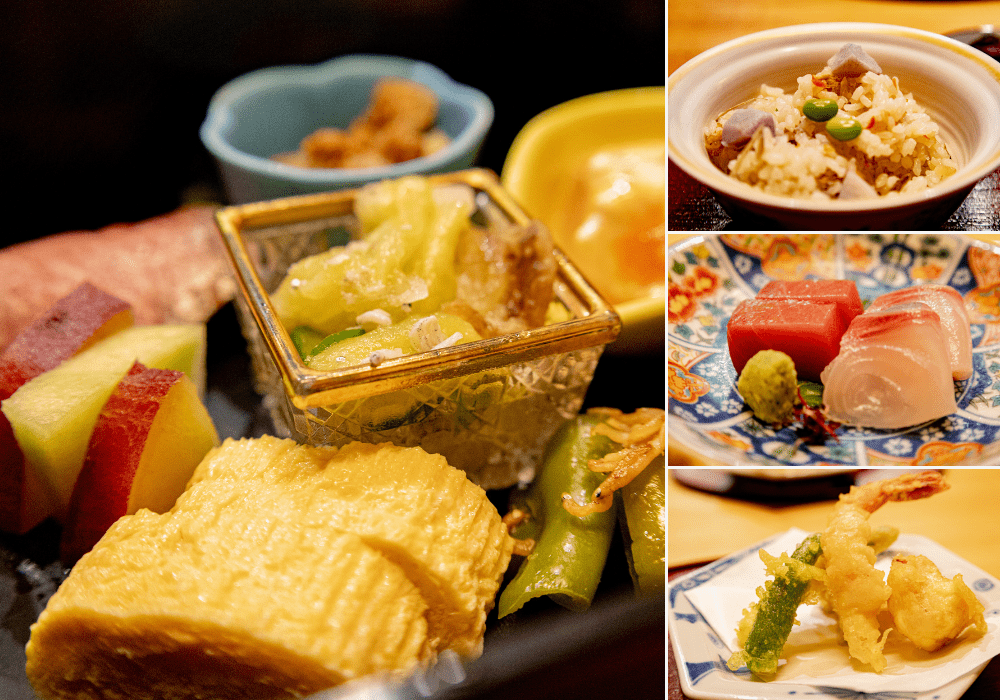
The Kyo-kaiseki is prepared with care and served as a course.
In winter there are chicken and pork hot pots, a mixed pot with beef shabu and fish, and pots with pufferfish or softshell turtle.
It is a place to take the season slowly, inside the culture of the city.
| Nishijin Sai Aun Address: 452 Seihokukoji-cho, Teranouchi Hancho-sagaru Higashi-iru, Kamigyo-ku, Kyoto Tel: 075-205-4320 Hours Lunch 12:00–13:30 Dinner 17:30–22:00 Closed: some Tuesdays Prices: lunch from 4,200 yen, dinner from 6,600 yen Cards: accepted Website: https://www.sei-aun.com/ Booking form: https://www.sei-aun.com/reserve.html |
Nikuryori Yasuda: Wagyu Served as Kaiseki
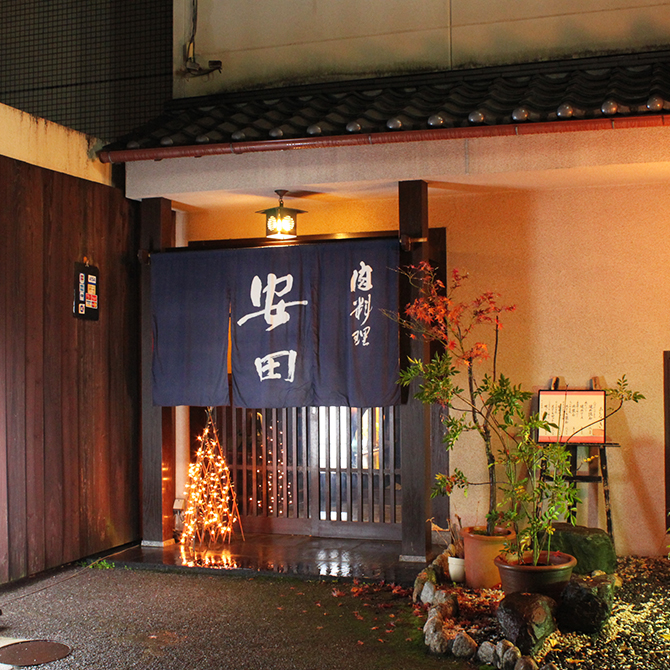
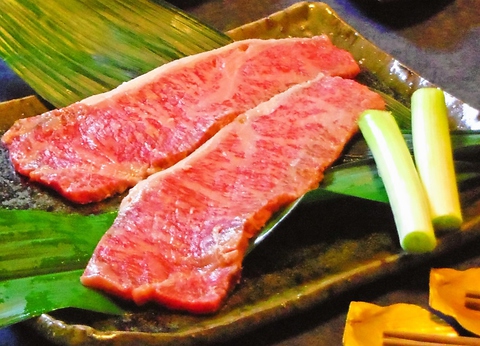
A reservation-only meat restaurant serving wagyu in several ways: a straightforward yakiniku set, sukiyaki and shabu-shabu, and kaiseki yakiniku.
The one to order is the kaiseki course, which serves a better grade of wagyu as kaiseki.
It opens with hassun, the Kyoto assortment of small dishes, while you wait for the beef.
Salted tongue and thinly sliced loin melt as you eat them.
It suits anyone who finds kaiseki a little light, or who prefers somewhere more refined than a standard yakiniku restaurant.
| Nikuryori Yasuda Address: 6 Horinoue-cho, Tachiuri-dori Horikawa Higashi-iru, Kamigyo-ku, Kyoto Tel: 075-411-2838 Hours: 17:00–23:00 Closed: Tuesdays Prices: from 4,500 yen Cards: accepted Website: https://tabelog.com/kyoto/A2601/A260202/26002999/ |
Masumasu Masuda: A Family-Run Kaiseki Restaurant
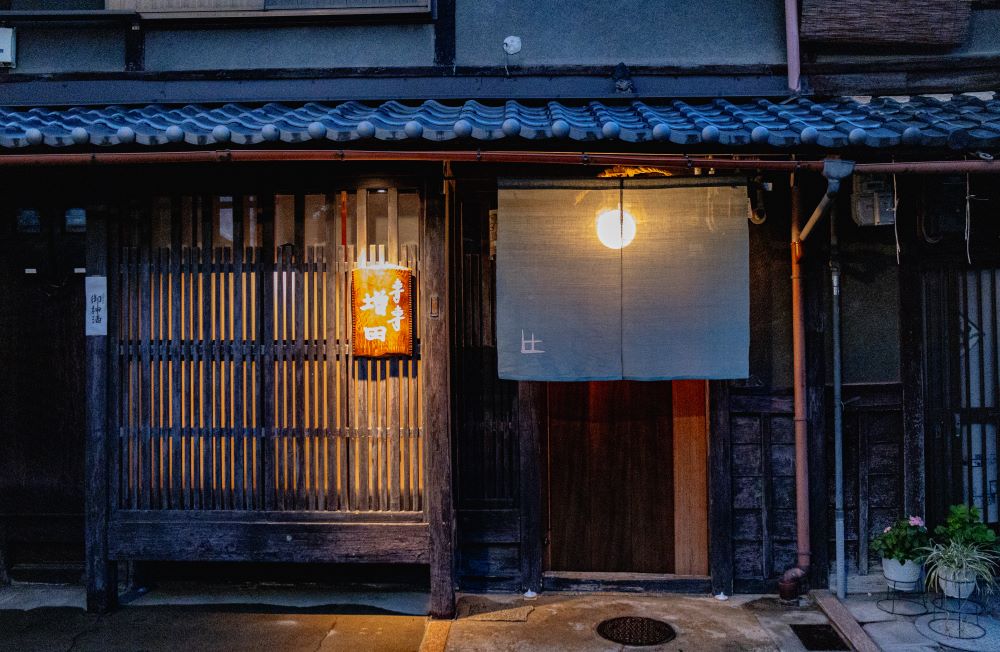
A quiet restaurant in a converted machiya.
The okami greets you with a smile, and the room is relaxed.
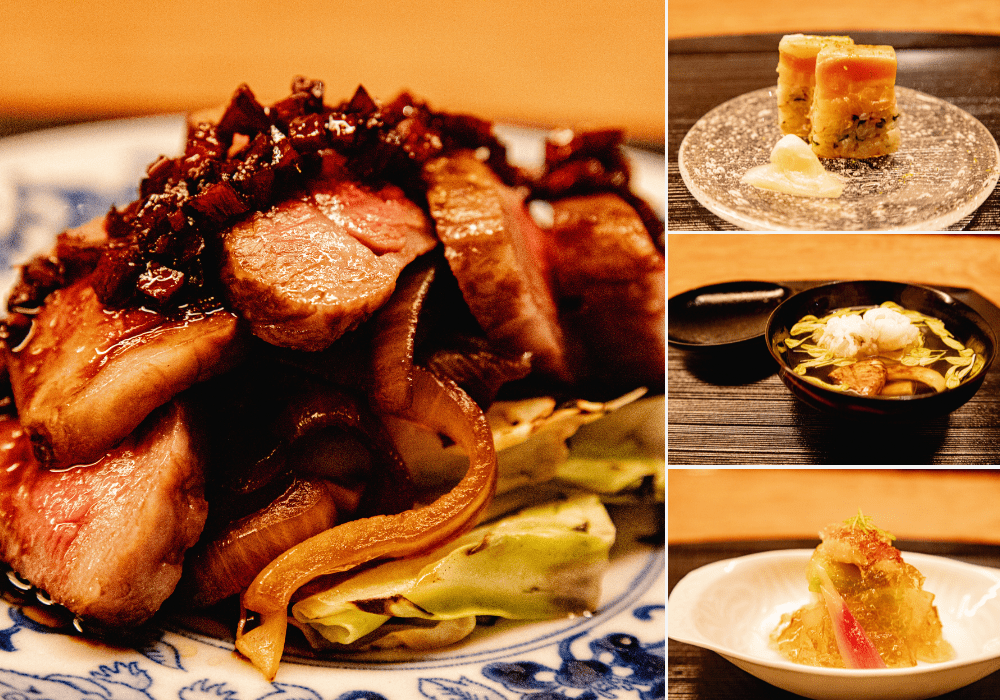
The kaiseki uses fresh Kyoto vegetables, selected seafood, itadakimasu trout from Tochigi, where the owner is from, and Tochigi wagyu.
Traditional technique meets a contemporary sense, and the dashi carries it. It sits easily.
It is reservation only, taken until 10 a.m. the day before.
| Masumasu Masuda Address: 187-1 Hisashi-cho, Kyu-Omiya-dori Nakadachiuri-agaru, Kamigyo-ku, Kyoto Tel: 075-366-8273 Hours: 18:00–22:00 Closed: Sundays Price: 21,000 yen (service and tax included) Cards: accepted Website: https://masumasumasuda.com/ Instagram: https://www.instagram.com/kyoto_masuda/ Booking form: https://www.tablecheck.com/ja/masumasumasuda/reserve/landing |
Kyo-ryori Kappo Nariman: A Refined Kappo Restaurant
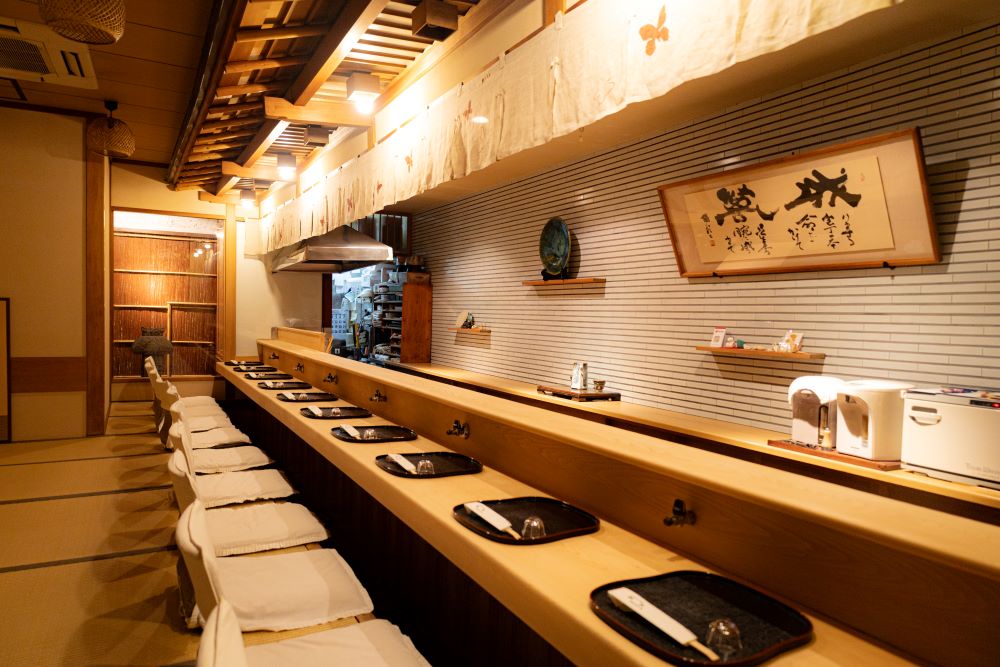
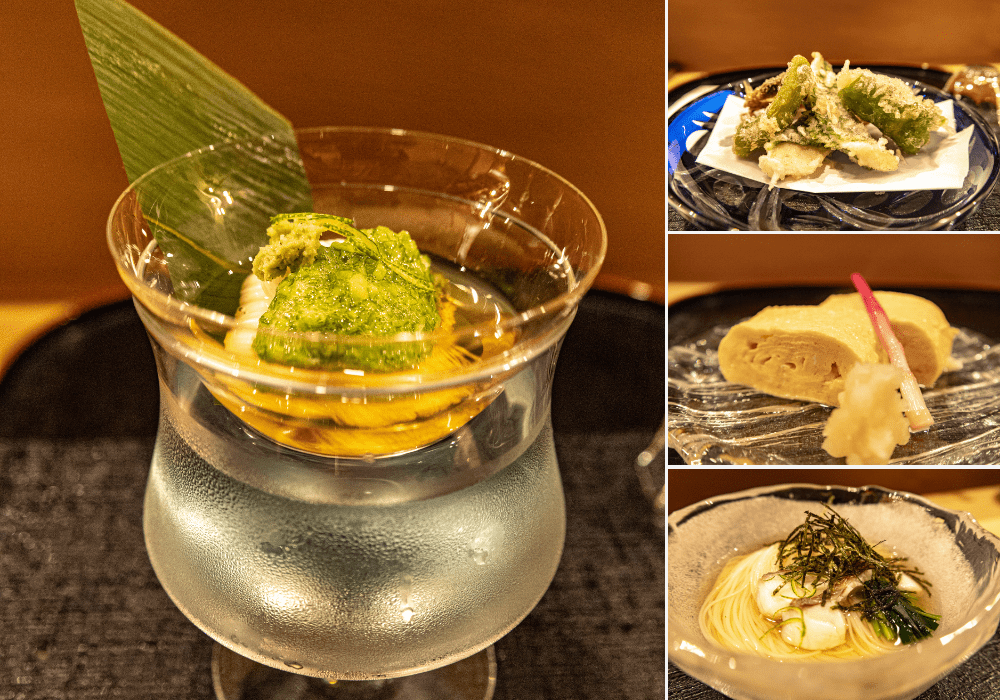
Kyo-ryori Kappo Nariman suits the atmosphere of the old Nishijin district.
Drawing on a background in Edomae sushi, it serves the banquet cuisine of Kyoto as a refined kappo restaurant.
The ideas it uses to bring out fresh wild fish and Kyoto vegetables are the surprise.
The course runs from the opening dishes through nimono, sashimi, takiawase and rice, each prepared with care.
It also serves pufferfish and softshell turtle pots, which suits an occasion or entertaining.
Takiawase: fish and vegetables simmered separately and arranged together on one plate.
| Kyo-ryori Kappo Nariman Address: 535 Sakuan-cho, Senbon-dori Kamidachiuri-sagaru, Kamigyo-ku, Kyoto Tel: 050-5487-5700 Hours Lunch 12:00–14:00 (last order 13:00, reservation required) Dinner 17:00–23:00 (last entry 21:00) Closed: Wednesdays Prices: courses from 8,800 yen, with a la carte dishes Cards: accepted Website: https://nariman.gorp.jp/ Booking form: https://r.gnavi.co.jp/plan/b40n856x0000/plan-reserve/plan/plan_list/?sc_cid=gorp_header_reserve#wrapper |
Questions Worth Answering Before You Go
To close, here are a few questions for anyone who finds kaiseki daunting.
Q. What is kaiseki?
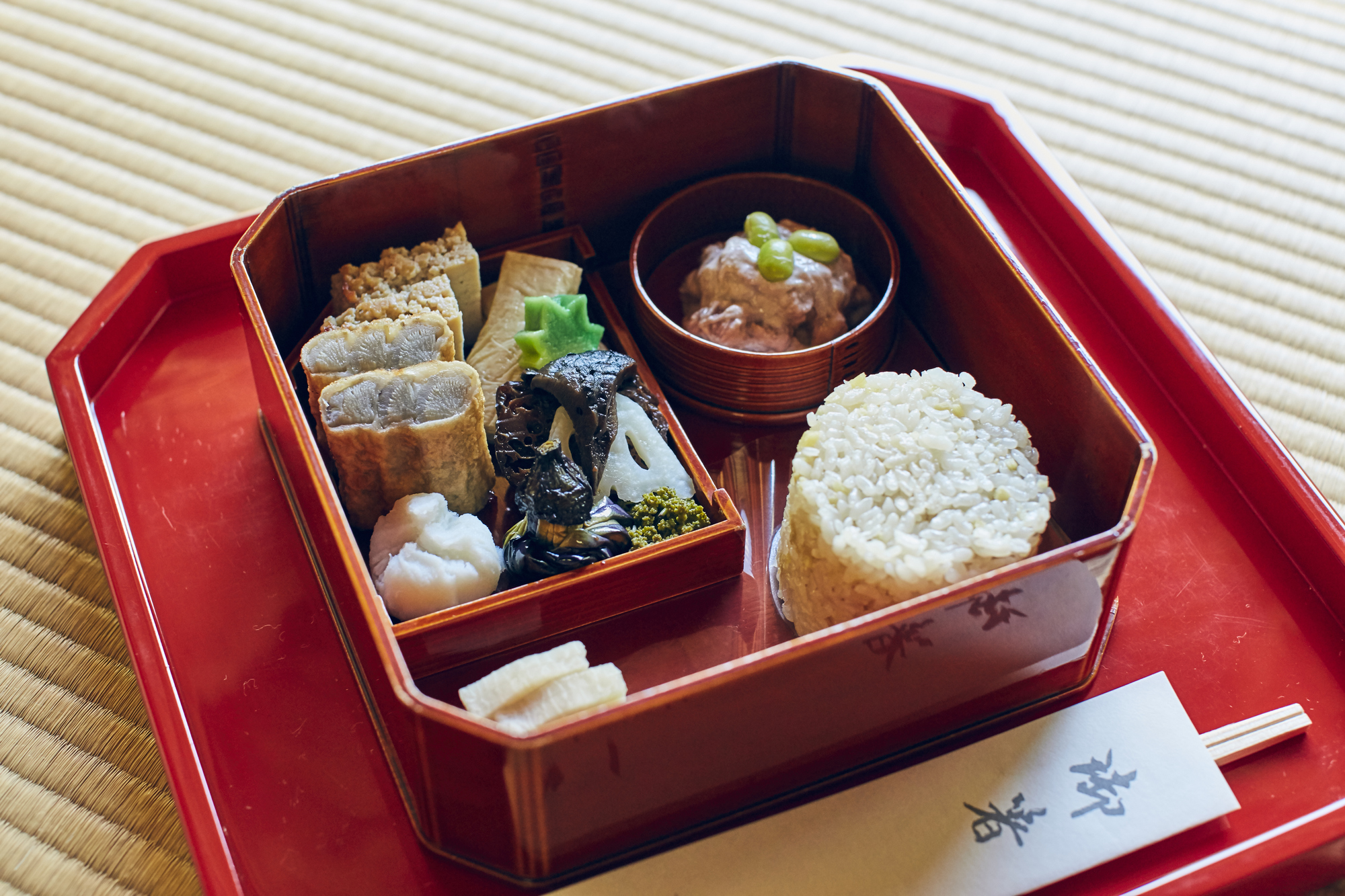
A. It began as the meal served at a tea gathering: plain, lightly seasoned and eaten by set manners.
Japanese cooking has several systems built on dashi, and kaiseki carries the traditions of Kyoto most strongly.
Kaiseki is the meal served at a tea gathering, developed from the wabi-sabi of the tea ceremony: plain and spare. It uses what is in season and cooks it to bring out what the ingredient already has.
It was eaten to take the edge off hunger before the tea, so the standard is ichiju-sansai, one soup and three dishes, lightly seasoned and modest in quantity.
Ichiju-sansai means rice, soup, mukozuke (sashimi or a simmered dish), wanmori (a simmered dish) and a grilled dish.
A kaiseki menu
1. Oshiki: rice, soup and mukozuke
2. Wanmori: clear soup
3. Grilled dish: grilled fish
4. Hashiarai: a small clear soup
5. Hassun: delicacies from the mountains and the sea
6. Yuto and ko no mono: hot water poured over the scorched rice, with pickles
7. Omogashi and koicha: a wagashi with thick matcha
Source: https://www.kurashiru.com/articles/8bfe7fd7-cd3c-4abe-af22-841e0533652b
The list above is one example. Grilled dishes and hassun are usually served on a large plate for everyone to take from.
Because it is the meal of a tea gathering, each school of tea sets its own manners, down to how the chopsticks are laid.
Q. Is kaiseki different from the banquet meal of the same name?
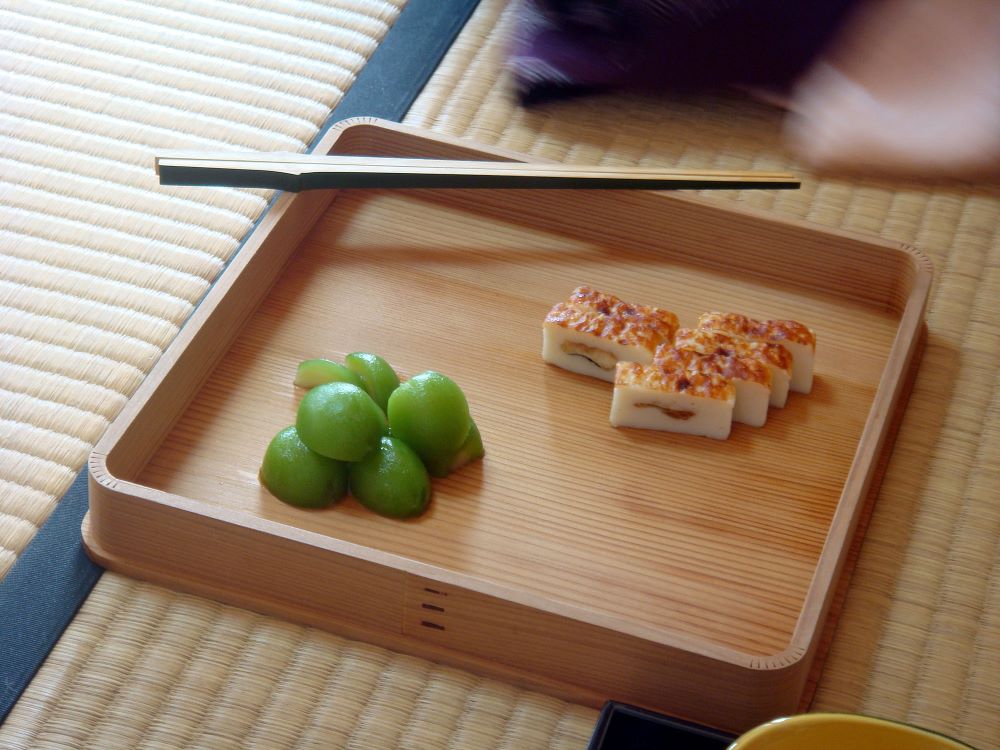
A. Today both are served at banquets and understood as food that goes with sake.
Kaiseki written with the characters for a meeting seat is the banquet meal served where people gather over drinks. It needs to look festive and go with sake, and it has no fixed manners.
Kaiseki in the tea sense has largely lost its link with the tea ceremony, and the two words are now often used to mean the same thing.
Many people have eaten a kaiseki plan with drinks at a Japanese inn.
Some now distinguish the meal at a tea gathering as cha-kaiseki and the meal at a ryotei as kaiseki-ryori.
Obanzai, which you see often on menus in Kyoto, means home cooking.
It comes from making plain ingredients taste good by using what each one offers, and it is worth tasting against kaiseki.
Q. What should I watch for at the table?
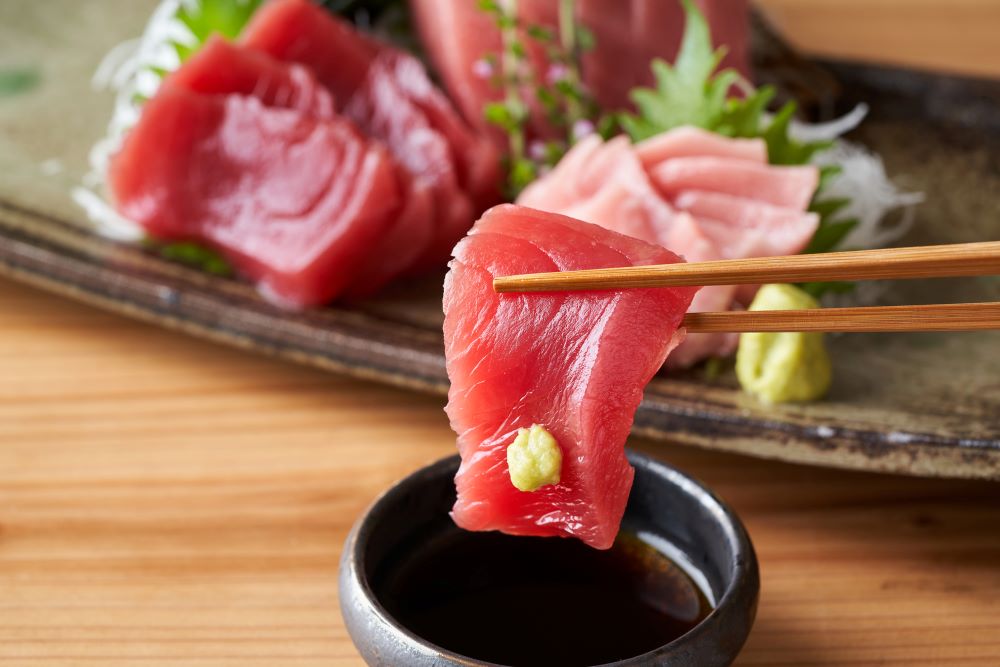
The basic manners carry over to other occasions, and knowing them is enough to carry you through.
In a tatami room: do not tread on the tatami border or the threshold
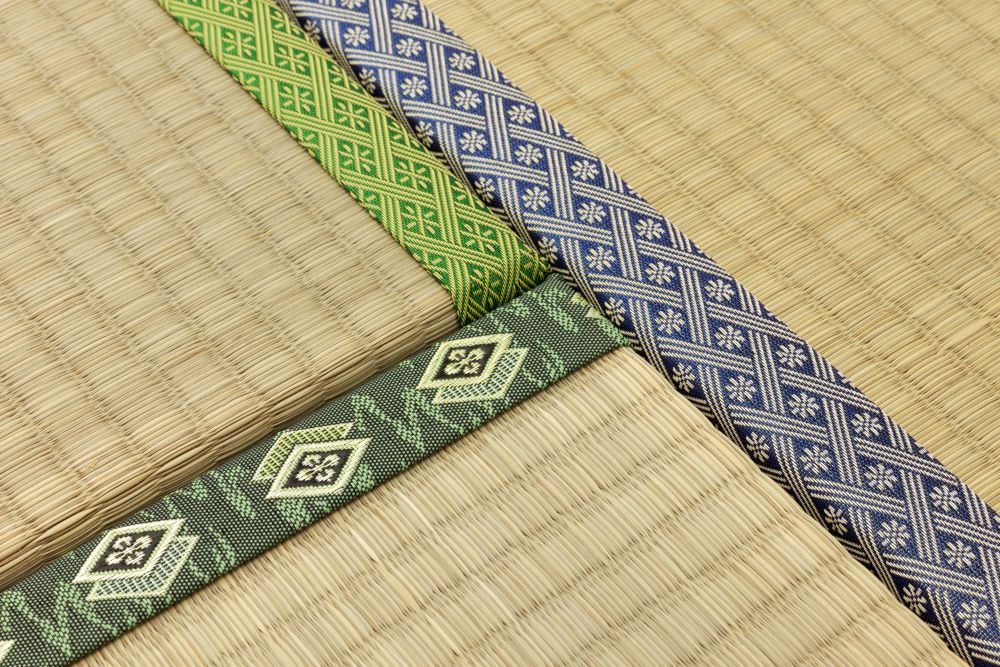
Step over the tatami border and the threshold when you enter a room. The tatami border is the cloth that covers the join between mats.
Borders once carried the family crest and marked the ground of the household. In the strictly ranked samurai society, treading on a crest was not done, and something of that remains.
Chopsticks: avoid sashi-bashi, yose-bashi, kaeshi-bashi, watashi-bashi and mayoi-bashi
Sashi-bashi, spearing food with your chopsticks, yose-bashi, pulling a dish toward you with them, and kaeshi-bashi, turning them around to serve yourself, are all avoided.
So are watashi-bashi, laying them across a bowl, and mayoi-bashi, hovering over the dishes while you decide.
There is no need to worry about all of it, but it is worth keeping in mind if you have the room.
Summary
This article has covered four kaiseki restaurants in Kyoto.
One is warm and family-run, one serves meat in quantity, and one lets you spend the evening with a maiko.
All four cook what is in season with care and arrange it with thought.
They are worth a visit if you are interested in Japanese traditions and in the food culture of Kyoto.