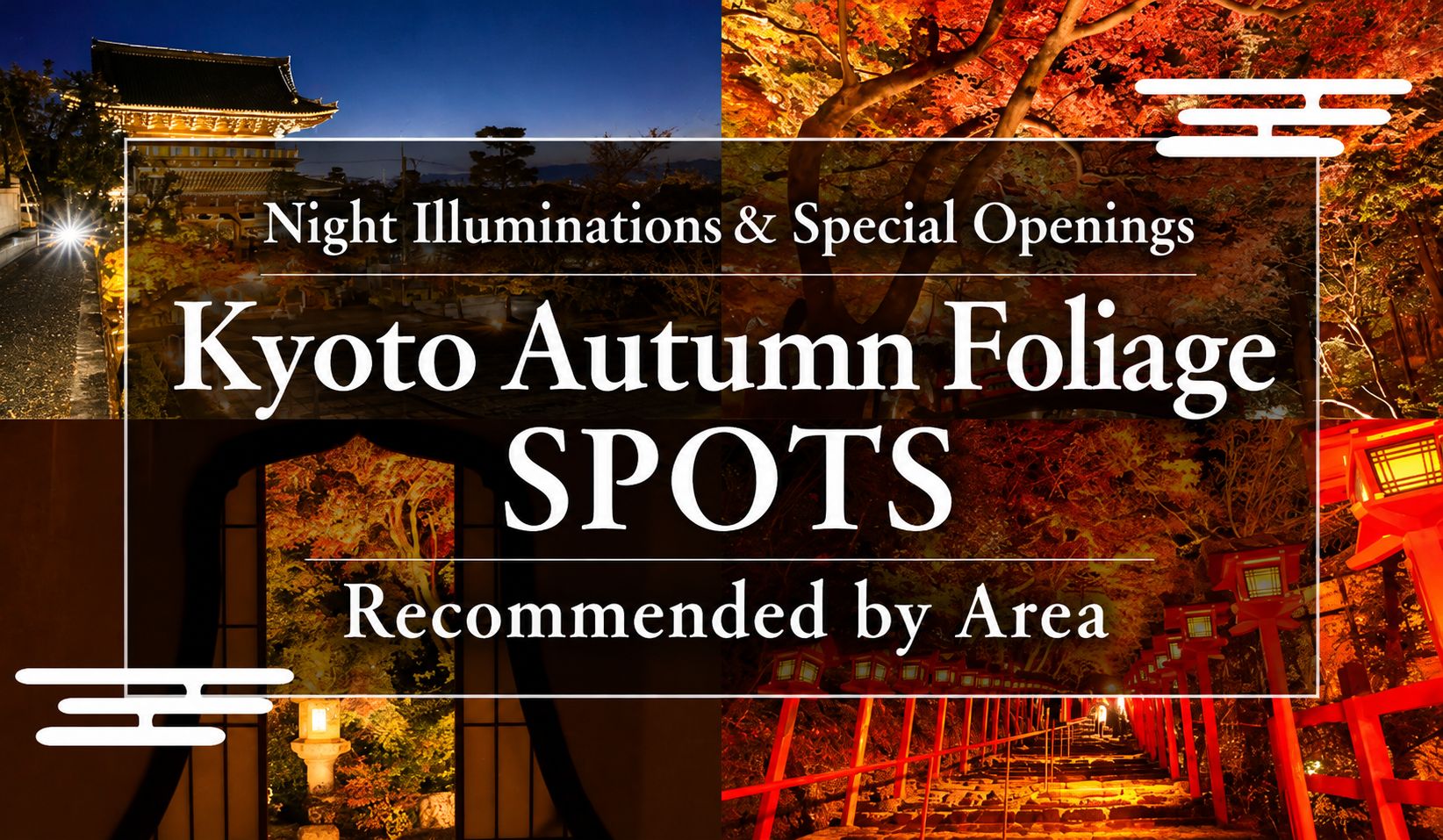
This page brings together the autumn illuminations and the special seasonal viewings held across Kyoto, sorted by area. If you are planning a trip to see the autumn leaves, use it to find what is happening in each part of the city.
Central Kyoto (Rakuchū): The Heart of the Old Capital
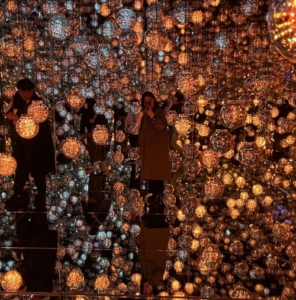
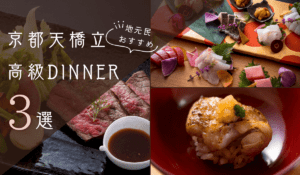
Rakuchū covers the middle of Kyoto, including the area around Kyoto Station and Nishiki Market, so shopping and places to eat are easy to find. Historic sites such as Higashi Hongan-ji sit alongside attractions that suit every age, including the Kyoto Aquarium and the Kyoto Railway Museum.
It is a good choice when your time in Kyoto is short, since much of what the city is known for is within easy reach.


Image source
https://ja.kyoto.travel/event/single.php?event_id=3731
The article below covers each spot in this area in detail.
Western Kyoto (Rakusai): History, Nature and a Sightseeing Train
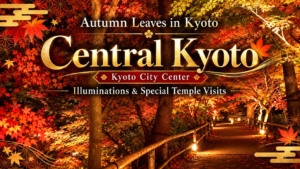
Rakusai has several World Heritage sites, among them Kinkaku-ji and Tenryū-ji. It is also where you find Arashiyama, the bamboo grove path, the Sagano Romantic Train and the boat ride down the Hozu River gorge.
If you want history and scenery in the same day, this is the area to spend it in.


The article below covers each spot in this area in detail.
Eastern Kyoto (Rakutō): Old Streets and Landmark Temples
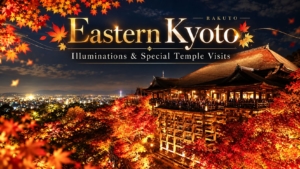
Many of Kyoto’s best-known temples and shrines are here: Kiyomizu-dera, familiar from films and animation both in Japan and abroad; Ginkaku-ji, quieter in character than Kinkaku-ji; and Yasaka Shrine, home of the Gion Festival.
The approach to Kiyomizu-dera along Ninen-zaka and Sannen-zaka, Hanamikoji near Yasaka Shrine, and the machiya townhouses of Gion are all worth walking for their own sake.
The banks of the Kamo River are a place locals go to sit and cool off, and the riverside dining terraces are a fixture of summer in Kyoto.
Choose this area if you want the landmark temples and the older streets on the same trip.


The article below covers each spot in this area in detail.
Southern Kyoto (Rakunan): Photogenic Sites, History and Matcha Sweets
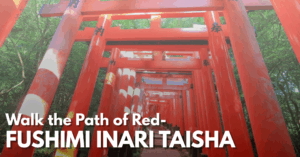
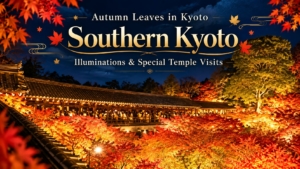
Rakunan is home to Fushimi Inari Taisha, known for the long rows of torii gates called the Senbon Torii, and to Byōdō-in, the temple pictured on Japan’s ten-yen coin. Uji is close by, so matcha sweets are easy to come by.
The area also takes in places tied to The Tale of Genji and to the closing years of the Edo period, such as the Teradaya inn and the Ryoma-dori shopping street, which makes it rewarding if you follow Japanese history closely.


Image source
https://ec.travel.jr-central.co.jp/tp/
The article below covers each spot in this area in detail.
Northern Kyoto (Rakuhoku): Cool Air and Mountain Temples
Rakuhoku is where you find Mount Kurama and the Kibune River. In summer, meals are served on platforms built out over the water.
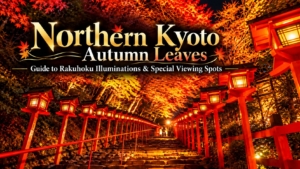
Kurama-dera, set deep among tall trees, and Kifune Shrine, where vermilion lanterns line the approach, are both known as spiritual sites.
It suits a longer stay of about a week, or a visit during the summer.


The article below covers each spot in this area in detail.