
Every year, countless visitors from Japan and abroad flock to Kyoto during the autumn foliage season.
According to the Japan Meteorological Agency, the peak viewing period for autumn leaves in Kyoto in 2025 is expected to be around November 17.
Because Kyoto stretches north to south, the northern areas typically begin to show vibrant colors from late October to mid-November, followed by the southern areas about a week later.
In other words, across the entire city, you can enjoy the autumn foliage from late October through early December.
Even after the leaves have fallen, you can still admire “floor momiji”—the stunning sight of fallen red leaves carpeting the ground—at many temples and gardens, meaning there are places where you can appreciate autumn beauty well into mid-December.
In this article, we introduce the best autumn foliage spots in southern Kyoto, including temples and shrines that offer limited-time special viewings during the season, as well as illumination events.
Along with famous sites such as Tō-ji and Tōfuku-ji—two of Kyoto’s most renowned autumn destinations—you’ll also find beautiful gardens and hidden local gems recommended by residents. Be sure to use this guide when planning your autumn visit.
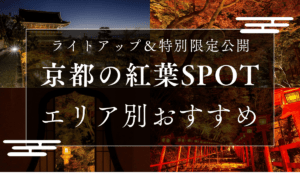
Features of the Southern Kyoto Area
In the southern Kyoto area, you’ll find the famous Fushimi Inari Taisha with its impressive rows of red torii gates known as the “Senbon Torii,” as well as the Byōdō-in Temple, featured on Japan’s 10-yen coin. Being close to Uji City, this region also offers a rich selection of matcha sweets and cafes.
Moreover, this area is closely tied to Japan’s history and culture — it’s home to sites related to The Tale of Genji and to the late Edo period, such as Teradaya and Ryoma Street Shopping District, known for their connection to samurai history.
Now, let’s take a look at the autumn foliage illumination events and limited-time special openings in this fascinating area!
Byōdō-in Phoenix Hall: A Heavenly Palace Floating in the Pure Land, Adorned in Autumn Colors
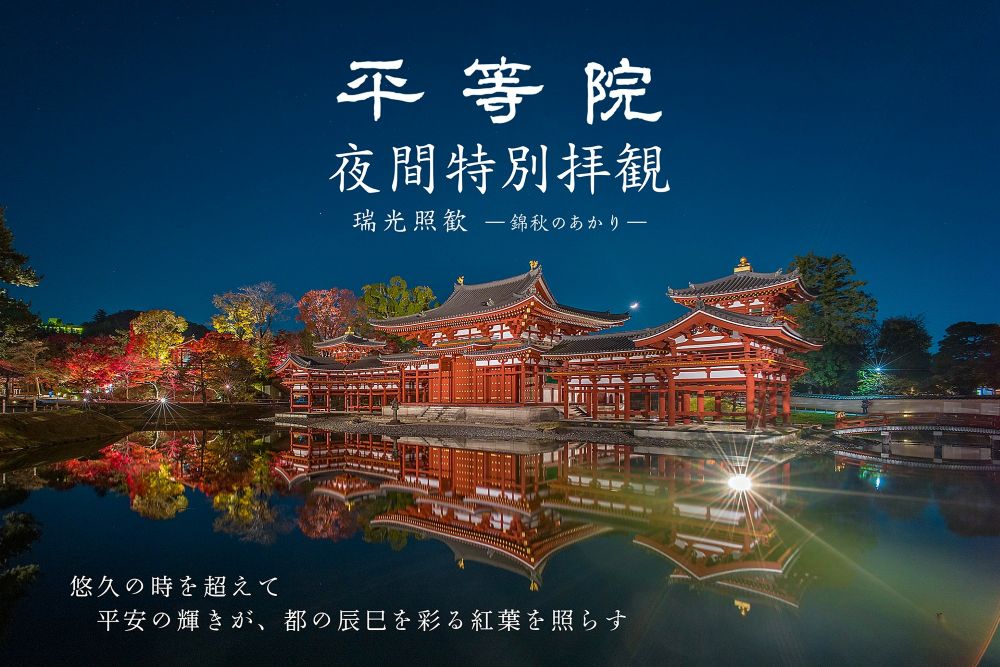
Byōdō-in Phoenix Hall was built in 1053 and beautifully reflects the elegant aristocratic culture of the Heian period.
It is an independent temple jointly managed by two institutions—Jōdoin of the Jōdo sect and Keishōin of the Tendai sect—and does not belong to any specific Buddhist school. The word “Byōdō” (meaning “equality”) in its name embodies the belief that the Buddha offers salvation equally to all beings.
The hall’s appearance, as if it were floating on the pond, evokes an image of a palace rising from the Pure Land Paradise.
During the special nighttime illumination, the Phoenix Hall and surrounding autumn leaves are lit up in a stunning, ethereal glow, recalling the splendor of the Heian era. It is a rare opportunity to witness the Phoenix Hall at night—a view that even those of its founding time never saw.
The Hōshōkan Museum, located within the temple grounds, is also open during the evening viewing hours. Designed to harmonize with Byōdō-in’s architecture, the museum features natural lighting and one of Japan’s largest glass display cases, allowing visitors to appreciate its exhibits iUsually open only during the day, the museum takes on a completely different atmosphere at night, allowing visitors to enjoy the exhibits in a dreamlike, enchanting space.
As the number of visitors is limited to 1,500 per day, advance reservations are recommended for those who wish to attend.n a serene and refined atmosphere.
During the nighttime, the museum—normally open only during the day—takes on an entirely different atmosphere, allowing visitors to enjoy the exhibits in a magical and dreamlike setting.
As the event is limited to 1,500 visitors per day, those interested are encouraged to make an advance reservation as soon as possible.
During the nighttime, the museum—normally open only during the day—takes on an entirely different atmosphere, allowing visitors to enjoy the exhibits in a magical and dreamlike setting.
As the event is limited to 1,500 visitors per day, those interested are encouraged to make an advance reservation as soon as possible.
| Zuikō Shōkan – Autumn Illumination of Splendid Colors Event Period: November 22 (Sat)–24 (Mon, national holiday), 29 (Sat), 30 (Sun), December 6 (Sat), and 7 (Sun), 2025 Time: 18:00–20:30 (last admission at 20:00) Location:Byōdō-in Phoenix Hall and Hōshōkan Museum 116 Uji Renge, Uji City, Kyoto Prefecture Admission Fee: Adults: ¥1,500 / Elementary & Junior High School Students: ¥1,000 Advance Reservation: Required (limited to 1,500 visitors per day) Details: Official Website Reservation Site: KKday Booking Page |
Tōfuku-ji Temple : The Famous Setting of “Yes, Kyoto!” Campaign
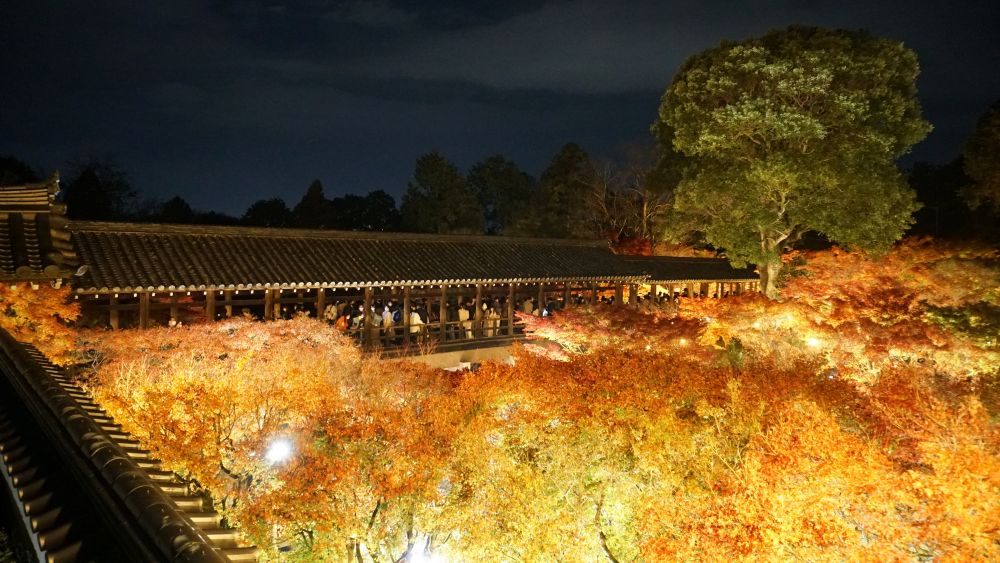
Since 2016, JR Central’s “Yes, Kyoto, Let’s Go” campaign has been inviting travelers to experience Kyoto’s timeless charm. The 2025 autumn edition shines a spotlight on Tōfuku-ji Temple, one of the city’s most celebrated spots for autumn foliage.
Tōfuku-ji is home to 25 sub-temples (tatchū)—smaller temples within the large complex—each with its own history, often built as retirement residences for abbots or as memorial temples for high-ranking monks. Many feature their own distinctive gardens, offering peaceful corners to explore.
Begin your visit with a stroll from Ga’un Bridge to Tsūten Bridge, and continue to the Hōjō Garden (Main Hall Garden). Around 2,000 maple trees transform the temple grounds into a vivid sea of red and gold each autumn. The panoramic view from Tsūten Bridge, overlooking the valley of fiery foliage, is particularly breathtaking.
As one of Kyoto’s most popular autumn destinations, Tōfuku-ji can become quite crowded. For a quieter experience, visit early in the morning or attend the special evening illumination events. The night views, with the temple grounds softly lit and the maple leaves glowing against the dark sky, create an atmosphere of awe and tranquility.
Don’t miss the limited-edition goshuin (temple stamp) featuring a collaborative design between Tōfuku-ji and “Yes, Kyoto, Let’s Go”. Adorned with autumn colors, this exclusive seal is a must-have for collectors.

| Exclusive Early Morning Private Viewing Period: November 15 (Sat) – December 7 (Sun), 2025 Time: 7:30–8:30 (last admission at 8:00) Location: Tōfuku-ji Temple (15-778 Honmachi, Higashiyama-ku, Kyoto) Admission Fee: Adults ¥1,500 / Elementary & Junior High School Students ¥1,000 Advance Reservation: Required (limited to 1,500 visitors per day) Details & Reservations |
| Exclusive Nighttime Private Viewing Event Period: November 15 (Sat) – December 7 (Sun), 2025 Time: 6:00 p.m. – 8:30 p.m. (last entry at 8:00 p.m.) Location: Tōfuku-ji Temple (15-778 Honmachi, Higashiyama-ku, Kyoto) Admission: Adults ¥1,500 / Elementary & junior high school students ¥1,000 Advance Reservation: Required (limited to 1,500 visitors per day) Details & Reservations |
| Original “Souda Kyoto, Ikō.” Limited-Edition Goshuin at Tōfuku-ji Temple Period: October 1 (Wed) – December 27 (Sat), 2025 Fee: ¥1,800 Included: Admission to Tōfuku-ji Temple Details & Reservations |
Tōfuku-ji Tentoku-in: The Temple of Bellflowers Transforms in Autumn with Stunning Foliage and Moss
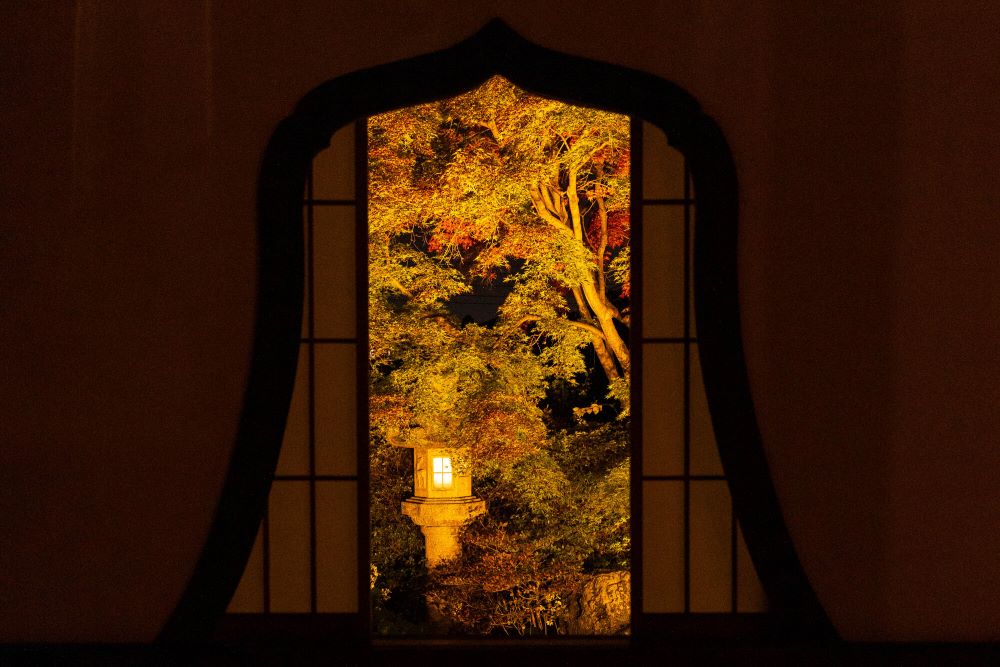
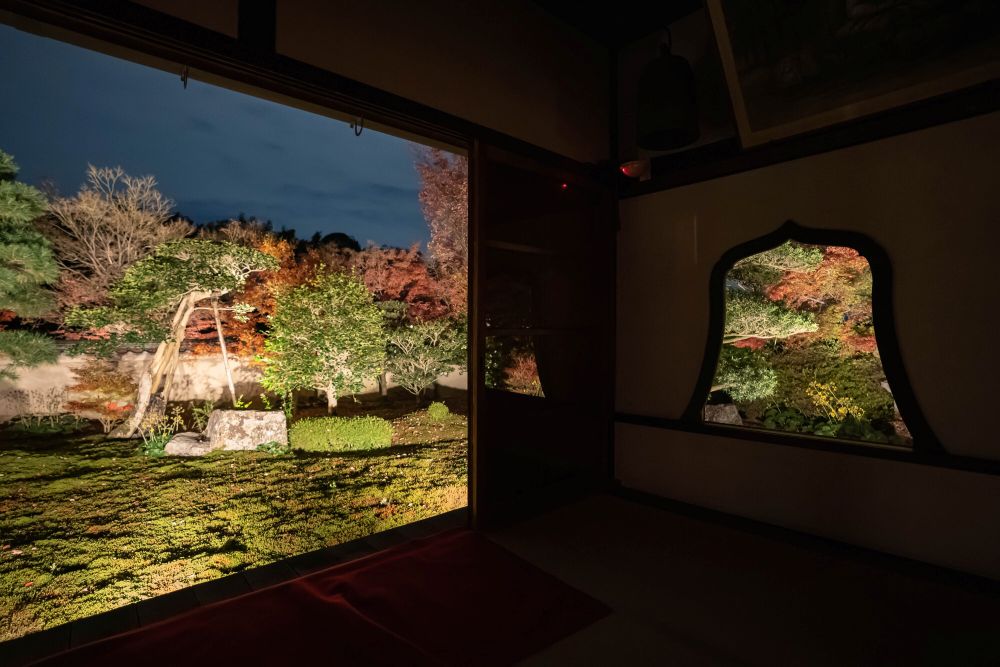
Tentoku-in is one of the five sub-temples (tatchū) of Tōfuku-ji, founded by the temple’s head priest, Mumuu Isei.
It is renowned for its beautiful karesansui (dry landscape) garden and is affectionately known as the “Temple of Bellflowers,” as around 300 kikyo (Japanese bellflowers) bloom in early summer, creating a stunning scene.
Although usually closed to the public, the temple opens for limited periods twice a year—during the summer bellflower season and the autumn foliage season—drawing many visitors who eagerly await these special openings. The vivid contrast between the green cedar moss and the fiery autumn leaves is particularly breathtaking.
During the special autumn viewing period, the gates open from 9:00 a.m., allowing guests to enjoy the colorful garden while savoring lunch or matcha tea.
In the evening illumination, the temple transforms into a dreamlike world, where the glowing autumn leaves against the darkness create a deeply soothing atmosphere.
| Special Viewing to Appreciate Autumn Leaves Period: November 15 (Sat) – December 7 (Sun), 2025 (Temple grounds illumination until November 30) Hours: 9:00 a.m. – 8:30 p.m. (last admission at 8:00 p.m.) Illumination from 4:00 p.m. On December 1 (Sun), open 9:00 a.m. – 4:00 p.m. (closes at 4:30 p.m.) Location: Tentoku-in Temple, Tōfuku-ji (15-802 Honmachi, Higashiyama-ku, Kyoto) Admission: Adults: ¥600 Elementary & Junior High School Students: ¥300 Preschool children: Free Details: https://tentokuin.jp/event/1544 |
Kōmyō-in Temple, Tōfuku-ji: A Hidden Autumn Foliage Spot Showcasing the Spirit of Modern Garden Design
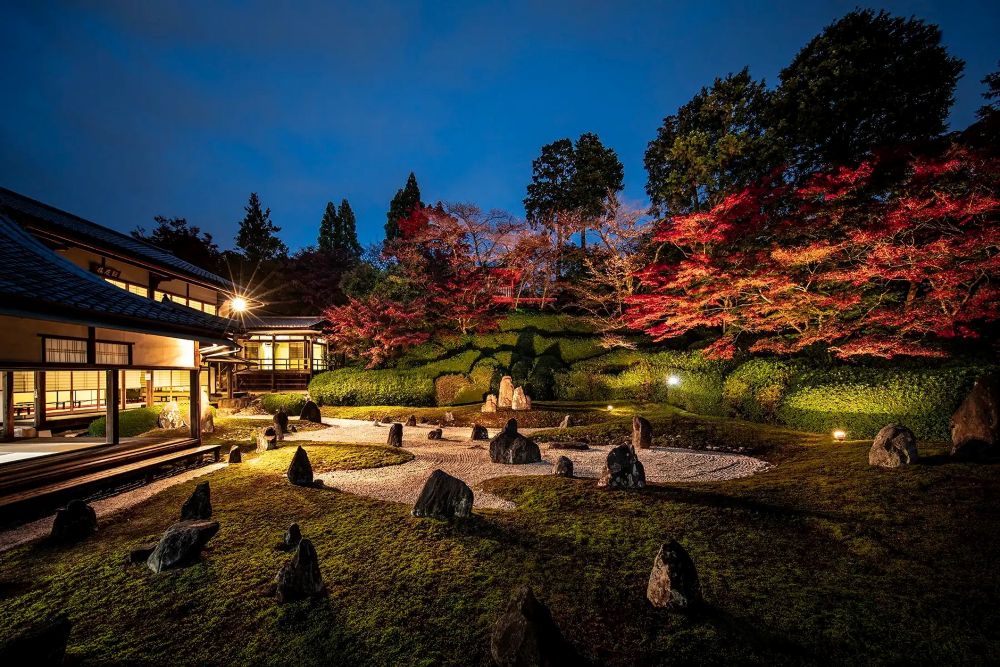
Kōmyō-in, one of the sub-temples of Tōfuku-ji, is renowned for its garden Hashin-tei (“Garden of the Wavering Heart”), created by modern landscape master Shigemori Mirei during the Shōwa era.
Unlike the main garden at Tōfuku-ji’s abbot’s quarters, designed around the same time, this garden incorporates the natural flow of wind and rain into its composition, expressing the dynamic life of nature itself.
In autumn, the contrast between the white sand, green moss, and vivid crimson foliage creates a breathtaking scene that has earned Kōmyō-in the nickname “Temple of the Rainbow Moss.”
During this season, Hashin-tei is illuminated at night, revealing a different kind of beauty from its daytime appearance.
Within the temple grounds also stands the charming tea house Ragetsu-an, whose windows, walls, and shōji screens are decorated with depictions of the moon—designed so that from outside, they appear as floating moons glowing softly in the night.Kōmyō-in’s Hashin-tei is often recommended by local taxi drivers as one of Kyoto’s most beautiful hidden gardens.
It is a must-visit for anyone interested in modern Japanese garden design or the quiet harmony of nature and art.
| Exclusive Nighttime Viewing / Private Evening Admission Dates: November 28 (Fri) – November 30 (Sun), 2025 Time: 5:30 PM – 7:30 PM (last admission 7:00 PM) Location: Kōmyō-in Temple, Tōfuku-ji (15-809 Honmachi, Higashiyama-ku, Kyoto) Admission: Adults ¥1,800 Advance Reservation: Required Details & Reservations |
Tō-ji Temple: A quintessential Kyoto destination where autumn leaves evoke the mystical world of Esoteric Buddhism
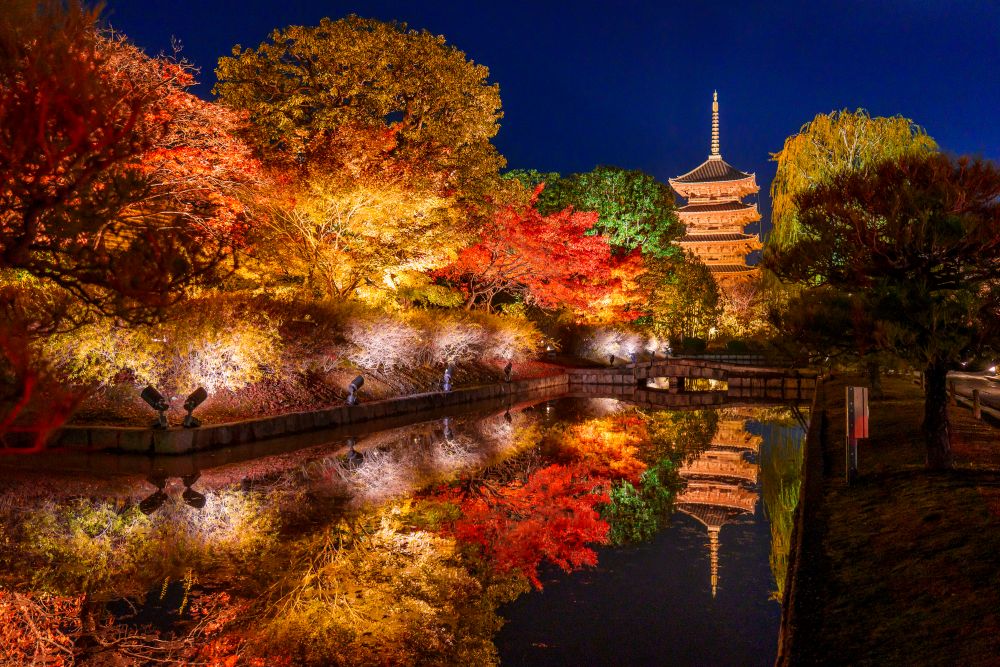
Tō-ji Temple, founded about 1,200 years ago, is Japan’s first temple dedicated to Esoteric Buddhism.
Highlights include the Lecture Hall, which enshrines Dainichi Nyorai (the Cosmic Buddha) along with a three-dimensional mandala of Buddhist deities, and the Five-Storied Pagoda — the tallest wooden structure in Japan.
In autumn, the entire temple grounds are wrapped in a blaze of crimson foliage, creating a mystical atmosphere when illuminated at night. The profound spirituality and solemn beauty of Esoteric Buddhism are truly awe-inspiring. Early autumn, when green leaves mingle with the first reds, offers a particularly vivid contrast.
Many areas of Tō-ji are specially opened to the public in autumn. Among the most recommended are the “Special Viewing of the First Level of the National Treasure Five-Storied Pagoda” and the “Step into the World of the Three-Dimensional Mandala.”
During the special viewing of the pagoda, visitors can enter the normally closed first level and experience an atmosphere that feels distinctly sacred, different from its imposing exterior.
Meanwhile, the “Three-Dimensional Mandala” represents the teachings of Esoteric Buddhism in tangible form. Within this space, the dignified figure of Dainichi Nyorai—the principal deity of Esoteric Buddhism—is surrounded by the Five Wisdom Kings led by Fudō Myōō, as well as the Four Heavenly Kings, each radiating strength and solemnity.
Take time to appreciate their expressions, colors, and forms, and feel the depth of faith that has been passed down through centuries.
| Special Opening of the First Level of the National Treasure Five-Story Pagoda Period: October 25 (Sat) – December 14 (Sun), 2025 Hours: 8:00 a.m. – 5:00 p.m. (last entry at 4:30 p.m.) Location: Five-Story Pagoda, Tō-ji Temple (1 Kujō-chō, Minami-ku, Kyoto) Admission: Adults ¥800 / High school students ¥700 / Junior high school students and younger ¥500 (Includes entry to the first level of the Five-Story Pagoda, Kondō Hall, and Kōdō Lecture Hall) Details |
| Enter the World of the Three-Dimensional Mandala Period: October 25 (Sat) – December 14 (Sun), 2025 Hours: 8:00 a.m. – 5:00 p.m. (last admission 4:30 p.m.) Venue: Tō-ji Temple Lecture Hall (1 Kujō-chō, Minami-ku, Kyoto) Admission: Adults ¥800 / High school students ¥700 / Junior high school students and younger ¥500 (Admission includes entry to the First Story of the Five-storied Pagoda, Kondō Hall, and Lecture Hall) Details |
| Autumn Foliage Illumination & Special Nighttime Viewing of the Kondō and Kōdō Period: November 1 (Sat) – December 14 (Sun), 2025 Hours: 8:00 AM – 5:00 PM (Last admission 4:30 PM) Location: Tō-ji Temple (1 Kujōchō, Minami-ku, Kyoto) Admission: Adults ¥1,000 / Students (Junior high and under) ¥500 Details |
Daigo-ji Temple: The Maple Viewing Spot Toyotomi Hideyoshi Never Reached
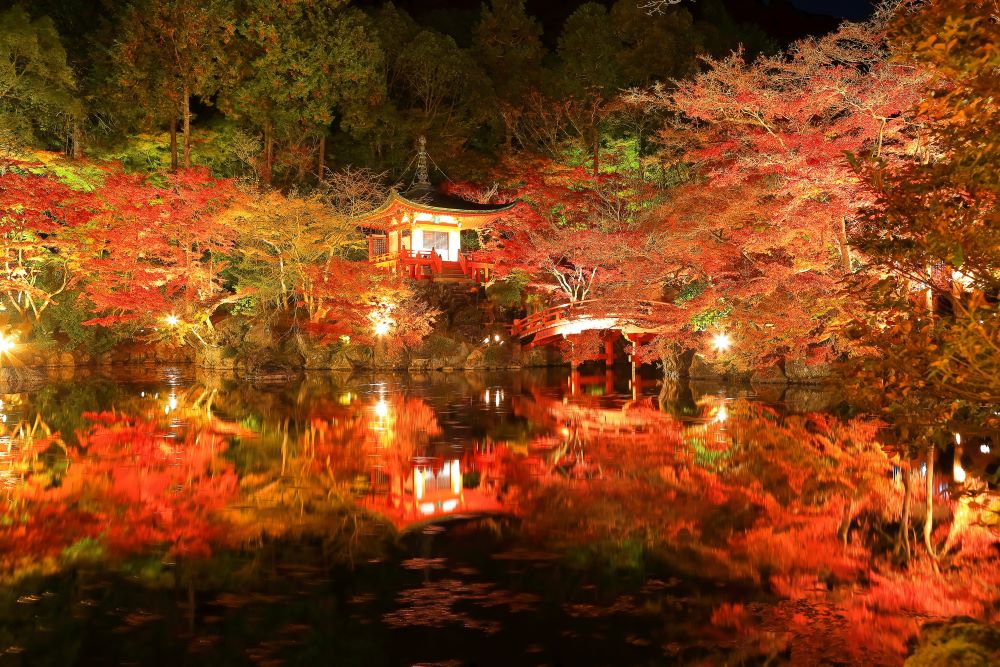
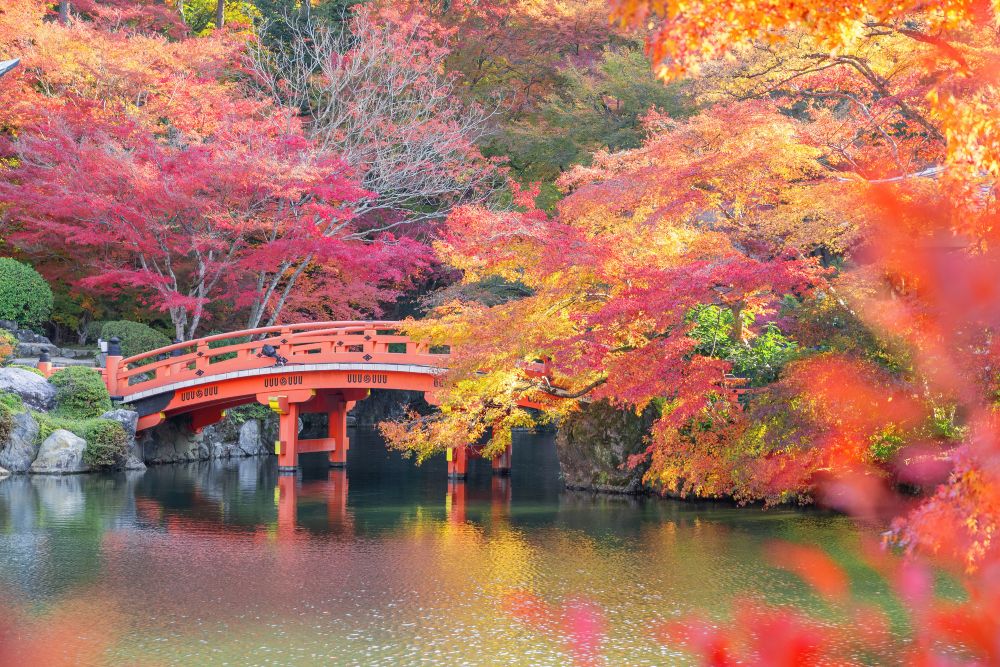
Daigo-ji Temple, a UNESCO World Heritage Site, spans an impressive 2 million tsubo (approximately 6.6 million square meters) and consists of two areas: Upper Daigo and Lower Daigo. Within its vast grounds stand many cultural treasures, including the Kon-dō (Main Hall) and the Yakushi-dō Hall—both National Treasures—as well as Japan’s oldest surviving wooden structure, the Five-storied Pagoda.
Daigo-ji is also known as the “maple-viewing site that Toyotomi Hideyoshi never lived to see.” After hosting a grand cherry blossom-viewing event at Daigo-ji in spring, Hideyoshi had looked forward to returning to enjoy the autumn foliage. However, he passed away that summer at the age of 62, leaving his autumn dream unfulfilled.
Among the many scenic spots within Daigo-ji, the area around the Kannon-dō Hall and its pond is particularly stunning in autumn. The fiery maple leaves reflected on the still water create a breathtaking scene. During the evening illumination, the Kon-dō and Karamon Gate are beautifully lit, enveloping the temple grounds in an awe-inspiring atmosphere. As you stroll through the temple, imagine what it might have been like if Hideyoshi himself had witnessed the splendor of Daigo-ji’s autumn colors.
| Autumn Nighttime Special Viewing Period: November 22 (Sat) – December 7 (Sun), 2025 Time: 18:00–20:50 (last admission at 20:10) Location: Daigo-ji Temple (22 Daigo Higashioji-chō, Fushimi-ku, Kyoto) Admission: Adults ¥1,300 / Free for junior high school students and younger Details |
Useful Tips for Enjoying Autumn Foliage in Kyoto!
From November onward, when Kyoto enters its autumn foliage season, the temperature difference between day and night becomes quite large.
Therefore, it’s a good idea to bring a jacket or outer layer that’s easy to put on and take off.
Since many areas of Kyoto feature slopes and gravel paths, comfortable walking shoes—such as sneakers—are essential.
The Rakunan (Southern Kyoto) area introduced here is especially popular, as it offers easy access from Kyoto Station and is home to many cafés where you can enjoy matcha sweets.
To avoid crowds, it’s best to visit early in the morning during the day or later in the evening if you plan to see the light-up events.
Conclution
This time, we’ve selected some of the best autumn foliage spots in southern Kyoto — the Rakunan area — where you can enjoy special nighttime illuminations and limited seasonal openings!
Famous temples such as Byōdō-in Hōō-dō, Tō-ji, and Daigo-ji will be beautifully lit up, offering a completely different atmosphere from their daytime appearances — a true insider’s way to experience Kyoto.
Many temples also open their doors for special autumn exhibitions, revealing treasured artifacts and cultural properties that are usually closed to the public — a rare opportunity not to be missed.If you’re interested in Japanese religion, Kyoto’s traditions, or its rich history, these events are especially rewarding.
Be sure to visit and experience the magic of autumn in Kyoto!