After dark, the area around Amanohashidate Station tends to grow quiet, and few restaurants stay open.
Travelers who spend about two hours getting here from Kyoto Station have had limited options for dinner.
310 amanohashidate opened to change that, giving visitors a place to enjoy the area’s ingredients in the evening.
Today it receives reservations from guests near and far and is known as one of the most popular restaurants in the Amanohashidate area.
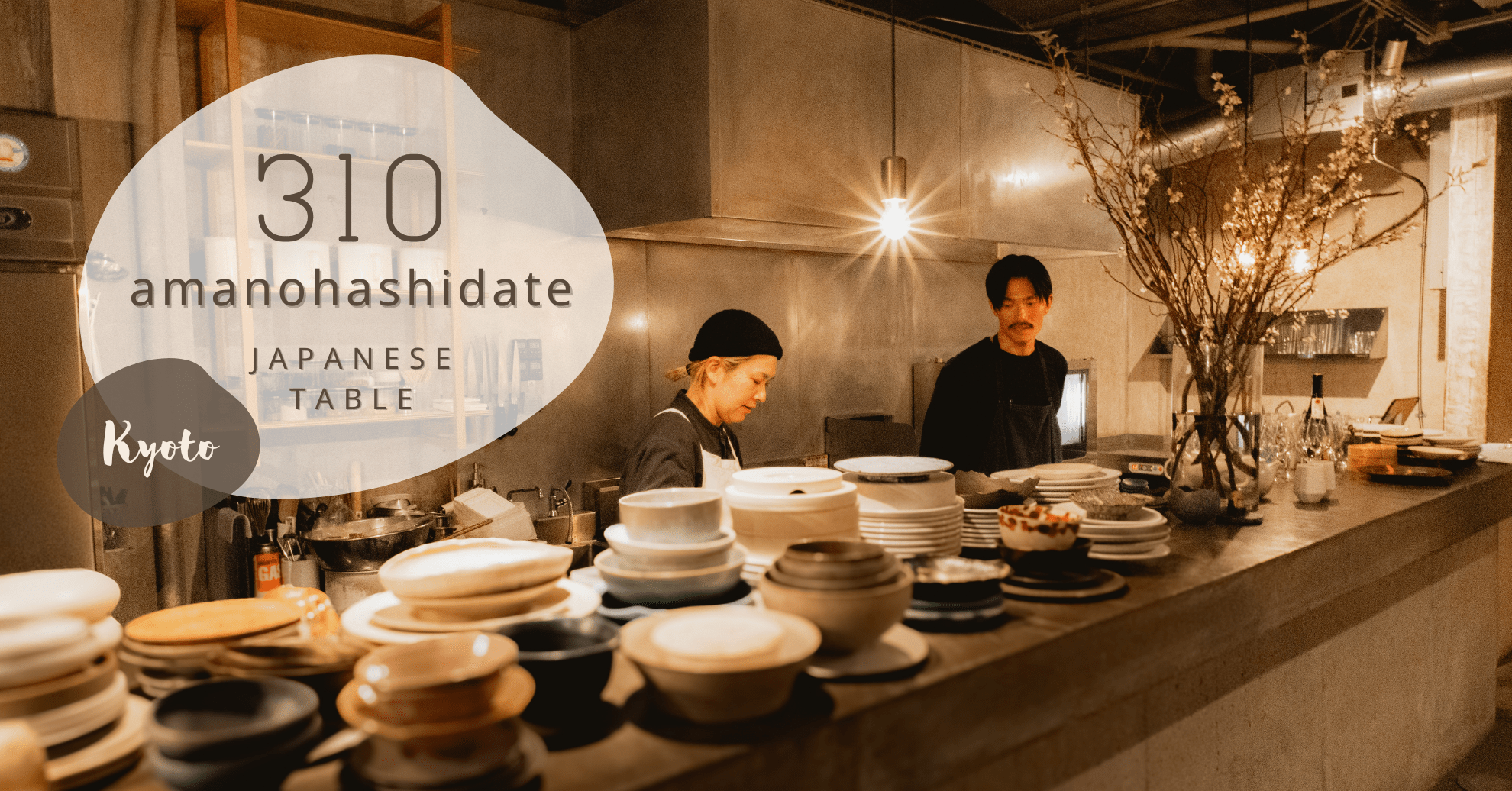
This article introduces the owners, Takashi and Yuki Kurata, along with the restaurant, its menu, and the ingredients of the Tango region they cook with.
It is a useful guide for anyone looking for a stylish place to eat local food during a stay in Amanohashidate.
A Refined Interior That Sets the Mood for the Evening
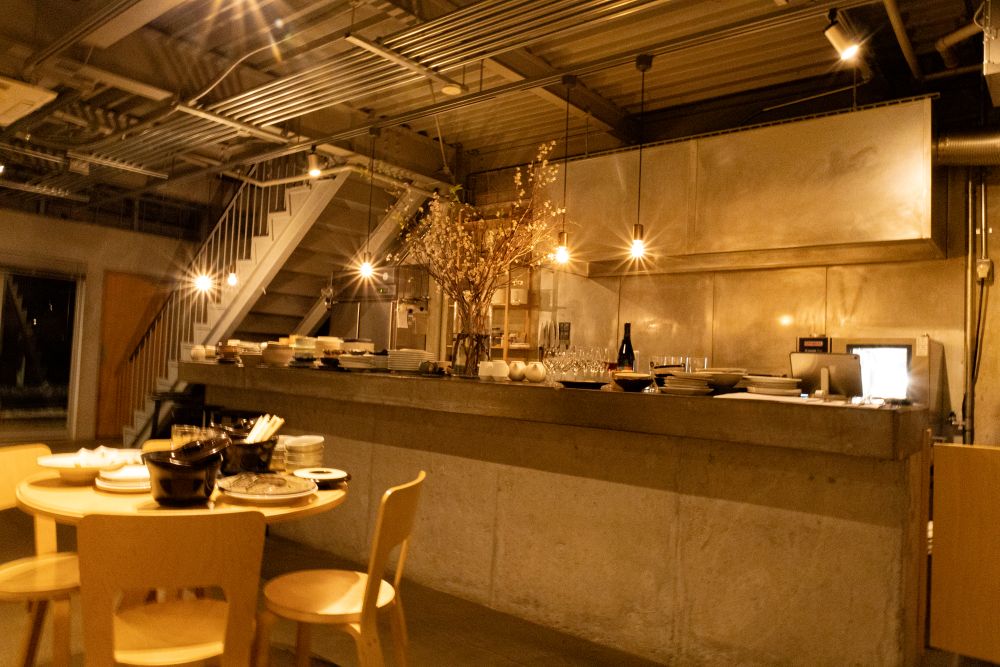
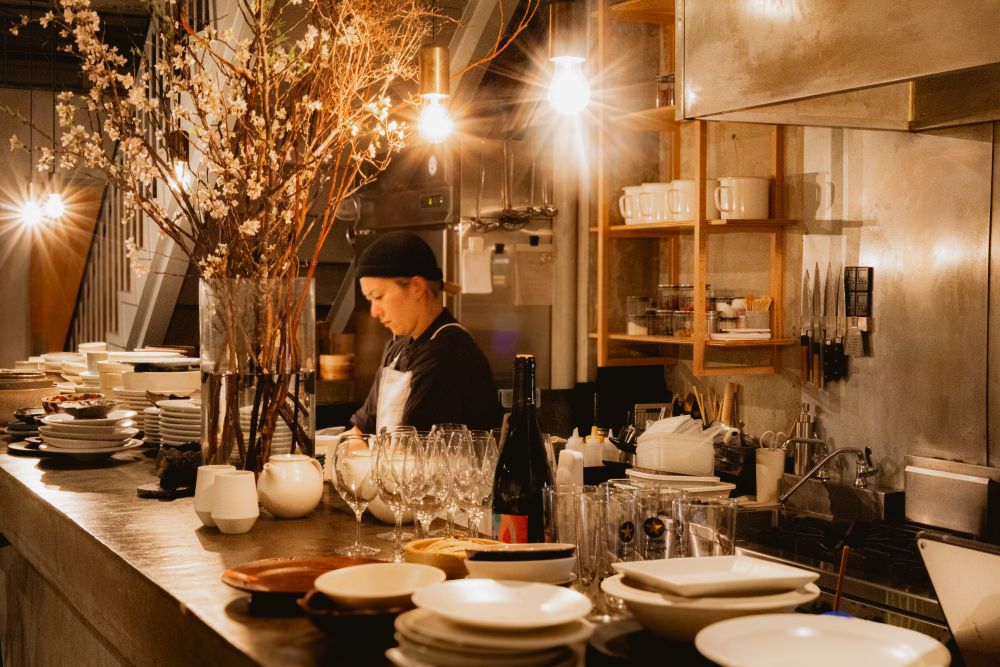
The restaurant looks like a gallery from the outside. Inside, bare concrete walls surround matching tables and chairs, and a counter is lined with carefully chosen dishes.
Takashi and Yuki welcome guests from behind the counter.
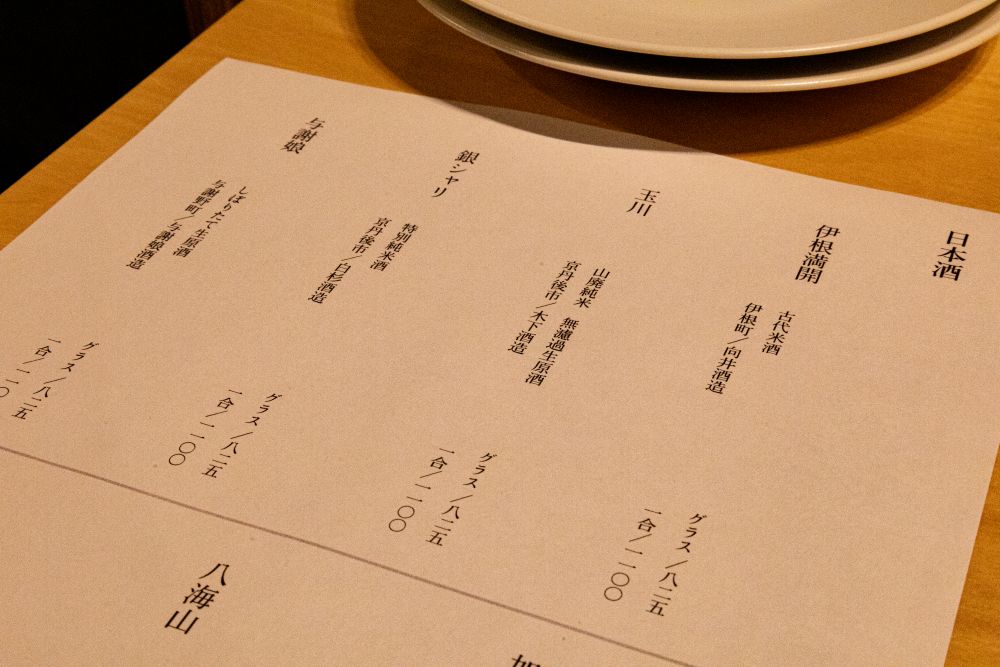
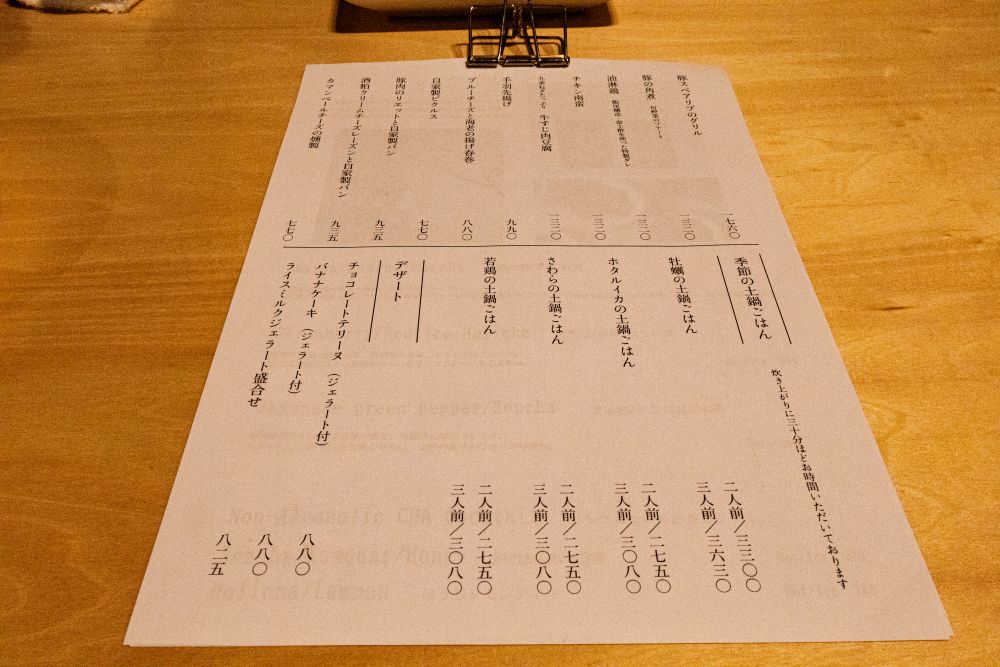
The drink menu features sake from the Tango region, including Ine Mankai from Mukai Shuzo and Yosa Musume from Yosano Shuzo.
There is also a wide range of soft drinks, including teas such as kumquat honey sencha.
One standout on the food menu is yurinchi (fried chicken) with a special sauce made with Fujisu vinegar from Iio Jozo.
Fujisu is a popular vinegar known for its rich flavor, which comes from the generous amount of rice used to make it.
Other dishes include sake lees cream cheese with raisins and homemade bread, beef tendon tofu with plenty of Kujo green onions, and bigfin reef squid and pork shumai.
Takashi’s recommendations include the assorted sashimi, oyster rice cooked in a clay pot, and 310’s special potato salad with a soft-boiled egg.
The dishes below focus on seasonings and ingredients unique to Tango.
Firefly Squid and Rapeseed Blossoms as a Starter
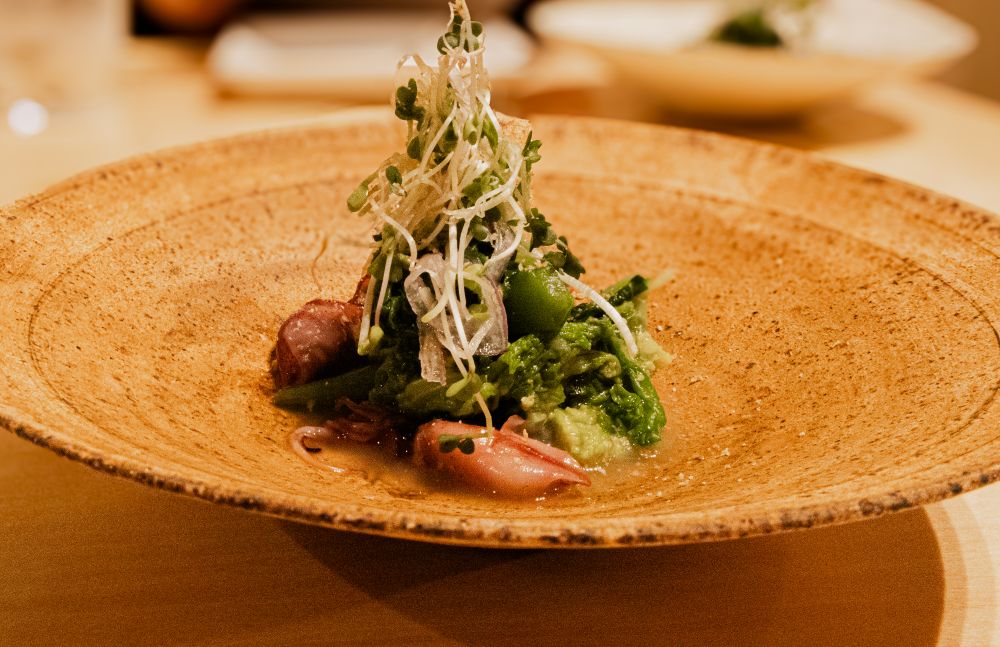
The Tango region is rich in food from both the sea and the mountains.
The starter, firefly squid dressed with rapeseed blossoms, is well balanced. The squid is plump and firm, and the blossoms have only a mild bitterness.
The couple knows most of their producers personally, including those who supply this squid and the vegetables, which helps them serve ingredients at their freshest.
Sake Lees Cream Cheese with Raisins and Homemade Bread
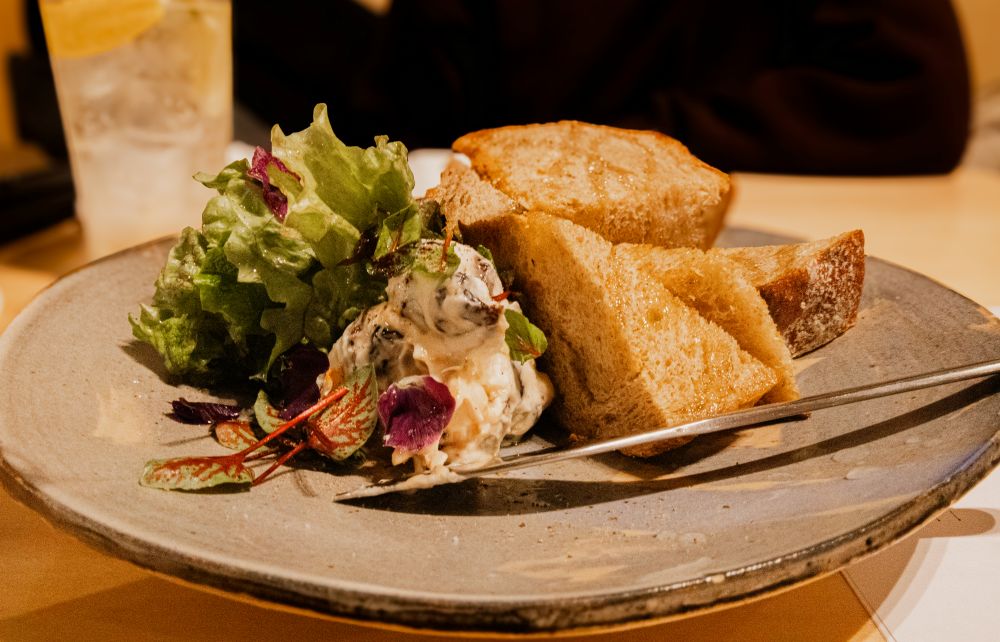
The sake lees cream cheese with raisins has a gentle sake aroma and a rich yet delicate flavor. The homemade bread is fluffy inside, slightly crisp outside, and pleasantly toasty.
Takashi’s mother and sister run JouJou coffee and bread, a shop that sells bread and sweets, introduced later in this article.
Steamed Vegetables with Heshiko Bagna Cauda Sauce
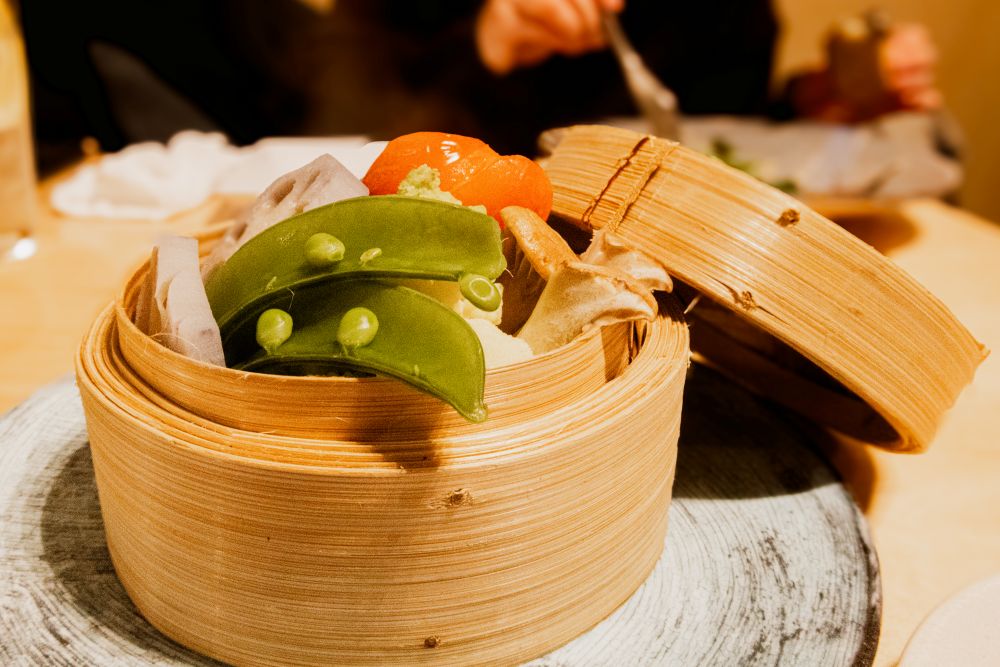
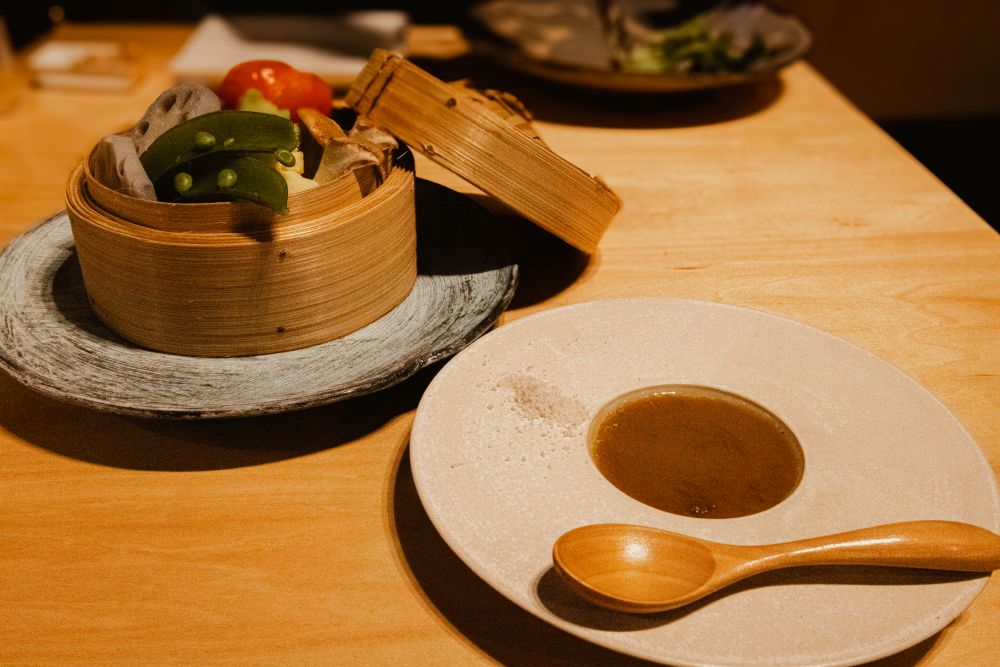
Heshiko is a local specialty of Miyazu made by curing mackerel or other oily fish in salt and rice bran. The method developed as a way to preserve fish that spoil quickly.
Its firm saltiness and savory fish flavor make it a popular accompaniment to rice, and many local people have eaten it since childhood.
The heshiko bagna cauda works much like an anchovy sauce.
Served with sweet potatoes, carrots, tomatoes, and other vegetables, it adds a light mackerel aroma that brings out their flavor.
Steaming also concentrates the sweetness and savory flavor of the cherry tomatoes.
Yurinchi with a Special Fujisu Vinegar Sauce
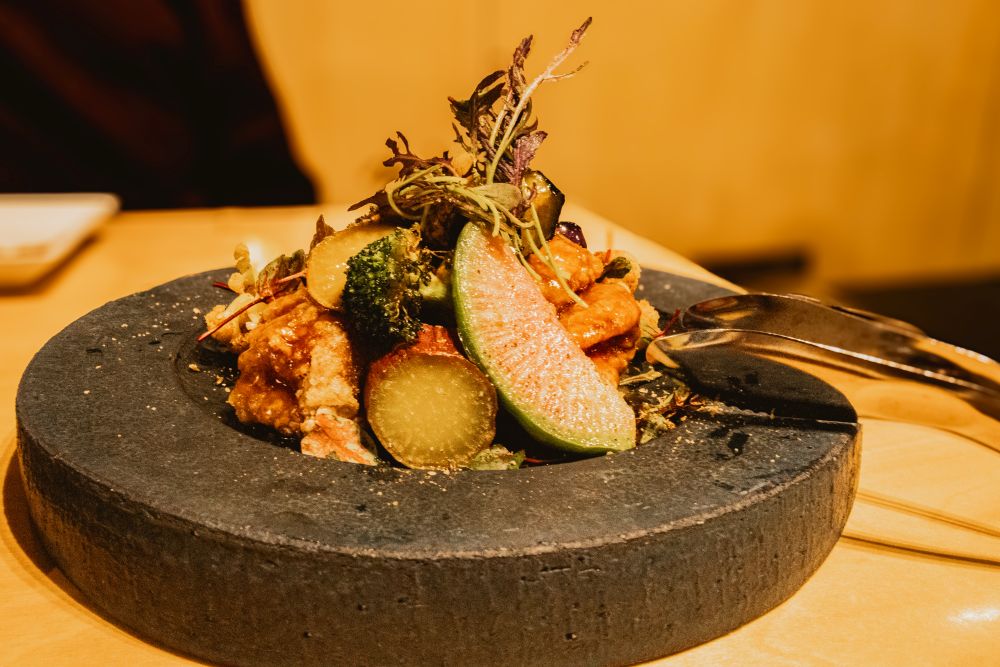
Yurinchi is one of the main dishes.
It also comes with plenty of vegetables.
The seasoning is full-bodied without overpowering the ingredients, and it pairs well with both rice and sake.
Reserved tables are often set with a wide spread of dishes.
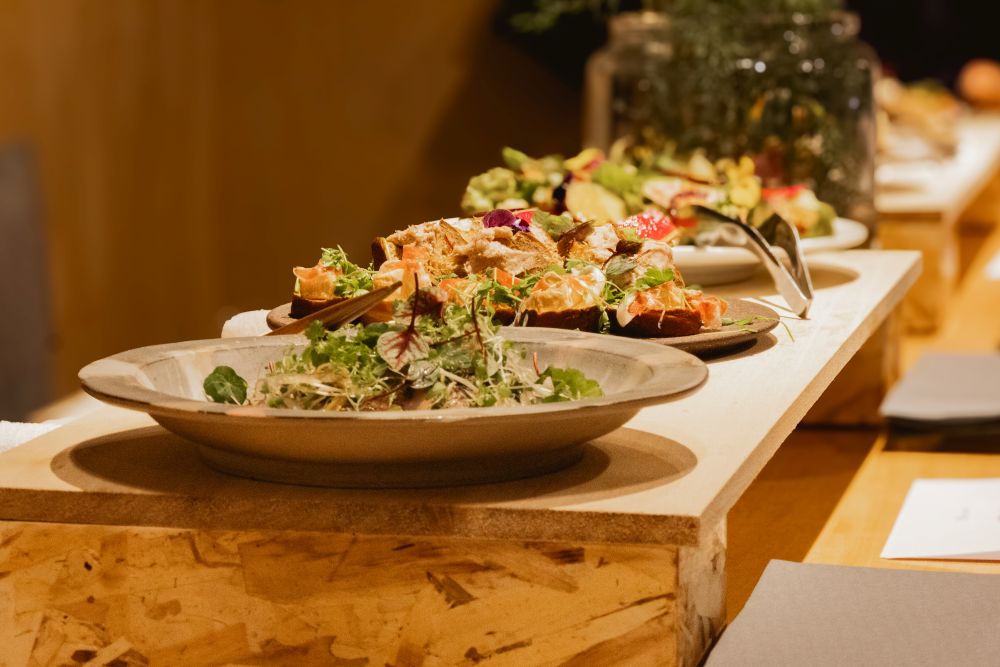
Colorful arrangements of fresh vegetables give these plates a vibrant look.
All of the cooking is handled by Yuki, who prepares à la carte orders and reserved meals at the same time.
Oyster Rice Cooked in a Clay Pot
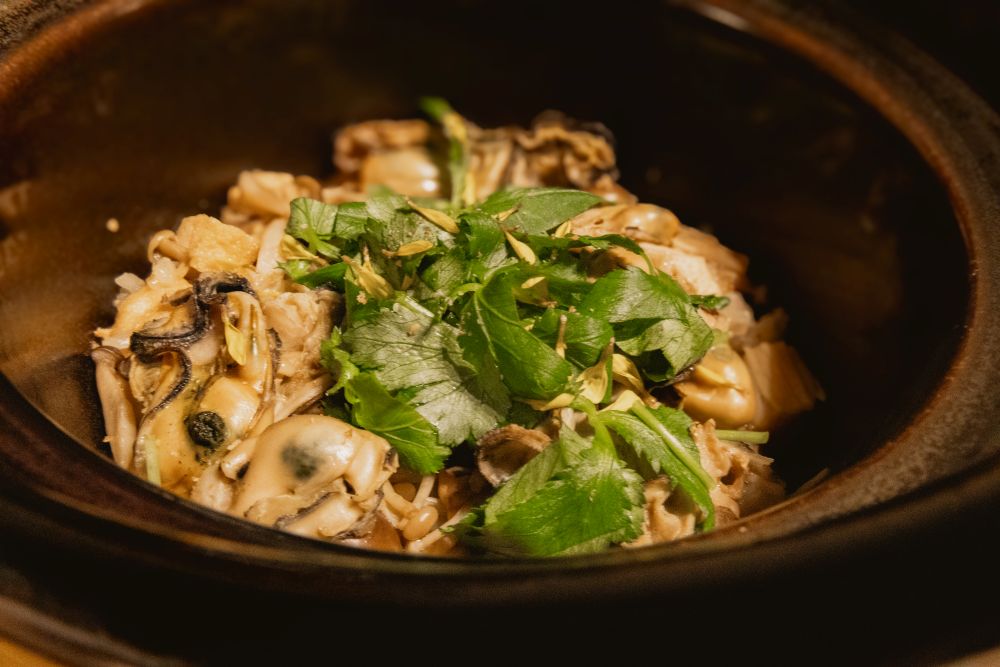
In the oyster rice cooked in a clay pot, small oysters are balanced with the rice, and each one holds the aroma and savory flavor of the sea.
The gently seasoned rice absorbs the flavor of the oysters, with no strong fishy taste.
kometote Rice Milk Gelato Made with Tango Rice
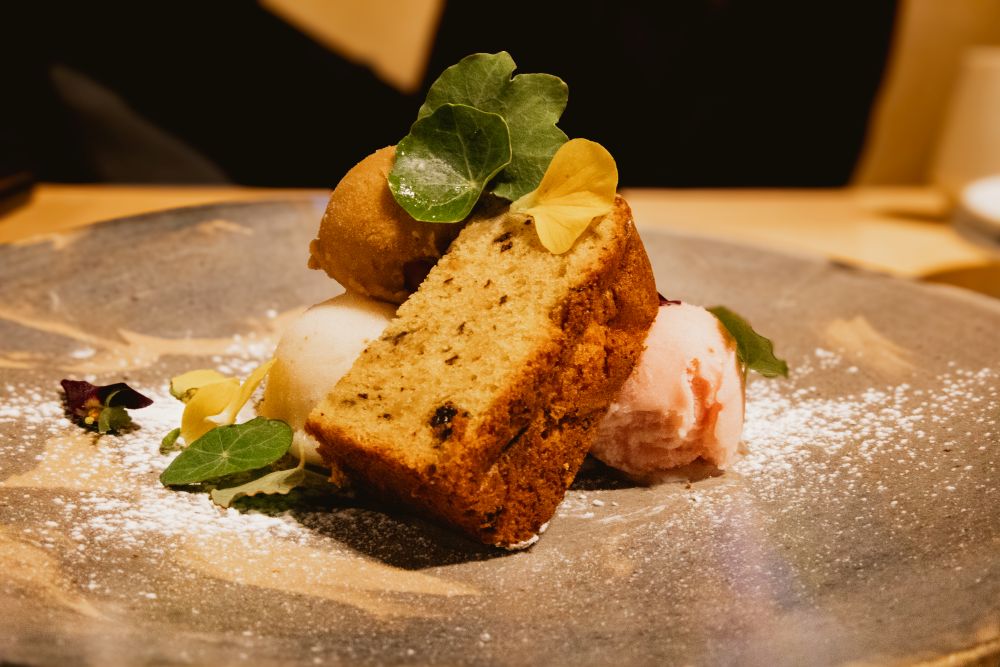
For dessert, the menu offers an assorted rice milk gelato.
On this visit, the restaurant also accommodated a request for several flavors in smaller portions.
The gelato is rice milk gelato from kometote, made with Tango rice. The standard Shiro flavor has the gentle taste of rice and rice koji.
The hojicha gelato uses roasted green tea from tea fields in Kyotango and has a mellow flavor with little bitterness or astringency. The popular strawberry flavor balances sweetness and acidity, and the gelato melts nicely into the pound cake served alongside it.
Takashi and Yuki Kurata
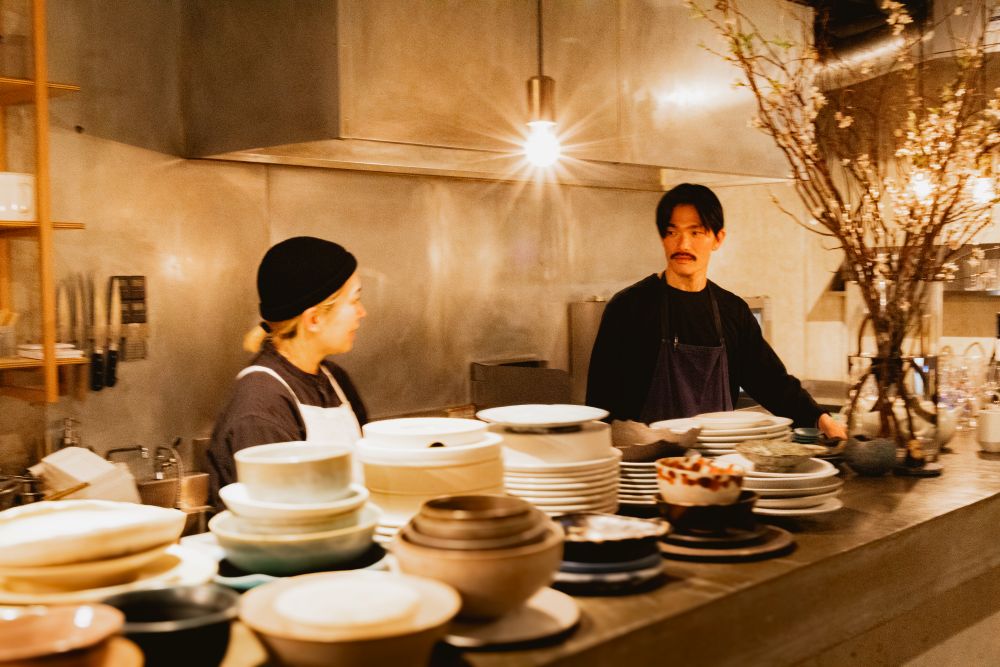
On the evening of this visit, the guests included a local company gathering, travelers from overseas, and a well-known YouTube personality.
310 amanohashidate has become a place where locals and visitors share the same room.
According to the couple, guests are now about half local residents and half travelers, and they find the fresh perspective visitors bring inspiring.
They say that seeing hungry guests leave satisfied after a long journey to Amanohashidate is what makes running the restaurant worthwhile.
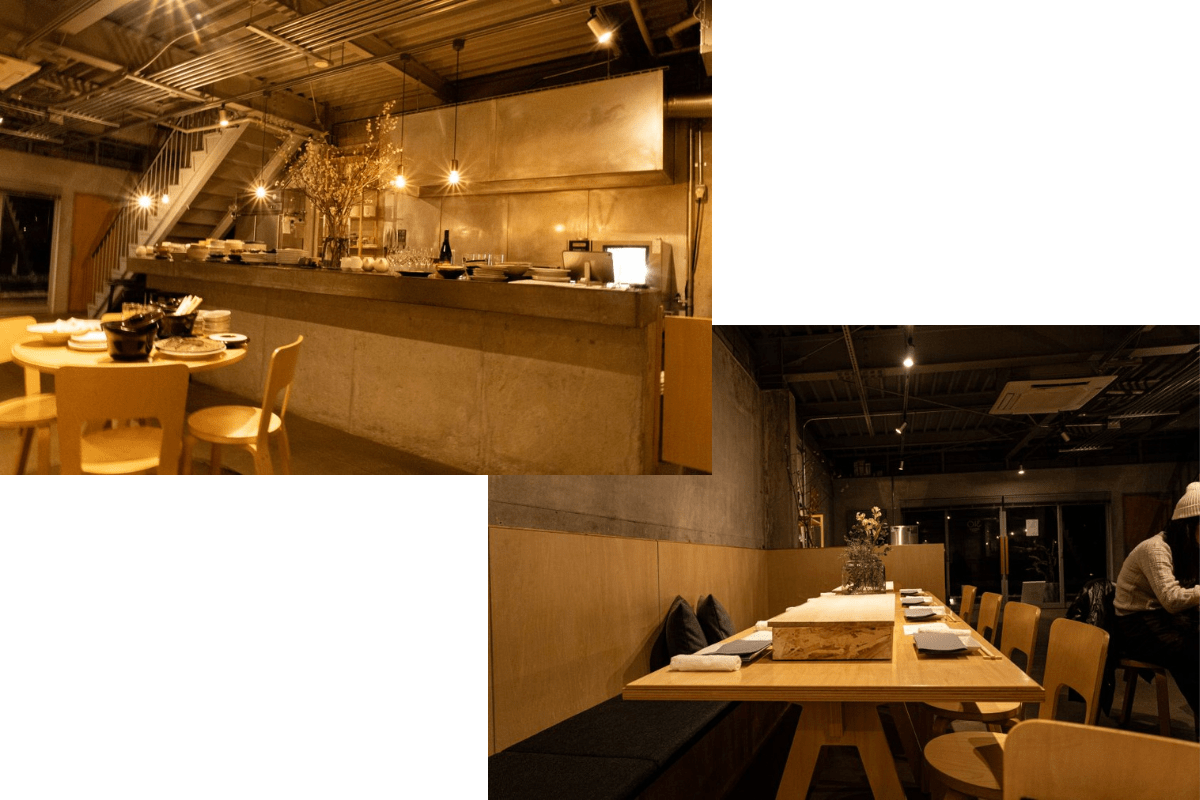
The refined interior was planned by Takashi, who was born and raised in Miyazu.
Japanese restaurants and izakaya are often associated with tatami floors, sunken tables, noren curtains, and paper lanterns. Takashi left all of these out, designing the space with unexpected interior elements and tableware instead.
The result is a stylish, carefully considered balance of Japanese and Western elements.
At the same time, the atmosphere is relaxed and easy to walk into.
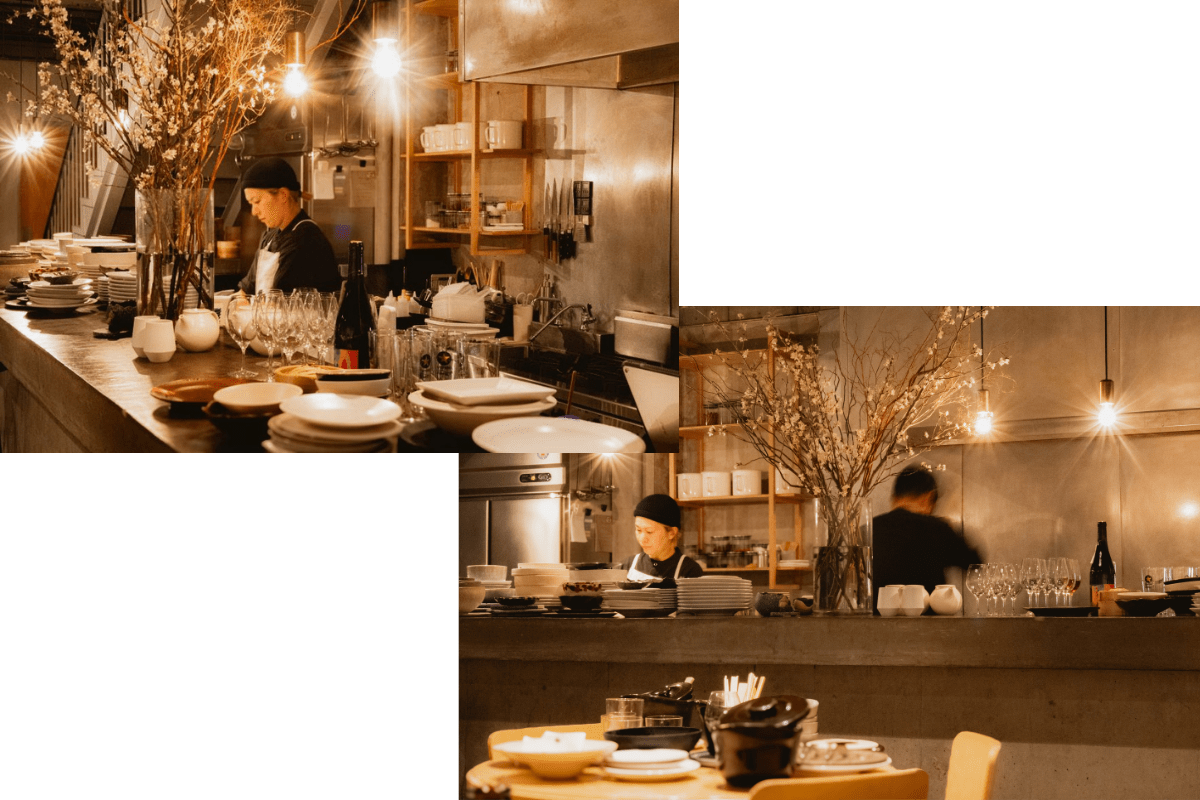
Yuki, who handles the cooking, comes from Niigata Prefecture, a region blessed with rice, vegetables, and fresh fish.
She learned to cook as a child from her grandmother, a skilled home cook, and came to love the way food enriches daily life. Among her favorite childhood dishes are noppe, a Niigata vegetable stew, and salmon roe rice bowls.
After honing her skills at Japanese restaurants, cafes, and other establishments in Kyoto, she encountered the abundant ingredients of Miyazu and decided to explore what her cooking could do here.
Her belief that food enriches daily life also reflects a sense of gratitude for ingredients.
The name 310 comes from Yuki’s maiden name, Sato, which can be read as the numbers 3 (sa), 10 (to). Placing her roots in the name expresses her wish to keep exploring the possibilities of cooking.
Tango’s Local Ingredients
For the couple, the greatest appeal of Tango ingredients is simple: they are fresh and full of flavor.
The region offers organic vegetables, freshly caught seafood, and many sake breweries and vinegar makers with distinctive personalities.
Seafood landed in Tango throughout the year includes bigfin reef squid, oysters, crab, yellowtail, guji (tilefish), and torigai (egg cockles).
The clean water flowing down from the mountains also supports many sake breweries.
That water and the region’s temperature swings produce excellent rice as well. The specially cultivated rice Tsuyakko has fans who travel from outside the prefecture to buy it.
310 amanohashidate is a casual place to enjoy these Tango ingredients with a drink.
Planning a Visit to 310 amanohashidate
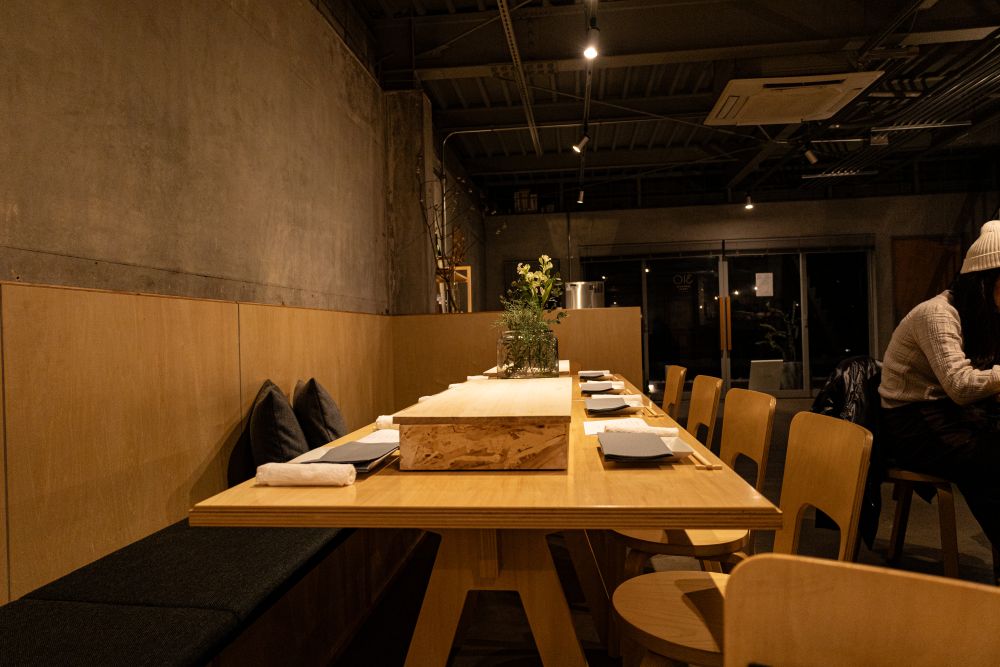
A meal here showcases the flavor of Tango’s ingredients, along with Yuki’s dedication to cooking and Takashi’s affection for the region.
Each dish is carefully prepared and suited to an unhurried meal.
The restaurant pairs a stylish setting with fresh vegetables and seafood from the surrounding area.
The couple’s friendly, approachable manner is another reason guests return and recommend the restaurant to others.
The restaurant is also increasingly used by larger groups, including local gatherings, company year-end and New Year parties, and private bookings by traveling groups.
A menu in English is available.
With advance notice, the restaurant can accommodate food allergies and provide vegetarian dishes.
The restaurant is a 3-minute walk from Amanohashidate Station and fills up quickly, so an advance reservation is recommended.
Reservations are accepted by Instagram DM or phone.
JouJou coffee and bread
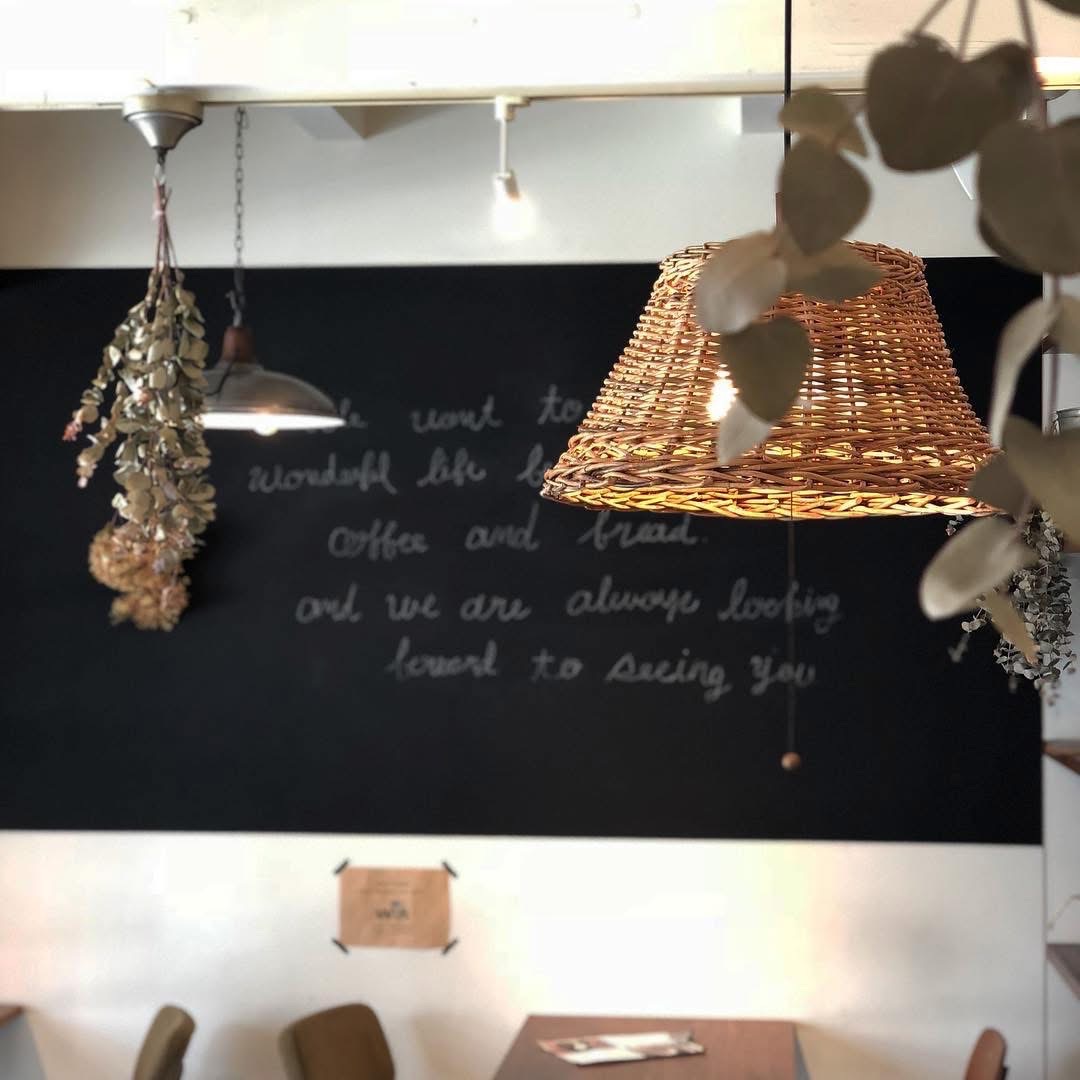
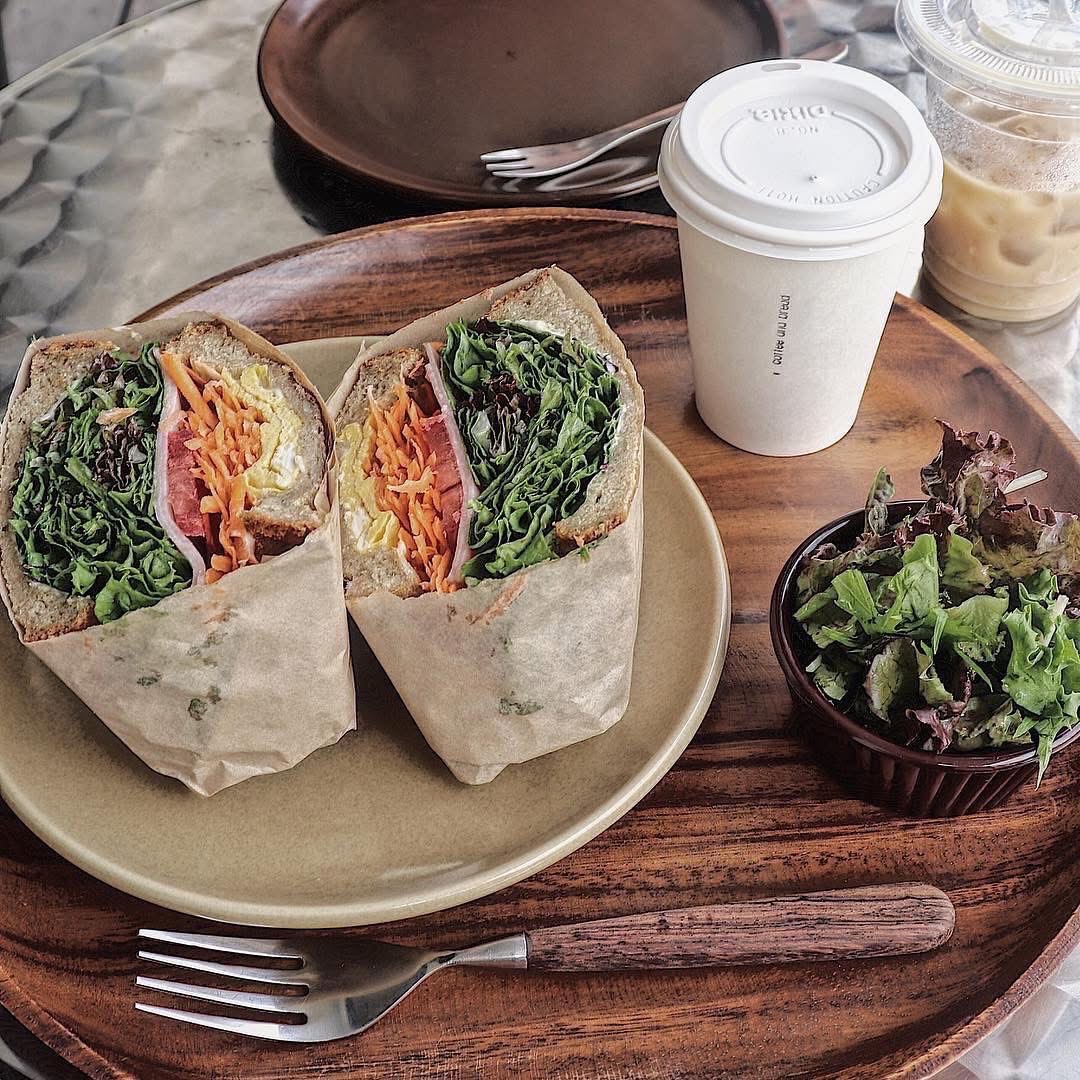
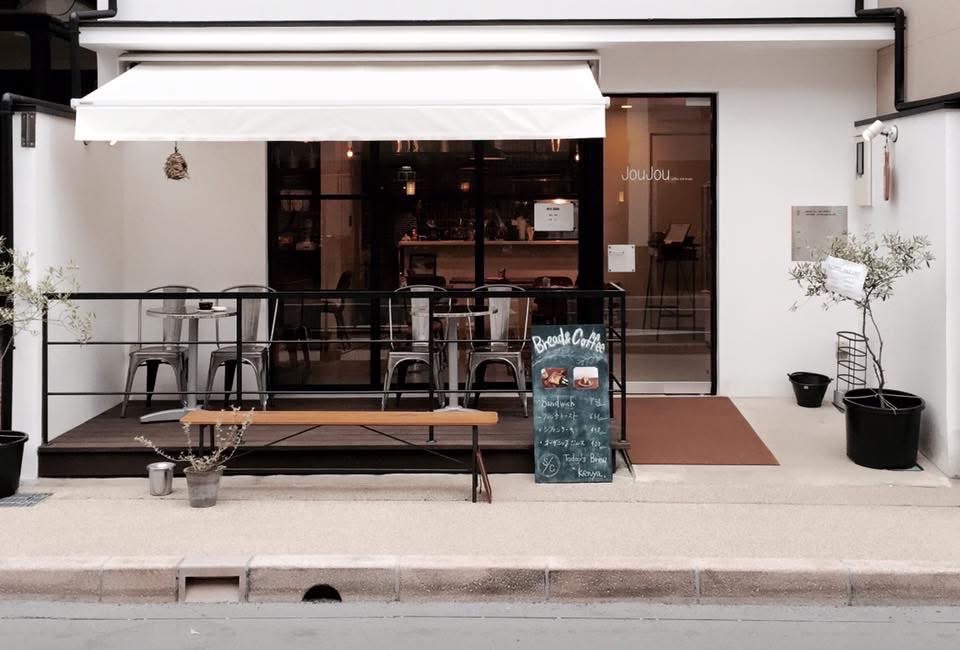
Close to 310 amanohashidate is JouJou coffee and bread, run by Takashi’s mother and sister.
The shop specializes in homemade bread and specialty coffee, and it also sells sweets and bread that work well as small gifts or a treat for yourself.
Its financiers and rochers, crunchy cookies shaped like rocky mountains, are particularly popular.
Sandwiches, curry, and other meals are also popular.
Basic Information
310 amanohashidate
| 310 amanohashidate Address: 640-7 Benten, Miyazu, Kyoto Prefecture Phone: +81-772-45-1870 Hours: 6:00 p.m. to 10:00 p.m. Closed: Sundays (and on irregular days) Facebook: https://www.facebook.com/310-Amanohashidate-2031278773860207/ Instagram: https://www.instagram.com/310amanohashidate/ |
JouJou coffee and bread
| JouJou coffee and bread Address: 640-6 Monju, Miyazu, Kyoto Prefecture Phone: +81-772-25-2518 Hours: 12:00 p.m. to 5:00 p.m. Closed: Thursdays (and on irregular days) Facebook: https://www.facebook.com/joujoucoffeeandbread Instagram: https://www.instagram.com/joujou_coffee_and_bread/ |