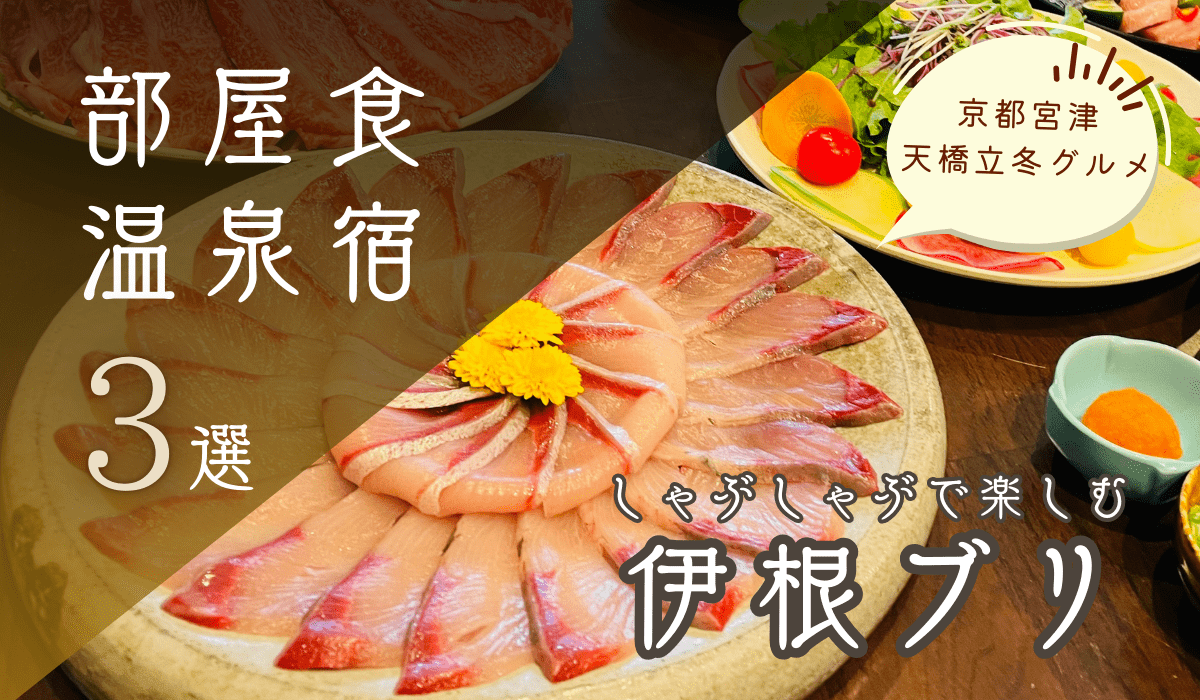
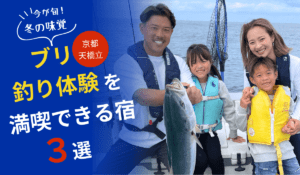
Yellowtail is in season from around November to March.
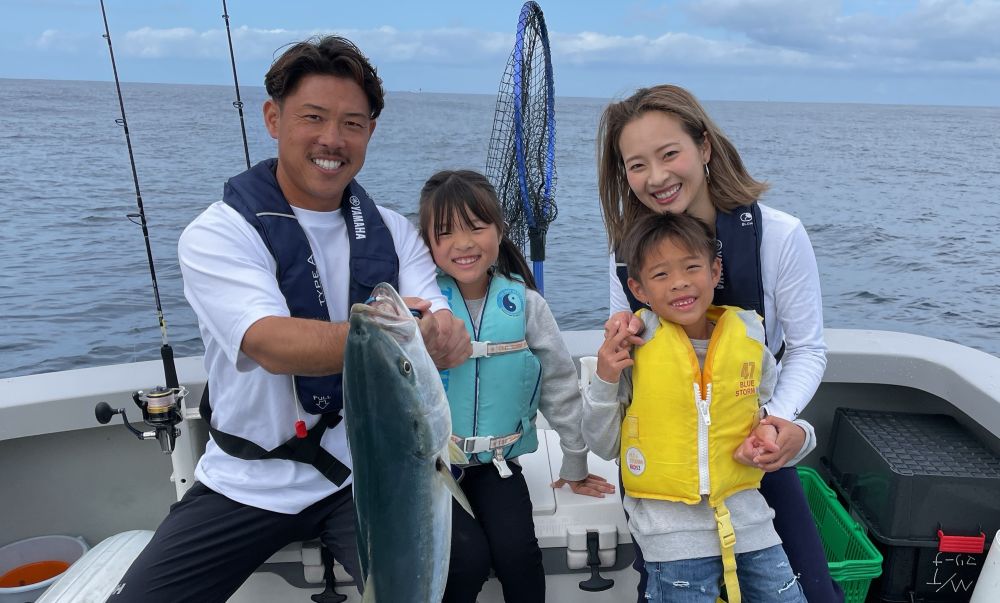
The town of Ine in northern Kyoto Prefecture is one of the three places known for the three great yellowtail of Japan, and large quantities of well-marbled fish are landed there.
Yellowtail is known as a shusseuo, a fish whose name changes as it grows, and in the Tango area it has long been served at celebrations and family meals.
This article explains what makes Ine yellowtail so good, looks at yellowtail shabu-shabu, which is said to have started in Tango, and introduces hot spring properties in Ine and Amanohashidate where you can eat it.
Contents
What Is Ine Yellowtail, One of the Three Great Yellowtail of Japan?
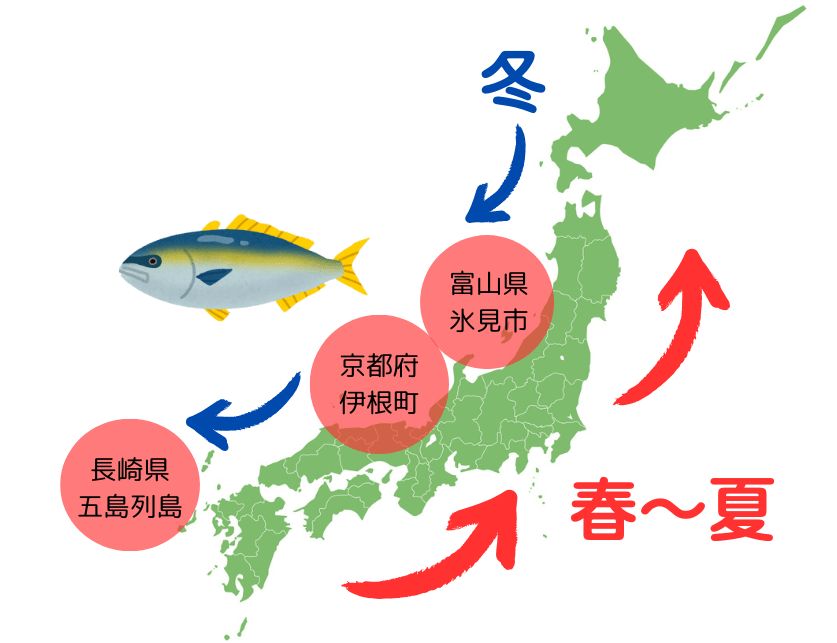
The three great yellowtail of Japan are the fish landed at three fishing grounds on the Sea of Japan coast: Himi in Toyama Prefecture, the Goto Islands in Nagasaki Prefecture, and Ine in Kyoto Prefecture.
Yellowtail spend the summer in the waters off Hokkaido, feeding on squid, sardines, horse mackerel and other nutrient-rich fish, then move south toward the Sea of Japan in late autumn as the water cools.
Himi, the Goto Islands and Ine all lie along that route. By the time the fish arrive they have built up a good layer of fat, giving them a flavor different from tuna or salmon.
The back of a yellowtail is usually lean and firm, but on fish landed in Ine Bay between November and March the back carries a moderate amount of fat and the belly has a rich layer of fat that almost melts.
Yellowtail Shabu-Shabu, Born in Tango: Rich Fat, a Clean Finish, and a Wish for Advancement
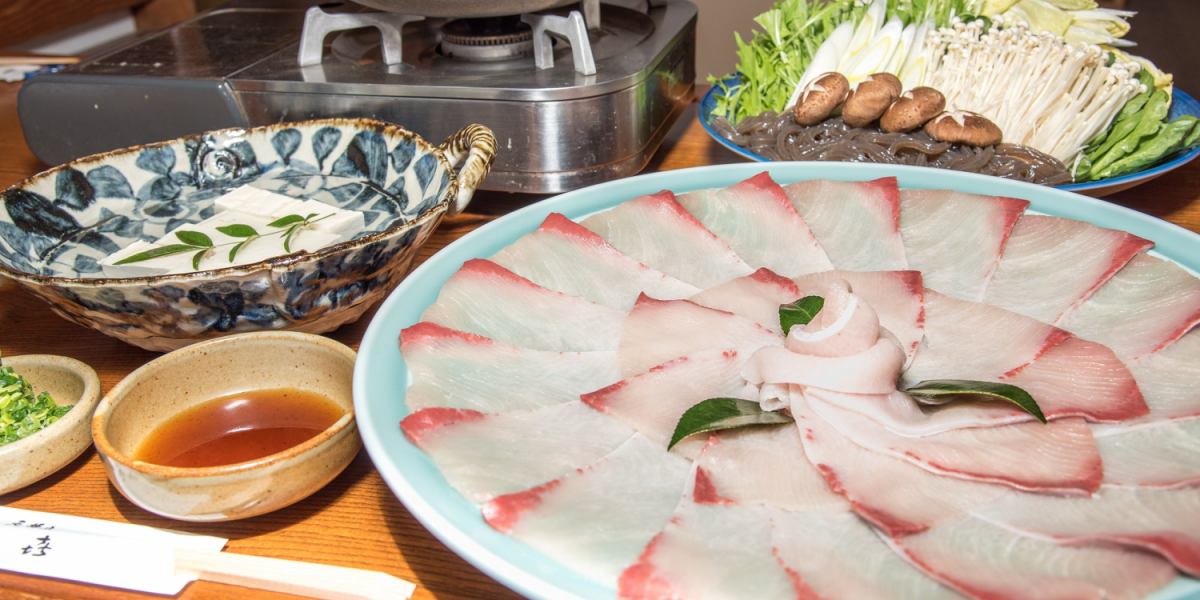
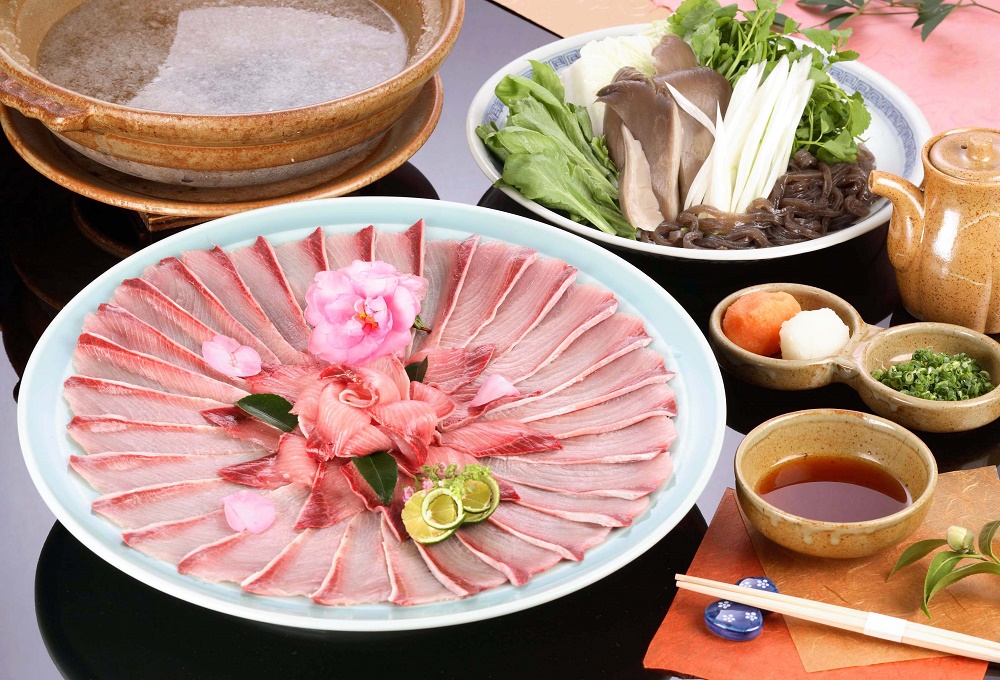
Because large numbers of yellowtail have long been landed in Ine Bay, the Tango area developed a custom of eating yellowtail shabu-shabu in winter.
The ryokan “Torikyo” in the Amanohashidate area of Miyazu and “Aburaya” in Ine are regarded as the birthplaces of yellowtail shabu-shabu, and local families also cook it at home.
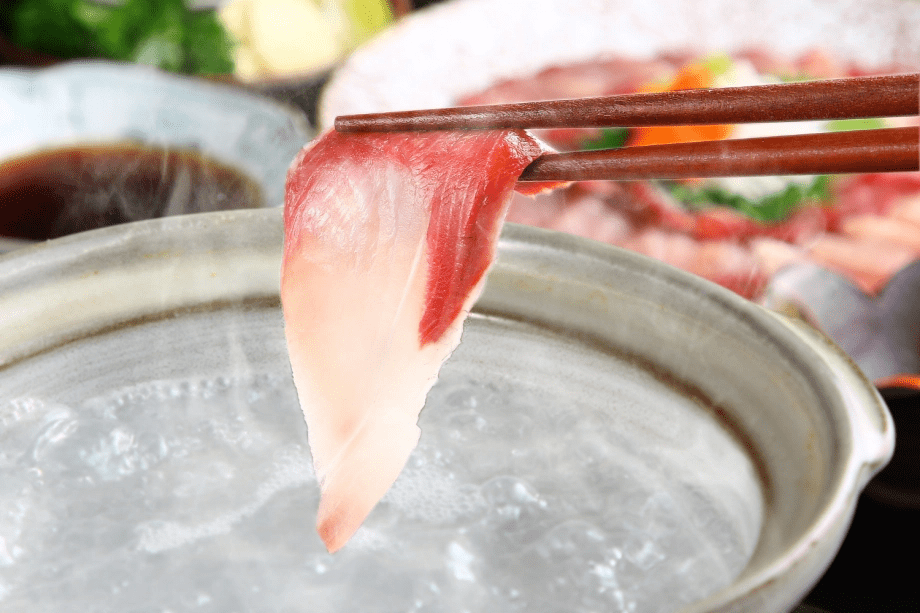
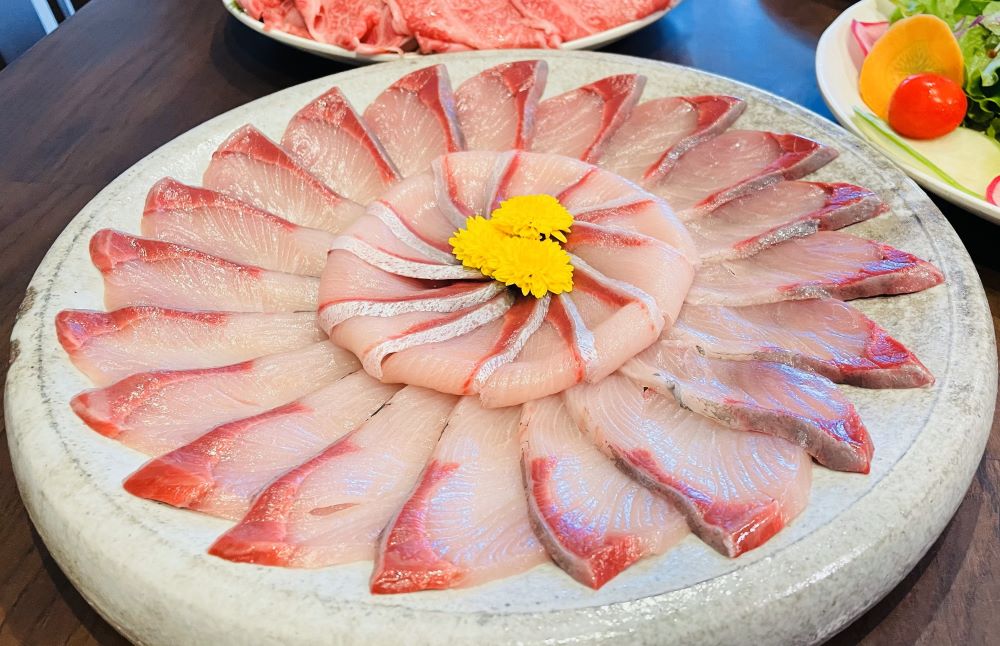
Swirling a thin slice of yellowtail briefly through the broth firms the surface just enough; the fat melts as you eat it, giving a rich flavor with a clean finish.
Ponzu, soy sauce or grated daikon make it lighter still.
As you eat, the fat from the fish dissolves into the broth, so the whole pot improves as the meal goes on.
Yellowtail is also known as a shusseuo, a fish whose name changes as it grows and which can reach more than 10 kg.
For that reason, in the Tango region yellowtail is considered auspicious and is served at New Year, family birthdays and other occasions worth marking.
Trying this winter specialty the way local people do is one way to wish for success in the year ahead.
Four Places to Stay in Amanohashidate That Serve Yellowtail
Several properties in the Amanohashidate area serve yellowtail in season, from the ryokan where yellowtail shabu-shabu began to private villas rented whole. Here are four of them.
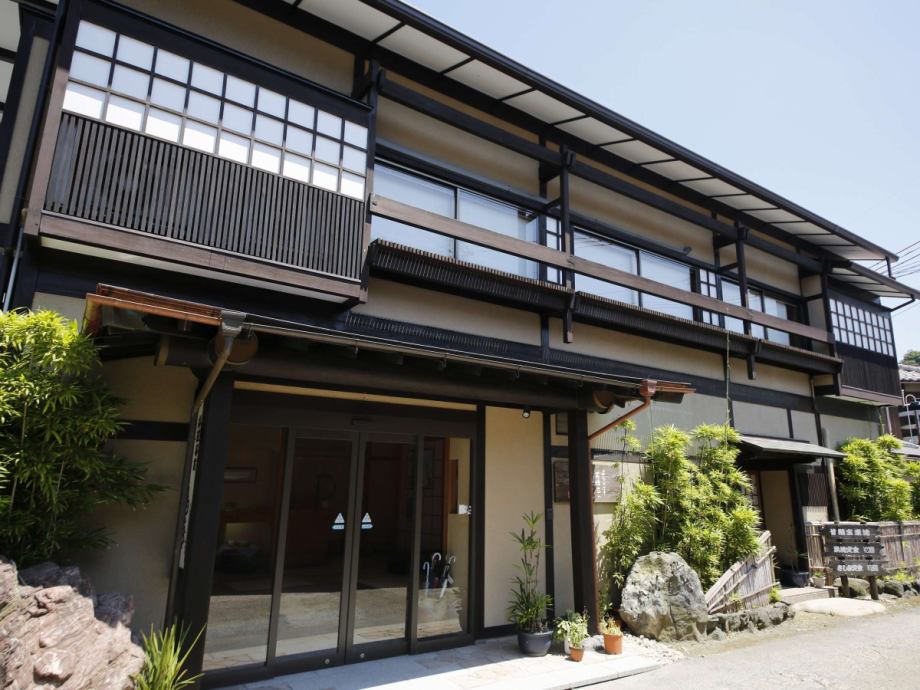
Torikyo: The Ryokan Where Yellowtail Shabu-Shabu Began, Beside Amanohashidate Station
The long-running “yellowtail shabu-shabu course” uses wild yellowtail weighing more than 10 kg, served with a ponzu the head chef makes in house.
It has the flavor of wild fish rather than farmed.
Some guests come several times a year for this dish, and the ryokan has regulars of 30 years’ standing.
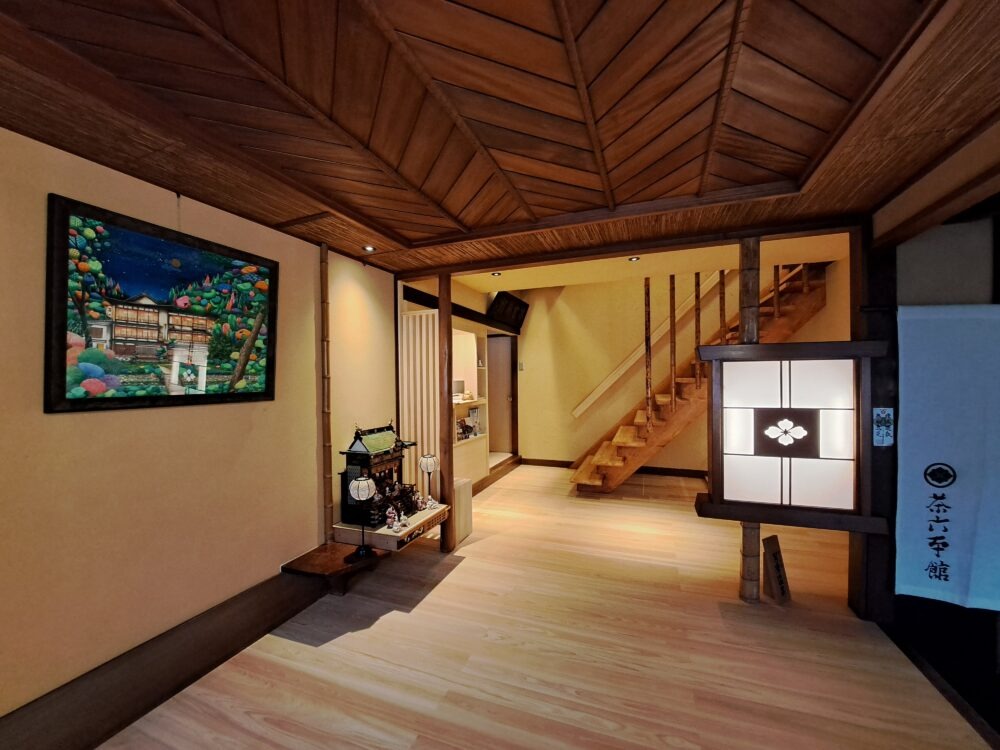
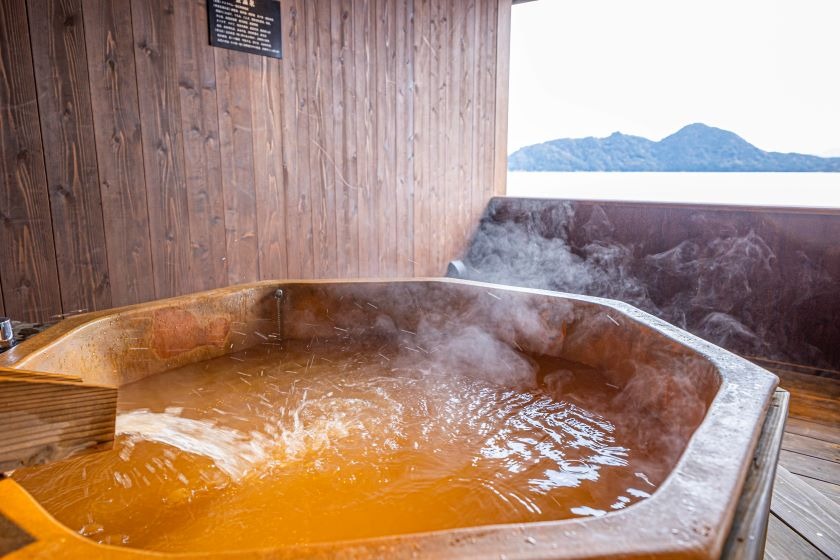
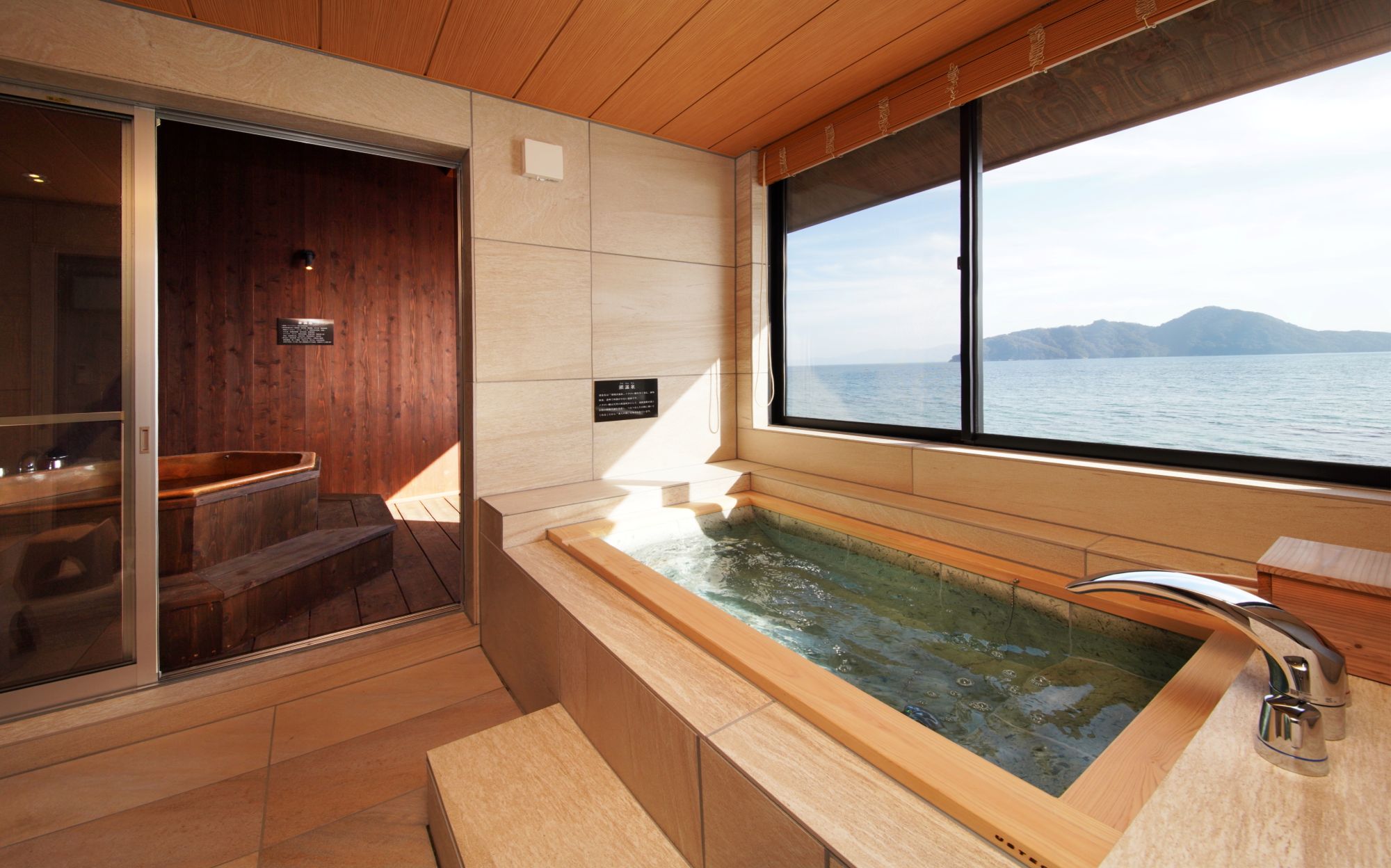
All six guest rooms are Japanese style, so it suits guests who want tatami and futon and a traditional atmosphere. The Amanohashidate hot spring, known as a “bath for the skin”, is gentle and warms you thoroughly.
The semi-open-air bath can be reserved privately, which works well for families, couples and friends who want the bath to themselves.
I am a writer with six years of experience. Born in Hyogo, I traveled to the U.S., India, Thailand, and Taiwan during my student years, experiencing and enjoying cultural differences between Japan and other countries.
Inspired by Kyoto’s tea caddy maker Kaikado and paper-cutting artist Teppei Hayakawa, whose work helps preserve traditional techniques, I developed a deep interest in Japanese craftsmanship.
Now, I focus on uncovering lesser-known attractions and locally loved establishments in Japan, driven by a passion to share them with more people. My goal is to provide detailed, authentic information through research and interviews.
I believe history, traditional culture, and uniquely Japanese customs become even more fascinating when you understand their background. Every day, I write articles with the hope that readers will feel inspired to visit and experience these places for themselves.