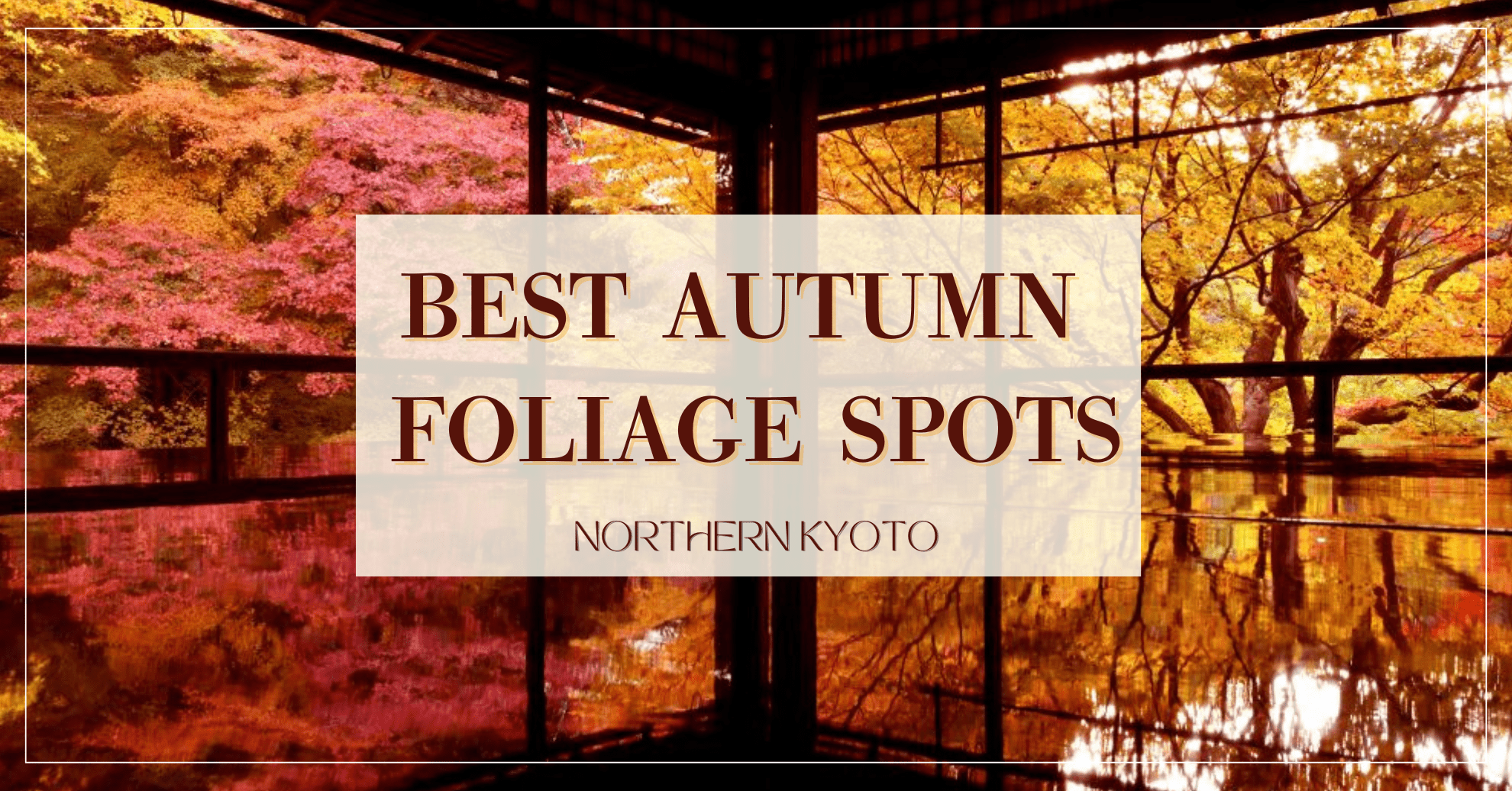
Every year, countless visitors from Japan and abroad come to Kyoto to admire its spectacular autumn foliage.
According to the Japan Meteorological Agency, the peak viewing period for Kyoto’s autumn leaves in 2025 is expected to be around November 17.
Because Kyoto stretches from north to south, the colors in northern Kyoto begin changing from late October to mid-November, while southern Kyoto follows about a week later.
In other words, across the entire region, visitors can enjoy autumn leaves from late October through early December.
Even after the leaves have fallen, some temples feature the stunning phenomenon known as “Yuka Momiji”—reflections of red leaves covering the temple floors—allowing visitors to enjoy the beauty of autumn until mid-December in certain areas.
In this article, we’ll introduce some of Kyoto’s northern autumn foliage spots, along with temples and shrines offering special limited-time viewings and illumination events.
Northern Kyoto offers a wealth of scenic locations where you can experience the region’s rich natural beauty as a work of art.
Characteristics of Northern Kyoto (Kyoto Hokubu Area)
The Rakuhoku area is home to Mount Kurama and the Kibune River, both surrounded by lush greenery.
In summer, one of the highlights is the “Kawadoko” riverside dining, where visitors can enjoy traditional Kyoto cuisine served on wooden platforms built directly above the cool, flowing river.
Among the area’s spiritual landmarks, Kurama-dera Temple exudes a mysterious and sacred atmosphere within the forest, while Kifune Shrine, with its rows of bright vermilion lanterns glowing among the trees, is known as one of Kyoto’s most powerful spiritual energy spots.
This area is highly recommended for those who wish to spend about a week exploring Kyoto at a relaxed pace or who want to fully immerse themselves in the natural beauty of the region.
Now, let’s take a look at the illuminated autumn foliage and special seasonal viewing events in this enchanting part of northern Kyoto!
Kifune Shrine: Where the Glow of Autumn Lanterns Ignites the Flame of Love
Kifune Shrine, known as Kyoto’s “inner sanctum,” is dedicated to Takaokami-no-kami, the deity of water.
Nestled deep in the forest, this sacred site is surrounded by lush nature and offers a cooler climate than central Kyoto, making it a popular summer retreat. The kawadoko—a riverside dining platform set directly above the flowing water—has become a beloved seasonal tradition, symbolizing Kyoto’s summer charm.
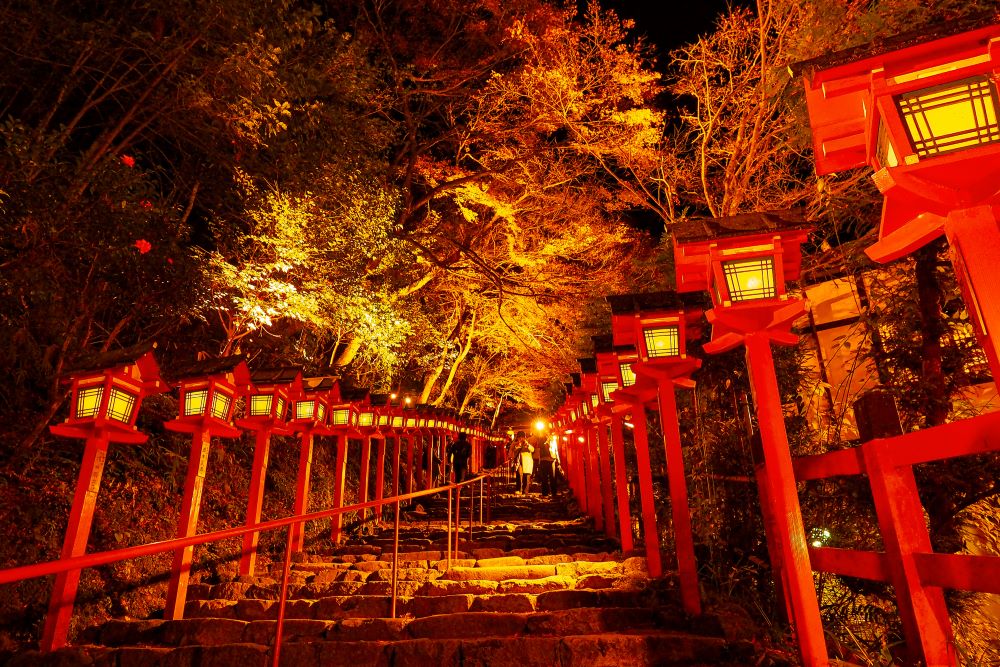
Throughout the year, visitors can enjoy the area’s ever-changing natural beauty, but autumn is especially magical. During the fall foliage season, the “Kifune Momiji Lantern Festival” illuminates the shrine and surrounding streets.
The main sanctuary (Hongū) and its vibrant maple trees are lit up together, while lanterns placed along the nearby ryokan-lined street create an enchanting and ethereal atmosphere.
Since ancient times, Kifune Shrine has been revered for granting prayers for rain, halting storms, warding off misfortune, and fulfilling wishes. It is also famous as a shrine of love and reconciliation, as the Heian-era poet Izumi Shikibu is said to have prayed here to mend her troubled relationship with her husband—a wish that was granted.
Within the grounds stands the Yui-no-Yashiro (Shrine of Bonds), where Izumi Shikibu’s heartfelt poem remains inscribed on a stone monument, expressing her yearning for reconciliation.
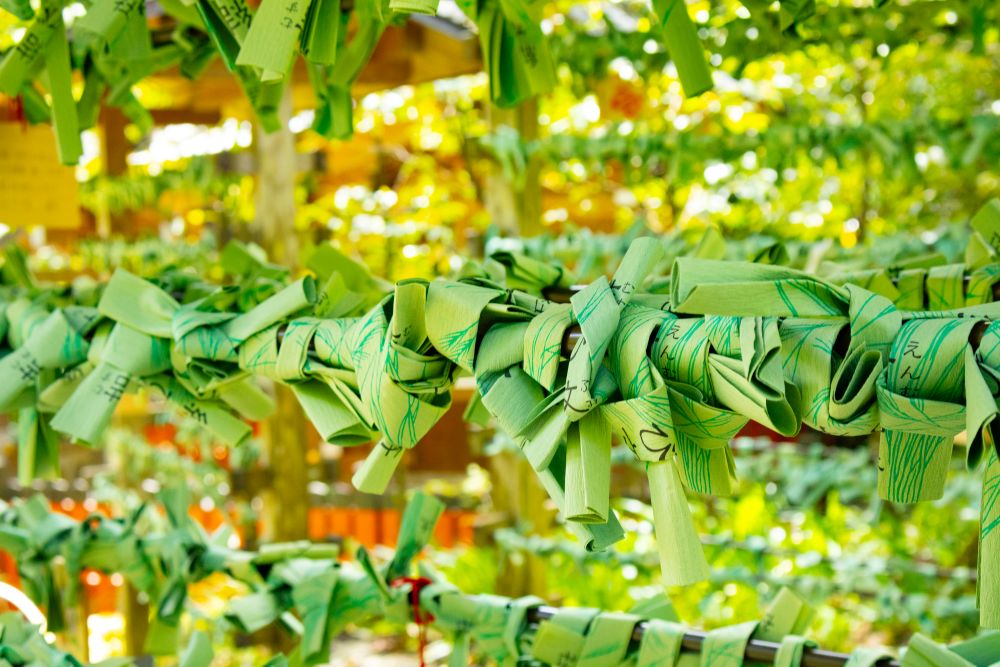
Today, people visit not only to pray for romantic relationships but also for success in forming positive ties, including career opportunities. It is believed that writing one’s wish on a prayer plaque and tying it at the sacred musubi-dokoro (bonding spot) will make the wish come true.
| Kifune Shrine Autumn Illumination – “Kifune Momiji Lantern Festival” Dates: November 7 (Fri) – November 24 (Mon), 2025 Time: Kifune Shrine and surrounding ryokan district: From sunset to 8:30 PM Eizan Electric Railway: From dusk to around 9:00 PM Location: Kifune Shrine, 180 Kuramakibune-chō, Sakyo-ku, Kyoto City, Kyoto Prefecture Travel Information Explore the charming ryokan district around Kifune — conveniently accessible via the Eizan Electric Railway stations at Ninose Station and Kibuneguchi Station (including the scenic “Maple Tunnel” between Ichihara Station and Ninose). Fee: Free (You only pay the train fare along the Eizan line) Details |
Eizan Electric Railway: A Breathtaking Tunnel of Scenic Beauty on Both Sides
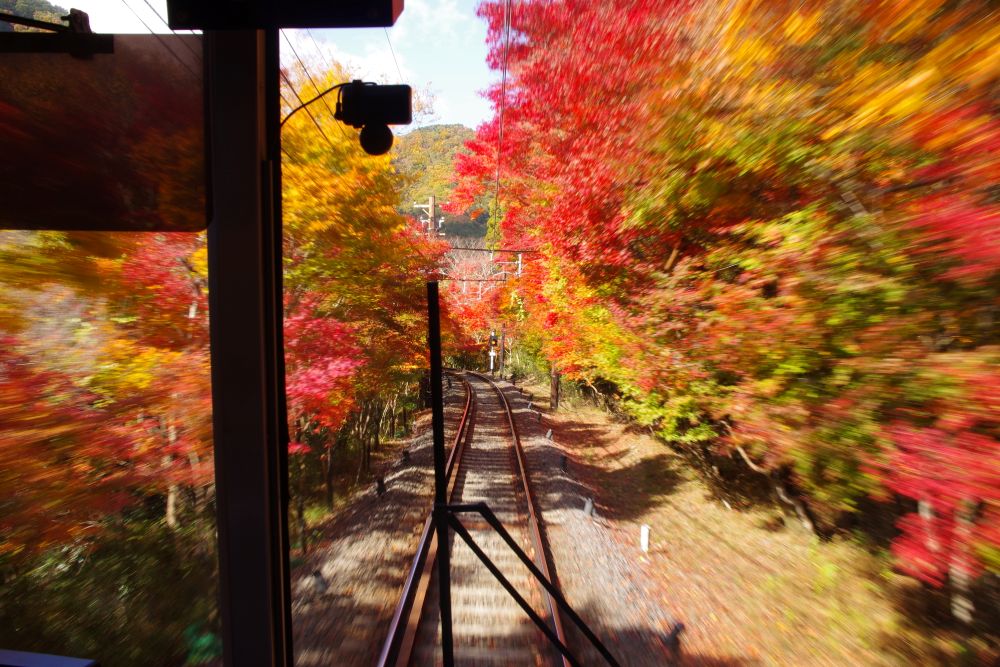
The Eizan Electric Railway runs through the scenic northern Kyoto areas of Ichijōji, Kibune, and Kurama. In autumn, it passes through a breathtaking spot known as the “Maple Tunnel,” where both sides of the tracks are lined with brilliant red, orange, and yellow leaves — a spectacular sight that’s truly worth seeing.
At night, the area is illuminated, and when the train passes through, the interior lights are dimmed and the train slows down to let passengers fully enjoy the illuminated foliage.
The glowing tunnel of maple trees stretching into the darkness is so mesmerizing that you might even forget to take photos. A must-see for anyone who loves autumn colors, scenic views, or railway journeys.
| Kibune Momiji Lantern Festival Dates: November 7 (Fri) – November 24 (Mon), 2025 Admission: Free (Eizan Electric Railway requires only a regular train fare) Details |
Kurama-dera Temple: Immerse Yourself in a World of Fiery Red Autumn Leaves

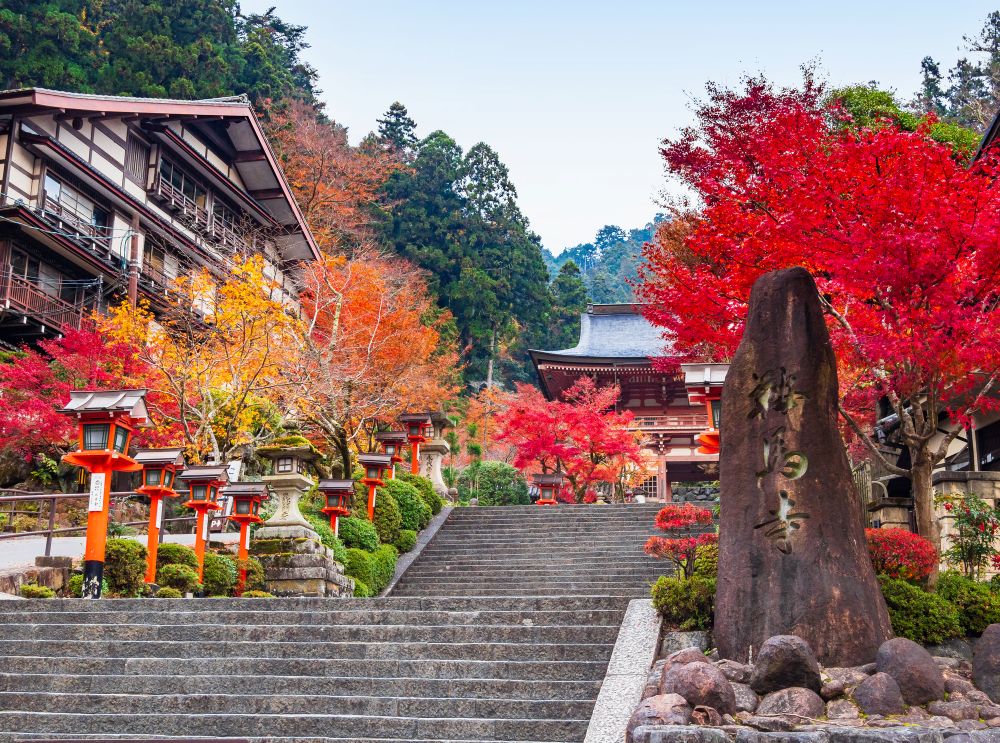
Kurama-dera Temple is known as the place where the legendary warrior Minamoto no Yoshitsune spent his childhood.
Believed to be home to mythical tengu spirits, this sacred site radiates spiritual energy, and its “Kongō-shō,” or Diamond Platform, features a Star Mandala said to gather the energy of the universe. Every year on October 22, one of Kyoto’s three great eccentric festivals, the Kurama Fire Festival, transforms the entire village with a sea of blazing torches.
After this valiant festival, a more serene event follows — the “Tengu no Komichi” Light-up, which invites visitors to experience the quiet beauty of Kurama illuminated by soft lights.During this period, not only can you enjoy the illumination, but also special food stalls and local shops offering Kurama’s culinary delights. From November 7 to 24, participating stores extend their opening hours, allowing visitors to fully savor the festive atmosphere and lively charm of the Kurama area.
| Kurama Temple Light-up “Path of the Tengu” Period: November 1 (Sat) – November 24 (Fri), 2025 Time: 18:00–21:00 Location: Kurama-dera Temple 1074 Kuramahonmachi, Sakyo-ku, Kyoto City, Kyoto Prefecture Kurama Nioh-Monzen Street, Tengu Path, in front of Kurama Station, Kurama Onsen Admission / Fee: Free Details |
Rurikō-in Temple: A Limited-Time Viewing Spot That Glows Like a Kaleidoscope
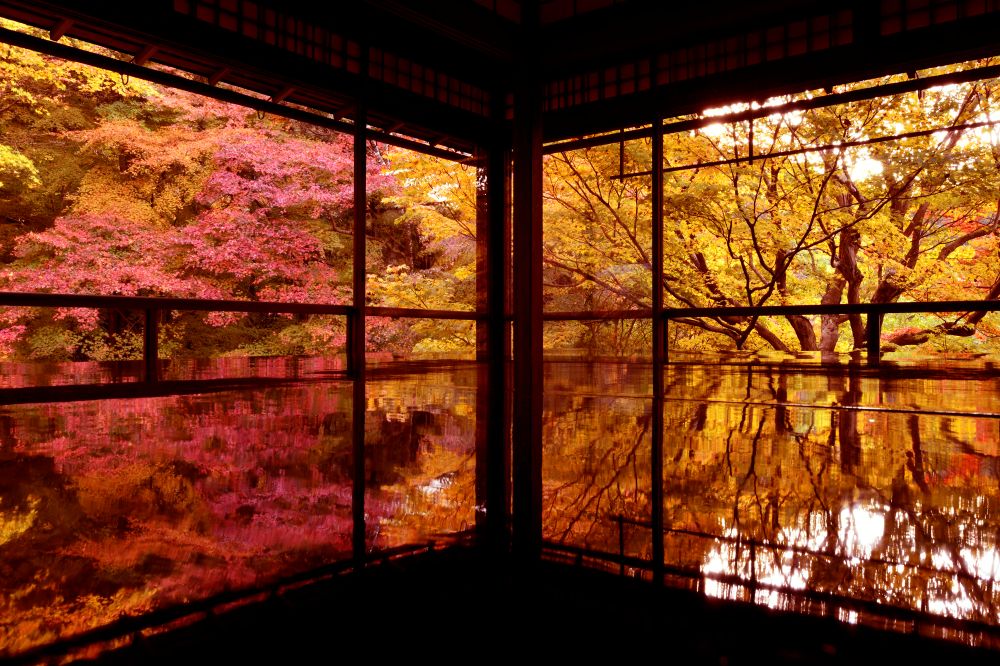
Rurikō-in Temple is only open to the public during special viewing periods in spring, summer, and autumn. Nestled at the foot of Mount Hiei, it offers a breathtaking natural landscape that evokes the beauty of paradise itself.
The temple’s name, Rurikō-in (“Temple of Lapis Lazuli Light”), comes from the way pure spring water flows between dozens of varieties of maple trees and moss, reflecting a deep, jewel-like blue.
From the moment you pass through the mountain gate of the nearest station—Eizan Electric Railway’s Yase-Hieizan-guchi Station—everything on the path toward the entrance is filled with elegance and artistry: the “Garden of Dew on the Mountain” (Sanro-ji no Niwa), the refined entryway, and the main study hall (Shoin). In particular, the view of the “Ruri Garden” from the study hall or the tea house Kikakutei is simply magnificent.
Rurikō-in becomes even more enchanting at night. The illuminated garden reflects on the glossy floors, creating a dreamlike scene reminiscent of the Pure Land.
The nighttime special admission plan includes a one-day Eizan Railway pass and a round-trip ticket for the Eizan Cable Car, making it perfect for visitors who wish to explore the scenic areas along the railway line.
As the evening openings are available only on select dates in November, it’s well worth planning your trip to northern Kyoto to coincide with this rare and magical experience.
| Autumn Special Viewing Period: October 1 (Wed) – December 14 (Sun), 2025 Hours: 10:00 a.m. – 5:00 p.m. (Last admission 4:30 p.m.) Location: Rurikō-in Temple, 55 Higashiyama, Kamitakano, Sakyo-ku, Kyoto City, Kyoto Prefecture Admission Fee: Adults: ¥2,000 per person Junior high school students and above: ¥1,000 (with student ID) Elementary school students and preschool children: Free For more details, please visit the official website |
| Special Night Viewing (Set Plan with Eizan Railway 1-Day Pass & Eizan Cable Round-Trip Ticket) Period: November 8 (Sat), 9 (Sun), and November 14 (Fri)–30 (Sun), 2025 Time: 18:15–20:00 (Last admission 19:30) Admission Fee: ¥7,000 Details & Reservations: Click here |
Genkō-an Temple: Capture the autumn colors framed by the “Window of Enlightenment” and the “Window of Delusion.”
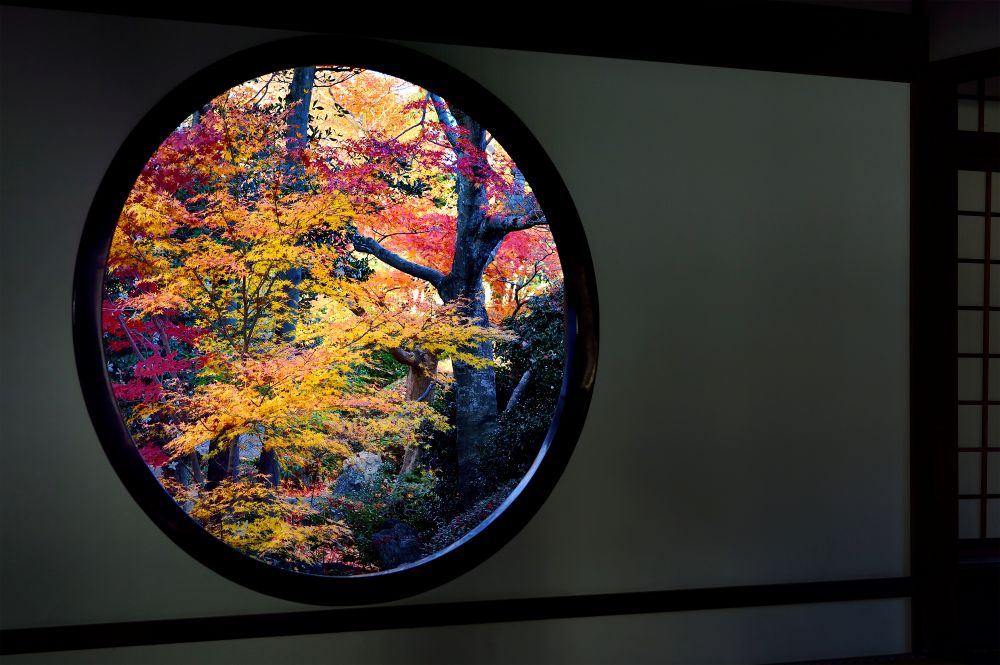
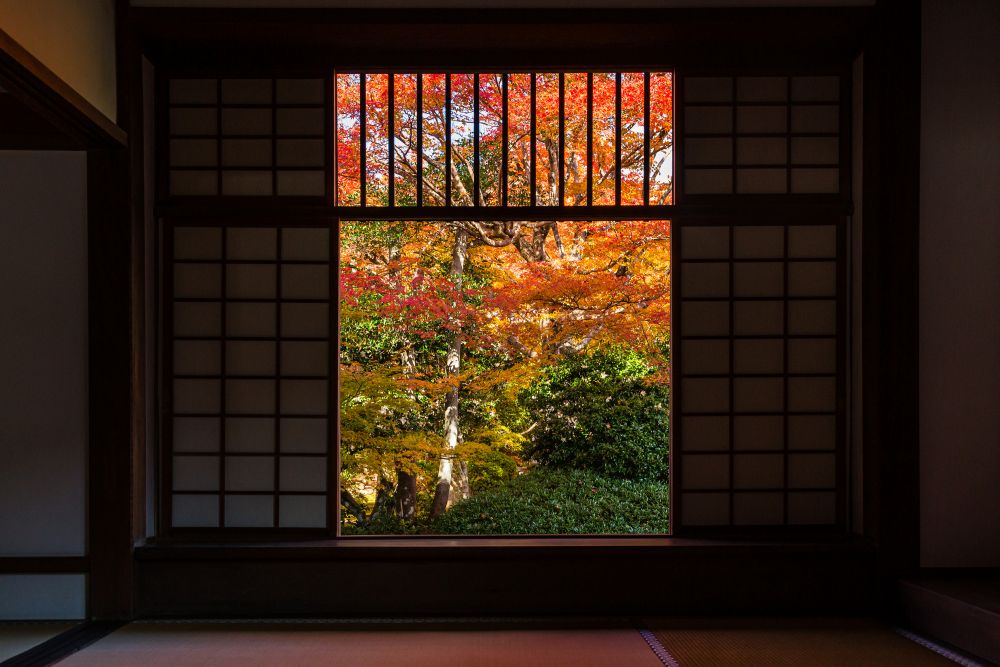
Genkō-an Temple, featured in JR Central’s 2014 “Yes, let’s go to Kyoto” campaign, is renowned for the breathtaking autumn scenery viewed through two iconic windows in its main hall — the round “Window of Enlightenment” and the square “Window of Delusion.”
The circle of the “Window of Enlightenment” symbolizes Zen, harmony, and the vastness of the universe.
In contrast, the square “Window of Delusion” represents the human journey through life and embodies the suffering of birth, aging, illness, and death.
It is said that by first gazing through the square “Window of Delusion” and reflecting on oneself, then turning to view the circular “Window of Enlightenment” to contemplate the universe, one may gain a deeper awareness and spiritual insight.
Beyond its stunning autumn foliage, Genkō-an offers a chance to look inward and experience tranquility and introspection.
Genkō-an is located in the Takagamine area, once a prosperous post town along the road connecting Kyoto with the Tamba and Wakasa regions. The name “Takagamine” originates from the falcon hunts once enjoyed by emperors in this area.
The temple’s refined artistry also makes sense, as Takagamine later became home to many artists and cultural figures who found inspiration in its serene beauty.
| Genkō-an Temple Hours: 9:00 AM – 5:00 PM (Last admission at 4:30 PM) Location: Genkō-an Temple, 47 Kita-Takagaminechō, Takagamine, Kita-ku, Kyoto, Japan Fee: ¥400 (¥500 in November) Details |
Hōsen-in Temple: Enjoy the enchanting autumn foliage framed like a painting through the “Framed Garden.”
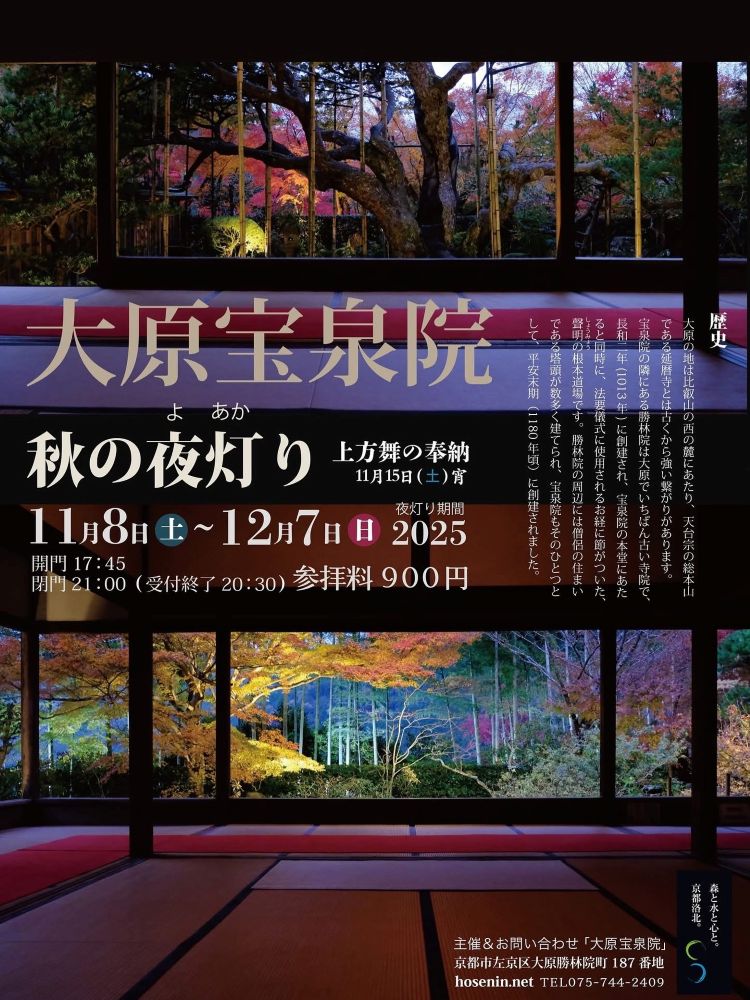
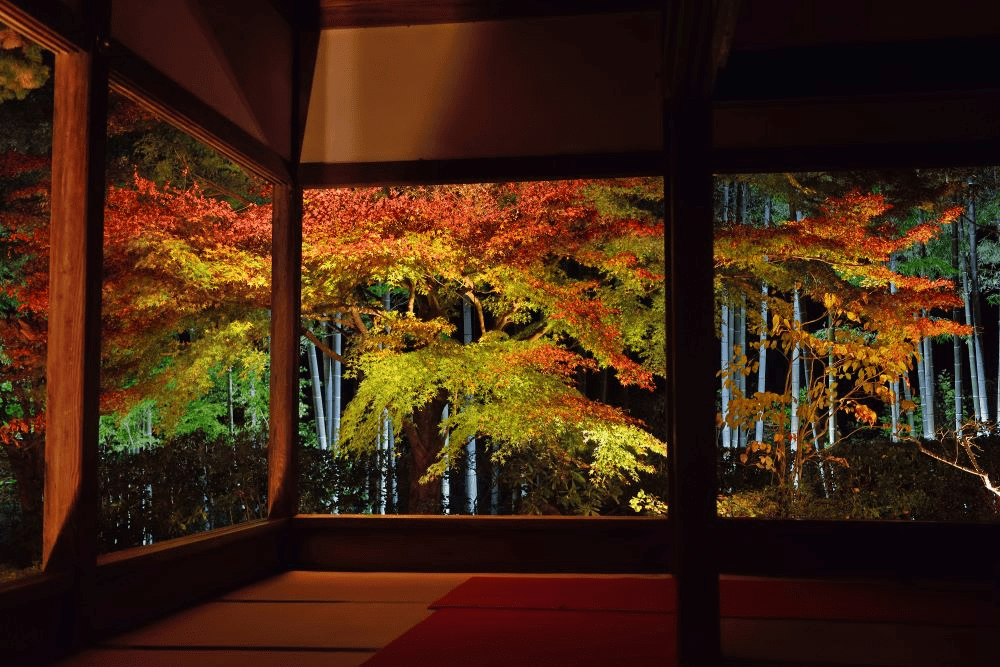
At the end of the path leading from Sanzen-in lies the main hall of Shōrin-in (Ōhara-dera). It served as the central training temple of the Tendai sect, and Hōsen-in, located within its grounds, has existed as a monks’ lodging for over 800 years.
The garden known as Bankan-en is often called the “Framed Garden”, as the spaces between the pillars resemble a picture frame, offering a view so beautiful it appears like a painting.
Another highlight is the 700-year-old Goyōmatsu (Japanese white pine)—one of Kyoto’s most famous pines and a designated Natural Monument of the City of Kyoto.
During the light-up event, the framed garden and the ancient pine are gently illuminated, transforming the scene into a dreamlike autumn spectacle of glowing leaves and tranquil beauty.
| Autumn Night Illumination 2025 – Hōsen-in Temple Period: November 8 (Sat) – December 7 (Sun), 2025 Time: 17:45 – 21:00 (Last admission 20:30) Location: Hōsen-in Temple (187 Ōhara Shōrin-in-chō, Sakyō-ku, Kyoto) Admission: ¥900 Details |
Useful Tips for Enjoying Kyoto’s Autumn Foliage!
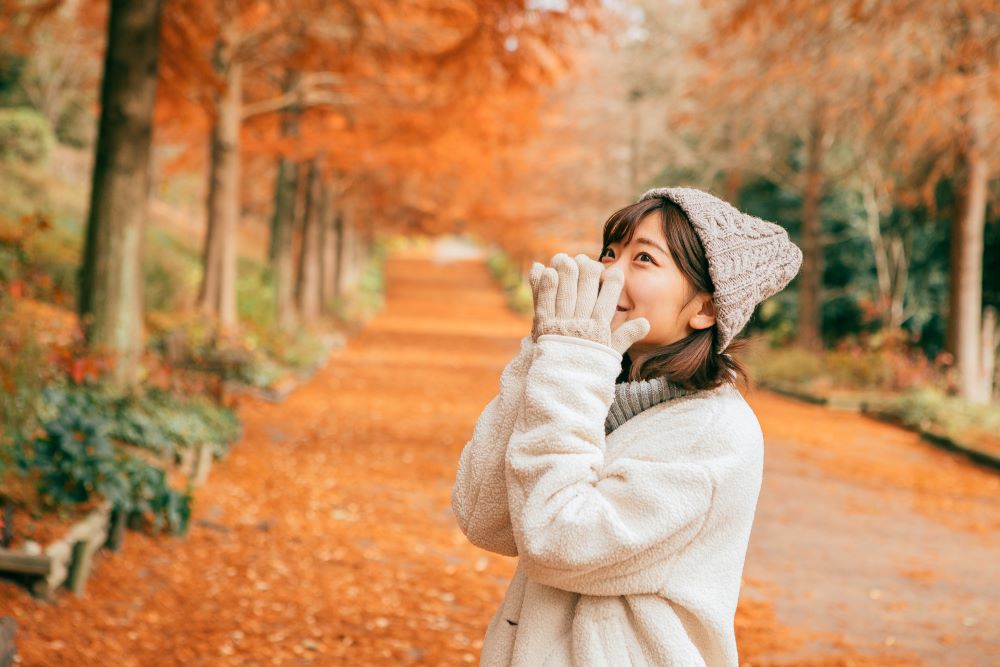
From November onward, the temperature difference between day and night becomes quite noticeable during Kyoto’s autumn foliage season. In particular, northern Kyoto tends to be about five degrees colder than the city center, so it’s important to take proper measures against the cold.
Even in November, a thick outer layer is essential. Since the chill often seeps in from your feet, wearing layered socks or tights is also effective.
However, as daytime temperatures can still rise depending on the weather, it’s best to wear something easy to remove, such as a short jacket or a lightweight down vest that can be folded compactly when not needed.
Because Kyoto has many slopes and gravel paths, comfortable walking shoes like sneakers are a must.
To avoid crowds, visit temples and sightseeing spots early in the morning during the day, or go later at night when viewing illuminated gardens and temples.
Conclusion
In this article, we’ve introduced some of the best spots in northern Kyoto where you can enjoy stunning autumn foliage, nighttime illuminations, and limited-time special openings surrounded by beautiful nature.
From the spiritual atmosphere of Kifune Shrine, one of Kyoto’s most famous power spots, to the serene beauty of Rurikō-in Temple, open only during select seasons, and the mesmerizing views of autumn gardens framed perfectly from inside Genkō-an and Hōsen-in, each location offers a truly mystical experience.
Be sure to use this guide as inspiration for your next autumn trip to Kyoto!