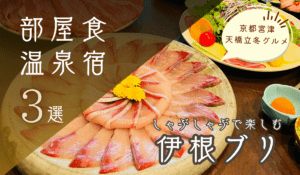
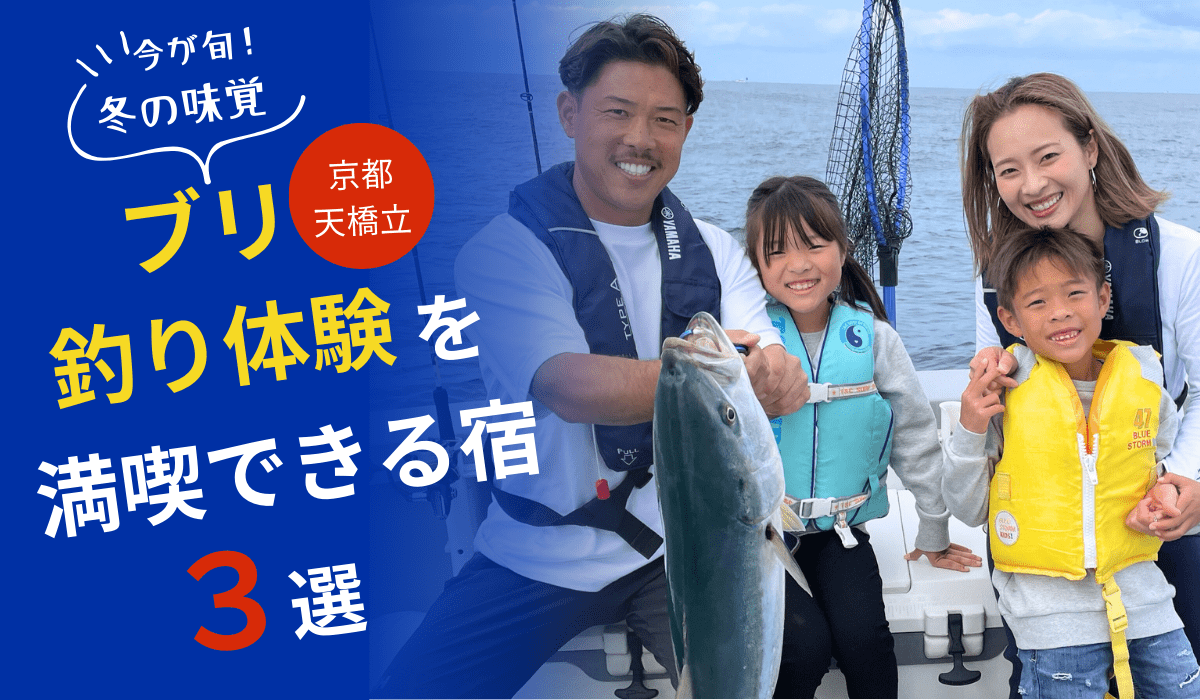
Yellowtail is in season from around November to March.
The town of Ine in northern Kyoto Prefecture is one of the three places known for the three great yellowtail of Japan, and large quantities of well-marbled fish are landed there.
Yellowtail is a shusseuo, a fish whose name changes as it grows, and in the Tango area it has long been served at celebrations and family meals.
This article looks at what makes Ine yellowtail special, and introduces a hot spring villa where you can catch the fish yourself and eat it on the spot.
The experience is manageable for first-time anglers, and children and families with babies can take part as well.
The property is rented whole and has two kinds of hot spring bath and a private dining room, so it suits guests who want to eat and bathe in private.
What Are the Three Great Yellowtail of Japan?
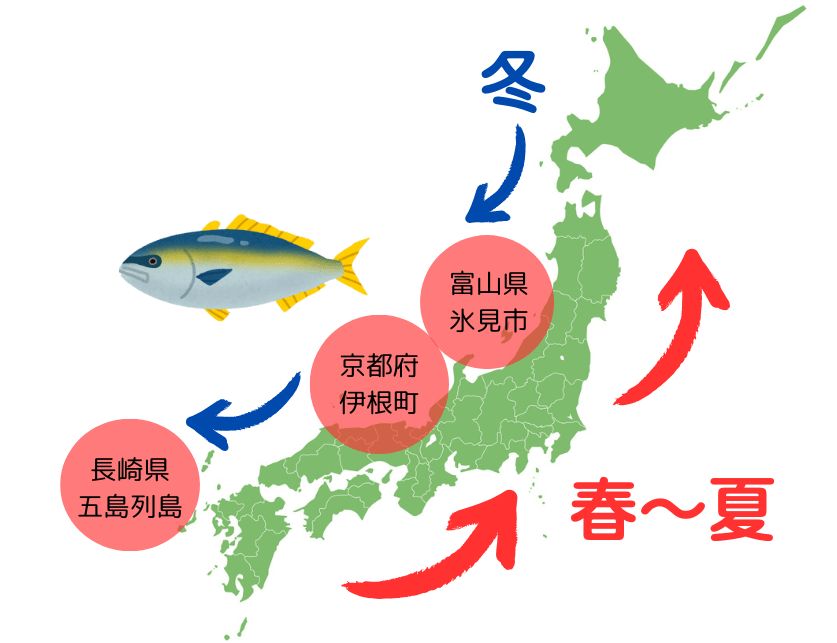
The three great yellowtail of Japan are the fish landed at three fishing grounds on the Sea of Japan coast: Himi in Toyama Prefecture, the Goto Islands in Nagasaki Prefecture, and Ine in Kyoto Prefecture.
Yellowtail spend the summer in the waters off Hokkaido, feeding on squid, sardines, horse mackerel and other nutrient-rich fish, then move south toward the Sea of Japan in late autumn as the water cools.
Himi, the Goto Islands and Ine all lie along that route. By the time the fish arrive they have built up a good layer of fat, giving them a flavor different from tuna or salmon.
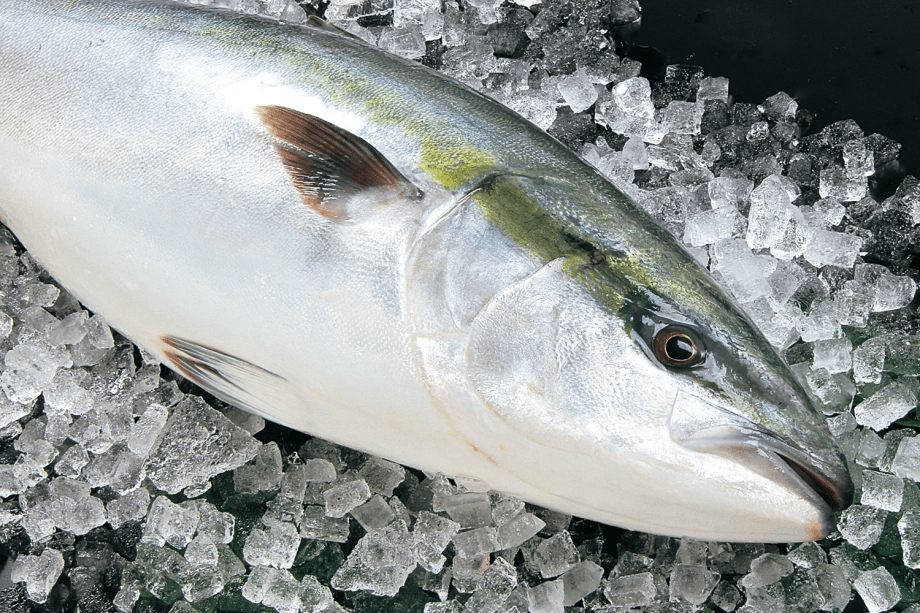
The back of a yellowtail is usually lean and firm, but on fish landed in Ine Bay between November and March the back carries a moderate amount of fat and the belly has a rich layer of fat that almost melts.
Yellowtail Shabu-Shabu, Born in Tango, and the Fish of Advancement
Because large numbers of yellowtail have long been landed in Ine Bay, the Tango area developed a custom of eating yellowtail shabu-shabu in winter.
The ryokan “Torikyo” in the Amanohashidate area of Miyazu and “Aburaya” in Ine are regarded as the birthplaces of yellowtail shabu-shabu, and local families also cook it at home.
Yellowtail is known as a shusseuo, a fish whose name changes as it grows and which can reach more than 10 kg.
For that reason, in the Tango region yellowtail is considered auspicious and is served at New Year, family birthdays and other celebrations.
Trying this winter specialty the way local people do is one way to wish for success in the year ahead.
A Seasonal Yellowtail Fishing Experience for Beginners
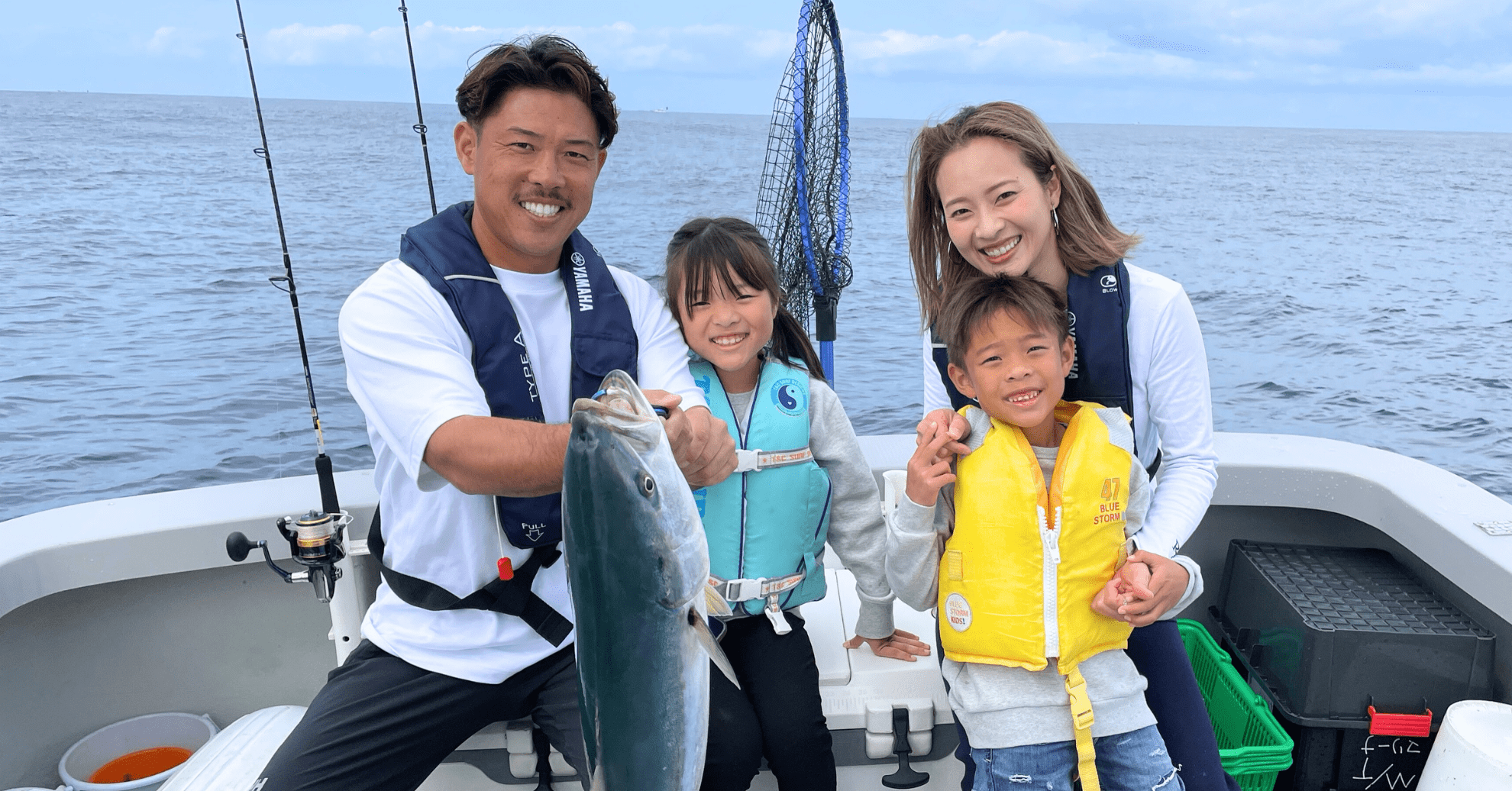
Ine yellowtail are large fish that can exceed 1 meter in length and 10 kilograms in weight.
Landing a fish this size is a memorable experience.
For children in particular, it can be a real achievement.
At Marinetopia Marina, owned by Marinetopia Resort, beginners can take part in a yellowtail fishing experience.
Trying the rod and reeling in
A yellowtail landed
Lifting a whole yellowtail on your own is hard work, so staff help partway and hand over when the fish takes the bait or as it is brought aboard.
For experienced anglers who want to do it all themselves, landing a yellowtail is also a rare experience.
Auberge Villa KUON: One Group a Day, with Your Catch Cooked in Front of You
The fish you catch is prepared in front of you by a chef in the private dining room at Auberge Villa KUON.
A Cooking Show in a Private Dining Room
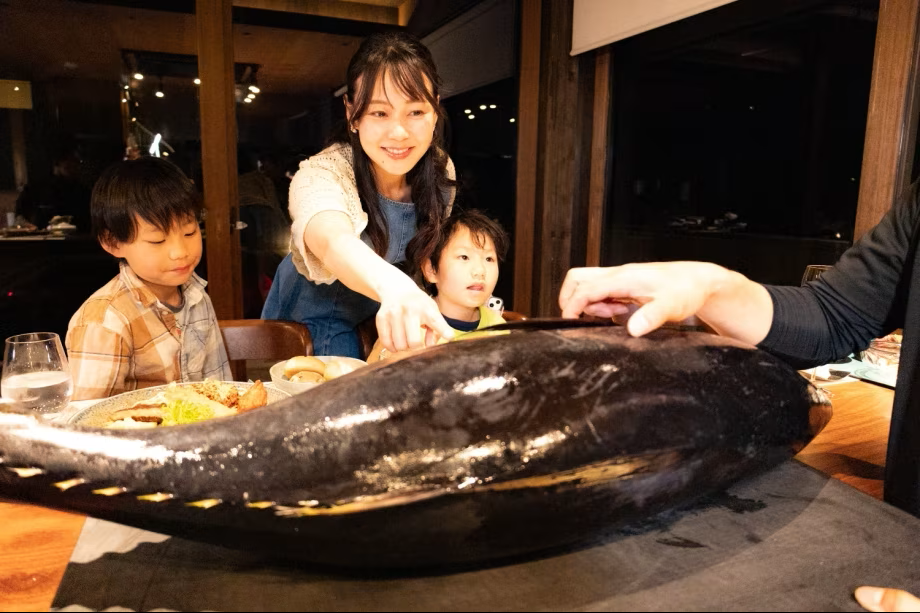
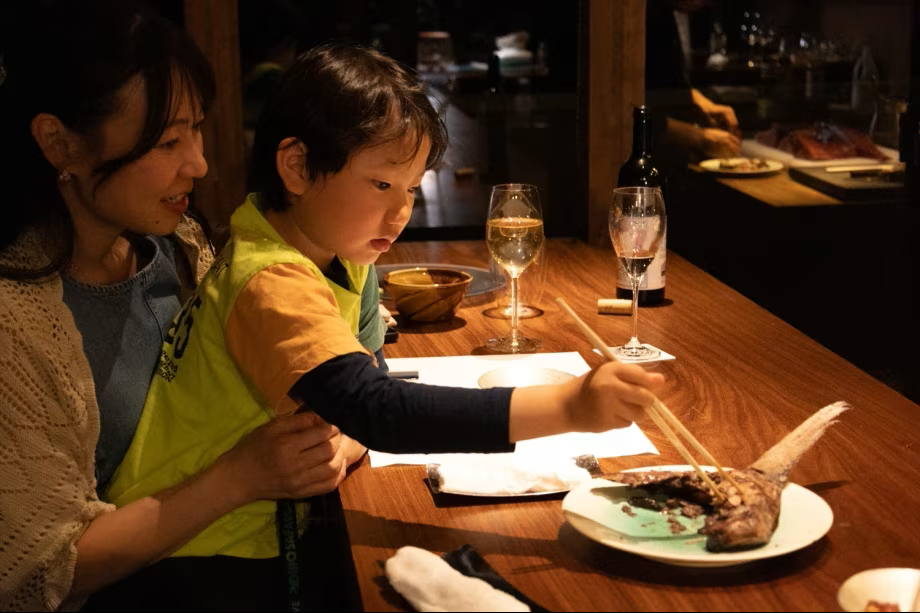
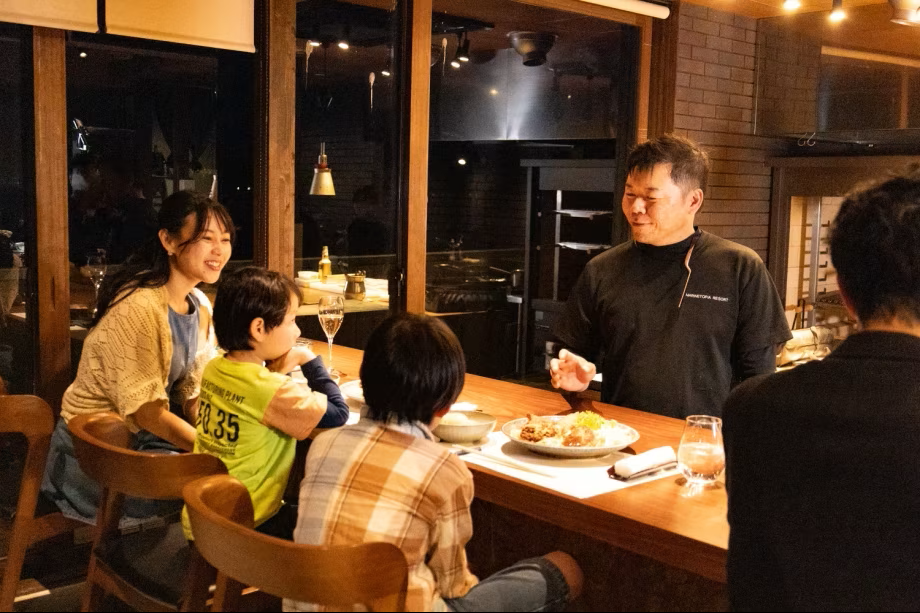
Watching a large fish become sashimi, grilled dishes, simmered dishes and fried dishes as you eat is not something you can do in many places.
Even children who do not usually like fish may find it easier to eat when they caught it themselves.
Because you are close to the chef, you can also ask directly about which drinks go well with each dish.
Since the meal is served in a private dining room, it suits guests who have avoided upscale restaurants because they have small children or who simply want to eat without worrying about other diners.
If the fish you hoped for does not bite, fish bought in advance is prepared instead, at no extra charge.
Two Hot Springs, Reserved Entirely for You
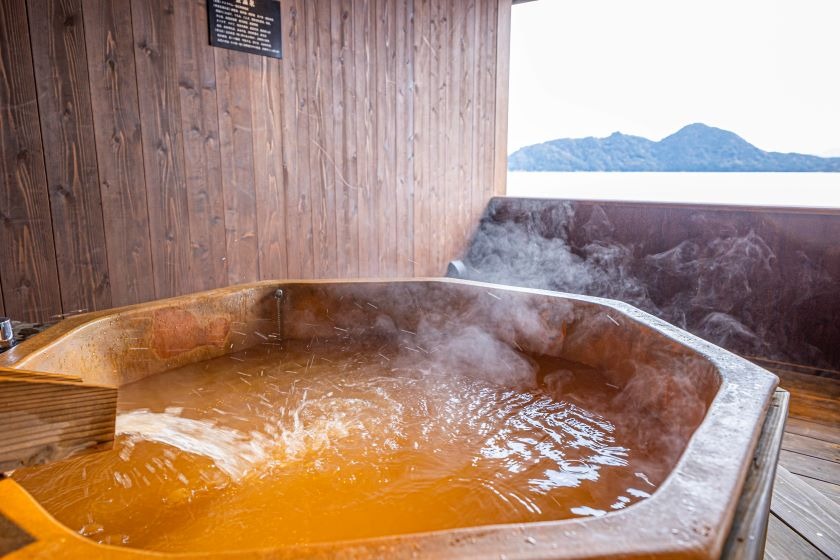
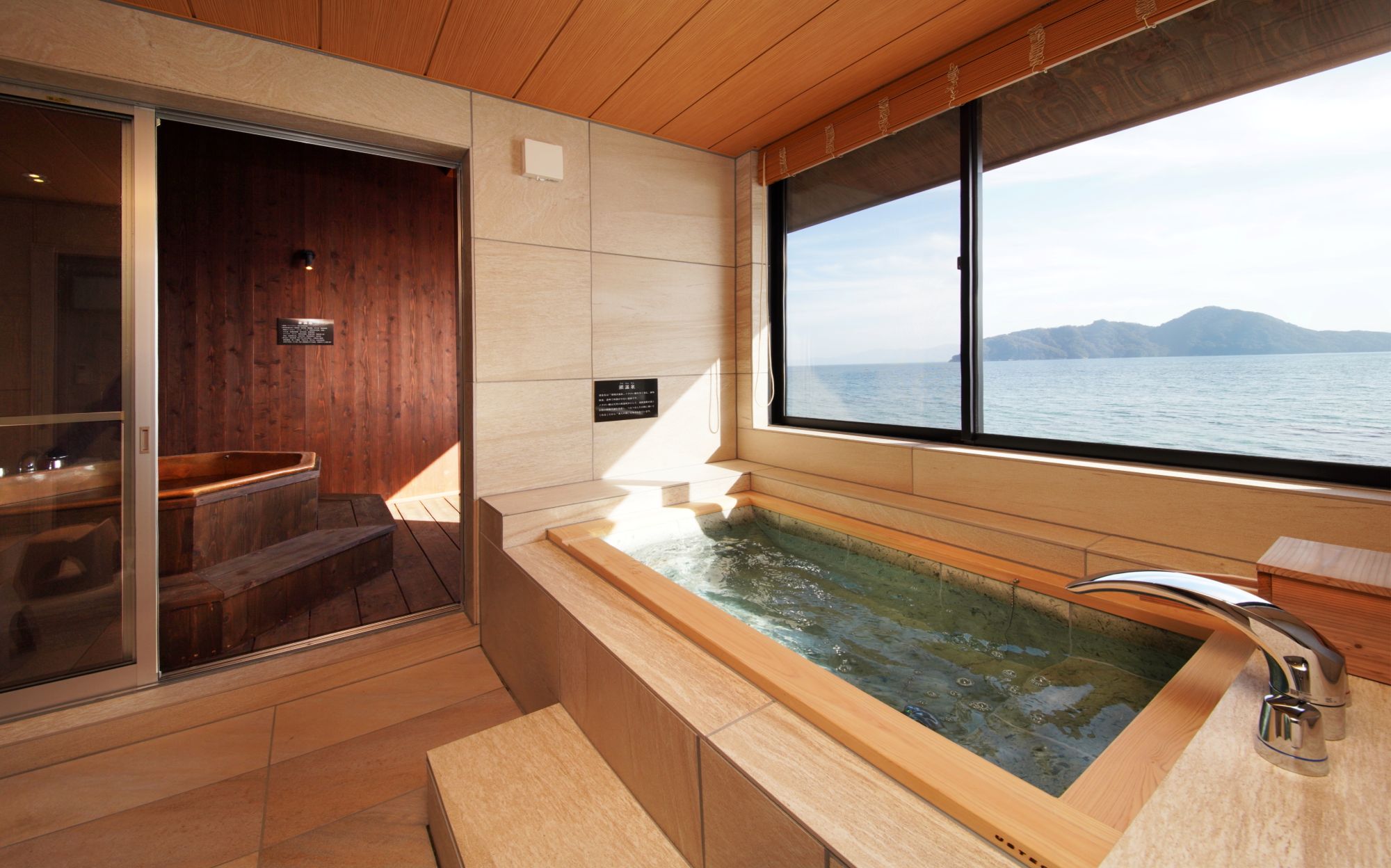
Auberge Villa KUON has hot spring baths both outdoors and indoors.
The open-air bath uses the gold hot spring, whose salt concentration is unusual in Japan, and the indoor bath uses the silver hot spring, which is gentle on the skin and moisturizing. Trying both lets you compare them.
Both are on the second floor of the building, with a wide view of the sea from the windows.
The sea looks different in the evening, at night and in the morning, and taking your time in the bath while watching it is one of the highlights of a stay.
A Private Pool and Terrace Overlooking the Sea of Japan
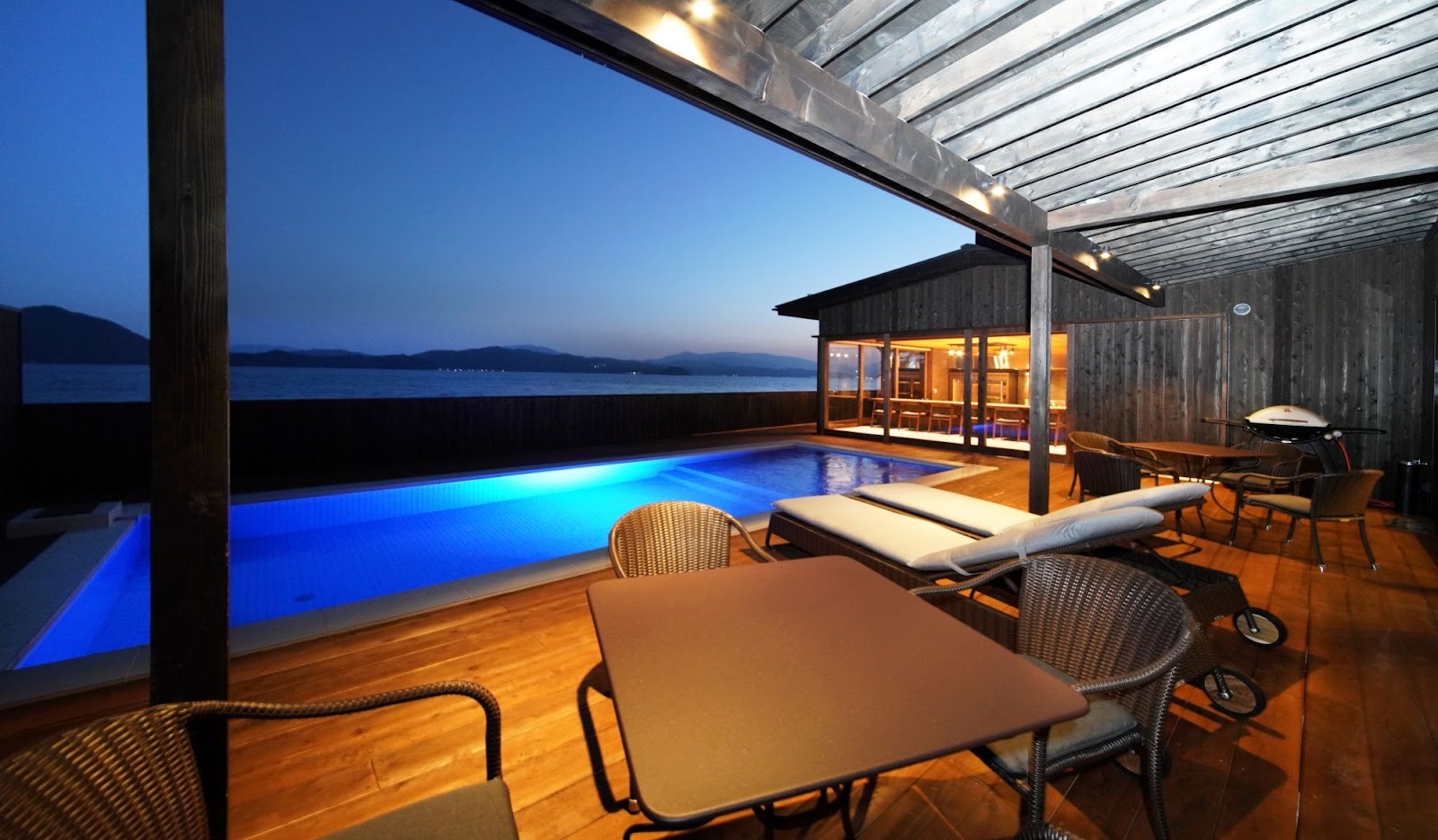
The private terrace has a private pool. The pool cannot be used in winter, but the view of it lit up at night, with the Sea of Japan beyond, is striking.
The quiet sound of the waves and the view make it easy to lose track of time.
| Auberge Villa KUON Address: 3090-11 Hioki, Miyazu, Kyoto Prefecture Check-in location: Rurinohama Activity Center Tel: 050-3161-4582 (9:00–19:00) Official website: https://en.glamping-kuon.com/ |
Summary
This article looked at yellowtail, a winter specialty: what makes it so good, its place in local history, and a property where you can catch one and eat it.
The fat is of a quality many visitors will not have tasted before, and it is worth making the trip for.
Auberge Villa KUON also serves fish other than yellowtail.
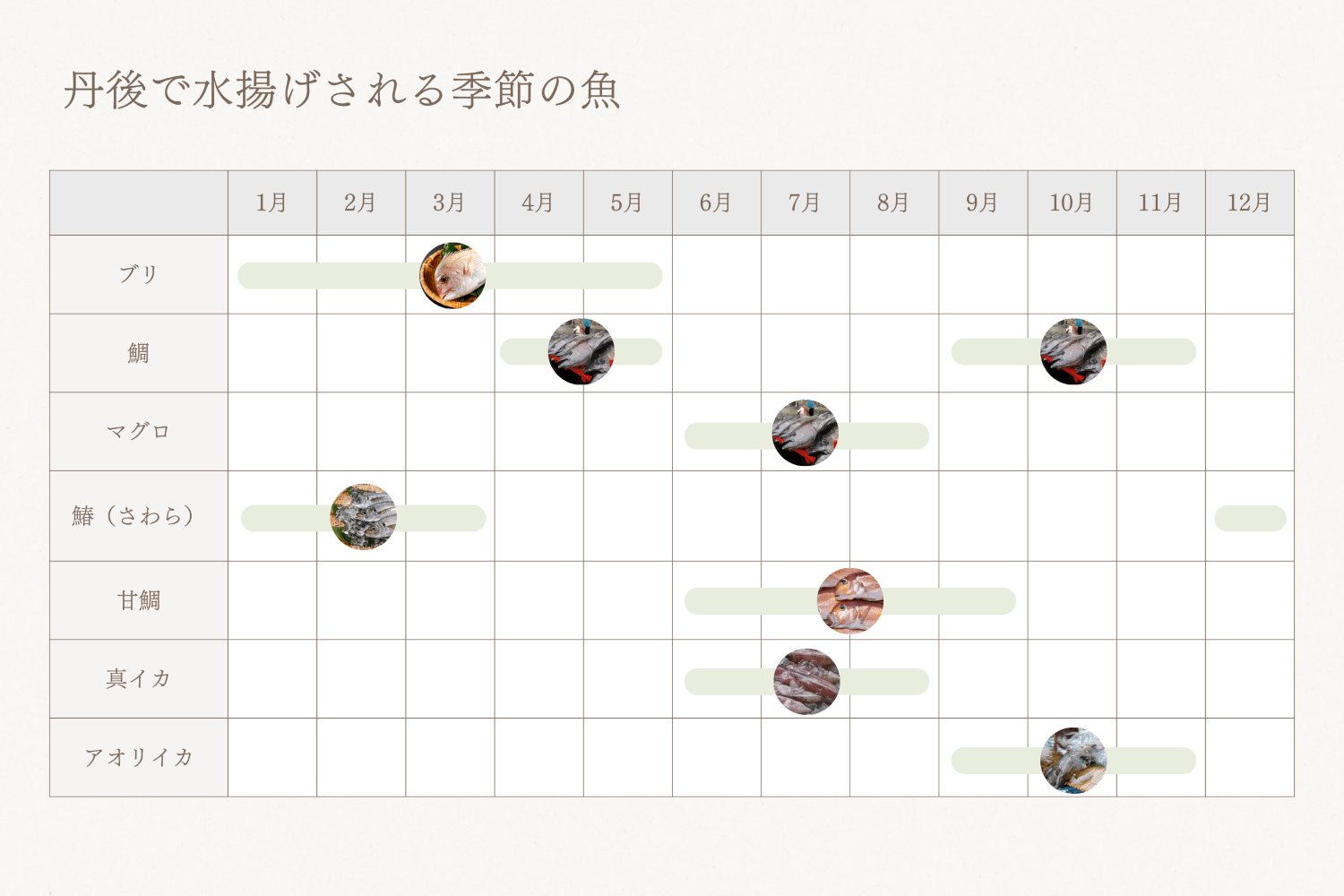
January–May: yellowtail / December–March: Spanish mackerel / June, July and September–November: sea bream / June–August: tuna, tilefish and squid / September–November: bigfin reef squid
The chance to catch a bluefin tuna yourself in summer is especially rare.
The boat charter plan is worth looking at if you would like to come back in different seasons.
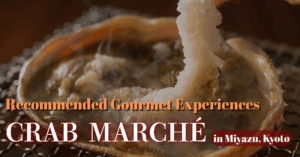
Ine and the Amanohashidate area have other winter specialties as well. The “Kani Marche plan”, which serves branded crab from northern Kyoto live rather than frozen, is especially popular with returning guests.
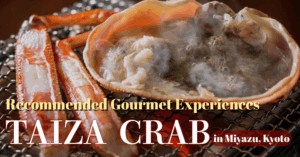
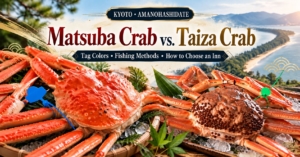
Some properties also serve Taiza crab, which is available only in this area. The article below covers it in detail.